Last updated 2026-07-25
TL;DR
Annual rent registration is a yearly filing (and often a fee) that tells your city who owns a rental unit, what it rents for, and whether it's passed required inspections. Miss it and most cities issue fines, some starting around $100 to $500 per unit, and can bar you from filing eviction paperwork until you're compliant. Deadlines and fees vary by city, so confirm with your city rental licensing office.
what is annual rent registration and why does my city require it
Annual rent registration is a yearly filing you submit to a city or county agency that tracks rental housing. It's separate from your property tax bill and separate from your lease. The filing usually asks for basic facts: owner name and mailing address, unit count, rent amount for each unit, and sometimes the name of a local property manager if you don't live nearby. Cities use this data for a few real reasons. Some use it to enforce rent stabilization or rent control caps, since you can't cap rent increases on units the city doesn't know exist. Others use it to schedule habitability inspections, collect a per-unit fee that funds code enforcement staff, or maintain a public list of licensed rental owners for tenants to check. San Francisco's rent board, for example, requires most residential rental units to be registered, and unregistered units can lose the right to raise rent under the local ordinance until registration is current [1]. The registration itself doesn't usually cost much in staff time. Where landlords get tripped up is treating it as a one-time task. It's annual for a reason: rents change, ownership changes, units get added or removed, and the city wants a current snapshot every year, not the one you filed three years ago.
how do i know if my city requires rental registration
There's no federal registry and no single national rule. Rental registration, licensing, and inspection programs are set city by city or sometimes county by county, and the requirements differ wildly in scope and cost. Some cities require registration only, no inspection. Some require a license that includes a walkthrough inspection every one to three years. Some exempt owner-occupied duplexes or single-family rentals below a certain unit count. Some apply only inside designated rent-control zones. The only reliable way to know your obligation is to check with your specific city's rental licensing, code enforcement, or rent board office. Search "[your city name] rental registration" or "[your city name] rental license" and look for a .gov domain. If your city has a rent board (common in California cities with rent stabilization), start there. If you own in an unincorporated county area, check the county's code compliance department instead of the nearest big city's rules, since they often don't apply to you. Don't assume a small portfolio exempts you. A lot of these ordinances apply starting at one unit, especially in cities with strong tenant protection laws. And a single-family rental you don't live in is still usually inside the definition of a covered rental unit, even though it feels different from a 12-unit apartment building.
what information do i need to file annual rent registration
Most annual registration forms ask for a consistent set of facts, though the exact form varies by city. You'll typically need: the property address and unit numbers, owner name and current mailing address (a P.O. box usually isn't accepted as the sole address), the name and contact information of a local agent if you live outside the city or state, current monthly rent for each unit, tenant move-in dates in rent-controlled cities (used to calculate allowable increases), and confirmation of which utilities the landlord pays versus the tenant. Some cities also want proof of a current business license, since operating a rental is treated as running a business in that jurisdiction. Others want proof of a certificate of occupancy or a passed inspection from the prior cycle before they'll renew registration for the next year. Keep a simple spreadsheet with this information updated year-round. When the renewal notice lands in your mailbox, most of the work is copy-and-paste instead of a scramble to remember what rent you charged Unit 2 fourteen months ago.
how much does annual rent registration cost
Fees vary enormously by city, by unit count, and by whether registration is bundled with a license or inspection. There isn't a real national average worth quoting, because a $20 flat fee in one small city and a $250-per-unit fee in a rent-controlled coastal city are both common realities. What you can count on: most programs charge per unit, not per property, so a fourplex usually costs more to register than a single-family home. Many cities also charge a separate, larger fee if you're late, and some tack on a percentage penalty per month of delinquency rather than a flat late fee. San Francisco's rent board funds itself through a per-unit fee charged annually and split (in practice) between owner and tenant unless local rules say otherwise [1]. Other cities fund a code enforcement division entirely through registration and license fees, which is part of why the fee schedule can look aggressive if you own several units. Because the number changes yearly and by city, confirm the current fee schedule with your city rental licensing office rather than relying on a number you saw online last year or in a different city's forum thread.
what happens if i miss the annual registration deadline
The consequences range from a paperwork headache to a real legal problem, depending on the city. At the mild end, you get a late fee, sometimes a flat amount, sometimes a percentage that grows monthly. At the more serious end, some cities won't let you file or serve an eviction notice, including a straightforward nonpayment-of-rent eviction, until your registration is current. That's a real trap: you can't get behind on registration and then expect to use the courts to remove a nonpaying tenant without fixing registration first in some jurisdictions. Some cities also freeze your ability to raise rent until you register, meaning any rent increase you noticed during the lapse could be invalid and clawed back once the tenant or a tenant attorney catches it. Others post a public notice of noncompliance, which matters if you're trying to sell the property, since a buyer's attorney will flag it in due diligence. If you've missed a deadline, don't wait for a violation notice to escalate. Contact the rental registration office directly, ask what the reinstatement process looks like, and ask whether back fees are calculated per month or as a flat penalty. Most offices would rather get you compliant than chase a fine, and many will walk you through the exact reinstatement steps if you call before they send a citation.
what is landlording and what does a landlord actually do
Landlording is the day-to-day work of owning and operating rental property: finding and screening tenants, maintaining the unit, collecting rent, handling repairs, and complying with local, state, and federal housing law. A landlord is the legal owner or authorized agent who leases residential or commercial property to a tenant in exchange for rent. That sounds simple until you're the one doing it. In practice, landlording means responding to a leaking faucet at 9pm, tracking security deposit rules that differ by state, filing your annual registration paperwork, keeping habitability standards met (heat, hot water, working locks, no active leaks or pest infestations), and knowing what you can and cannot ask an applicant during screening under fair housing law. The federal Fair Housing Act prohibits discrimination in housing based on race, color, national origin, religion, sex, familial status, and disability [2]. That single law shapes how you write a rental ad, how you screen applicants, and how you handle a request for a reasonable accommodation, like a tenant asking to keep an assistance animal in a no-pets building. Most new landlords underestimate how much of the job is compliance paperwork rather than repairs. Registration filings, lead paint disclosures for pre-1978 housing under federal law [3], habitability inspections, and local licensing renewals eat more hours per year than most people expect when they buy their first rental.
how do i become a landlord for the first time
Becoming a landlord starts before you buy a property, not after. If you're converting a home you already own into a rental, or buying your first investment property, there are a handful of steps that matter more than people expect. First, check zoning and any local rental licensing requirement before you list the unit. Some cities require you to register or get a license before you can legally rent the unit out at all, not after your first tenant moves in. Second, get landlord (dwelling fire, or DP-3) insurance instead of relying on a standard homeowner's policy, since most homeowner policies exclude coverage once the home is a rental. Third, understand your state's security deposit rules: many states cap the deposit amount (commonly one to two months' rent) and set a deadline for returning it after move-out, often 14 to 30 days depending on the state. Fourth, learn your state and city's required lease disclosures. Federal law requires a lead-based paint disclosure and an EPA-approved pamphlet for any rental built before 1978 [3]. Many states add their own required disclosures on top of that (mold, bed bug history, flood zone status, and others). Fifth, screen tenants consistently using the same criteria for every applicant (credit, income, rental history, background check), and document your criteria in writing before you start showing the unit. Consistent, written screening criteria is one of the best defenses against a fair housing complaint, since it shows you applied the same standard to everyone rather than making a case-by-case judgment call that could look like discrimination.
who is responsible for a rental property walkthrough inspection in california
In California, the landlord is generally responsible for arranging and conducting habitability-related inspections and repairs, but tenants have the right to request repairs and, in some cities, to request or receive advance notice before any inspection happens. California Civil Code Section 1954 sets the rules for landlord entry into an occupied rental unit. A landlord may enter to make necessary or agreed repairs, show the unit to prospective tenants or buyers, or in an emergency, but must give "reasonable notice in writing," which the statute treats as 24 hours in most circumstances, and must enter only during normal business hours unless the tenant agrees otherwise [4]. Separately, some California cities run their own periodic proactive rental inspection programs (sometimes called RHI, rental housing inspection, or systematic code enforcement programs), where a city inspector, not the landlord, conducts the walkthrough on a scheduled cycle, often every three to five years depending on the city's program. In those programs, the city schedules the inspection and the landlord is responsible for granting access and fixing any violations found, but the inspector, not the landlord, does the actual inspection. So the honest answer has two layers: for routine landlord-initiated entry (repairs, showings), the landlord initiates and must give proper notice under Section 1954. For a city rental inspection program, the city's code enforcement or building department runs the inspection itself; you're responsible for compliance and access, and your city rental licensing office can tell you which program cycle your property is on.
what can a landlord look at during a rental inspection
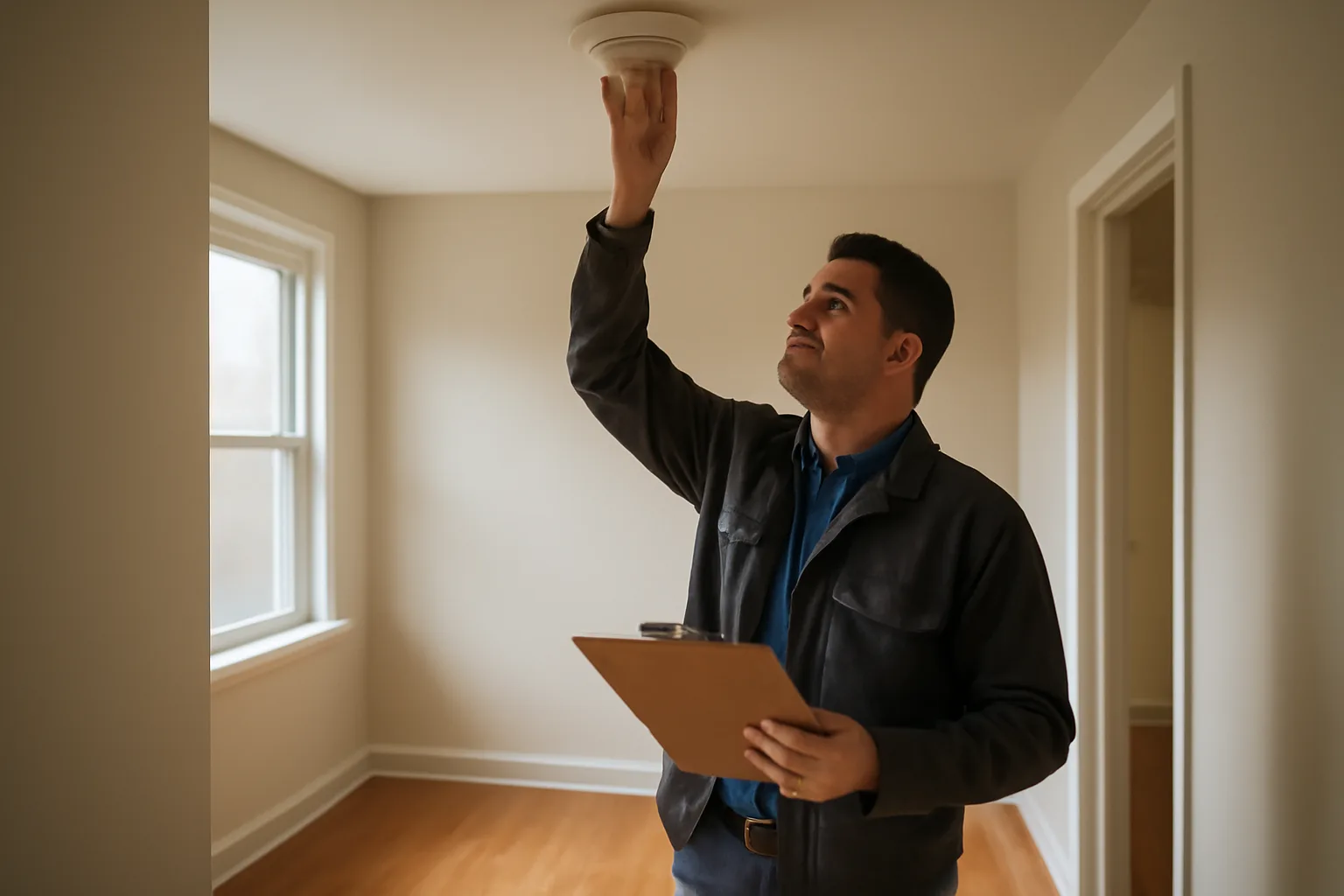
During a routine habitability or code-compliance inspection, whether it's landlord-initiated or run by a city inspector, the scope is generally limited to health, safety, and habitability items, not a tenant's personal belongings. Typical inspection checklist items include: smoke and carbon monoxide detector presence and function, working heat and hot water, no active leaks or visible mold, secure locks on exterior doors and windows, safe electrical outlets and no exposed wiring, functioning plumbing fixtures, and clear egress from bedrooms (a legal exit path in case of fire). City-run rental inspection programs typically publish a checklist in advance so both landlord and tenant know what will be reviewed. What an inspector or landlord generally should not do is open closets, drawers, or personal storage to look through belongings, since the inspection is about the condition of the unit's systems and structure, not the tenant's possessions. If you're the landlord conducting your own maintenance walkthrough, the same principle applies: you're there to check the unit, not to search the tenant's things. If a city inspection finds violations, you'll typically get a written notice with a reinspection deadline, often 30 to 90 days depending on the severity and the city's program, before penalties or a hold on your registration or license kick in.
what a landlord cannot do in ohio
Ohio landlord-tenant law is set out primarily in Ohio Revised Code Chapter 5321. A few restrictions come up constantly for landlords operating in the state. A landlord cannot shut off utilities, remove doors or windows, or change the locks to force a tenant out without going through the court eviction process, sometimes called "self-help eviction." This kind of illegal lockout is not permitted; Ohio, like nearly every state, requires landlords to use the formal eviction process through the courts even when a tenant is behind on rent [5]. A landlord also cannot retaliate against a tenant for exercising a legal right, like reporting a code violation to the city or joining a tenant organization. Ohio Revised Code 5321.02 specifically restricts a landlord's ability to raise rent, decrease services, or bring an eviction action in retaliation for a tenant's good-faith complaint [6]. Ohio law under R.C. 5321.04 also requires landlords to keep the premises in a fit and habitable condition, comply with building and housing codes, and keep common areas safe and clean, meaning a landlord cannot simply ignore serious repair requests that affect habitability [7]. And under R.C. 5321.05, a tenant generally has the right to reasonable notice before a landlord enters, mirroring the protections seen in California and most other states.
what rights do tenants have without a lease
A tenant without a written lease, sometimes called a month-to-month tenant or a tenant-at-will, still has real legal rights. The absence of a signed lease does not mean the absence of tenant protection. Most states treat a tenant paying rent without a written lease as a month-to-month tenancy, governed by the same state landlord-tenant statutes that apply to a written lease, plus local rent control or just-cause eviction ordinances where they exist. That means the tenant still has a right to habitable housing, a right to notice before entry, and a right to a formal eviction process rather than a lockout, even with nothing signed. The main practical difference without a lease is the notice period required to end the tenancy. Most states require a landlord to give 30 days' written notice to end a month-to-month tenancy with no lease, though some cities with just-cause eviction protections require a specific legal reason to end even a no-lease tenancy, more than notice. Security deposit rules, habitability requirements, and anti-discrimination law under the Fair Housing Act [2] all still apply regardless of whether there's a written lease in place. If you're a landlord operating without written leases (common with informal family arrangements or long-term tenants who never signed anything new), it's worth getting something in writing going forward, since a lease clarifies rent amount, due date, and rules in a way that protects both sides if there's ever a dispute.
how much notice does a landlord have to give before entry or ending a tenancy
Notice requirements split into two very different categories: notice to enter the unit, and notice to end a tenancy. They're often confused but governed by different rules. For entry, most states require 24 to 48 hours of advance written notice for non-emergency entry (repairs, inspections, showings). California's Civil Code Section 1954 treats 24 hours as reasonable notice in most circumstances [4]. Emergencies (a burst pipe, fire, gas leak) don't require advance notice in any state, since immediate entry is necessary to prevent damage or protect safety. For ending a month-to-month tenancy, most states require 30 days' written notice from the landlord, though some require 60 days if the tenant has lived there over a year (California is one example under Civil Code Section 1946.1). Some cities with just-cause eviction ordinances require both notice and a specific legal reason, not notice alone, meaning "I want to end the tenancy" isn't sufficient by itself. For rent increases, notice requirements vary by state and by how large the increase is. Some states require 30 days' notice for a rent increase under a set percentage and 60 or 90 days for anything larger. Because these numbers differ by state and sometimes by city on top of that, confirm the specific notice period with your state's landlord-tenant statute or your city's rent board before sending any notice.
why do landlords require renters insurance
A lot of landlords require tenants to carry renters insurance as a lease condition, and it's a reasonable ask that protects both sides, more than the landlord. A landlord's own property insurance covers the building itself, structural damage, and the landlord's liability, but it does not cover a tenant's personal belongings. If a fire, burst pipe, or theft destroys a tenant's furniture and electronics, the landlord's policy generally won't pay for any of it. Renters insurance fills that gap, typically covering personal property loss and providing liability coverage if the tenant accidentally causes damage (a kitchen fire, an overflowing bathtub that damages the unit below). That liability piece matters a lot to landlords. If a tenant's negligence causes a fire that damages the whole building, a landlord without a renters-insurance requirement may be stuck fighting for reimbursement directly from the tenant, who often doesn't have the assets to cover a serious loss. A renters insurance policy with adequate liability limits gives the landlord an actual insurance company to make a claim against instead. Requiring renters insurance is legal in most states as a lease condition, though a few jurisdictions restrict how landlords can enforce it or require the landlord to accept certain alternative coverage arrangements. Requiring proof of coverage (an annual certificate naming the landlord as an interested party) is common practice and generally easy to enforce at lease renewal, which is often the same time your annual rent registration renewal lands, so it's worth batching both into one yearly compliance check.
how do i stay on top of annual registration every year without missing deadlines
The landlords who never get hit with a late fee treat registration as a calendar event, not a surprise. A few habits make the difference. Set a recurring reminder 60 days before your city's typical renewal window, since some cities send the notice by mail and mail gets lost, forwarded to an old address, or buried. If you've moved or changed your mailing address since you last registered, update it directly with the registration office; don't assume the post office forwarding will catch it forever. Keep a running file (digital or paper) with your unit's current rent, tenant move-in dates, and any prior inspection results, so the annual form takes ten minutes instead of an afternoon of digging through old emails. If your city bundles a business license or fire safety certificate into the renewal, track those expiration dates on the same calendar. If you own in a city with a rental license, registration, and inspection program bundled together, and you want a structured way to organize everything (required documents, inspection prep checklist, notice templates for your specific city's rules) before your renewal or inspection date, a resource like the $79 City Rental License & Inspection Prep Packet can save you the research time of piecing it together city notice by city notice. It's not a substitute for confirming your specific city's current fee and deadline, but it organizes the parts that are consistent across most programs. Whatever system you use, the core habit is the same: don't wait for the notice to show up before you start gathering the information. Rent amounts change, tenants move in and out, and inspection results expire. A yearly ten-minute review keeps you from becoming the landlord who finds out about a lapsed registration only after trying to file an eviction and getting turned away at the courthouse.
Frequently asked questions
What is landlording?
Landlording is the ongoing work of owning and operating rental property, including finding tenants, collecting rent, handling maintenance and repairs, keeping the unit habitable, and complying with local, state, and federal housing law. It's a mix of business management and legal compliance, more than collecting a check every month.
What is a landlord?
A landlord is the legal owner of a rental property, or an authorized agent acting on the owner's behalf, who leases the property to a tenant in exchange for rent. Landlords have legal duties around habitability, notice before entry, and fair housing compliance under federal and state law.
How do I become a landlord?
Check your city's rental licensing or registration requirements before renting the unit out, get landlord (not homeowner) insurance, learn your state's security deposit and disclosure rules, and set consistent written tenant screening criteria. Many cities require registration or a license before you can legally rent a unit, not after.
Who is responsible for a rental property walkthrough inspection in California?
For routine landlord-initiated entry, the landlord is responsible and must give reasonable written notice, generally 24 hours, under California Civil Code Section 1954. For city-run rental inspection programs, the city's inspector conducts the walkthrough on a set cycle, and the landlord is responsible for access and fixing any violations found.
What rights do tenants have without a lease?
A tenant without a written lease is typically treated as a month-to-month tenant under state law, with the same rights to habitable housing, notice before entry, and formal eviction proceedings as a tenant with a lease. Fair housing protections and security deposit rules also still apply.
How much notice does a landlord have to give before entering a unit?
Most states require 24 to 48 hours of written notice for non-emergency entry. California treats 24 hours as reasonable under Civil Code Section 1954. Emergencies like a burst pipe or gas leak don't require advance notice in any state.
What can a landlord look at during a rental inspection?
Inspections generally cover health and safety systems: smoke and carbon monoxide detectors, heat and hot water, leaks or mold, working locks, safe electrical wiring, and clear exits. Inspectors and landlords generally should not open closets, drawers, or personal belongings during a habitability inspection.
What can a landlord not do in Ohio?
Under Ohio Revised Code Chapter 5321, a landlord cannot shut off utilities or change locks to force a tenant out without a court eviction, cannot retaliate against a tenant for a good-faith code complaint, and must keep the unit in a fit, habitable condition and give reasonable notice before entry.
Why do landlords require renters insurance?
Renters insurance covers a tenant's personal belongings and liability, which the landlord's own property insurance does not cover. If a tenant's negligence causes damage, like a kitchen fire, the landlord can make a claim against the tenant's policy instead of chasing reimbursement from the tenant directly.
What happens if I miss my city's annual rental registration deadline?
Consequences vary by city but often include late fees, a hold on your ability to raise rent, or a block on filing an eviction until you're compliant. Contact your city rental licensing office directly to ask about the reinstatement process rather than waiting for a violation notice to escalate.
Does every city require annual rental registration?
No. Rental registration, licensing, and inspection rules are set city by city or county by county, with no federal requirement. Some cities require registration only, some bundle in an inspection, and some exempt owner-occupied or small properties. Confirm directly with your specific city's rental licensing office.
How much does annual rental registration cost?
Fees vary widely by city and unit count, typically charged per unit rather than per property. There's no reliable national average since programs range from small flat fees to larger per-unit fees in cities with rent stabilization boards. Confirm the current fee schedule with your specific city's rental licensing office.
Sources
- San Francisco Rent Board, Rental Unit Registration: San Francisco requires most residential rental units to register with the rent board, tied to rent adjustment rights
- U.S. Dept. of Housing and Urban Development, Fair Housing Act overview: The Fair Housing Act prohibits housing discrimination based on race, color, national origin, religion, sex, familial status, and disability
- U.S. EPA, Real Estate Disclosures About Potential Lead Hazards: Federal law requires lead-based paint disclosure and an EPA-approved pamphlet for rentals built before 1978
- California Legislative Information, Civil Code Section 1954: California landlords must give reasonable notice, generally 24 hours, before entering an occupied rental unit for repairs or showings
- Ohio Revised Code Section 5321.03, Termination of Rental Agreement for Failure to Maintain Premises; Remedies: Ohio requires landlords to use the formal eviction process rather than self-help remedies like shutting off utilities or changing locks
- Ohio Revised Code Section 5321.02, Retaliatory Conduct Prohibited: Ohio law restricts a landlord's ability to raise rent, decrease services, or bring an eviction action in retaliation for a tenant's good-faith complaint
- Ohio Revised Code Section 5321.04, Landlord Obligations: Ohio law requires landlords to keep the premises in a fit and habitable condition and comply with building and housing codes