Last updated 2026-07-25
TL;DR
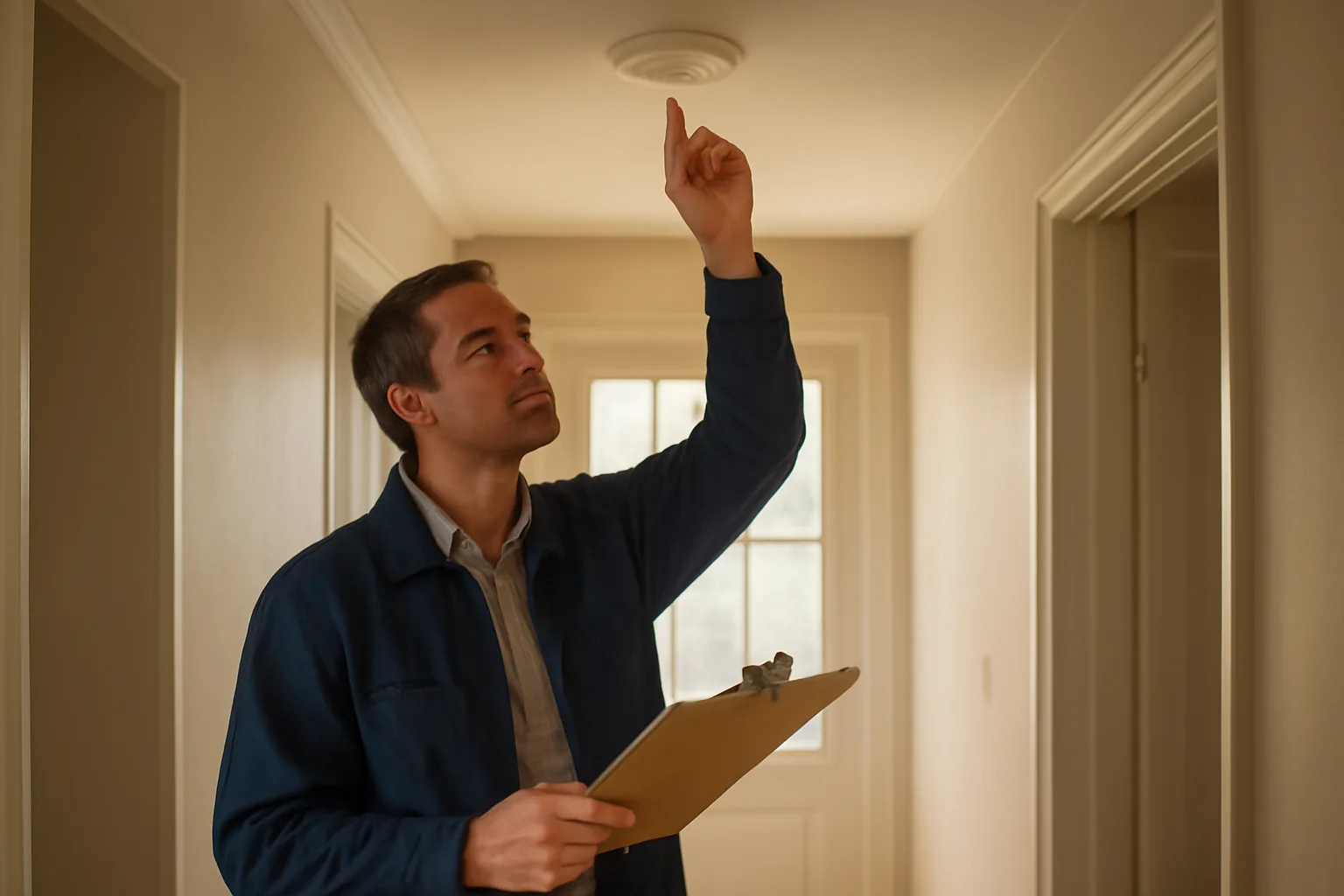
No federal law caps inspection frequency. Most states require landlords to give tenants 24 to 48 hours advance notice and to inspect only for legitimate reasons (repairs, safety checks, showing the unit). California requires 24 hours written notice under Civil Code 1954. There's no set number of visits per year; the standard is reasonable notice plus a valid purpose, not a specific count.
How often can a landlord inspect the property?
There's no nationwide rule that says a landlord can inspect once a month or four times a year. Frequency isn't the legal test in most states. The test is whether the landlord has a legitimate reason to enter and whether proper notice was given. That said, some states and cities do put limits on notice timing, and a few local rental licensing ordinances tie inspections to specific renewal cycles (annual, biennial, or triennial, depending on the city). If you're dealing with a city-mandated rental inspection tied to a license renewal, that schedule is set by ordinance, not by how often your landlord personally feels like showing up. California Civil Code Section 1954 lists the reasons a landlord can enter: emergencies, repairs or improvements, showing the unit to prospective tenants or buyers, when the tenant has abandoned or surrendered the unit, or under court order [1]. The statute doesn't cap the number of entries. A landlord who needs to fix a leak, then follow up two days later to check the repair, then come back a week after that to check for mold, isn't violating a frequency limit, because there isn't one. What matters is that each entry has a real purpose and follows the notice rule. Where landlords get in trouble is pattern of behavior. Courts and tenant attorneys look at whether entries are being used to harass, intimidate, or pressure a tenant to move out. Two or three inspections a month with thin justification, especially after a tenant complains about something or requests a repair, starts to look like retaliation, which is illegal in most states regardless of notice given.
How much notice does a landlord have to give before an inspection?
| Routine inspection or repair | 24 to 48 hours, written |
|---|---|
| Showing unit to prospective tenant/buyer | 24 to 48 hours, written |
| Emergency (fire, flood, gas leak) | None |
| Tenant has abandoned unit | None, or per state statute |
| Court order | Per order terms |
In most states, the number lands at 24 or 48 hours of advance notice, but you have to check your specific state law because it varies and some states don't set a number at all. California requires "reasonable notice in writing," and the statute specifies that 24 hours is presumed reasonable, unless the tenant requests less time [1]. Notice must state the date, approximate time, and purpose of entry. Oral notice is only good enough if the landlord can't reasonably provide written notice, or in specific emergency-adjacent situations. Other states use different windows. Some require 48 hours. A handful, especially in New England, don't have a statewide statute at all, and instead lean on lease terms and common-law reasonableness. If your lease specifies a notice period longer than what state law requires, the lease terms generally control, since they're more protective of the tenant. Emergencies are the universal exception. A burst pipe, a gas leak, a fire, these let a landlord enter without notice in essentially every state. But "emergency" gets defined narrowly. Wanting to show the unit to a new tenant on short notice because your current tenant is moving out next week is not an emergency, even if it feels urgent to you as the landlord. Here's a rough comparison of notice rules by category (confirm your specific state law before relying on any of this): | Situation | Typical notice required |
What can a landlord look at during an inspection?
A landlord can generally inspect anything related to the condition, safety, and maintenance of the unit itself: smoke detectors, plumbing, HVAC, signs of pest infestation, structural issues, appliances the landlord owns, and general habitability items. Cities running mandatory rental inspection programs usually give inspectors a checklist tied to local housing code (working outlets, egress windows, handrails, water heater temperature, that kind of thing). A landlord does not get to go through a tenant's personal belongings, open drawers or closets to browse, or use the visit as an excuse to look at what the tenant owns. The inspection is about the property's condition, not the tenant's stuff. If a city inspector or landlord needs to check something like a furnace closet or an attic access point that happens to be in a bedroom, the scope should stay narrow, and the tenant should be told in advance what's being checked. Most lease-based inspections cover: smoke and carbon monoxide detectors (testing, more than visual check), visible water damage or mold, pest evidence, functioning of landlord-owned appliances, condition of windows and doors, and general wear versus tenant-caused damage. City rental licensing inspections often add fire egress, electrical panel condition, exterior structure, and sometimes lead paint or radon checks depending on the jurisdiction. If your city requires a licensing inspection, check with your city rental licensing office for the exact checklist, because it varies a lot city to city.
Who is responsible for a rental property walk through inspection in California?
In California, move-in and move-out walk-through inspections are largely the landlord's responsibility to conduct and document, and California Civil Code Section 1950.5 gives tenants a specific right connected to this process. Before the tenant moves out and the landlord withholds any part of the security deposit, the tenant has the right to request an initial inspection, done no earlier than two weeks before the tenancy ends, so the tenant gets a chance to fix any issues before final move-out and avoid deposit deductions [2]. The landlord must give at least 48 hours written notice of that initial inspection unless the tenant waives it. After the walk-through, the landlord has to give the tenant an itemized statement of anything that needs fixing or cleaning to avoid a deduction. At actual move-out, the landlord (or their agent) does the final walk-through, documents the condition, and has 21 days from when the tenant moves out to return the deposit along with an itemized list of deductions, per the same statute [2]. There's no requirement that the tenant be present for the final walk-through, though many landlords invite tenants to attend since it heads off disputes. For mid-tenancy inspections in California (not move-out related), the same Section 1954 notice rules apply: 24 hours presumed reasonable, written, stating purpose.
What is landlording and what is a landlord?
A landlord is a person or entity that owns residential or commercial property and rents it out to tenants in exchange for payment. Landlording is the informal term for the day-to-day work of managing that arrangement: collecting rent, handling repairs, screening tenants, staying compliant with local housing codes, and dealing with the legal side of the landlord-tenant relationship. Being a landlord isn't just owning property. It's running a small operation with real regulatory exposure. Depending on where the property sits, you might need a business license, a rental registration, a certificate of occupancy, or a periodic inspection to keep renting legally. Cities with mandatory rental licensing (Baltimore, Minneapolis, Milwaukee, and hundreds of others) treat landlording as a regulated activity, more than a private contract between two people. The U.S. Department of Housing and Urban Development and most state consumer protection offices publish guides distinguishing a landlord's legal obligations (habitability, fair housing compliance, security deposit handling) from a tenant's obligations (paying rent, not damaging the unit, following lease terms). If you're new to this, read your state's landlord-tenant statute before your first lease, not after your first dispute.
How to become a landlord (and how to be a landlord day to day)
Becoming a landlord starts with the property, but the paperwork side is where most first-timers get tripped up. Here's the rough sequence: 1. Buy or already own residential property suitable for rental (check zoning first, some areas restrict rentals or require conditional use permits). 2. Check whether your city or county requires a rental license, registration, or inspection before you can legally rent the unit. This is the step people skip and then get fined for. 3. Get landlord insurance (different from standard homeowners insurance, since it covers liability and lost rental income). 4. Set rent based on comparable local units and any local rent control rules that might apply. 5. Screen tenants using a consistent, written process that follows Fair Housing Act requirements (you can't discriminate based on race, color, national origin, religion, sex, familial status, or disability, per 42 U.S.C. Section 3604 [3]). 6. Draft or use a lease that matches your state's landlord-tenant law. 7. Register with your city's rental licensing office if required, and schedule any mandatory inspection. Being a landlord day to day means responding to repair requests within your state's required timeframe, keeping the unit habitable, handling security deposits correctly, giving proper notice before entry, and renewing your rental license or registration on schedule if your city requires one. If your city runs a licensing program, missing a renewal deadline is one of the most common (and easily avoidable) ways landlords rack up fines. For a broader look at what a landlord actually is and what the role covers, see landlord.
Why do landlords require renters insurance?
Landlords require renters insurance mainly to shift liability risk away from themselves and their own policy. A landlord's insurance covers the building structure and the landlord's own property, but it generally doesn't cover a tenant's personal belongings or a tenant's liability if the tenant accidentally causes damage (a kitchen fire, an overflowing bathtub that floods the unit below). If a tenant doesn't have renters insurance and causes damage, the landlord's policy might have to pay out, which can raise the landlord's premiums or leave gaps depending on the policy. Renters insurance also typically covers a tenant's liability if a guest gets hurt in the unit, which otherwise could turn into a claim against the landlord. Most renters insurance policies run somewhere in the range of a modest monthly cost, and many states allow landlords to require it as a lease condition as long as it's applied consistently to all tenants (not selectively, which could raise fair housing concerns). Requiring it isn't about distrust of any specific tenant. It's a standard risk-management practice, similar to requiring auto insurance for anyone who drives your company vehicle.
What rights do tenants have without a lease?
A tenant without a written lease still has real legal rights. Most states treat an unwritten rental agreement as a month-to-month tenancy, and the tenant gets the same basic protections as someone with a signed lease: the right to a habitable unit, protection from illegal lockouts or utility shutoffs, the right to proper notice before entry, and the right to proper notice before eviction. Without a written lease, a landlord still can't just change the locks or remove a tenant's belongings to force them out. Every state requires some form of formal eviction process through the courts, even for tenants with no lease and no fixed term. This is sometimes called a "tenancy at will" and it still requires the landlord to serve a notice to quit (the required notice period varies by state, often 30 days for month-to-month arrangements) and, if the tenant doesn't leave, to file a formal eviction case. Rent amount and increases for no-lease tenants generally follow whatever was agreed verbally or through past payment history, though the landlord typically needs to give notice before raising rent, matching whatever notice period applies to ending the tenancy in that state. If you're a tenant without a lease and unsure what protections apply, your state's attorney general consumer protection page or local legal aid office is a better source than a rental blog. For general tenant protections, see tenants rights and renters rights.
What can't a landlord do in Ohio?
Ohio's landlord-tenant law is set out in Ohio Revised Code Chapter 5321. Some of the clearer restrictions on landlords: A landlord in Ohio cannot enter the rental unit without giving reasonable notice and without a legitimate purpose, per ORC 5321.04, which requires landlords to give tenants "reasonable notice" of intent to enter and to enter "only at reasonable times," with the statute treating 24 hours as reasonable notice in most circumstances [4]. A landlord cannot shut off utilities, change the locks, or remove the tenant's belongings to force an eviction, this is illegal self-help eviction under ORC 5321.15, and a tenant can sue for actual damages plus recover reasonable attorney fees if this happens [5]. A landlord cannot retaliate against a tenant for complaining to a housing authority, joining a tenant union, or asserting rights under the lease. ORC 5321.02 specifically prohibits retaliatory conduct, including raising rent, decreasing services, or threatening eviction because a tenant exercised a legal right [6]. A landlord also cannot ignore habitability duties under ORC 5321.04, which requires landlords to keep the premises in a fit and habitable condition, comply with building and housing codes, and maintain electrical, plumbing, and heating systems in good working order. If a landlord fails to do this after receiving written notice, an Ohio tenant has remedies including rent escrow through the municipal or county court, per ORC 5321.07.
What happens if a landlord inspects too often or without proper notice?
If a landlord enters repeatedly without adequate notice, or uses inspections as a pretext for harassment, tenants generally have a few paths, depending on state law: a claim for violation of quiet enjoyment, a retaliation claim if the timing lines up with a complaint or repair request, or in serious cases, a claim for trespass or invasion of privacy. Some states let tenants sue for actual damages if a landlord violates entry notice rules repeatedly. California courts have found that repeated, unjustified entries can support a claim for breach of the covenant of quiet enjoyment, which exists in every residential lease whether it's written down or not. For landlords, the safer approach is simple: document every entry, keep a written log of the date, time, and stated purpose, and always follow your state's notice minimum even when the lease doesn't require it. If a tenant challenges an inspection later, that log is your best evidence that entries were legitimate and properly spaced, not a pattern of harassment. If you're dealing with an actual city-mandated rental inspection tied to a license renewal, rather than a private landlord walk-through, the notice and process rules usually come from the local housing code, not from state landlord-tenant law. Confirm the specific process with your city rental licensing office, since programs range from mailed notices with a scheduling window to inspections triggered automatically at lease turnover.
How landlord inspections differ from city rental licensing inspections
These are two different things and landlords sometimes mix them up. A private landlord inspection is the landlord (or property manager) checking on the unit's condition, usually under the notice rules in state landlord-tenant law. A city rental licensing inspection is a government inspector checking the unit against local housing code, usually tied to getting or renewing a rental license. City inspections typically happen on a fixed cycle, annually, every two years, or every three years, depending on the ordinance, rather than whenever the landlord wants to check in. Some cities also trigger an inspection automatically at tenant turnover or after a complaint. Fees, cycles, and required documents vary widely: some cities charge a flat per-unit fee, some charge per building, and some waive fees for owner-occupied duplexes. None of that is standard nationally, so confirm the specific fee schedule and inspection cycle with your city rental licensing office before assuming your city works like the next one over. Because the rules and paperwork differ so much city to city, a lot of landlords with 1 to 10 units end up managing multiple deadlines by hand and missing one. That's the gap a tool like the $79 one-time City Rental License & Inspection Prep Packet is meant to close, giving you a structured way to track what your specific city requires instead of guessing from a neighbor's experience or an outdated forum post.
Frequently asked questions
How often can a landlord legally inspect a rental property?
There's no fixed national number. Most states require reasonable notice (often 24 to 48 hours) and a legitimate purpose for each entry, rather than capping the number of visits per year. City-mandated licensing inspections, by contrast, usually run on a fixed cycle set by local ordinance, often annually or every two to three years.
Can a landlord do a surprise inspection?
Generally no, except in a true emergency (fire, flood, gas leak, or similar immediate safety risk). Outside emergencies, most states require written notice, typically 24 to 48 hours in advance, stating the date, approximate time, and purpose of entry.
Who is responsible for a rental property walk through inspection in California?
The landlord is responsible for conducting and documenting move-in and move-out walk-throughs. Under California Civil Code Section 1950.5, tenants can request an initial pre-move-out inspection up to two weeks early, and the landlord must give 48 hours notice for that inspection and an itemized deduction list within 21 days of move-out.
What is landlording?
Landlording is the practical, day-to-day work of owning and managing rental property: collecting rent, maintaining habitability, screening tenants, complying with local rental licensing rules, and handling the legal side of the tenant relationship. It's distinct from simply owning property; it's the ongoing operation of renting it out.
What is a landlord?
A landlord is a person or entity that owns residential or commercial property and rents it to tenants for payment under a lease or rental agreement. Landlords take on legal duties around habitability, fair housing, security deposits, and proper notice before entry, which vary by state and city.
What rights do tenants have without a lease?
A tenant without a written lease still gets basic legal protections in nearly every state: habitability, protection from illegal lockouts, notice before entry, and a formal eviction process even for a verbal or month-to-month arrangement. Landlords can't remove belongings or change locks without going through the courts.
How to become a landlord?
Buy or own rental-suitable property, confirm zoning and any local rental licensing requirement, get landlord insurance, set compliant rent, screen tenants under Fair Housing Act rules, sign a state-compliant lease, and register with your city's rental licensing office if one exists before renting the unit out.
Why do landlords require renters insurance?
Renters insurance shifts liability for tenant-caused damage and guest injuries away from the landlord's own policy, since a landlord's insurance usually doesn't cover a tenant's belongings or a tenant's personal liability. Many states let landlords require it as a lease condition, applied consistently to all tenants.
How much notice does a landlord have to give before entering?
It depends on your state, but 24 to 48 hours written notice is the common standard, with California specifying 24 hours as presumed reasonable under Civil Code Section 1954. Emergencies (fire, gas leak, flooding) are the main exception where no notice is required.
What can a landlord look at during an inspection?
A landlord can inspect items related to the unit's condition and safety: smoke detectors, plumbing, HVAC, pest evidence, structural issues, and landlord-owned appliances. A landlord cannot search through a tenant's personal belongings or use the inspection as a pretext to look through the tenant's things.
What can't a landlord do in Ohio?
Under Ohio Revised Code Chapter 5321, a landlord can't enter without reasonable notice (ORC 5321.04), can't shut off utilities or change locks to force an eviction (ORC 5321.15), can't retaliate against a tenant for asserting legal rights (ORC 5321.02), and can't ignore required habitability repairs.
Can a landlord inspect the property whenever they want if it's in the lease?
No. State law notice requirements generally can't be waived by a lease clause that favors the landlord; most states treat these as tenant protections that a lease can't override downward. A lease can add more tenant protection than the state minimum, but usually can't strip away the state's notice requirement.
Do city rental license inspections happen more often than private landlord inspections?
Not necessarily more often, but on a different, fixed schedule. City licensing inspections typically follow a set renewal cycle (commonly annual or every two to three years, depending on the ordinance) rather than the more situational timing of a private landlord's maintenance or showing-related entries.
Sources
- California Legislature, Civil Code Section 1954: California landlord entry reasons and 24-hour presumed-reasonable written notice standard
- California Legislature, Civil Code Section 1950.5: California security deposit, initial inspection, and 21-day return requirements
- Ohio Revised Code Section 5321.04: Ohio landlord duties including reasonable notice before entry and habitability requirements
- Ohio Revised Code Section 5321.15: Ohio prohibition on landlord self-help eviction (utility shutoff, lockout, belongings removal)
- Ohio Revised Code Section 5321.02: Ohio prohibition on landlord retaliation against tenants exercising legal rights
- Ohio Revised Code Section 5321.07: Ohio tenant remedies including rent escrow for landlord failure to maintain habitability after notice