Last updated 2026-07-26
TL;DR
Pennsylvania has no statewide rental licensing law, but cities like Philadelphia and Pittsburgh require it. State law (68 P.S. Chapter 2, Landlord and Tenant Act) sets deposit limits, notice periods (15 or 30 days depending on lease term), and habitability duties. Local ordinances add licensing, inspections, and fines on top of state rules.
What does Pennsylvania law actually require of landlords?
Pennsylvania's core landlord-tenant law lives in the Landlord and Tenant Act of 1951, found at 68 P.S. Chapter 2 [1]. It covers lease basics, notice to quit, distraint (a weird old remedy for unpaid rent that's mostly obsolete in practice), and security deposit rules. There's no statewide requirement that landlords register or license rental units. That surprises a lot of new landlords who assume state law covers everything. What state law does cover: security deposits are capped at two months' rent for the first year of a lease, dropping to one month's rent after year one (68 P.S. § 250.511a) [1]. Deposits over $100 held for more than two years must go into an escrow account, and if a landlord holds deposits for two or more years, tenants are entitled to interest on the amount over $100, minus a 1% administrative fee to the landlord [1]. Landlords have 30 days after the tenant moves out to return the deposit or send an itemized list of deductions [1]. What state law doesn't cover: rental licensing, mandatory inspections, and registration fees. Those come entirely from local ordinances. Philadelphia requires a Rental License through the Department of Licenses and Inspections, Pittsburgh has its own registration requirements tied to occupancy permits, and plenty of smaller PA municipalities (Allentown, Reading, Scranton, and others) run their own rental registration or inspection programs. If you own in any of those cities, you're dealing with two layers of law: state landlord-tenant rules and a city ordinance that can add fees, inspection cycles, and separate violation penalties. Confirm the specifics with your city rental licensing office, because these programs change licensing periods and fee schedules more often than people expect.
How do you become a landlord in Pennsylvania?
There's no state landlord license or certification requirement in Pennsylvania. You become a landlord the moment you rent out a property you own, whether that's a single room or a ten-unit building. That said, becoming a landlord who doesn't get burned takes more than buying a property and posting an ad. Start with the legal basics. Get proper landlord liability insurance (a standard homeowner's policy usually excludes rental use). Register your business name if you're operating under an LLC. Check whether your municipality requires a rental license or registration before you can legally lease the unit; skipping this step is one of the most common ways new landlords rack up fines in cities like Philadelphia, where operating without a license can trigger citations under the Philadelphia Code [2]. Then there's the practical side: understand PA's security deposit rules, know the notice periods for ending a tenancy, and have a lease that doesn't violate the Landlord and Tenant Act. If your property sits inside a licensing city, budget time for the inspection process too. Cities typically check smoke detectors, egress windows, electrical panels, and general habitability before issuing or renewing a license. If you're just getting started and your city requires registration, it's worth reading a landlord basics guide before you sign your first lease, because the order you do things in (insurance, registration, lease, inspection) actually matters for avoiding late fees and failed first inspections.
What is landlording, exactly, and what is a landlord?
A landlord is the person or entity that owns rental property and leases it to a tenant in exchange for rent. Legally, in Pennsylvania, a landlord is the party named on the lease as the lessor, whether that's an individual owner, an LLC, a property management company acting as agent, or an estate. "Landlording" is the informal industry term for the actual work of being a landlord: screening tenants, collecting rent, handling maintenance requests, managing turnover, keeping up with local licensing and inspection cycles, and dealing with the occasional dispute or eviction filing. It's not a legal term you'll find in any statute, but property managers and landlord associations use it constantly because "being a landlord" undersells how much operational work is involved, especially once you're juggling multiple units or multiple cities with different rental ordinances. For a one-to-two unit owner, landlording mostly means: collect rent, respond to repair requests within a reasonable time (Pennsylvania courts have found landlords liable for breach of the implied warranty of habitability when they fail to fix conditions that make a unit unlivable) [3], keep the unit compliant with local code, and follow the notice periods and deposit rules set out in the Landlord and Tenant Act [1]. For a 10-unit owner, it starts looking more like running a small business, complete with recordkeeping obligations and, in licensing cities, recurring inspection and renewal deadlines.
What rights do tenants have without a lease in Pennsylvania?
Tenants without a written lease still have real legal rights in Pennsylvania. A tenancy without a written lease is generally treated as a month-to-month tenancy at will, and it's still governed by the Landlord and Tenant Act of 1951 [1]. No written lease does not mean no rights. Without a lease, a tenant still has: the right to a habitable unit (heat, water, working plumbing, structural safety), protection from illegal lockouts and utility shutoffs used to force them out, the right to proper notice before the landlord can end the tenancy, and the same security deposit protections as any other tenant if a deposit was collected. Pennsylvania law doesn't let a landlord skip notice requirements just because there's no signed lease. The notice period for ending a month-to-month or no-lease tenancy in Pennsylvania depends on how the tenancy started and how long the tenant has lived there. Under 68 P.S. § 250.501, a landlord generally must give 15 days' notice to quit for a tenancy of one year or less, and 30 days' notice for a tenancy of more than one year, before filing for possession in court [1]. Self-help evictions, changing the locks, removing belongings, shutting off utilities, without going through the courts are illegal regardless of whether a lease exists. Tenants without a lease who want to understand their full protections should also check a tenants rights guide alongside the state statute, since local ordinances in cities like Philadelphia layer additional tenant protections on top of state law.
How much notice does a landlord have to give in Pennsylvania?
| Notice to quit, tenancy of 1 year or less | 15 days | 68 P.S. § 250.501 [1] | |
|---|---|---|---|
| Notice to quit, tenancy over 1 year | 30 days | 68 P.S. § 250.501 [1] | |
| Security deposit, year one | Max 2 months' rent | 68 P.S. § 250.511a [1] | |
| Security deposit, after year one | Max 1 month's rent | 68 P.S. § 250.511a [1] | |
| Deposit return after move-out | 30 days | 68 P.S. § 250.512 [1] | Cities can't shorten these state-mandated notice periods, but local ordinances sometimes add extra procedural requirements on top, like requiring proof of a valid rental license before a landlord can even file for eviction in Philadelphia's court system. That's one more reason licensing compliance matters beyond just avoiding a fine. |
The required notice period in Pennsylvania depends on the length of the tenancy, not on whether there's a written lease. Under the Landlord and Tenant Act (68 P.S. § 250.501), the baseline rule is: 15 days' notice to quit for tenancies of one year or less, and 30 days' notice for tenancies longer than one year [1]. This applies before a landlord can begin eviction proceedings for a holdover tenant or to end a month-to-month arrangement. Nonpayment of rent is handled a little differently in practice. Landlords still typically need to serve a notice to quit before filing a landlord-tenant complaint, and many leases specify a shorter cure period for nonpayment, but the underlying statutory notice-to-quit periods above still frame the process. Local courts (magisterial district courts handle most PA landlord-tenant cases) expect the notice to be properly served and to state the reason for termination. Here's a quick comparison of PA's core notice rules against the deposit rules, since people often ask about both at once: | Situation | PA rule | Source |
Why do landlords require renters insurance?
Landlords require renters insurance mainly to cover what their own landlord policy doesn't: the tenant's personal belongings and the tenant's personal liability. A standard landlord or property insurance policy covers the building itself and the landlord's liability, not a tenant's furniture, electronics, or clothing, and it generally doesn't cover a tenant who accidentally starts a fire or causes water damage that harms a neighboring unit. Requiring renters insurance shifts a chunk of risk off the landlord. If a tenant's negligence causes a fire, and the tenant has a renters policy with liability coverage, that policy (not the landlord's) can pay for the damage and any resulting claims. Without it, the landlord's insurer may cover the physical repair but then subrogate (sue) the tenant to recover costs, which is messy, slow, and often uncollectible if the tenant has no assets. Pennsylvania doesn't have a state law mandating that landlords require renters insurance, but nothing stops a landlord from making it a lease condition. It's common practice, particularly for larger buildings and management companies, and it costs tenants relatively little: the average renters insurance policy nationally runs somewhere in the range of $15 to $30 a month depending on coverage and location, though this varies by insurer and isn't set by any Pennsylvania statute. If you require it, be consistent and put it in writing as a lease condition rather than an informal request, since inconsistent enforcement across tenants can create fair housing exposure.
What can a landlord look at during an inspection?
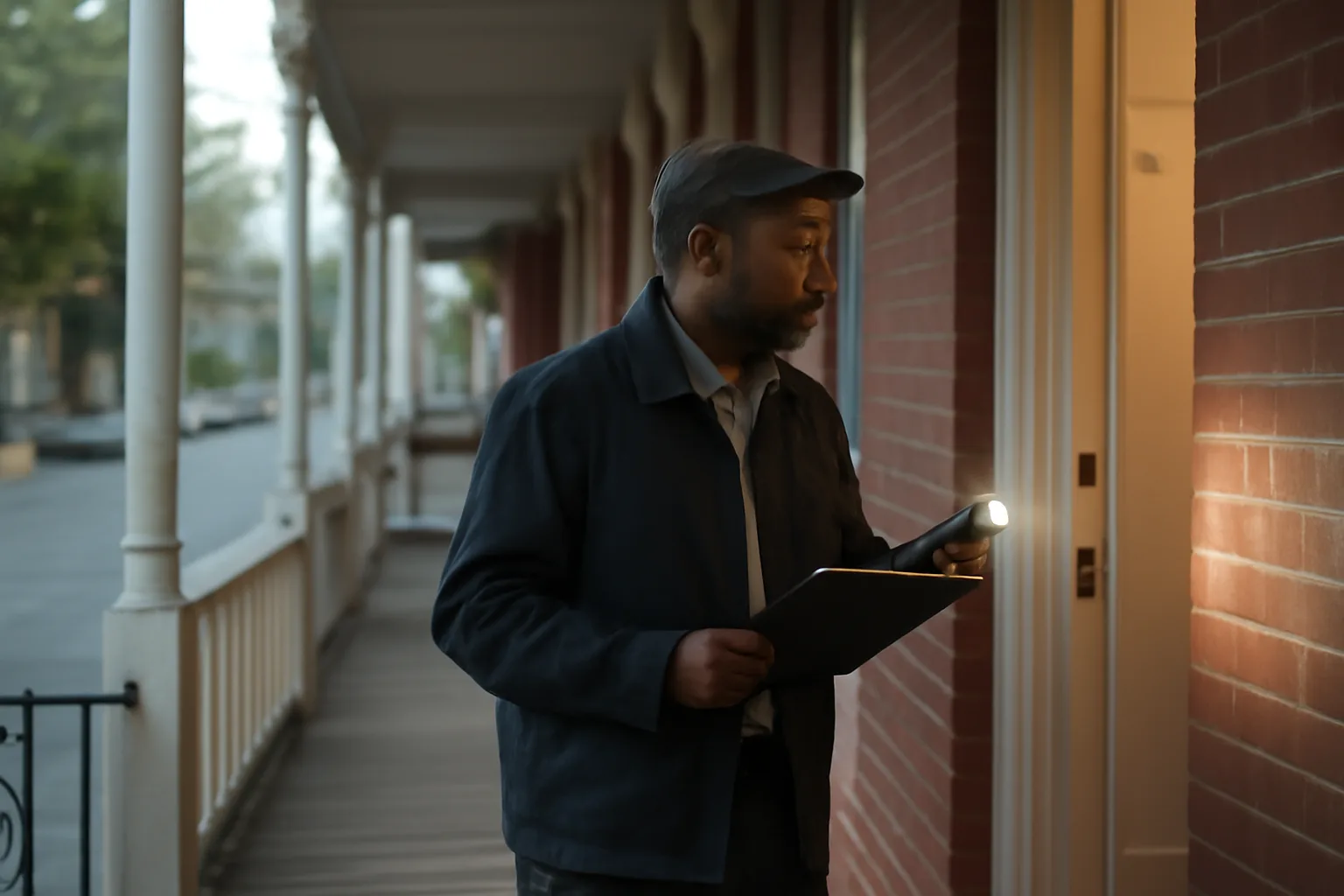
During a rental inspection, whether it's a city licensing inspection or a landlord's own periodic walkthrough, the scope is generally limited to health, safety, and code compliance items, not a tenant's personal belongings or private life. In Pennsylvania cities with rental licensing programs, inspectors typically check: smoke and carbon monoxide detectors, electrical panels and visible wiring issues, plumbing and water heater condition, egress windows in bedrooms, handrails and stair safety, structural issues like ceiling damage or mold, and general compliance with the local property maintenance code (many PA cities adopt some version of the International Property Maintenance Code). What inspectors generally are not there to do: search closets, open drawers, inspect personal property, or evaluate how tidy the tenant keeps the place beyond basic sanitation and safety concerns. A licensing inspection is about the condition of the structure and its systems, not a judgment of the tenant's housekeeping. For a landlord doing their own routine inspection (separate from any city licensing inspection), Pennsylvania law requires reasonable notice before entering an occupied unit for non-emergency purposes, though the exact notice period isn't spelled out as a fixed number of days in the state statute the way notice-to-quit periods are; many leases specify 24 or 48 hours as a matter of practice and fairness, and some local ordinances set their own entry-notice rules. Emergencies (a burst pipe, a gas leak, fire) are the exception where a landlord can enter without advance notice. Curious readers sometimes ask who's responsible for the walkthrough inspection process in other states, like California; that's a different regulatory setup entirely (California's move-in/move-out inspection rights are governed by Civil Code § 1950.5, which is specific to security deposit disputes, not licensing) [4], and it's not the same framework Pennsylvania municipalities use for licensing inspections. Don't assume a rule from one state's tenant-protection statute applies to Pennsylvania's local licensing programs, because the legal basis is completely different.
What can't a landlord do (and how does that compare to states like Ohio)?
Pennsylvania landlords can't do a handful of things regardless of what the lease says. They can't perform a self-help eviction: locking a tenant out, shutting off utilities, or removing a tenant's belongings without a court order is illegal and can expose the landlord to damages. They can't keep a security deposit without providing an itemized list of damages within 30 days of move-out [1]. They can't discriminate based on race, color, religion, sex, national origin, familial status, or disability, all protected under the federal Fair Housing Act, which applies in Pennsylvania as it does everywhere [5]. And in cities with rental licensing, they generally can't file for eviction, or in some cases even collect rent lawfully, without a current rental license on file; Philadelphia's ordinance specifically bars landlords without a valid license from bringing eviction actions in court [2]. People researching this topic often compare states, and Ohio is a common one people ask about. Ohio's landlord-tenant law (Ohio Revised Code Chapter 5321) similarly bars retaliatory eviction, requires landlords to maintain habitable conditions, and prohibits shutting off utilities or changing locks to force a tenant out without court process [6]. The core prohibitions (no illegal lockouts, no retaliation against tenants who report code violations, no discrimination) are broadly similar across Pennsylvania and Ohio because both rest on the same federal Fair Housing Act floor, but the specific statutory citations, notice periods, and deposit rules differ state by state. Never assume an Ohio rule transfers directly to a Pennsylvania lease; check the Pennsylvania statute or your city's specific ordinance instead. One more Pennsylvania-specific prohibition worth flagging: landlords can't charge a security deposit exceeding two months' rent in the first year of a lease term (68 P.S. § 250.511a) [1]. Charging more than that, even if the tenant agrees to it in writing, doesn't hold up if challenged, since the statute sets a hard cap.
Which Pennsylvania cities require rental licenses or registration?
Pennsylvania has no statewide rental licensing law, so whether you need a license depends entirely on where the property sits. Philadelphia requires a Rental License issued by the Department of Licenses and Inspections before a unit can legally be rented, and the license must be renewed annually [2]. Pittsburgh has its own occupancy and registration requirements tied to its Bureau of Building Inspection. Smaller cities including Allentown, Reading, Erie, Scranton, Bethlehem, and Lancaster each run their own rental registration or licensing ordinance, with different fee schedules, inspection cycles, and renewal timelines. Because these programs are set at the municipal level, fee amounts and inspection frequency change from city to city and change over time within the same city. A licensing fee that was accurate two years ago may already be outdated. If you own property in any Pennsylvania city, the only reliable move is to confirm current fees, inspection intervals, and application requirements with your city rental licensing office directly, rather than relying on a number you saw somewhere online. What tends to be consistent across these programs, even though the specifics vary: an initial application and fee, a physical inspection (sometimes before the first tenant moves in, sometimes on a recurring cycle like every 1 to 3 years), a requirement to display or provide proof of the license to tenants, and fines for operating without a valid license that can add up fast if a city catches you mid-lease. If you're staring down a first inspection or renewal deadline and don't know where to start, a structured prep packet like our $79 City Rental License & Inspection Prep Packet walks through the common inspection checklist items (smoke detectors, egress, electrical) so you're not guessing what the inspector will actually check. It won't guarantee you pass, since every city's checklist and every inspector's judgment call differs, but it takes the guesswork out of preparing.
What happens if a Pennsylvania landlord ignores a licensing notice or inspection deadline?
Ignoring a rental licensing notice or missed inspection deadline in a Pennsylvania city almost always gets more expensive the longer it sits. Most municipal ordinances treat operating without a valid rental license as a code violation subject to escalating fines, and some cities add a compounding daily penalty for continued noncompliance after a citation is issued. Beyond fines, an expired or missing rental license can block a landlord from more than just renting the unit legally. Philadelphia's ordinance, for example, prevents landlords without a current license from filing eviction actions in court, meaning a landlord who's behind on renewal can find themselves unable to remove a nonpaying tenant until the license issue is resolved [2]. That's a rough position to be in if rent has stopped coming in and the fastest fix (getting current on the license and passing inspection) takes weeks. The practical fix is almost always the same regardless of city: don't wait for a second notice. Contact your city's rental licensing office as soon as you get the first notice, ask exactly what's needed to cure the violation (updated application, back fees, scheduling an inspection), and get it on the calendar. Cities vary widely in how forgiving they are about late renewals versus how quickly they escalate to formal citations, so the notice itself is the best source of truth for your specific deadline and cure period.
Frequently asked questions
How to become a landlord in Pennsylvania?
There's no state license required. You need proper landlord insurance, a compliant lease under the Landlord and Tenant Act of 1951, and, if your property is in a city like Philadelphia or Pittsburgh, a local rental license before you can legally rent the unit. Confirm requirements with your city's licensing office.
Who is responsible for a rental property walkthrough inspection in California?
In California, move-in and move-out inspection rights are set by Civil Code § 1950.5, which lets tenants request an initial inspection before move-out so they can fix issues before the landlord assesses deposit deductions. The landlord conducts the inspection but must give the tenant notice and an itemized list of needed repairs if requested. This is a different framework than Pennsylvania city licensing inspections.
What is landlording?
Landlording is the everyday term for the work of operating rental property: collecting rent, screening tenants, handling repairs, managing turnover, and keeping up with local licensing or inspection requirements. It's not a formal legal term, but it captures the operational side of being a landlord beyond just owning the property.
What is a landlord?
A landlord is the owner or authorized agent who leases real property to a tenant in exchange for rent. In Pennsylvania, the landlord is the party named as lessor under the Landlord and Tenant Act of 1951, whether that's an individual, an LLC, or a property management company acting on the owner's behalf.
What rights do tenants have without a lease?
Tenants without a written lease in Pennsylvania are treated as month-to-month tenants and keep the same core rights: habitability, protection from illegal lockouts, and required notice before eviction (15 days for tenancies of a year or less, 30 days for longer, under 68 P.S. § 250.501). No lease doesn't mean no protections.
How do you be a good landlord day to day?
Respond to maintenance requests promptly (habitability obligations under Pennsylvania case law require it), keep up with local licensing renewals and inspection cycles, follow proper notice periods for entry and lease termination, and document everything in writing. Most landlord-tenant disputes come from skipped communication, not malice.
Why do landlords require renters insurance?
It shifts liability for the tenant's personal property and tenant-caused damage (like an accidental fire) away from the landlord's own policy. A landlord's building insurance typically doesn't cover a tenant's belongings or the tenant's personal liability, so requiring renters insurance closes that coverage gap and reduces the landlord's financial exposure.
How much notice does a landlord have to give in Pennsylvania?
Under 68 P.S. § 250.501, Pennsylvania landlords must give 15 days' notice to quit for tenancies of one year or less, and 30 days' notice for tenancies longer than one year, before starting eviction proceedings. Local ordinances in licensing cities can add procedural steps but can't shorten these statutory notice periods.
What can a landlord look at during an inspection?
A licensing inspection generally covers safety and code items: smoke and carbon monoxide detectors, electrical panels, plumbing, egress windows, stair and handrail safety, and structural condition. Inspectors typically aren't there to examine personal belongings or judge cleanliness beyond basic sanitation and code compliance.
What can't a landlord do in Ohio?
Under Ohio Revised Code Chapter 5321, landlords can't perform self-help evictions, can't shut off utilities to force a tenant out, can't retaliate against tenants who report code violations, and must maintain habitable conditions. These core prohibitions parallel Pennsylvania's rules but come from a separate state statute with its own specific provisions.
Does Pennsylvania have a statewide rental license requirement?
No. Pennsylvania has no statewide rental licensing law. Licensing, registration, and inspection requirements exist only at the city or municipal level, in places like Philadelphia and Pittsburgh, and each program sets its own fees, renewal cycle, and inspection checklist. Always confirm details with your specific city's rental licensing office.
Can a Pennsylvania landlord keep the full security deposit for any reason?
No. A landlord can only deduct amounts for unpaid rent or actual damage beyond normal wear and tear, and must send an itemized list of deductions within 30 days of move-out under 68 P.S. § 250.512. Failing to provide that itemized list within 30 days can forfeit the landlord's right to withhold any part of the deposit.
Is a security deposit interest payment required in Pennsylvania?
Only in specific circumstances. If a landlord holds a security deposit over $100 for two or more years, the tenant is entitled to interest on the amount over $100, minus a 1% administrative fee the landlord may keep, under 68 P.S. § 250.511a. Deposits held less than two years don't trigger this interest requirement.
Sources
- Pennsylvania General Assembly, Landlord and Tenant Act of 1951: Security deposit caps, deposit return timeline, interest requirements, and notice-to-quit periods under 68 P.S. Chapter 2
- City of Philadelphia Code, Chapter 9-3900, Rental Licenses: Philadelphia requires an annual Rental License before a unit can legally be rented, and bars unlicensed landlords from filing eviction actions
- Pennsylvania Superior Court, Pugh v. Holmes: Pennsylvania recognizes an implied warranty of habitability enforceable against landlords who fail to maintain livable conditions
- California Legislative Information, Civil Code Section 1950.5: California's move-in/move-out inspection rights tied to security deposit disputes are set under Civil Code 1950.5
- U.S. Department of Housing and Urban Development, Fair Housing Act overview: Federal Fair Housing Act prohibits discrimination based on race, color, religion, sex, national origin, familial status, and disability nationwide including Pennsylvania
- Ohio Legislature, Ohio Revised Code Chapter 5321: Ohio landlord-tenant law prohibits self-help evictions, retaliatory eviction, and requires landlords to maintain habitable conditions