Last updated 2026-07-25
TL;DR
A rental condition report is a written (often photo-backed) record of a unit's condition at move-in and move-out. It protects landlords from bogus damage claims and protects tenants from unfair deposit deductions. Most states don't require a specific form, but courts and small-claims judges lean hard on whichever side actually documented condition. Do it every single turnover, no exceptions.
what is a rental condition report and why do you need one
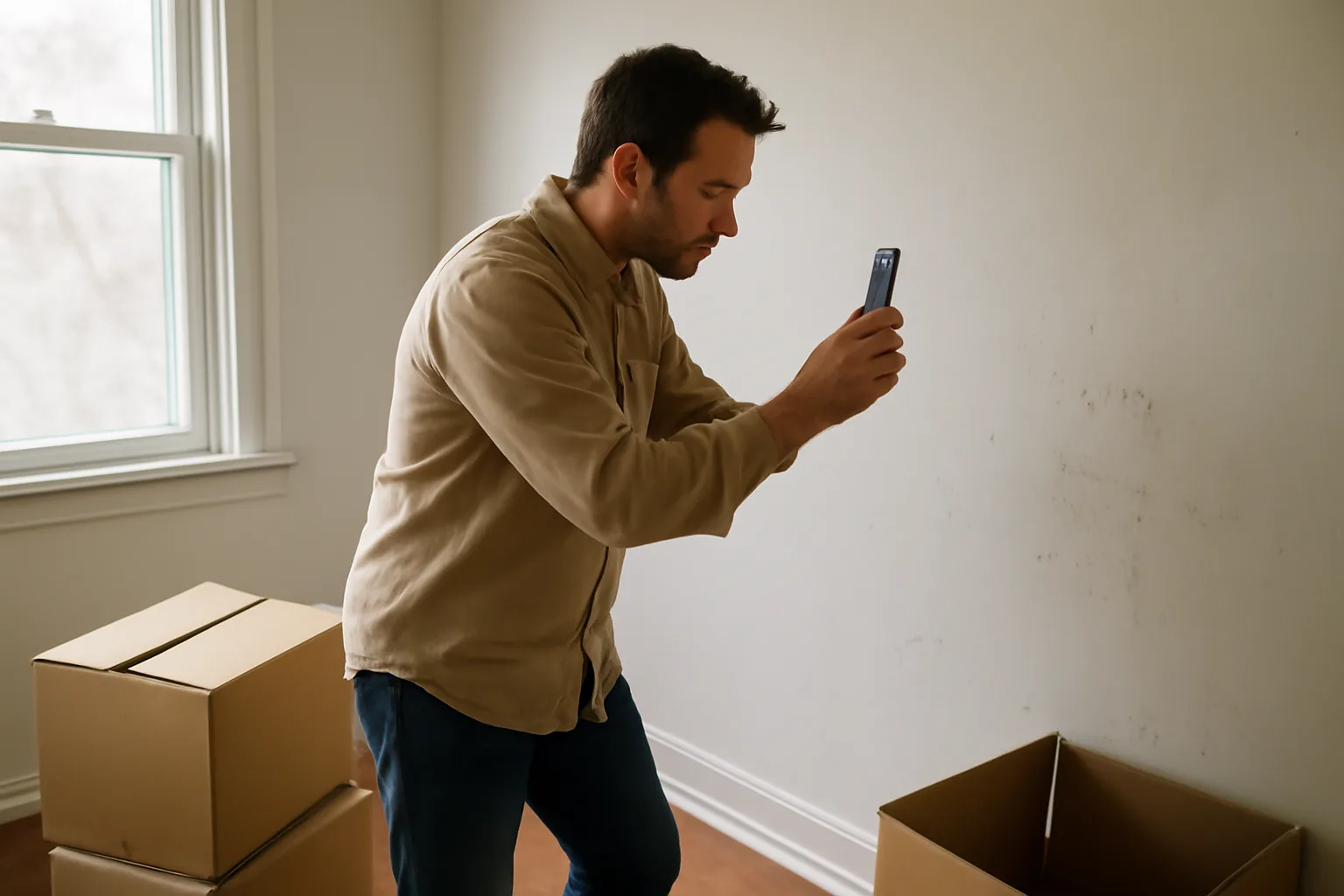
A rental condition report (sometimes called a move-in/move-out checklist or condition inventory) is a dated, room-by-room record of a rental unit's physical state, usually paired with photos or video, signed by both landlord and tenant. It exists for one blunt reason: when a tenant moves out and you want to deduct cleaning or repair costs from the security deposit, you need proof of what the place looked like before they moved in. Without that proof, you're just two people arguing about carpet stains. Most states don't mandate a specific form, but several require landlords to document condition if they want to keep any part of a deposit. California's security deposit statute, for example, requires landlords who withhold funds for repairs to provide an itemized statement with receipts or estimates, and gives tenants the right to request an initial inspection before move-out specifically so they can fix issues themselves [1]. If you never created a move-in report, you have nothing to compare that final inspection against. The practical upshot: a condition report isn't paperwork for paperwork's sake. It's the single piece of evidence that decides who wins a deposit dispute in small claims court. Judges see this constantly, and the side with dated photos almost always wins over the side with a verbal memory.
what should a rental condition report include
| Living room walls | Good, no marks | Fair, one nail hole | Normal wear | |
|---|---|---|---|---|
| Kitchen faucet | Good, no leaks | Damaged, drips | Tenant reported issue month 3 | |
| Bedroom carpet | New | Stained, torn corner | Photos attached | Keep the original report plus all photos for at least as long as your state's document retention period for deposit disputes, which is often tied to the statute of limitations for a written contract claim (commonly 3 to 6 years depending on the state; confirm with your state's civil procedure code). |
A usable report covers every room, more than the obvious stuff. Walls, floors, ceilings, windows and screens, doors and locks, cabinets, countertops, appliances (make sure they run, more than that they exist), plumbing fixtures, smoke and carbon monoxide detectors, light fixtures and switches, and the condition of any furniture if the unit is furnished. For each item, note condition using consistent categories: new, good, fair, damaged, or needs repair. Add a short description ('two-inch scuff on north wall, hallway') rather than just checking a box. Photos and timestamped video back up every entry; take wide shots of each room plus close-ups of any existing damage, scratches, or wear. Both parties should sign and date the report, and the tenant should get a copy. If a tenant refuses to sign, note that on the form and still give them a copy, because refusal to sign doesn't erase the fact that you documented and disclosed the condition. A simple table format works well for the actual checklist: | Room/Item | Move-in condition | Move-out condition | Notes |
who is responsible for a rental property walk-through inspection in california
In California, the landlord is responsible for conducting the move-out inspection and for giving the tenant the chance to participate, but the process is triggered by the tenant's rights, not the landlord's discretion. Under California Civil Code Section 1950.5, a tenant has the right to request an initial (pre-move-out) inspection, and if requested, the landlord must give at least 48 hours' written notice of the date and time and complete it no earlier than two weeks before the tenancy ends [1]. After that initial inspection, the landlord must give the tenant an itemized statement listing anything that needs to be cleaned or repaired to avoid a deduction, so the tenant has a chance to fix it themselves. This is spelled out directly in the statute: the landlord must provide 'an itemized statement specifying repairs or cleaning that are proposed to be the basis of any deductions' [1]. After the tenant actually moves out, the landlord (or the landlord's agent) does the final walk-through and condition documentation, then has 21 calendar days to return the deposit along with an itemized statement of any deductions, per the same code section [1]. Practically, that means the landlord's team, whether that's you personally, a property manager, or a maintenance staffer, does the physical inspection, but the tenant has a legal right to be present or at least be notified in advance.
what can a landlord look at during an inspection
A landlord can inspect what's reasonably related to the condition of the property, safety, and lease compliance: general cleanliness, evidence of damage beyond normal wear, working smoke and CO detectors, HVAC filters, signs of unauthorized pets or occupants, unauthorized alterations, and safety hazards like blocked exits or exposed wiring. Routine inspections are not supposed to be fishing expeditions through personal belongings. Most states require advance notice for a routine inspection, typically 24 to 48 hours, and the visit has to happen at a reasonable time. California's Civil Code Section 1954 sets 24 hours as 'presumed to be reasonable notice in absence of evidence to the contrary' for entry to inspect, and limits entry to reasonable hours [2]. Other states set their own numbers by statute; some require 24 hours, some 48, and a few have no statutory minimum at all, which is exactly why you confirm with your state's landlord-tenant statute or your city rental licensing office before scheduling. What a landlord generally cannot do: open drawers, closets, or containers without cause; search for or seize a tenant's property; use a routine inspection as cover to harass or retaliate against a tenant who filed a complaint; or enter without notice except in a genuine emergency like a fire, flood, or gas leak. Retaliatory entry after a tenant reports a code violation is its own legal problem in many states, separate from the entry-notice rules.
how much notice does a landlord have to give before entering
Notice requirements vary by state, and there is no single national number, so treat any blanket claim of 'the law says X hours everywhere' with suspicion. California presumes 24 hours' notice is reasonable for non-emergency entry, under Civil Code Section 1954 [2]. Many other states use a similar 24-to-48-hour window in their own landlord-tenant statutes, but the exact hours, allowed methods of delivering notice (written, posted, verbal), and exceptions differ enough that you should check your specific state code or your city rental licensing office before you assume a number. Emergencies are the universal exception: if there's an active fire, flooding, gas leak, or another situation threatening life or property, landlords can enter without advance notice in essentially every state's framework, including California's [2]. For rental license and inspection programs specifically (as opposed to routine landlord entry), cities that require licensing inspections often set their own notice periods for the inspector's visit, separate from the landlord's own entry rules under state law. A city inspection notice might be 7, 14, or 30 days depending on the program; again, confirm the specific number with your city rental licensing office, since this is set locally and changes.
what is landlording and what does it actually involve day to day
Landlording is the ongoing work of owning and operating rental property: screening and selecting tenants, drafting and enforcing leases, collecting rent, handling maintenance and repairs, managing move-in and move-out condition reports, staying current on local rental licensing and inspection requirements, and dealing with the occasional dispute or eviction process. It's part business operation, part customer service, part light legal compliance work. For a landlord with 1 to 10 units, landlording usually isn't a full-time job, but it isn't passive either. Between tenant turnover paperwork, city rental registration renewals, annual or biennial inspection scheduling, and routine maintenance calls, a small landlord easily spends several hours a month per unit even when nothing's going wrong. When something does go wrong, whether that's a burst pipe or a failed inspection, the time cost spikes fast. The skill that separates smooth landlording from constant headaches isn't charisma, it's documentation. Landlords who keep dated photos, signed condition reports, maintenance logs, and inspection records rarely lose disputes. Landlords who keep everything in their head or in a shoebox of receipts lose disputes they should have won.
what is a landlord, exactly
A landlord is the owner or authorized agent of real property who leases that property to another person (the tenant) in exchange for rent, under a lease or rental agreement. The relationship is defined by state landlord-tenant law, which sets baseline rights and duties on both sides regardless of what the lease says, things like the implied warranty of habitability, notice periods for entry, and rules for handling security deposits. Being a landlord means you're both a property owner and a party to a contract with legal obligations attached, more than someone who happens to own a house someone else lives in. That distinction matters because a landlord can be held to specific statutory duties (habitability, deposit handling, notice requirements) that don't apply to a homeowner living in their own house. In cities with mandatory rental licensing, being a landlord also means being a regulated party: you may need to register the property, pay a licensing fee, and pass a periodic inspection before you're legally allowed to rent the unit out at all. If you're new to this, the landlord basics guide is a good place to see how registration and licensing typically fit together city by city.
how to become a landlord and how to be a landlord (the real steps)
Becoming a landlord starts before you ever list a unit. First, confirm the property is legally allowed to be rented: check zoning, HOA rules if applicable, and whether your city requires a rental registration or license before occupancy. Many cities with mandatory rental licensing programs require the license to be active before you sign a lease, not after, so check this first, not last. Second, get the unit inspection-ready if your city has a licensing inspection program: working smoke and CO detectors, no obvious code violations, functioning egress windows, safe electrical and plumbing. Cities vary wildly on what they check, so confirm the specific checklist with your city rental licensing office rather than assuming it matches a neighboring city's rules. Third, set up your paperwork system before you have a tenant: a lease that complies with your state's landlord-tenant law, a move-in condition report template, a way to document maintenance requests and repairs, and a plan for how you'll handle the security deposit (many states cap the amount and set strict return deadlines, often 14 to 30 days after move-out, though the exact number is state-specific). Fourth, screen tenants consistently and legally: run the same criteria for every applicant to avoid fair housing problems, and follow the Fair Housing Act's protected classes (race, color, national origin, religion, sex, familial status, and disability) as the federal floor, on top of whatever additional protected classes your state or city adds [3]. Fifth, once a tenant moves in, do the condition report walk-through together, collect the signed copy, and start your file. This is also the point where a lot of first-time landlords in licensing cities get caught off guard by renewal deadlines; if your city sends an annual or biennial renewal notice for the rental license, put it on a calendar the day you get it, because missed renewals often trigger the same fines as never registering at all.
why do landlords require renters insurance
Landlords require renters insurance mainly to shift liability and loss risk off themselves. A standard landlord policy covers the building structure, not the tenant's personal belongings, and typically doesn't cover a tenant's liability if the tenant accidentally causes damage (a kitchen fire, an overflowing tub that damages units below). Renters insurance covers the tenant's own possessions and adds tenant liability coverage, so if the tenant's negligence causes a loss, their policy pays instead of the landlord's policy or the landlord's pocket. There's also a practical claims-history reason: after a fire or water damage event, insurers and courts sort out who's responsible for what, and having the tenant carry their own liability coverage means the landlord's policy and premiums aren't the only thing absorbing the hit. Requiring it in the lease is legal in nearly every state, as long as it's applied consistently to all tenants and doesn't function as a way to discriminate against a protected class. Cost-wise, renters insurance is cheap relative to the protection it buys; national average premiums have generally run somewhere in the range of $15 to $30 a month depending on coverage limits and location, though you should treat any specific national average as a rough industry estimate rather than a fixed number, since it shifts year to year with insurance market conditions.
what rights do tenants have without a lease
A tenant without a written lease still has legal rights, they're just governed by state landlord-tenant statutes and, often, the terms implied by a month-to-month or oral tenancy rather than by specific written clauses. Every state recognizes some form of tenancy at will or periodic tenancy when rent is paid and accepted regularly without a written agreement, and that tenant still gets the state's baseline protections: the implied warranty of habitability, protection from illegal lockouts or utility shutoffs, the right to proper notice before eviction, and the right to have a security deposit (if one was paid) handled under the state's deposit statute. Without a written lease, the terms of the tenancy (rent amount, due date, what's included) are usually whatever both parties can show was actually agreed to and practiced, which is why a verbal-only arrangement is much harder to enforce for either side when a dispute happens. A landlord still has to follow the state's required notice period to end a month-to-month tenancy, commonly 30 days in many states, though some states use 60 days for longer tenancies or set their own specific number. The absence of a lease doesn't give the landlord more power to enter without notice, skip habitability duties, or withhold the deposit without documentation. Those protections come from state statute, not the paper lease itself. If you're a landlord operating without written leases, that's a risk on your side too: you have less to point to if a tenant disputes rent amount or move-out condition, which circles right back to why a signed condition report matters even in a no-lease situation. See also the tenant rights overview and tenants rights breakdown for state-by-state variation.
what a landlord cannot do in ohio
Ohio landlord-tenant law, primarily Ohio Revised Code Chapter 5321, sets specific limits on landlord conduct. A landlord cannot shut off utilities, change the locks, or remove a tenant's belongings to force them out; Ohio law requires landlords to use the court eviction process (forcible entry and detainer action) rather than self-help eviction [4]. A landlord also cannot retaliate against a tenant for making a good-faith complaint to a housing authority or for asserting rights under the chapter; Ohio Revised Code Section 5321.02 specifically prohibits retaliatory conduct including raising rent, decreasing services, or threatening eviction because a tenant complained [5]. Ohio law also requires landlords to maintain the property in a fit and habitable condition, per Section 5321.04, which lists duties including compliance with building and housing codes, keeping common areas safe, maintaining plumbing and electrical systems, and providing running water and reasonable heat [6]. A landlord who fails these duties isn't automatically shielded just because there's no written lease or because the tenant is month-to-month. On deposits, Ohio Revised Code Section 5321.16 requires landlords holding more than $50 or one month's rent (whichever is greater) in deposit to pay interest on amounts over that threshold if the tenancy runs a year or longer, and requires an itemized list of deductions be returned to the tenant within 30 days of termination of the rental agreement along with any remaining deposit [7]. Miss that deadline or skip the itemization, and Ohio law lets the tenant recover damages, including in some cases the amount wrongfully withheld plus attorney's fees.
how condition reports fit into city rental licensing and inspection programs
In cities that require mandatory rental licensing, the condition report you do for your own deposit protection is a different document from the city's inspection checklist, but the two overlap a lot in practice. A city inspector is typically checking for code compliance: working smoke and CO detectors, safe egress, no exposed wiring, functioning plumbing, adequate heat. Your own move-in/move-out condition report is checking for the same physical items plus cosmetic condition (carpet stains, wall marks, appliance wear) that the city doesn't care about but your security deposit accounting does. Doing your own thorough condition walk-through before a city inspection is smart, not redundant, because you'll often catch the same safety issues the inspector would flag, and you'll catch them before there's a fine attached. Missing smoke detectors, dead batteries, or a cracked stair rail show up on both your condition report and the city's checklist; fixing them proactively means one less item on an inspection notice. If you manage even a couple of units across a city with an annual or biennial inspection cycle, keeping condition reports and maintenance logs organized by property and by date saves real time when a renewal notice or inspection letter shows up. A lot of small landlords lose hours reconstructing what was fixed and when, right when they're under a fine deadline. That's the exact gap the $79 one-time City Rental License & Inspection Prep Packet is built to close: a structured way to organize condition documentation and inspection prep so you're not starting from a blank page every renewal cycle.
Frequently asked questions
Do I legally have to fill out a rental condition report?
Not everywhere, but several states functionally require it if you want to withhold any part of a security deposit. California, for example, requires landlords to give an itemized statement of proposed deductions and lets tenants request a pre-move-out inspection under Civil Code Section 1950.5. Without documented condition, you can't prove damage happened during the tenancy, which usually means you lose the deduction in a dispute.
Can a tenant refuse to sign the move-in condition report?
Yes, a tenant can refuse to sign, but that doesn't erase the report. Note the refusal and date on the document, give the tenant a copy anyway, and keep your own timestamped photos as backup. A signed report is stronger evidence, but a well-documented unsigned report with photos still holds up far better than nothing at all.
How long should I keep rental condition reports and photos?
Keep them at least as long as your state's statute of limitations for written contract disputes, often 3 to 6 years depending on the state, since deposit disputes are frequently pursued as contract claims. Check your specific state's civil procedure code for the exact number, and when in doubt, keep records longer rather than shorter.
Who is responsible for a rental property walk-through inspection in California?
The landlord conducts the walk-through inspection, but California Civil Code Section 1950.5 gives tenants the right to request an initial pre-move-out inspection with at least 48 hours' written notice from the landlord. After move-out, the landlord has 21 days to return the deposit with an itemized statement of any deductions.
What can a landlord look at during a routine inspection?
A landlord can check general condition, safety items like smoke and CO detectors, signs of damage beyond normal wear, unauthorized alterations, and lease compliance issues like unapproved pets or occupants. A landlord generally cannot search drawers, closets, or personal belongings without specific cause, and can't use a routine inspection as cover for harassment or retaliation.
How much notice does a landlord have to give before entering a rental unit?
It varies by state; there's no single nationwide number. California presumes 24 hours' notice is reasonable under Civil Code Section 1954. Many states use a similar 24-to-48-hour window in their own statutes, but exact hours and required notice methods differ, so confirm the number for your specific state or ask your city rental licensing office.
What is landlording?
Landlording is the day-to-day work of owning and operating rental property: screening tenants, managing leases, collecting rent, handling maintenance, documenting condition at move-in and move-out, and staying compliant with local rental licensing and inspection requirements. For 1 to 10 unit landlords, it's usually part-time work with occasional intense bursts around turnovers or inspections.
What is a landlord, legally speaking?
A landlord is the owner or authorized agent of property who leases it to a tenant for rent under a lease or rental agreement, subject to state landlord-tenant law. That status brings specific legal duties, like habitability requirements and deposit handling rules, that don't apply to someone who simply owns a house they live in themselves.
How do I become a landlord for the first time?
Confirm the property can legally be rented (zoning, HOA rules, and any city rental license requirement), get the unit inspection-ready if your city requires one, set up a compliant lease and a move-in condition report template, screen tenants consistently under Fair Housing Act rules, and calendar any city license renewal deadlines from day one.
Why do landlords require renters insurance?
Renters insurance covers the tenant's belongings and adds tenant liability coverage, so if the tenant causes damage (a stovetop fire, an overflowing tub), their policy pays instead of the landlord absorbing the loss. It's legal to require in nearly every state as long as it's applied to all tenants consistently.
What rights does a tenant have without a signed lease?
A tenant without a written lease is usually covered under state law as a periodic or month-to-month tenant, and still keeps baseline rights: the implied warranty of habitability, protection from illegal lockouts, required notice before eviction, and deposit protections if a deposit was paid. These rights come from state statute, not from a written lease.
What can't a landlord do in Ohio?
Under Ohio Revised Code Chapter 5321, a landlord cannot shut off utilities or change locks to force a tenant out, cannot retaliate against a tenant for a good-faith complaint (Section 5321.02), and must maintain the unit in fit and habitable condition (Section 5321.04). Deposit itemization is required within 30 days of lease termination under Section 5321.16.
Is a rental condition report the same as a city rental inspection?
No. A condition report is your own documentation of a unit's physical and cosmetic state for deposit and dispute purposes. A city rental inspection, required in many licensing cities, checks specifically for code compliance like smoke detectors, safe wiring, and habitability standards. They overlap on safety items but serve different purposes.
What happens if I never did a move-in condition report and now there's a deposit dispute?
You're at a real disadvantage. Without a baseline record, you can't prove pre-existing damage versus tenant-caused damage, and many small claims judges will side with the tenant by default in that situation. Going forward, start doing a signed, photo-backed report at every turnover, no exceptions.
Sources
- California Legislative Information, Civil Code Section 1950.5: California security deposit and pre-move-out inspection requirements, including 21-day return deadline and itemized statement requirement
- California Legislative Information, Civil Code Section 1954: 24 hours presumed reasonable notice for landlord entry to inspect, and reasonable hours requirement
- U.S. Department of Housing and Urban Development, Fair Housing Act overview: Federal protected classes under the Fair Housing Act that apply to tenant screening
- Ohio Revised Code Section 5321.02: Ohio prohibits landlord retaliation against tenants for good-faith complaints
- Ohio Revised Code Section 5321.04: Ohio landlord duties to maintain fit and habitable premises
- Ohio Revised Code Section 5321.16: Ohio security deposit itemization and 30-day return requirement, and interest requirement over threshold
- Ohio Revised Code Chapter 5321: Ohio prohibits self-help eviction methods like utility shutoff or lockout