Last updated 2026-07-23
TL;DR
Every residential rental unit in Philadelphia needs a rental license from the Department of Licenses and Inspections before you can legally rent it out, renewed annually. You'll also need a Certificate of Rental Suitability for each tenant and lead certification if the building went up before 1978. Renting without a license can block you from evicting for nonpayment. Confirm current fees with L&I.
What is a Philadelphia rental license and who needs one?
A Philadelphia rental license is the city's basic permission slip to rent out residential property. If you lease any unit to anyone who isn't your immediate family, you need one, whether it's a single room in your own house, a basement apartment, or a whole apartment building. The requirement comes from Philadelphia Code Chapter 9-3901, the section that governs "Licensing of Rental Units" [1]. The license attaches to the unit, not to you personally, and not to the building as a whole. A triplex with three separate rented units generally needs three separate rental licenses, one per unit, not one blanket license for the property [2] [1]. There's a common exemption for the unit you actually live in. If you own a duplex and live in one side while renting the other, the side you occupy typically doesn't need its own license, but the rented side does. Owner-occupied situations get complicated fast (accessory units, informal roommate arrangements, short-term rentals), so if your setup is anything but a straightforward single unit rented to a stranger, call L&I and ask before you assume you're exempt. This isn't a program limited to big landlords or property management companies. A retiree renting out a rowhome she inherited from her parents needs the same license as a company managing forty units across South Philly.
How do you get a rental license in Philadelphia?
Getting licensed in Philadelphia is mostly a paperwork and account-setup process, not an inspection you have to pass on day one. Start by making sure you have a business tax account with the Department of Revenue. Since 2019, the city has generally required landlords to register through the Philadelphia Tax Center and hold a Commercial Activity License (CAL) before L&I will issue a rental license [3]. From there, the practical steps look roughly like this: 1. Register for a Philadelphia Tax Center account and obtain a Commercial Activity License if you don't already have one [3]. 2. Confirm your real estate tax account is current. An outstanding tax delinquency can hold up license issuance. 3. Apply for the rental license itself through the city's online licensing and permitting portal. 4. Provide any required certifications up front, most commonly lead certification for pre-1978 buildings. 5. Pay the license fee and receive your license, then set a calendar reminder for renewal. Multifamily buildings and buildings that require a fire safety certification add extra layers (smoke detector documentation, sometimes a physical inspection tied to that certification, not the rental license itself). If you're juggling several of these documents at once, that's the exact mess our City Rental License & Inspection Prep Packet ($79, one time) is built to organize: a checklist mapped to what Philadelphia actually asks for, so you're not guessing which certification goes with which application.
What does a Philadelphia rental license cost, and how often do you renew it?
Philadelphia's rental license is an annual license, meaning it expires and needs renewal every year, not a one-and-done registration [2]. Miss the renewal window and you risk lapsing into unlicensed status, with all the headaches that brings in eviction court (more on that below). The exact dollar fee is set by city regulation and gets adjusted periodically, so quoting a specific number here would go stale fast. Confirm the current rental license fee with the Department of Licenses and Inspections before you budget for it, and expect a separate, smaller fee for each additional rented unit if you own a multi-unit property. One thing that trips people up: the fee is per unit, and it's separate from any Commercial Activity License tax obligations, separate from your real estate tax bill, and separate from any lead certification cost. Landlords who only budget for "the license fee" often get surprised by the total bill once lead testing, the CAL, and per-unit charges stack up.
What is the Certificate of Rental Suitability, and do you need one?
The Certificate of Rental Suitability (often shortened to CRS or COS) is a separate document from the rental license itself, and Philadelphia requires landlords to give one to every tenant before they sign a new lease or renew an existing one [2]. It confirms the unit's rental license is active and discloses whether there are open fire, utility, or hazard violations on file with L&I. You generate it through the city, and it's free. It is not a one-time document, you need a current one for each tenancy, which usually means pulling a fresh certificate close to lease signing rather than reusing one from months earlier. Skipping this step is a common, avoidable mistake. Landlords sometimes assume that having an active rental license covers this requirement automatically. It doesn't. The rental license and the Certificate of Rental Suitability are two different pieces of paper serving two different legal purposes, and tenants (or their attorneys) know to ask for both.
Does Philadelphia require lead paint certification for rental units?
Yes, if your building went up before 1978. Philadelphia's lead disclosure and certification law requires owners of pre-1978 rental units to certify the property as either "lead safe" or "lead free" before renting it out. This isn't limited to units where children live; the current version of the law applies broadly to pre-1978 rental housing citywide. A lead-free certification, which means a certified inspector found no lead-based paint at all, is generally a one-time certification once issued. A lead-safe certification, which means lead paint may be present but is being managed safely (intact, not deteriorating, no accessible dust hazards), typically needs to be renewed periodically, commonly framed as every two years, though you should confirm the current renewal cycle with the city's lead program since these rules get updated. Built after 1978? You're outside this particular requirement, but you're not automatically off the hook for every safety certification Philadelphia asks for. Fire safety certifications for larger buildings are a separate track entirely.
What happens if you rent without a license in Philadelphia?
The consequences go beyond a fine. Philadelphia's ordinance ties licensing directly to your ability to enforce a lease in court. In practice, a landlord who rents out an unlicensed unit can face serious trouble collecting rent or winning an eviction case for nonpayment, because Pennsylvania courts and Philadelphia's own code have treated an unlicensed rental as a defense a tenant can raise [1] [1]. On top of that, L&I can cite you directly for operating without a required license, and those code violations can carry fines running into the hundreds of dollars per violation, with amounts and escalation set by the city's current enforcement schedule. Don't estimate this number yourself; confirm the current fine schedule with L&I, since violation amounts get revised. The fix, if you've lapsed, is usually straightforward but not instant: get current on the CAL and real estate taxes, apply for (or renew) the rental license, handle any required lead or fire safety certification, and keep records of every step. Courts and tenants alike tend to look at whether you moved to fix it promptly once you learned about the gap.
What happens during a Philadelphia rental inspection, and what can a landlord look at?
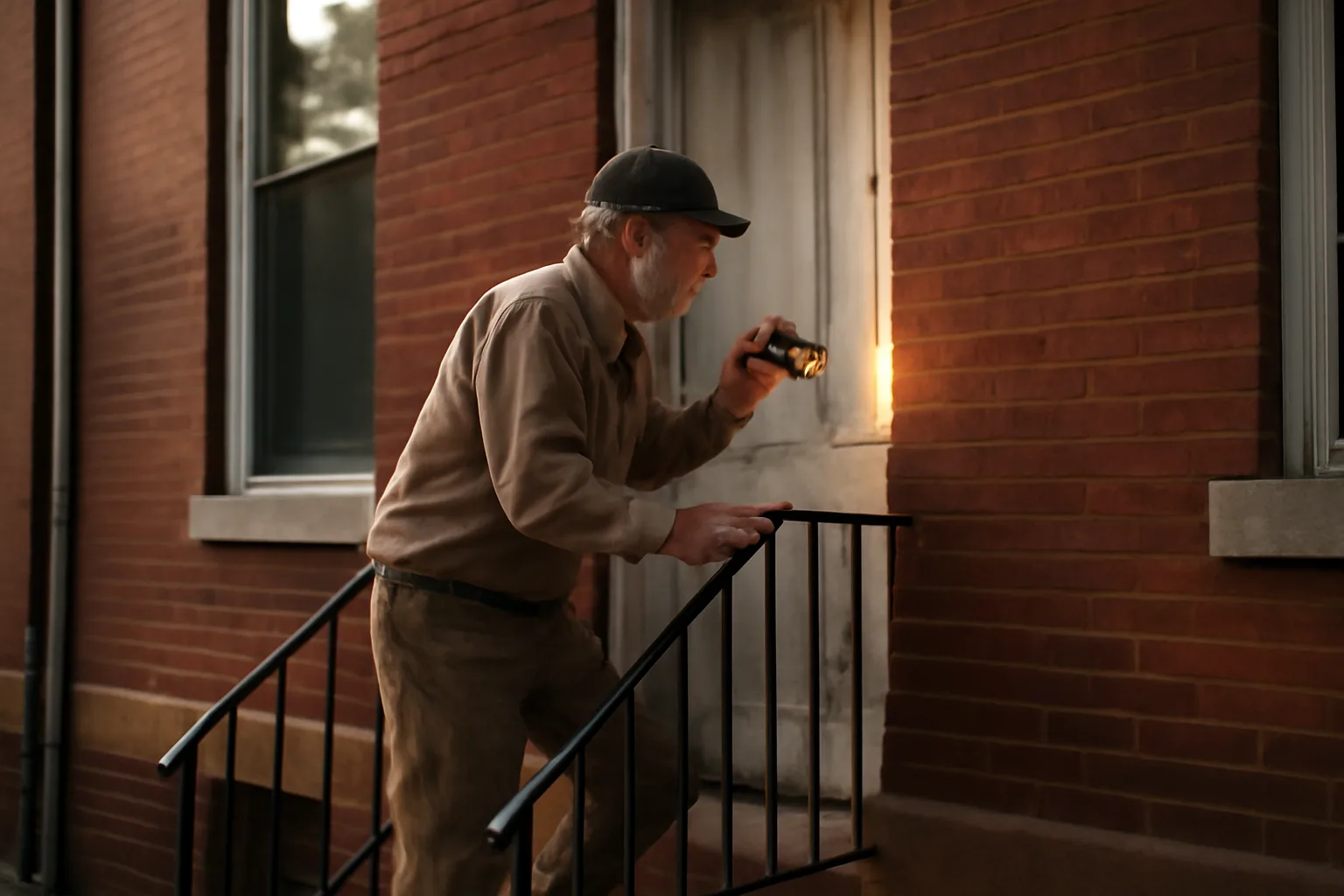
Philadelphia's rental license itself doesn't come with a routine, mandatory walk-through of every unit before it's issued. That surprises landlords who've heard about cities with strict pre-rental inspection programs. L&I does inspect on complaint, and buildings that need a fire safety certification (generally larger multi-unit properties) do face inspection requirements tied to that certification, separate from the basic rental license. When an inspection does happen, whether it's an L&I inspector or you doing a routine unit check as the landlord, the scope is generally about safety and lease compliance, not a search of someone's belongings. Typical things a landlord or inspector can look at: working smoke and carbon monoxide detectors, clear exits, signs of structural damage or pest infestation, evidence of unauthorized occupants or pets outside the lease terms, and obvious maintenance issues affecting habitability. What a landlord generally should not do is dig through drawers, closets, or personal papers beyond what's needed to confirm the condition of the unit itself. This question comes up a lot outside Philadelphia too, especially around move-out. In California, state law puts the responsibility for the walk-through inspection squarely on the landlord: California Civil Code Section 1950.5 gives tenants the right to request an initial inspection before the final move-out inspection, and requires the landlord to give the tenant reasonable opportunity to be present for it. If you manage property in more than one state, don't assume Philadelphia's rules (or lack of a mandatory walk-through) carry over.
How do you become a landlord in Philadelphia?
"Landlording" is just the ongoing work of owning residential property and renting it to tenants for income: collecting rent, handling repairs, following the law on deposits and notices, and dealing with turnover. A landlord, in plain terms, is the person or entity that owns the property and holds the lease with the tenant, as opposed to a property manager who runs day-to-day operations on the owner's behalf but doesn't hold title. Becoming one in Philadelphia, in practical order, looks like this: buy or already own the property, confirm zoning allows the rental use you're planning, register for the Commercial Activity License and rental license [2] [3], set up landlord insurance (more than a homeowner's policy), understand Pennsylvania's Landlord and Tenant Act for security deposits, notices, and habitability duties [1], screen tenants consistently and in line with fair housing law, and get any required lead or fire safety certification sorted before you sign a lease. A lot of new landlords skip the paperwork step first and jump straight to listing the unit. That's backwards in Philadelphia specifically, since the city can hold your ability to enforce the lease hostage to whether you were licensed when the tenancy started [1]. If you want a broader look at what the role actually involves day to day, our landlord basics guide and our notes on managing multiple landlord obligations cover the parts that apply regardless of city.
What rights do tenants have without a lease?
A tenant without a signed written lease still has real rights, they're just governed by the rules for a tenancy at will or month-to-month tenancy rather than lease terms. In Pennsylvania, notice to end a tenancy without a written lease generally follows the Landlord and Tenant Act of 1951: 15 days notice if the tenancy has run less than one year, and 30 days if it's run a year or longer [1]. Beyond notice, habitability duties don't disappear just because there's no paper lease. A landlord still has to keep the unit safe and functional, still can't discriminate under fair housing law, and still has to follow state rules on how a security deposit is handled if one was collected. What does disappear without a lease is certainty: rent amount, who's responsible for which repairs, and pet or guest policies can all become he-said-she-said disputes without something in writing. If you're renting to someone informally, verbally, or on a handshake, get it in writing anyway, even a short one-page agreement. It protects both sides and removes a lot of the ambiguity that no-lease tenancies create. For more on what tenants can and can't expect, see our tenant rights overview.
Why do landlords require renters insurance?
Landlords ask for renters insurance mostly to manage liability, not to protect the tenant's stuff, though it does that too. A landlord's own property insurance covers the building itself; it generally doesn't cover a tenant's furniture, electronics, or clothing, and it usually doesn't cover a tenant's liability if a guest gets hurt in the unit or the tenant accidentally causes damage (a kitchen fire, an overflowing tub). Renters insurance is genuinely cheap. Industry data from the Insurance Information Institute puts typical renters insurance costs in the range of roughly $15 to $20 a month for a standard policy, depending on coverage limits and location. Requiring it as a lease condition shifts a lot of risk off the landlord's own policy and reduces the odds of a costly subrogation claim landing on the landlord's insurer after a tenant-caused loss. Many landlords require proof of an active policy at move-in and at each renewal, and some require the landlord be listed as an "interested party" so they get notified if the policy lapses. It's a small ask that closes a real gap. For a broader look at what tenants gain and give up in this arrangement, see our renters rights guide.
How much notice does a landlord have to give?
It depends heavily on what kind of notice you're talking about (entry into the unit versus ending the tenancy) and which state you're in. There's no single national number. For entry notice, California sets a specific bar: Civil Code Section 1954 presumes 24 hours notice is reasonable before a landlord enters a rented unit for repairs or inspection. Ohio's landlord-tenant law, Ohio Revised Code Chapter 5321, titled simply "Landlords and Tenants", also requires reasonable notice before entry, though the statute doesn't pin an exact hour count the way California's does, which is why many Ohio leases spell out 24 or 48 hours by agreement rather than relying on the statute alone. Pennsylvania's Landlord and Tenant Act doesn't set a fixed entry-notice number either, so most Philadelphia leases build in a specific window (commonly 24 to 48 hours) as a contract term. For ending a tenancy without cause in Pennsylvania, the same 15-day (under one year) and 30-day (one year or more) framework applies as it does for no-lease tenancies [1]. Always check your specific lease language too, since many leases set a longer notice period than the statutory minimum, and the longer period controls.
Frequently asked questions
How to become a landlord in Philadelphia specifically?
Register for a Commercial Activity License and Philadelphia Tax Center account, confirm your real estate taxes are current, apply for a rental license per unit through L&I, handle lead certification if the building predates 1978, and get landlord insurance before you sign a lease. Confirm the current application process and fees with the Department of Licenses and Inspections, since city procedures shift periodically.
Who is responsible for a rental property walk-through inspection in California?
The landlord is. California Civil Code Section 1950.5 gives tenants the right to request an initial walk-through inspection before move-out, and the landlord is required to give the tenant a reasonable opportunity to be present for it, then provide an itemized statement if deductions are later made from the deposit.
What is landlording?
Landlording is the ongoing work of owning residential rental property and managing the relationship with tenants: collecting rent, handling repairs and habitability duties, following state and local notice rules, screening applicants, and dealing with turnover between tenancies. It's a business function, more than property ownership.
What is a landlord?
A landlord is the person or legal entity that owns rental property and holds the lease agreement with a tenant in exchange for rent. This is distinct from a property manager, who may handle day-to-day operations but doesn't own the property or hold the lease themselves.
What rights do tenants have without a lease?
Tenants without a written lease still have rights under state law as a tenancy at will or month-to-month tenant. In Pennsylvania, that generally means 15 days notice to end a tenancy under one year, or 30 days for a year or longer. Habitability, fair housing, and deposit rules still apply regardless of a written lease.
Why do landlords require renters insurance?
Mainly for liability protection. A landlord's building insurance doesn't cover a tenant's belongings or a tenant's liability for accidents in the unit, so requiring renters insurance shifts that risk off the landlord's policy. It also reduces subrogation claims against the landlord's insurer after tenant-caused damage.
How much notice does a landlord have to give before entering a unit?
It varies by state. California presumes 24 hours is reasonable notice under Civil Code Section 1954. Ohio and Pennsylvania require "reasonable notice" without a fixed statutory hour count, so most leases in those states specify 24 to 48 hours by contract term rather than relying on the statute alone.
What can a landlord look at during an inspection?
Generally, safety and lease-compliance items: smoke and carbon monoxide detectors, clear exits, structural or pest issues, and evidence of unauthorized occupants or pets. A landlord generally should not search personal belongings, drawers, or private papers beyond what's needed to check the unit's physical condition.
What a landlord cannot do in Ohio?
Under Ohio Revised Code Chapter 5321, a landlord generally cannot shut off utilities to force a tenant out, remove a tenant's belongings without a court order, enter without reasonable notice, or retaliate against a tenant for reporting code violations. Ohio law requires landlords to use the court eviction process rather than self-help.
Does Philadelphia require a rental license for a single room rented to a roommate?
Generally yes, if the person isn't immediate family and you're accepting rent, Philadelphia's rental licensing requirement under Philadelphia Code Chapter 9-3901 can apply even to a single rented room. Owner-occupied situations vary enough that you should confirm your specific setup with the Department of Licenses and Inspections.
How long does it take to get a Philadelphia rental license?
Processing time depends on whether your Commercial Activity License, tax account, and any required certifications (like lead certification) are already in order. Landlords who show up with those pieces already handled tend to move through faster than those applying piecemeal. Confirm current expected processing time with L&I directly.
What happens if my Philadelphia rental license expires?
An expired rental license puts you in the same risky position as never having one: potential L&I violations and possible trouble enforcing the lease or collecting rent in court. Renew before expiration rather than after, since Philadelphia's rental license is an annual requirement, not a one-time approval.
Do condos need a separate rental license in Philadelphia?
Yes. A condo unit you rent out is still a rental unit under Philadelphia Code Chapter 9-3901, and it generally needs its own rental license the same as a rowhouse or apartment unit would, regardless of any HOA or condo association rules layered on top.
Is a Certificate of Rental Suitability the same as the rental license?
No. The rental license authorizes you to rent out the unit at all. The Certificate of Rental Suitability is a separate, free document you must give each tenant before they sign or renew a lease, confirming the license is active and disclosing any open fire or utility hazard violations.
Sources
- City of Philadelphia, Department of Licenses and Inspections: Rental license requirement, annual renewal, per-unit licensing
- Philadelphia Code Chapter 9-3901, Licensing of Rental Units (via American Legal Publishing code library): Legal basis for rental licensing and license tied to lease enforceability
- City of Philadelphia, Department of Revenue: Commercial Activity License required before rental license issuance
- City of Philadelphia, Department of Public Health: Provides details on Philadelphia's Lead Disclosure and Certification Law for rental properties
- Pennsylvania General Assembly: Pennsylvania's Landlord and Tenant Act governs notice requirements and tenant rights in rental agreements
- City of Philadelphia: Outlines tenant rights, including rights of tenants without a written lease