Last updated 2026-07-26
TL;DR
Sacramento requires most residential rental properties to register and pass periodic habitability inspections under its Rental Housing Inspection Program, run by the city's Community Development Department. Inspections check for basic health and safety code compliance, not cosmetic issues. Owners who miss registration deadlines or fail inspections face reinspection fees and possible code enforcement citations; confirm current fees and cycle dates with Sacramento's rental housing program office directly.
What is Sacramento's rental housing inspection program?
Sacramento's Rental Housing Inspection Program (sometimes called RHIP) is a citywide effort to make sure rental housing meets basic health and safety standards, more than at move-in but on an ongoing cycle. The city adopted this kind of proactive rental inspection model because complaint-based code enforcement alone tends to miss units where tenants are afraid to report problems, often out of fear of retaliation or eviction. Under the program, most residential rental properties in the city need to register with the Community Development Department, and properties get scheduled for periodic inspections rather than waiting for a tenant complaint to trigger a visit [1]. This is different from a lot of smaller cities that only inspect when someone calls in a problem. If you own a rental in Sacramento and you got a notice in the mail about registration or an inspection date, that's this program contacting you. Ignoring it doesn't make it go away. It usually just adds fees and, eventually, a code enforcement case. Sacramento is not unique here. Cities across California, including Los Angeles with its Systematic Code Enforcement Program and Oakland with its Rent Adjustment and inspection rules, run similar proactive inspection systems for rental housing [2]. If you own in multiple cities, expect different registration portals, fee schedules, and inspection cycles in each one; there's no statewide standard program. For a broader look at how registration and inspection duties compare across cities, see city guides.
Which properties does the program cover?
The program generally applies to residential rental units in the city of Sacramento, which in most versions of these programs means single-family rentals, duplexes, and multi-unit apartment buildings, though owner-occupied units and certain exempt categories (like some subsidized housing already inspected under other programs) may be excluded. Because exemption rules and unit-count thresholds get updated and vary by ordinance amendment, don't guess based on what you remember from a few years ago. Confirm with Sacramento's rental housing licensing office whether your specific property type, unit count, and whether it's owner-occupied changes your registration obligation. A lot of landlords assume a single rental house is too small to count. That's often wrong. Many city rental inspection programs, including large ones like Los Angeles's, apply down to duplexes and even single rental units, more than big apartment complexes [2]. Don't assume you're exempt just because you only have one or two doors.
How do I register my rental property in Sacramento?
Registration typically means submitting basic property information (owner name, address, unit count, contact info) through the city's rental housing program portal or office, along with paying a registration or per-unit fee. The exact form, portal name, and fee amount changes periodically, so confirm current registration steps and cost with Sacramento's rental housing licensing office before you file. Most cities running these programs set an initial registration deadline tied to when the ordinance took effect or when you acquired the property, then a renewal cycle after that (often annual). Missing the deadline is usually what triggers late fees, not the inspection itself. If you're a landlord in Sacramento for the first time, expect the same basic categories of information most rental registries want: the property address, number of units, owner or property manager contact info, and sometimes a management company's business license number if you use a manager. Keep a copy of everything you submit; if there's ever a dispute about whether you registered on time, you want your own paper trail. A $79 one-time City Rental License & Inspection Prep Packet can help you organize the registration paperwork, inspection checklist, and renewal calendar in one place so you're not hunting for forms every cycle.
What happens during a rental inspection in Sacramento?
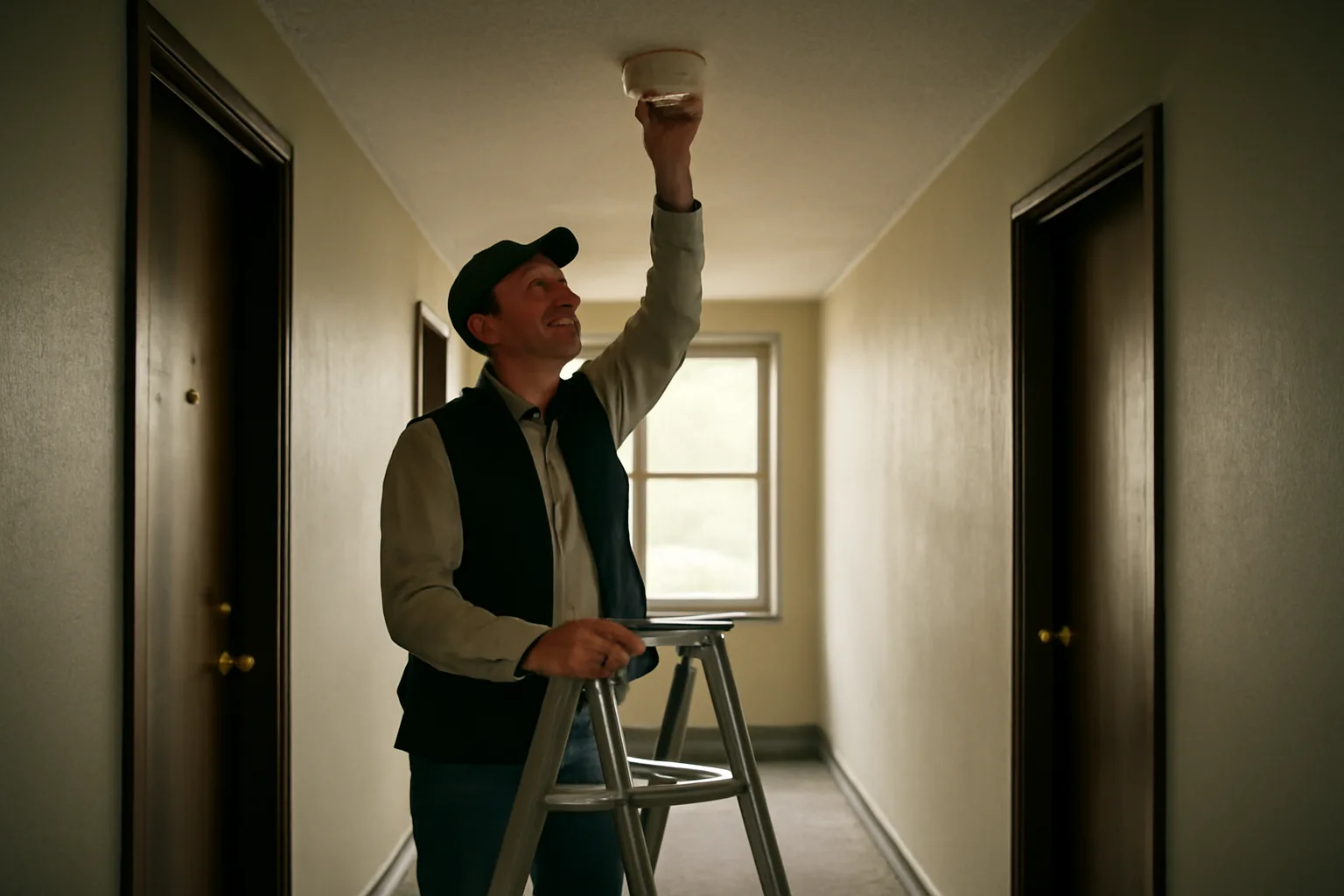
A rental housing inspector checks the unit and common areas for basic habitability and safety code compliance: things like working smoke and carbon monoxide detectors, functioning heat, no active leaks or mold, secure locks on doors and windows, adequate exits, and no obvious electrical or structural hazards. This mirrors the standard set by California's implied warranty of habitability under Civil Code Section 1941.1, which lists effective waterproofing, working plumbing and gas facilities, heating, electrical wiring, and clean common areas as baseline habitability requirements [3]. Inspectors are not grading your paint job or judging your décor. They're looking for code violations that affect health and safety. That said, don't confuse "not cosmetic" with "not serious." A missing smoke detector or a broken window lock is a real fail, not a nitpick. Expect the inspector to walk through every room, check under sinks, test detectors, look at the water heater and its strapping (California requires water heater seismic bracing under Health and Safety Code Section 19211 [4]), and check exterior conditions like stairs, railings, and roofing where visible. They may also check for proper egress from bedrooms, since that's a common and serious fail in older housing stock. For a broader checklist-style walkthrough of what inspectors commonly flag across cities, see inspection guides.
Who is responsible for a rental property walk-through inspection in California?
In California, the landlord or property owner is generally responsible for arranging and cooperating with rental inspections, whether that's a city-mandated program inspection or a routine move-in/move-out walkthrough with a tenant. Under the state's habitability law, the landlord carries the legal duty to keep the unit compliant, not the tenant [3]. For city program inspections like Sacramento's, the owner (or their designated property manager) is who the city notices, who schedules the appointment, and who's on the hook for any fees or violations found. Tenants generally have a right to be present but the compliance obligation sits with the owner. For move-in and move-out condition inspections specifically, California Civil Code Section 1950.5 gives tenants the right to request an initial inspection before move-out, with the landlord required to give at least 48 hours' notice before that inspection and to provide an itemized list of deficiencies afterward [5]. That's a separate process from the city's habitability inspection program, but landlords often get the two confused. One is about your security deposit deductions; the other is about code compliance and can result in city fines regardless of any lease terms. If you manage the property yourself, you're the one who needs to show up, unlock units, and address anything flagged. If you use a property manager, make sure the notice from the city actually reaches them, more than an old mailing address.
What can a landlord look at during an inspection?
During a habitability or program inspection, a landlord (or the city inspector) can look at anything related to the physical condition and safety of the unit: smoke detectors, carbon monoxide detectors, plumbing fixtures, electrical outlets and panels, heating systems, windows and doors, flooring, walls and ceilings for water damage, and common areas like hallways, stairwells, and parking structures. What a landlord generally cannot do is treat an inspection as a pretext to search personal belongings, go through drawers or closets unrelated to habitability, or use the visit to intimidate a tenant about unrelated lease issues. California law requires reasonable notice (typically 24 hours, discussed below) and a legitimate purpose for entry under Civil Code Section 1954, which limits landlord entry to purposes like necessary repairs, showing the unit to prospective tenants or buyers, or inspections agreed to under the lease [6]. For city program inspections specifically, the scope is usually limited to code compliance items on the inspector's checklist. If your city's rental inspection program publishes its checklist in advance (many do), read it before the appointment so you know exactly what's being evaluated and can pre-check those items yourself.
How much notice does a landlord have to give before an inspection?
In California, landlords generally must give tenants at least 24 hours' written notice before entering a rental unit for repairs, inspections, or showings, under Civil Code Section 1954 [6]. The statute states notice is presumed reasonable if given 24 hours in advance, though emergencies are an exception where no advance notice is required. For move-out inspections specifically, Civil Code Section 1950.5 requires at least 48 hours' notice for the initial pre-move-out inspection, unless the tenant waives that notice period [5]. City program inspections typically follow a similar or longer notice window; the city or its inspector usually mails or emails a scheduled appointment window well in advance, often with multiple weeks' lead time so owners can arrange tenant access. If a tenant refuses entry after proper notice, that's usually handled through the lease and, in persistent cases, could support a notice to cure or, eventually, eviction proceedings, though landlords should not attempt self-help entry (like using a key without notice) since that can expose them to liability.
What happens if my rental property fails inspection?
If a unit fails, the inspector typically issues a written list of violations with a compliance deadline, ranging anywhere from a few days for urgent safety issues (no working smoke detector, active gas leak) to 30 days or more for less urgent items, depending on the city's ordinance and the violation's severity. Sacramento's specific reinspection timelines and fee amounts should be confirmed directly with the city's code enforcement or rental housing program office, since these figures get updated periodically and vary by violation type. Most cities charge a reinspection fee if the first inspection turns up violations and a follow-up visit is needed to confirm the fix. Some cities escalate fees for repeat failures or missed deadlines, and persistent non-compliance can turn into a formal code enforcement case, which may carry civil penalties separate from the inspection program fees. The practical move here: don't wait for the inspector to find something you already know about. If you've got a unit with an old smoke detector, a leaking faucet, or a window that doesn't lock right, fix it before the scheduled date. Reinspection fees and code enforcement citations cost a lot more than a $20 detector or a plumber's house call. For a rundown of how fee structures and penalty escalation compare across rental licensing cities generally, see violations and fines.
How do I become a landlord in the first place?
Becoming a landlord means acquiring rental property (by purchase, inheritance, or converting a home you already own), then meeting your city and state's legal requirements before you rent it out: business licensing where required, rental registration or inspection program enrollment if your city mandates it, habitability compliance, and often landlord-tenant law basics around leases, security deposits, and notice periods. There's no single national license to "become a landlord." What you actually need depends entirely on your city and state. In California, that generally means complying with the statewide habitability standards in Civil Code Section 1941.1 [3], following the state's rent control and just-cause eviction rules under the Tenant Protection Act (Civil Code Section 1946.2) if applicable to your property, and meeting any local registration or inspection ordinance like Sacramento's. Most new landlords underestimate the paperwork side: security deposit handling rules, notice requirements for entry and rent increases, and record-keeping for maintenance requests. None of that is optional once you have a tenant in the unit, whether or not you registered with a city program. If you're just getting started, it's worth reading through landlord basics and your city's specific tenants rights rules before you sign your first lease, since a lot of first-time landlord mistakes come from not knowing what the tenant is legally entitled to.
What is landlording and what does a landlord actually do?
"Landlording" is the everyday work of owning and operating rental property: collecting rent, handling maintenance requests, managing turnover between tenants, keeping the property compliant with local codes, and dealing with the legal side of leases, notices, and (occasionally) evictions. A landlord is simply the person or entity that owns a rental property and rents it to a tenant in exchange for payment, taking on the legal responsibilities that come with that relationship. In practice, landlording splits into two buckets: the physical upkeep (repairs, inspections, cleaning between tenants) and the administrative side (leases, rent collection, registration renewals, tax records). A lot of new landlords focus entirely on the first bucket and get blindsided by the second, especially in cities with active rental registration programs like Sacramento's, where missing a renewal deadline generates fees regardless of how well-maintained your unit is. If you self-manage one or two units, expect to spend real time on this, more than rent collection. Budget for it the way you'd budget for a part-time job with irregular hours, because emergency repair calls and tenant turnover work don't happen on a schedule.
What rights do tenants have without a written lease?
Tenants without a written lease still have full legal protections under state and local law; an oral or month-to-month tenancy is still a tenancy. In California, that includes the right to a habitable unit under Civil Code Section 1941.1 [3], the right to proper notice before entry under Section 1954 [6], and, if the property falls under the Tenant Protection Act, just-cause eviction protections and rent increase limits under Civil Code Section 1946.2, even without a signed lease [7]. A lot of landlords assume no written lease means no rules. That's backwards. Without a written lease, the tenancy typically defaults to month-to-month terms under state law, and the tenant still gets standard statutory notice periods, usually 30 days for tenancies under one year and 60 days for tenancies of a year or more, before the landlord can terminate in situations where no lease term controls . If you're renting without a written lease right now, that's a real risk for you as the landlord, more than the tenant. Verbal agreements are hard to prove in a dispute. Get something in writing, even a short one, as soon as you can. For city-specific tenant protection nuances, check tenant rights and renters rights.
Why do landlords require renters insurance?
Landlords require renters insurance mainly to shift liability for a tenant's personal property damage and personal liability claims away from the landlord's own policy. A landlord's property insurance covers the building itself, not the tenant's furniture, electronics, or clothing, and it generally doesn't cover a tenant's liability if, say, their guest gets injured in the unit or their negligence causes a fire. Requiring renters insurance as a lease condition is legal in California and common practice; there's no state law barring landlords from requiring it, though the requirement and its terms need to be spelled out clearly in the lease. Many landlords set a minimum liability coverage amount (commonly $100,000, sometimes higher) and require the landlord be listed as an "interested party" or additional insured so they're notified if the policy lapses. Beyond the legal cover, it's just cheaper insurance for everyone. Renters insurance policies typically run $15 to $30 a month depending on coverage and location, according to industry rate surveys from major insurers, which is a small cost compared to what a tenant (or landlord) could face after an uninsured fire or water damage claim.
What can't a landlord do (and how Ohio's rules compare)?
Since Sacramento landlords are governed by California law, Note that Ohio's landlord-tenant rules are different in some specific ways, which matters if you own property in both states or are researching general landlord obligations online. Under Ohio Revised Code Section 5321.04, a landlord cannot shut off utilities, change locks, or remove a tenant's belongings to force them out (a self-help eviction); the landlord must go through the formal eviction process in court . California has similar self-help eviction bans, but the specific entry notice period differs: Ohio generally requires reasonable notice, commonly interpreted as 24 hours, before a landlord enters for non-emergency reasons, while California's Section 1954 also sets a 24-hour presumption of reasonableness [6]. Both states prohibit retaliatory actions against tenants who report code violations or exercise legal rights, though the specific look-back periods and remedies differ by statute. If you're operating in both California and Ohio, don't assume the rules transfer. Notice periods, security deposit interest requirements, and habitability standards all have state-specific quirks, and Sacramento's local rental inspection program only applies within California anyway; Ohio cities run their own separate licensing and inspection ordinances if they have them at all.
How can I prepare for a Sacramento rental inspection ahead of time?
The best prep is a self-walkthrough using the same categories a city inspector checks: smoke and carbon monoxide detectors (test them, don't just eyeball them), working locks on every exterior door and window, no active leaks under sinks or around the water heater, secure handrails on any stairs, and clear, unobstructed exits from every bedroom. Walk the exterior too. Inspectors often check things like exposed wiring, deteriorated stairs or railings, trip hazards on walkways, and pest or debris issues in shared areas. If you have a water heater, confirm it's strapped per California's seismic bracing requirement under Health and Safety Code Section 19211 [4], since that's a commonly missed item in older properties. Keep your registration paperwork, past inspection reports, and any repair receipts organized in one folder (physical or digital) so if a question comes up about when something was fixed, you're not searching through old emails. This is exactly the kind of organizational gap the $79 City Rental License & Inspection Prep Packet is built to close: a structured checklist and document tracker so you walk into inspection day with everything already in order instead of scrambling the week before. Lastly, give your tenant proper notice of the inspection date under Section 1954's 24-hour standard [6], and confirm they'll actually be home or that you have agreed access, since a missed appointment because of an access problem still often costs you a rescheduling or no-show fee under most city programs.
Frequently asked questions
How do I find out if my Sacramento rental property is registered under the inspection program?
Contact Sacramento's Community Development Department or rental housing program office directly with your property address; they maintain the registration records. If you inherited a property or bought one recently, don't assume the previous owner's registration carries over. Confirm your own registration status rather than guessing based on past ownership.
What is landlording?
Landlording is the day-to-day work of owning and renting out property: collecting rent, handling repairs and maintenance requests, managing tenant turnover, and staying compliant with local codes and state landlord-tenant law. It covers both the physical upkeep of the unit and the administrative side, like leases, notices, and registration renewals.
What is a landlord?
A landlord is the person or entity that owns rental property and rents it to a tenant in exchange for payment, taking on the legal duties that come with that relationship: maintaining habitability, giving proper notice before entry, handling security deposits correctly, and following state and local eviction procedures.
How much notice does a landlord have to give before entering a rental unit in California?
California law presumes 24 hours' written notice is reasonable for landlord entry under Civil Code Section 1954, covering repairs, inspections, and showings. Emergencies are an exception requiring no advance notice. Pre-move-out inspections specifically require at least 48 hours' notice under Civil Code Section 1950.5.
What can a landlord look at during a rental inspection?
A landlord or city inspector can check habitability and safety items: smoke and carbon monoxide detectors, plumbing, electrical systems, heating, windows, doors, and common areas. They generally cannot search personal belongings unrelated to habitability or use the visit as a pretext for unrelated purposes.
Who is responsible for a rental property walk-through inspection in California?
The landlord or property owner is responsible for arranging and complying with both city-mandated habitability inspections and move-in/move-out condition inspections. State law places the compliance duty on the owner, not the tenant, though tenants generally have the right to be present.
What rights do tenants have without a lease?
Tenants without a written lease still have full statutory protections, including habitability rights, notice-before-entry rules, and, in California, just-cause eviction and rent-increase protections under the Tenant Protection Act where applicable. The tenancy typically defaults to month-to-month terms with standard statutory notice periods for termination.
Why do landlords require renters insurance?
Renters insurance shifts liability for a tenant's personal property and personal injury claims away from the landlord's own policy, since a landlord's building insurance doesn't cover a tenant's belongings or personal liability. It's legal to require in California if spelled out clearly in the lease terms.
What can't a landlord do in Ohio?
Under Ohio Revised Code Section 5321.04, a landlord cannot shut off utilities, change locks, or remove belongings to force a tenant out; formal court eviction is required. Ohio also generally requires reasonable notice, commonly 24 hours, before non-emergency entry, similar to California's standard.
What happens if my Sacramento rental fails the city inspection?
You'll typically get a written violation list with a compliance deadline ranging from a few days for urgent hazards to 30 or more days for minor issues. Reinspection fees usually apply, and repeat or unresolved violations can escalate into a formal code enforcement case with additional penalties.
Do single-family rental homes have to register under Sacramento's program?
Many proactive rental inspection programs, including large ones like Los Angeles's Systematic Code Enforcement Program, apply down to single rental units and duplexes, more than big complexes. Don't assume a single-family rental is exempt; confirm your property's status directly with Sacramento's rental housing licensing office.
How do I become a landlord?
You become a landlord by acquiring rental property and meeting your city and state's legal requirements before renting it out: business licensing where required, any local rental registration or inspection program, habitability compliance, and understanding landlord-tenant law around leases, deposits, and notices before you sign your first tenant.
Sources
- California Legislative Information, Civil Code Section 1941.1: State habitability standard lists waterproofing, plumbing, heating, electrical, and clean common areas as required conditions
- California Legislative Information, Health and Safety Code Section 19211: California requires water heaters to be braced, anchored, or strapped to resist falling during an earthquake
- California Legislative Information, Civil Code Section 1950.5: Tenants have a right to request an initial move-out inspection with at least 48 hours' notice from the landlord
- California Legislative Information, Civil Code Section 1954: California presumes 24 hours' written notice is reasonable for landlord entry, with an emergency exception
- California Legislative Information, Civil Code Section 1946.2: California's Tenant Protection Act sets just-cause eviction and rent increase limit rules that can apply even without a written lease
- California Legislative Information, Civil Code Section 1946.1: Month-to-month tenancies generally require 30 or 60 days' notice to terminate depending on tenancy length
- Ohio Laws, Revised Code Section 5321.04: Ohio landlords cannot shut off utilities, change locks, or remove belongings to force a tenant out without formal eviction