Last updated 2026-07-25
TL;DR
Annual rental inspections mostly check life-safety items: working smoke and CO alarms, two ways out of every bedroom, no exposed wiring, no active leaks, functioning heat, and no pest infestation. Inspectors also flag peeling paint (lead risk in pre-1978 units), blocked exits, and missing handrails. Exact checklists vary by city; always confirm with your local rental licensing office.
What do inspectors actually look for during an annual apartment inspection?
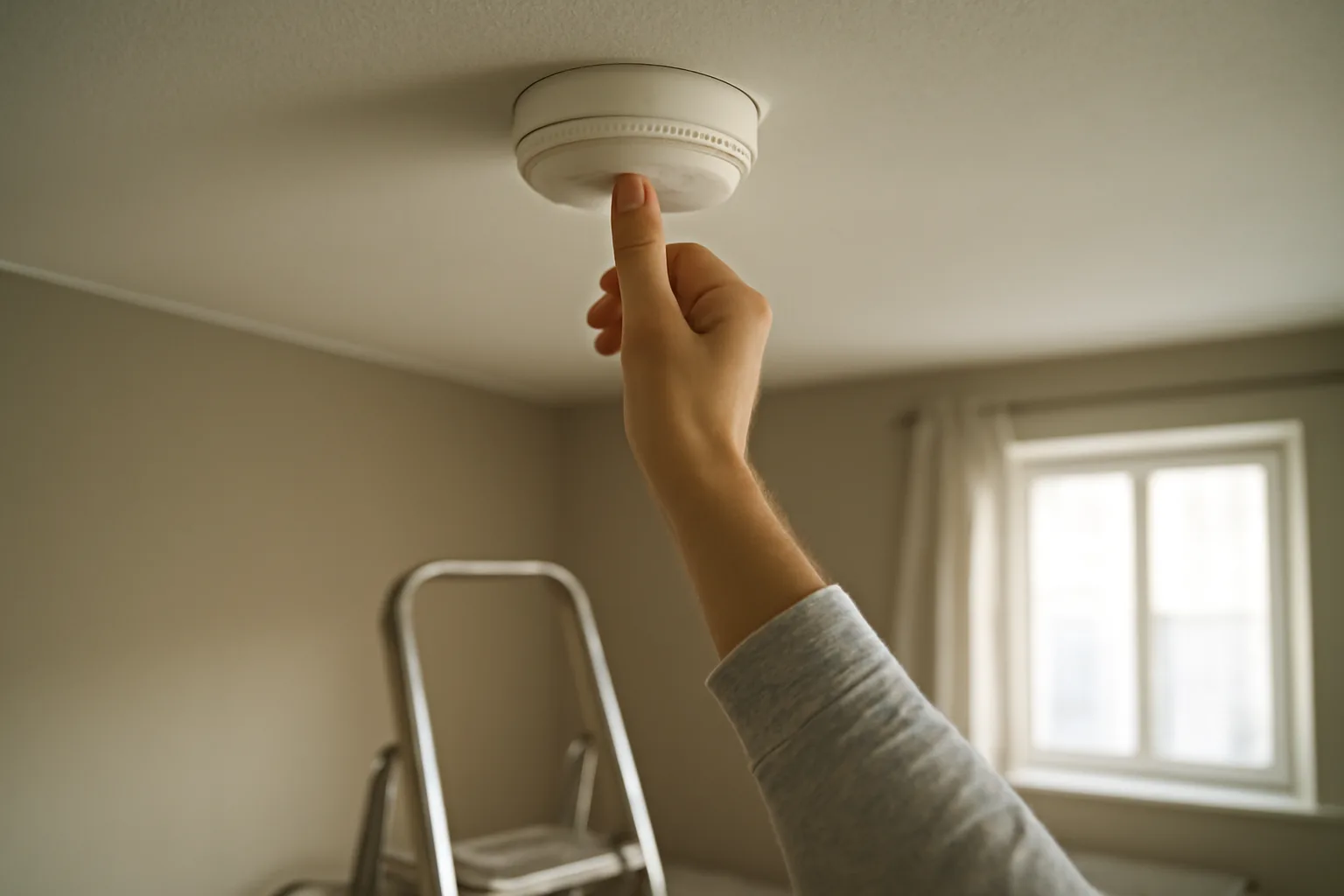
Most annual rental inspections are built around one question: could someone get hurt or trapped in this unit right now? That means the checklist leans hard on life-safety items rather than cosmetics. Smoke alarms and carbon monoxide detectors get checked first, almost everywhere. The U.S. Fire Administration notes that working smoke alarms cut the risk of dying in a home fire roughly in half compared to homes with no alarms or non-working ones [1]. After alarms, inspectors move to egress: can a person get out of every bedroom without a key, without moving furniture, without a fire escape ladder that's rusted shut? They check windows that are supposed to open, actually open. They check that hallways and stairwells aren't blocked with storage. Electrical gets a look too: exposed wiring, missing outlet covers, extension cords doing the job of permanent wiring, double-tapped breakers. Plumbing gets checked for active leaks, working hot water, and functioning toilets. Heating systems get tested, especially in cities with cold-weather minimum-heat ordinances. And nearly every inspector will note visible pest activity (droppings, live insects, evidence of rodents) and structural issues like sagging floors or crumbling steps. What inspectors are *not* usually grading you on: paint color, whether the carpet is stylish, or whether you've updated the kitchen since 1995. Cosmetic condition matters only when it crosses into a safety issue, like peeling paint in a pre-1978 building, which triggers separate federal lead-based paint disclosure rules under 42 U.S.C. § 4852d [2].
What is a standard annual apartment inspection checklist?
| Smoke/CO alarms | Present, functional, correct locations (each bedroom, each level) | |
|---|---|---|
| Egress | Windows open, no security bars without release, unobstructed exits | |
| Electrical | No exposed wiring, GFCI outlets near water, working panel, no overloaded circuits | |
| Plumbing | No active leaks, working hot water, functioning toilets and drains | |
| Heating | Functional primary heat source, meets local minimum-temperature rule | |
| Structural | No sagging floors, secure railings and stairs, no rotted wood | |
| Pest/sanitation | No infestation, working trash storage, no standing water | |
| Interior condition | No peeling/flaking paint (especially pre-1978), no visible mold | |
| Exterior | Roof, gutters, foundation, secure locks on doors | Some cities add unit-specific items: window screens if the unit has a screen requirement, working locks on every entry door, a second means of egress from basement units. If you got a violation notice or renewal letter, it usually names the specific code section, and looking that section up on your city's municipal code site beats guessing. |
There's no single national checklist because inspections are run by city or county code offices, not a federal agency. But most municipal rental inspection programs converge on a similar core list, often adapted from the International Property Maintenance Code (IPMC), which many cities adopt wholesale or with amendments [3]. Here's the pattern you'll see across most mandatory-licensing cities: | Category | What gets checked |
How much notice does a landlord have to give before an inspection?
Notice requirements split into two buckets: government inspections and landlord-initiated inspections, and they're governed by different rules. For city rental licensing inspections, the notice period is set by your municipality's ordinance, commonly somewhere between 24 hours and two weeks depending on the city. Some cities mail a scheduled appointment window weeks in advance; others give tenants a door notice 24 to 48 hours before. There's no universal number here, so confirm with your city rental licensing office what their program requires. For a landlord's own walkthrough inspections (not tied to a city program), most states set a baseline reasonable-notice standard. California, for example, requires "reasonable notice in writing," and the state Civil Code specifies that 24 hours is presumed reasonable absent contrary evidence [4]. Many states mirror that 24-hour standard, though a few require 48 hours and some have no statutory minimum at all, leaving it to "reasonable notice" case by case. Read your specific state's landlord-tenant statute before you rely on any single number, because this is one of the most commonly misquoted rules in the industry.
Who is responsible for a rental property walk-through inspection in California?
In California, the landlord (or their designated property manager) is responsible for scheduling and conducting move-in and move-out walk-through inspections, and for any inspections tied to a local rental inspection ordinance. California Civil Code Section 1950.5 gives tenants the right to request an initial move-out inspection before the final move-out, specifically so they can fix deficiencies themselves and protect their security deposit [5]. The landlord must give at least 48 hours' written notice of that initial inspection, and the tenant can choose to be present or not [5]. If deductions come out of the deposit anyway, the landlord has to provide an itemized statement, generally within 21 days after the tenant moves out [5]. Separately, some California cities (Los Angeles, Oakland, Berkeley, and others) run their own proactive rental inspection or registration programs on top of state law, so a landlord in those cities is also responsible for compliance with that local program, on its own notice and inspection schedule. Check with your specific city's housing or rent board, because state law sets the floor, not the whole picture.
What can a landlord look at during an inspection?
A landlord conducting a routine inspection can generally look at anything relevant to the condition of the property: walls, floors, appliances, plumbing fixtures, smoke alarm batteries, evidence of unauthorized pets or occupants, and signs of damage beyond normal wear and tear. Most states limit the landlord to entering for a legitimate purpose (repairs, inspection, showing the unit to prospective tenants or buyers) rather than general snooping. What a landlord typically cannot do is open closed containers, closets, or drawers that don't need to be opened to complete the inspection's purpose, or use the visit to search for anything unrelated to habitability and lease compliance. Some states also restrict how often a landlord can inspect without cause, though this varies a lot by jurisdiction. During a city-mandated rental licensing inspection, the inspector is generally limited to what's in the applicable housing or property maintenance code: the life-safety and condition items covered above. They're not there to assess your decorating or count your tenant's belongings. If an inspector starts asking questions unrelated to code compliance, you can ask them to point you to the ordinance section that authorizes it.
What can't a landlord do in Ohio?
Ohio's landlord-tenant law (Ohio Revised Code Chapter 5321) sets specific limits. A landlord cannot enter the rental unit without giving "reasonable notice" and without entering "at reasonable times," except in an emergency [6]. Ohio courts and the statute generally treat 24 hours as the benchmark for reasonable notice, though the statute itself uses the general "reasonable" standard rather than a fixed number. Ohio law also prohibits a landlord from using "self-help" eviction: a landlord cannot shut off utilities, change the locks, or remove the tenant's belongings to force them out, even if rent is unpaid. Ohio Rev. Code § 5321.15 explicitly bars a landlord from taking possession of the unit or the tenant's property except through court eviction proceedings [7]. A landlord in Ohio also cannot retaliate against a tenant for reporting code violations, requesting repairs, or joining a tenant organization. Ohio Rev. Code § 5321.02 protects tenants from retaliatory eviction, rent increases, or service reductions after they exercise these rights [5]. And a landlord can't ignore their own maintenance duties under § 5321.04, which requires keeping the unit in a condition fit for habitation, keeping common areas safe, and maintaining the electrical, plumbing, and heating systems in good working order [8].
Why do landlords require renters insurance?
Landlords require renters insurance mainly to shift liability risk off their own policy. A landlord's property insurance covers the building and the landlord's own liability, but it typically doesn't cover a tenant's personal belongings or the tenant's liability if they cause a fire, a flood, or an injury to a guest. Without renters insurance, if a tenant's negligence causes damage (a stovetop fire, an overflowing tub), the landlord's insurer may pay for the building repair and then subrogate, meaning they sue the tenant to recover the cost. A renters insurance policy, which the Insurance Information Institute notes averages roughly $15 to $30 a month nationally depending on coverage and location , gives the tenant liability coverage and personal property coverage, which reduces the odds that dispute lands on the landlord's desk or in small claims court. Many mandatory-licensing cities don't require renters insurance as part of the license itself, but plenty of individual landlords add it as a lease condition. That's a lease term, not a licensing requirement, so it's enforced through the lease, not through the city inspection program.
What is landlording and what does it actually involve day to day?
"Landlording" is the informal term for the ongoing work of owning and operating rental property: more than collecting rent, and handling maintenance requests, screening tenants, keeping up with local licensing and inspection deadlines, tracking lease renewals, and staying current on landlord-tenant law changes in your state and city. In a mandatory rental-licensing city, landlording also means an annual (or multi-year) cycle of registration renewal, inspection scheduling, and fixing whatever the inspector flags before the license reissues. That's a real time cost that a lot of new landlords underestimate. A single-family home in a self-managed portfolio might take a few hours a month; a duplex with a difficult inspection history can eat a full weekend before renewal. The practical skill set breaks into four buckets: legal compliance (leases, notices, fair housing rules), maintenance (repairs, code compliance, vendor management), financial management (rent collection, budgeting for capital repairs), and tenant relations (communication, complaint handling, turnover). Landlords who treat licensing and inspection compliance as a recurring calendar item, not a surprise, generally have an easier time at renewal than landlords who wait for the notice to show up.
What is a landlord, exactly?
A landlord is the person or entity that owns real property and leases it to a tenant in exchange for rent, under a lease or rental agreement that creates a landlord-tenant relationship governed by state law. That's the legal definition in most state landlord-tenant statutes, and it applies whether the landlord is an individual owning one duplex or a company owning a thousand units. The landlord role carries specific legal duties that vary by state but generally include: maintaining the property in habitable condition, following state and local notice rules before entering the unit, handling security deposits according to statutory timelines and limits, and complying with any local rental registration or licensing ordinance. A landlord who fails to maintain habitability can face rent withholding, repair-and-deduct remedies, or code enforcement action, depending on the state. In mandatory-licensing cities, the ordinance usually defines "landlord" or "owner" broadly enough to include an LLC, a trust, or a property manager acting on the owner's behalf, so the licensing obligation follows the property, more than the individual whose name is on the deed.
How to become a landlord: what actually has to happen first
Becoming a landlord legally usually means completing four things before you hand over keys: securing the property (purchase or inherited ownership), meeting any local business licensing or rental registration requirement, getting the unit inspection-ready if your city requires it, and putting a compliant lease in place. Step one is confirming what your specific city or county requires before you can legally rent the unit out. Many mandatory-licensing cities require the rental license or registration to be active before you advertise the unit or sign a lease, not after. Confirm the exact requirement and fee with your city rental licensing office, since these vary widely and change often. Step two is getting the unit through inspection if your city requires one before initial licensing. This is where a lot of first-time landlords get surprised: an inspector shows up expecting a fully code-compliant rental, not a house that was fine for an owner-occupant. Smoke alarms in the wrong spot, a missing GFCI outlet, or a bedroom window that doesn't meet egress size can all stall a first license. Step three is the lease itself: a written agreement covering rent, term, deposit terms, and maintenance responsibilities, consistent with your state's landlord-tenant statute. Step four is ongoing: tracking your renewal date, insurance, and any change in occupancy that might trigger a re-inspection. If you want a structured way to get organized before that first inspection or renewal, the $79 City Rental License & Inspection Prep Packet walks through the common checklist items city by city so you're not guessing what the inspector will ask for.
What rights do tenants have without a lease?
A tenant without a written lease still has legal rights. Most states treat an unwritten rental arrangement as a month-to-month tenancy-at-will, governed by the same state landlord-tenant statute that governs written leases, just without the specific terms a lease would spell out. That means a tenant without a lease still generally has the right to habitable housing, protection from illegal lockouts or utility shutoffs, required notice before the landlord enters, and required notice before the tenancy is terminated (commonly 30 days for month-to-month tenancies in many states, though this varies and some require more for longer tenancies). Security deposit rules, where applicable, still apply even without a written lease, since those are statutory, not contractual. What a tenant without a lease loses is certainty: no fixed term, no specific rules the parties agreed to about pets, subletting, or repair responsibilities. Either party can generally end a month-to-month tenancy with proper notice, whereas a signed lease locks in a term neither side can end early without cause. If you're a landlord operating without written leases, that's worth fixing regardless of your city's licensing rules. It's cheap insurance against disputes.
How to be a landlord without failing your annual inspection
The landlords who sail through annual inspections tend to do the same handful of things consistently, not because they're lucky, but because they've made the checklist a habit rather than a scramble. Test every smoke and CO alarm monthly, or at least before the inspection window opens, and replace batteries proactively rather than waiting for the chirp. Walk every egress window yourself and confirm it opens fully, since a stuck or painted-shut window is one of the most common fail items. Fix small electrical issues (missing cover plates, a dead GFCI outlet) the day you notice them instead of letting them pile up. Keep a written maintenance log; if a violation notice ever gets disputed, dated records of repairs matter. Before the scheduled inspection, do your own walkthrough using whatever checklist your city publishes (most rental licensing offices post the actual inspection form online). Compare your unit item by item. If your city hasn't published one, the categories in the table above are close to universal. If a violation notice does show up, read the specific code section cited, more than the summary line, and fix that exact item rather than guessing at what might be wrong. Cities differ enough on inspection cycles, reinspection fees, and appeal windows that a checklist built for one city won't map cleanly onto another; confirm your city's specific reinspection timeline and fee before you assume anything.
Frequently asked questions
What do they look for in an annual apartment inspection?
Working smoke and CO alarms, safe electrical wiring, no active plumbing leaks, functioning heat, clear egress from every bedroom, no pest infestation, and no peeling paint (especially in pre-1978 buildings). Cities generally follow the International Property Maintenance Code or their own local variation. Confirm the exact checklist with your city rental licensing office since programs differ.
How much notice does a landlord have to give before entering for an inspection?
It depends on the state and the type of inspection. California presumes 24 hours' written notice is reasonable under Civil Code Section 1950.5-adjacent entry rules [4]. Many states use a similar 24-hour standard; some require 48 hours; some just say "reasonable notice" without a fixed number. City-run licensing inspections follow whatever the local ordinance sets, which varies widely.
Who is responsible for a rental property walk-through inspection in California?
The landlord or their property manager schedules and conducts it. California Civil Code Section 1950.5 gives tenants the right to an initial move-out inspection with at least 48 hours' written notice, so they can fix issues before the final deposit accounting [5]. Some California cities also run separate proactive rental inspection programs on top of this state requirement.
What can a landlord look at during an inspection?
Generally anything relevant to habitability and lease compliance: appliances, plumbing, electrical, smoke alarms, signs of damage, unauthorized occupants or pets. A landlord typically can't open closed drawers or containers unrelated to the inspection's purpose, and most states limit entry to legitimate reasons like repairs, showings, or required inspections rather than general searches.
What can't a landlord do in Ohio?
Ohio landlords can't enter without reasonable notice except in an emergency, can't use self-help eviction like changing locks or shutting off utilities (Ohio Rev. Code § 5321.15) [7], can't retaliate against tenants for reporting code violations (§ 5321.02) [8], and can't ignore their duty to keep the unit habitable under § 5321.04 [9].
Why do landlords require renters insurance?
Mainly to shift liability off the landlord's own policy. A tenant's negligence, like a stovetop fire, can trigger the landlord's insurer to sue the tenant for the repair cost if the tenant has no coverage. Renters insurance, averaging roughly $15 to $30 a month according to the Insurance Information Institute [10], covers tenant liability and personal property.
What is landlording?
Landlording is the day-to-day work of operating rental property: maintenance, tenant screening, rent collection, lease management, and keeping up with local licensing and inspection deadlines. In mandatory-licensing cities, it includes an annual or multi-year cycle of registration renewal and inspection prep on top of routine property management.
What is a landlord?
A landlord is the owner (individual, LLC, or trust) who leases real property to a tenant for rent under a lease or rental agreement. State landlord-tenant law assigns the landlord specific duties: habitability, proper notice before entry, deposit handling, and compliance with any local rental licensing ordinance.
What rights do tenants have without a lease?
A tenant without a written lease is generally treated as a month-to-month tenant-at-will under state law, with the same core rights as a leased tenant: habitable housing, notice before entry, notice before termination (often 30 days, though this varies by state), and applicable security deposit protections. They just lack the specific terms a written lease would set.
How do I become a landlord?
Own or acquire rental property, check whether your city requires rental registration or licensing before you can legally rent it out, get the unit inspection-ready if required, and put a written lease in place that follows your state's landlord-tenant statute. Confirm your specific city's licensing fee and process before advertising the unit.
Do annual apartment inspections check for mold?
Yes, most rental inspection checklists include visible mold as a flag item, especially in bathrooms, around windows, and near plumbing fixtures. Inspectors are generally looking for visible growth or moisture damage rather than doing lab air-quality testing, since that's outside the scope of a standard code inspection.
Can a landlord fail an inspection over cosmetic issues like paint color or old carpet?
Generally no. Standard rental inspections focus on safety and code compliance, not style. The exception is peeling, flaking, or chipping paint in a home built before 1978, which triggers separate federal lead-based paint disclosure requirements under 42 U.S.C. § 4852d [2], regardless of how the color looks.
What happens if my rental fails the annual inspection?
Most cities issue a written notice listing the specific violations and a reinspection deadline, often a set number of weeks depending on the city. You fix the items, then the inspector reinspects, sometimes for an added reinspection fee. Repeated failures or unaddressed violations can lead to fines or license denial; confirm your city's specific reinspection timeline and fee.
Sources
- 42 U.S.C. § 4852d, Residential Lead-Based Paint Hazard Reduction Act: Federal lead-based paint disclosure requirement for pre-1978 housing
- International Code Council, International Property Maintenance Code: Many cities adopt the IPMC as the basis for rental inspection standards
- California Civil Code Section 1954: 24-hour written notice is presumed reasonable for landlord entry in California
- California Civil Code Section 1950.5: Tenant right to initial move-out inspection with 48 hours notice and itemized deposit statement within 21 days
- Ohio Revised Code 5321.04: Ohio landlord duty to maintain habitable premises and reasonable notice before entry
- Ohio Revised Code 5321.15: Ohio prohibits self-help eviction such as lockouts and utility shutoffs
- Ohio Revised Code 5321.02: Ohio prohibits retaliatory conduct against tenants who report code violations
- Insurance Information Institute, Renters Insurance facts and statistics: Average renters insurance cost range nationally