Last updated 2026-07-25
TL;DR
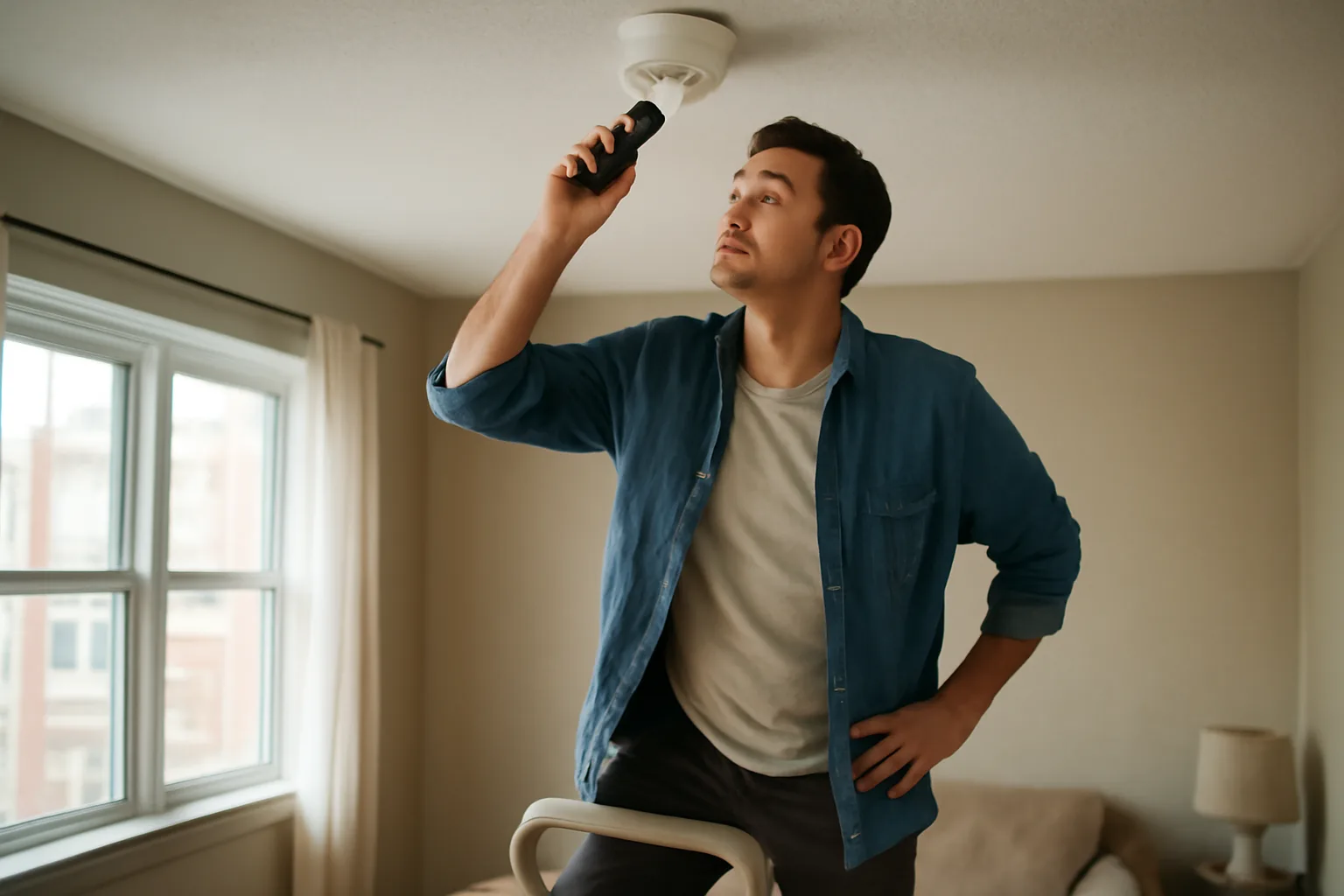
A landlord routine inspection is a scheduled walkthrough to check safety systems, damage, and lease compliance, not a search of your stuff. Most states require 24 to 48 hours advance written notice, and landlords can generally only look at what's visible or relevant to habitability and lease terms, not personal belongings.
What is a landlord routine inspection, exactly?
A routine inspection is a scheduled visit where the landlord (or a property manager, or in licensed cities, a government inspector) walks through a rental unit to check on its condition. It is not the same thing as an emergency entry, and it is not the same thing as a city rental license inspection, though the two often get confused. For a private landlord, a routine inspection usually checks three things: is the unit being kept in reasonable condition, are there maintenance problems that need attention (leaks, pests, broken smoke detectors), and is the tenant complying with lease terms (no unauthorized pets, no unauthorized occupants, no obvious illegal activity in plain view). It is not a general search. Landlords cannot open drawers, closets, or personal containers just to look around. They can observe what is reasonably visible during a walkthrough of common living areas, kitchens, bathrooms, and check that life-safety equipment works. Many mandatory rental licensing cities layer a second kind of inspection on top of this: the government-required periodic inspection tied to a rental license or registration. Those are governed by local ordinance, more than landlord-tenant law, and they can include code inspectors checking electrical panels, egress windows, water heater strapping, and other items private landlords would rarely check on their own. If you got a notice about one of these, the rules in this article about tenant notice and access still generally apply, but the checklist is usually longer and set by the city, not by you. If you're prepping for that kind of city-mandated inspection specifically, our $79 City Rental License \u0026 Inspection Prep Packet walks through common checklist items city inspectors use, though you should always confirm the actual checklist with your city rental licensing office since every program differs.
How much notice does a landlord have to give before entering?
| California | 24 hours presumed reasonable, written notice | Civil Code \u00a71954 [1] | |
|---|---|---|---|
| Florida | "Reasonable notice"; 12 hours presumed for showings | Fla. Stat. \u00a783.53 [3] | |
| Texas | No statewide minimum; lease controls | Tex. Prop. Code Ch. 92 [2] | |
| Oregon | At least 24 hours, written notice | ORS 90.322 [4] | Always confirm your specific state's current statute and your city's rules, since some cities layer additional notice requirements on top of state law for licensed rental inspections; confirm with your city rental licensing office. |
Most states require landlords to give 24 to 48 hours of advance notice before entering an occupied unit for a non-emergency reason like a routine inspection. The exact number and the required form of notice (written vs. verbal, posted vs. mailed) varies significantly by state. California requires "reasonable notice," which state law presumes to be 24 hours unless circumstances indicate otherwise, and the notice must generally be in writing under Civil Code Section 1954 [1]. Texas has no statewide statute setting a specific notice period for routine entry, which means the lease terms control unless a local ordinance says otherwise, a gap that surprises a lot of first-time landlords [2]. Florida requires "reasonable notice," and Florida Statutes Section 83.53 specifies that 12 hours is presumed reasonable for the specific case of showing a unit for sale or rent, though the broader standard for other entries is less precisely defined by that same statute [3]. Here's the practical problem: "reasonable notice" is a phrase that shows up in a lot of state codes, and it is genuinely ambiguous. If your state law says "reasonable" without a number attached, don't assume 24 hours is automatically safe everywhere, and don't assume it is required everywhere either. Check your specific state statute, and check your lease, because your lease may promise tenants more notice than the state minimum requires, and if it does, the lease terms usually win. Emergency entry is different and does not require advance notice in almost any state: fire, flooding, gas leak, or a tenant asking for immediate help all justify immediate entry. Routine inspections are not emergencies, so the standard notice rules apply. | State | Notice standard for routine entry | Statute |
What can a landlord look at during an inspection?
A landlord can look at anything reasonably visible during a normal walkthrough of the unit: walls, floors, ceilings, windows, doors, the kitchen, bathrooms, smoke and carbon monoxide detectors, HVAC vents, and signs of pests, mold, or water damage. They can check that appliances they own and provided are functioning. They can note visible unauthorized alterations, like a wall knocked out or unpermitted wiring. A landlord generally cannot open closed drawers, closets, cabinets, or containers just to browse, cannot search for personal items, and cannot use a routine inspection as cover to look through mail, files, or electronics. The line is basically this: is the landlord assessing the condition of the property, or are they searching the tenant's belongings? The former is a routine inspection. The latter isn't, and in most states it isn't legally within a landlord's inspection rights, even though enforcement in practice depends heavily on the tenant actually pushing back or filing a complaint. In a government rental-licensing inspection, the inspector's checklist is usually published by the city and covers things like working smoke detectors on every level, GFCI outlets near water sources, secure handrails, functioning locks, proper egress from bedrooms, water heater temperature and pressure relief valves, and visible electrical hazards. These checklists exist specifically because they tie to a housing or property maintenance code, not because the inspector is curious about your tenant's decorating choices. One thing that surprises new landlords: many city inspection programs require the unit to be accessible on inspection day regardless of whether the tenant is home, as long as proper notice was given under the local ordinance. Confirm your specific city's access and notice rules with your rental licensing office before scheduling, since getting this wrong can delay or fail the inspection through no fault of the unit's actual condition.
What a landlord cannot do in Ohio
Ohio law does not set a specific number of hours of notice for entry in the state landlord-tenant statute, but Ohio Revised Code Section 5321.04 requires landlords to give "reasonable notice" and to enter "at reasonable times," and it specifically limits the reasons a landlord can enter to inspecting the premises, making repairs, supplying necessary services, or showing the unit to prospective tenants or buyers [5]. What this means practically: an Ohio landlord cannot enter whenever they want, cannot use a spare key to let themselves in without notice for a routine check, and cannot enter for a purpose outside that statutory list, like showing up to see if a tenant has a boyfriend staying over or to count how many cars are in the driveway on a whim. Ohio courts and legal aid organizations have generally treated 24 hours as a reasonable benchmark even though the statute doesn't spell out a number, but that is a practice norm, not a hard statutory floor [6]. Ohio landlords also cannot use routine inspections as retaliation. Ohio Revised Code Section 5321.02 prohibits landlords from retaliating against tenants who complain to a government agency about code violations or who join a tenant union, and scheduling suspiciously frequent "inspections" right after a tenant complaint can look exactly like retaliation to a court [7]. Ohio landlords also cannot shut off utilities, change the locks, or remove a tenant's belongings to force them out, a self-help eviction, which is separately prohibited and enforceable under Ohio's landlord-tenant law regardless of the inspection context. If you're a landlord in Ohio and you're not sure whether your city (Columbus, Cincinnati, Cleveland, and others each have their own rental registration or licensing rules layered on top of state law) requires anything different for licensed-unit inspections, confirm with your city rental licensing office directly. City ordinances can require more notice or more specific inspection triggers than the state statute alone sets.
Who is responsible for the rental property walk-through inspection in California?
In California, the landlord is responsible for scheduling and conducting routine inspections, but state law (Civil Code Section 1950.5) also creates a specific, separate walk-through right tied to move-out: tenants can request an initial inspection before vacating so they get a chance to fix any deductible issues before the landlord assesses the security deposit [8]. That move-out walk-through is different from a routine mid-tenancy inspection. For the move-out inspection under Section 1950.5, the landlord must give at least 48 hours written notice of the date and time if the tenant requests the initial inspection, and the landlord must provide an itemized statement of anything that needs fixing, giving the tenant a chance to address it before the final move-out inspection [8]. For routine inspections during an active tenancy (not tied to move-out), California Civil Code Section 1954 governs landlord entry generally, requiring reasonable notice (presumed to be 24 hours) and limiting entry to specific purposes: emergencies, agreed repairs, showing to prospective tenants or buyers, or when the tenant has abandoned the unit [1]. Some California cities with rent control or just-cause eviction ordinances (San Francisco, Los Angeles, Oakland, and others) add their own layers on top of this, sometimes requiring registration with a local rent board that can affect how inspections and access are documented. Confirm any city-specific overlay with your local rental licensing or rent board office.
Why do landlords require renters insurance?
Landlords require renters insurance mainly to shift liability risk off their own policy and to make sure a tenant's negligence (a stovetop fire, an overflowing bathtub that damages the unit below) doesn't become the landlord's uninsured financial problem. A landlord's own property insurance typically covers the building and the landlord's own liability, but it does not cover a tenant's personal belongings and often doesn't fully cover damage a tenant's negligence causes to their own unit or a neighbor's. Renters insurance is cheap relative to the coverage it provides, commonly in the range of $15 to $30 a month depending on coverage limits, location, and the insurer, though actual pricing depends heavily on the specific market and the renter's coverage choices. Requiring it as a lease condition is legal in the large majority of states as long as it's disclosed in the lease and applied consistently to all tenants (fair housing law requires you not selectively enforce it based on a protected class). Some cities and some HUD-assisted housing programs have their own rules about whether and how a landlord can require renters insurance, so if you manage subsidized or voucher-based units, check the specific program rules before making it a blanket lease requirement. For landlords new to this, requiring renters insurance is one of the lowest-cost risk management moves available, cheaper than raising the security deposit cap in most states and generally more useful for the actual risks (fire, water damage, liability) that cause the biggest claims.
What is landlording, and what is a landlord?
A landlord is a person or entity that owns residential or commercial property and rents it to a tenant in exchange for periodic payment, usually under a written or oral lease. "Landlording" is the informal term for the ongoing work of managing that relationship: collecting rent, handling maintenance requests, following state and local landlord-tenant law, keeping the property in habitable condition, and dealing with turnover between tenants. It is more than owning property. A person who owns a rental unit but hands every operational decision to a property management company is still legally the landlord for lease and liability purposes, even if they never personally answer a maintenance call. The legal definition tracks who holds the lease obligation, not who does the day-to-day work. Most states impose a baseline set of legal duties on landlords regardless of what the lease says: an implied warranty of habitability (the unit must be fit to live in, with working plumbing, heat, and structural safety), a duty to return security deposits within a set timeframe (often 14 to 30 days depending on the state), and specific rules around entry notice, discrimination, and retaliation. These duties exist under state statute even if the lease is silent or tries to waive them, and most states don't let a landlord contract out of the habitability warranty. If you're weighing whether landlording is right for you at all, it helps to read up on baseline expectations for both sides before signing your first lease; our landlord basics overview and our tenant rights overview cover the core obligations from each side.
How do you become a landlord, and how do you actually do it well?
Becoming a landlord legally requires owning or controlling a property you intend to rent out, and in a growing number of cities, registering that property or obtaining a rental license before you're allowed to rent it at all. The order of operations matters: many mandatory-licensing cities require registration or a passed inspection before you can legally advertise the unit or sign a lease, not after. The basic steps most new landlords go through: confirm the property is zoned for rental use and check whether your city requires a rental license or registration (a growing number do, especially in cities with aging housing stock or a history of absentee-landlord problems), get the unit inspection-ready (working smoke and CO detectors, no obvious code violations, functioning locks), set a legally compliant lease, screen tenants under fair housing law, and set up a system for collecting rent, tracking maintenance requests, and handling security deposits according to your state's specific timeline and interest requirements. A lot of new landlords skip the licensing research step because they assume renting out a house they already own is unregulated. In mandatory rental-licensing cities, it usually isn't. Skipping registration can mean fines, and in some cities it can mean a court won't let you evict a nonpaying tenant until the unit is properly registered, since some ordinances make registration a prerequisite to filing an eviction case. If you already have a notice from your city about registration, licensing, or an upcoming inspection deadline, the fastest path is usually to call your city rental licensing office directly and ask exactly what's required for your specific unit type and age, since fee schedules, inspection cycles, and exemptions (owner-occupied duplexes are often exempt, for example) vary block by block in some jurisdictions.
What rights do tenants have without a lease?
Tenants without a written lease, sometimes called month-to-month or at-will tenants, still have essentially all the same legal protections as tenants with a written lease. The absence of a lease document does not strip away habitability rights, entry notice requirements, security deposit rules, or protection from discrimination and retaliation. What changes without a written lease is mainly the term length and the notice required to end the tenancy. Most states treat an unwritten, ongoing rental arrangement as a month-to-month tenancy by default, and require the landlord to give a specific amount of notice before ending it or changing terms like rent, commonly 30 days, though some states require 60 or 90 days for longer-term tenants or in specific circumstances. This notice period is separate from the entry notice period discussed above; ending a tenancy and entering a unit for inspection are governed by different statutes even in the same state. A tenant without a lease still has the right to a habitable unit, the right to advance notice before entry for non-emergency reasons, and the right to get their security deposit back within the state's required timeframe (assuming a deposit was collected). What they typically lack is a fixed-term guarantee: a landlord can generally end a month-to-month tenancy with proper notice and no specific cause required in most states, whereas ending a fixed-term lease early generally requires cause or mutual agreement. For a fuller breakdown of what protections carry over regardless of lease status, see our renters rights and tenants rights resources.
How is a routine landlord inspection different from a city rental license inspection?
A routine landlord inspection is something you, the property owner, schedule and conduct on your own timeline, usually once or twice a year, to check on maintenance issues and lease compliance. A city rental license inspection is a government-mandated check, usually tied to a licensing or registration ordinance, conducted on a cycle the city sets (often annually, biennially, or every 2 to 3 years depending on the program), and it usually results in a pass/fail outcome tied to your legal ability to keep renting the unit. The stakes are different. Fail your own private inspection, and you just schedule a repair. Fail a city license inspection, and you can face a formal violation notice, a re-inspection fee, a compliance deadline, and in some cities, fines that escalate the longer the violation goes unfixed. Some cities also publish inspection results publicly or flag repeat-violation properties for more frequent inspection cycles going forward. City inspections almost always use a fixed, published checklist tied to the local property maintenance code, often based on or adapted from a model code like the International Property Maintenance Code, which many U.S. cities adopt with local amendments [9]. That means the inspector isn't improvising. If you know your city's checklist in advance, you can walk through it yourself before the real inspection and fix the obvious items (dead smoke detector batteries, missing house numbers, a loose handrail) for free instead of paying a re-inspection fee. This is where a lot of landlords lose money unnecessarily: re-inspection fees after a failed first pass are common in licensed cities, and they're avoidable with a bit of prep. If you'd rather not build your own city-specific checklist from scratch, our $79 City Rental License \u0026 Inspection Prep Packet is built around common inspection categories seen across licensing cities, though again, always confirm your specific city's actual checklist and fee schedule with your city rental licensing office since programs vary and change.
What should landlords document during and after a routine inspection?
Document the date, time, who was present, and the general condition of each room with dated photos or video, even for a routine, no-drama inspection. This isn't paranoia. It's the record you'll want if a dispute comes up later about when a certain damage happened or whether a maintenance issue was reported and addressed. At minimum, note: working status of smoke and carbon monoxide detectors (and replace batteries on the spot if needed), any visible water damage, pest evidence, HVAC filter condition, and any lease violations observed (unauthorized pets, unauthorized occupants, unapproved alterations). If you find something that needs repair, write down what it is and when you'll fix it, and actually follow through on a timeline, since an unreasonably delayed repair after you've documented awareness of a habitability problem can itself become a legal liability. Keep a copy of the entry notice you gave the tenant, with the date it was delivered and the method (posted, mailed, emailed, texted, depending on what your state and lease allow), for at least as long as your state's relevant statute of limitations for landlord-tenant disputes, which is commonly several years but varies by state and by claim type.
Frequently asked questions
How much notice does a landlord have to give before a routine inspection?
Most states require 24 to 48 hours of advance notice for non-emergency entry like a routine inspection. California presumes 24 hours reasonable under Civil Code Section 1954 [1]. Some states use a vaguer "reasonable notice" standard without a fixed number, so check your specific state statute and your lease, which may require more notice than the state minimum.
What can a landlord look at during an inspection?
A landlord can observe anything reasonably visible during a normal walkthrough: rooms, appliances, smoke detectors, signs of damage or pests. A landlord generally cannot open drawers, closets, or personal containers just to browse, and cannot use an inspection to search personal belongings, mail, or electronics.
What can a landlord not do in Ohio?
Under Ohio Revised Code Section 5321.04, a landlord cannot enter without reasonable notice, cannot enter for a purpose outside inspecting, repairing, providing services, or showing the unit, and cannot retaliate against a tenant who files a code complaint under Section 5321.02 [5][7]. Self-help evictions (changing locks, shutting off utilities) are also prohibited.
Who is responsible for the rental property walk-through inspection in California?
The landlord schedules and conducts routine inspections during a tenancy under Civil Code Section 1954, and also handles the separate move-out initial inspection tenants can request under Civil Code Section 1950.5, giving at least 48 hours notice for that specific walk-through so the tenant can fix issues before final deposit deductions [1][8].
How do you become a landlord?
You become a landlord by owning or controlling a property and renting it under a lease, but in many cities you must first register the property or obtain a rental license before renting legally. Steps include zoning confirmation, license/registration if required, inspection readiness, a compliant lease, tenant screening under fair housing law, and a system for rent and deposit handling.
What is landlording?
Landlording is the ongoing work of managing a rental property: collecting rent, handling repairs, following state and local landlord-tenant law, keeping the unit habitable, and managing tenant turnover. It applies to the legal property owner even if a property management company handles daily tasks.
What rights do tenants have without a lease?
Tenants without a written lease still have full habitability, entry-notice, deposit-return, and anti-discrimination protections under state law. Most states treat an unwritten arrangement as month-to-month, requiring the landlord to give notice, commonly 30 days, before ending the tenancy or changing terms.
Why do landlords require renters insurance?
Landlords require renters insurance to shift liability for tenant negligence, like a kitchen fire or a bathtub overflow, off the landlord's own policy and to make sure tenant belongings aren't the landlord's financial problem after a loss. It's typically legal to require if disclosed in the lease and applied to all tenants equally.
What's the difference between a routine landlord inspection and a city rental license inspection?
A routine inspection is one the landlord schedules privately to check maintenance and lease compliance. A city rental license inspection is government-mandated, tied to a published code-based checklist, and can result in formal violations, fines, or re-inspection fees if the unit fails, unlike a private routine check.
Can a landlord inspect without notice in an emergency?
Yes. Nearly every state allows landlords to enter without advance notice for genuine emergencies like fire, flooding, or a gas leak. Routine inspections don't qualify as emergencies, so standard notice rules (commonly 24 to 48 hours) apply to scheduled walkthroughs.
Can a tenant refuse a routine inspection?
A tenant generally cannot refuse a properly noticed, lawfully purposed inspection outright, but they can dispute the timing or ask to reschedule. If a landlord fails to give proper notice or enters for a purpose outside what state law allows, the tenant may have grounds to object or pursue a claim.
How often can a landlord do a routine inspection?
State law rarely sets a hard cap on how often a landlord can inspect, as long as each entry has proper notice and a legitimate purpose. Excessively frequent inspections, especially right after a tenant complaint, can look like harassment or retaliation and create legal exposure for the landlord.
What happens if a rental unit fails a city license inspection?
Outcomes vary by city, but commonly include a written violation notice, a deadline to fix the issue, a re-inspection (often for an additional fee), and escalating fines if the deadline passes without repair. Confirm your specific city's fee schedule and timeline with your local rental licensing office.
Sources
- California Civil Code Section 1954: California presumes 24 hours reasonable notice for landlord entry and requires written notice
- Texas Property Code Chapter 92: Texas has no statewide statute setting a specific notice period for routine landlord entry
- Florida Statutes Section 83.53: Florida requires reasonable notice and presumes 12 hours reasonable for showings
- Oregon Revised Statutes 90.322: Oregon requires at least 24 hours written notice for landlord entry
- Ohio Revised Code Section 5321.04: Ohio law limits landlord entry to specific purposes and requires reasonable notice at reasonable times
- Ohio State Bar Association, landlord entry guidance: Ohio courts and legal aid organizations generally treat 24 hours as a reasonable notice benchmark
- Ohio Revised Code Section 5321.02: Ohio prohibits landlord retaliation against tenants who file code complaints or join tenant unions
- California Civil Code Section 1950.5: California tenants can request an initial move-out inspection with at least 48 hours notice before final deposit deductions
- International Code Council, International Property Maintenance Code: Many U.S. cities adopt a property maintenance code, often based on the IPMC, as the basis for rental inspection checklists