Last updated 2026-07-25
TL;DR
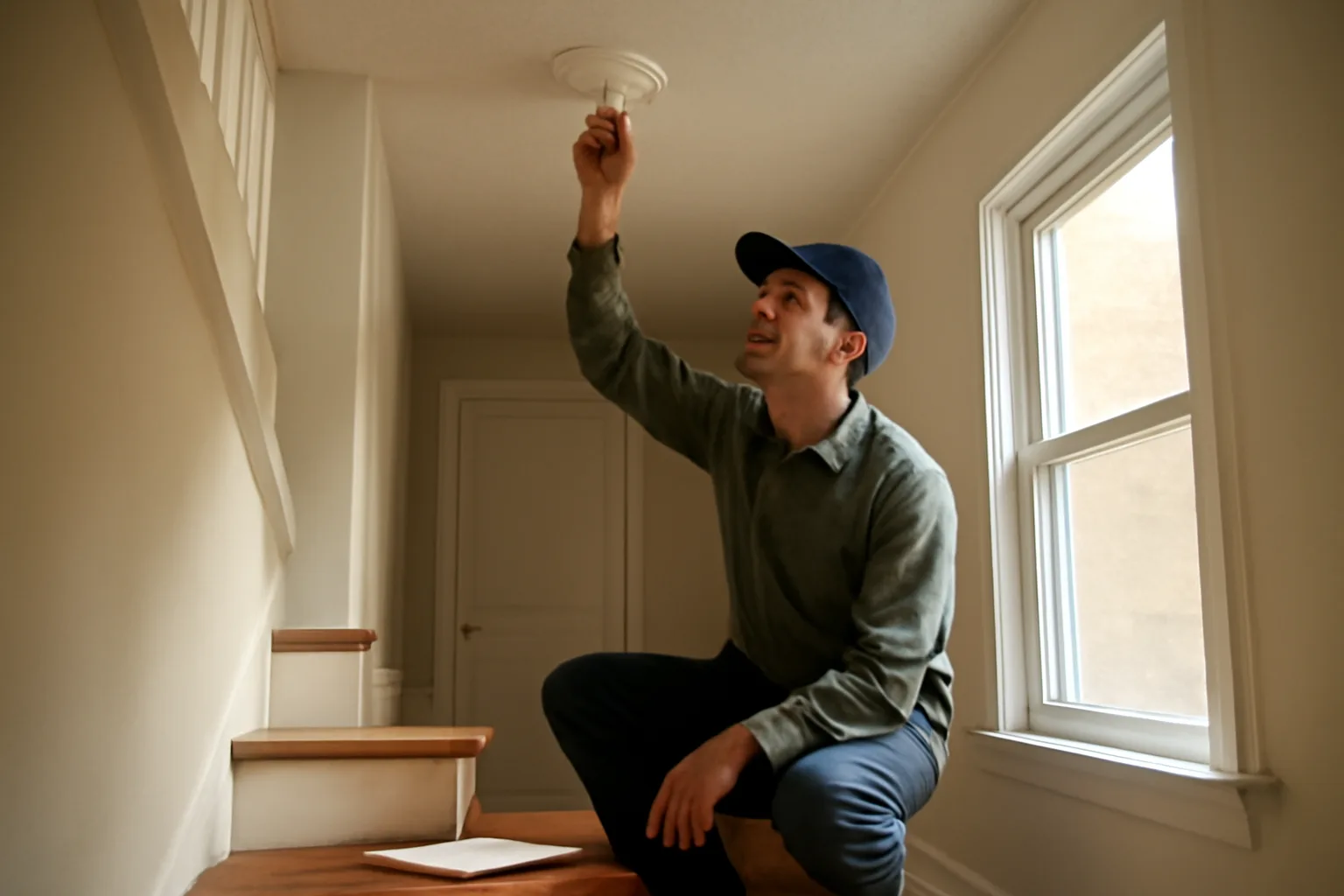
A routine rental inspection is a scheduled check of a unit's safety and habitability, usually done under a city's rental licensing program or at lease renewal. Most states require 24 to 48 hours notice for non-emergency entry. Inspectors look at smoke detectors, electrical, plumbing, exits, and pest issues, not your tenant's belongings or housekeeping habits.
what is a routine rental inspection?
A routine rental inspection is a scheduled visit, usually by a code enforcement officer or a licensing inspector, to confirm a rental unit meets basic health and safety standards. It's different from a walk-through you'd do yourself between tenants. Cities with mandatory rental licensing programs (think Toledo, Minneapolis, Sacramento County, or dozens of similar municipalities) tie these inspections to your license or registration renewal, often every one to three years depending on the jurisdiction. The inspection isn't about whether you vacuumed the hallway. It's about life-safety items: working smoke and carbon monoxide detectors, secure handrails, functioning heat, no exposed wiring, and clear egress from bedrooms and exits. Many cities also check for things like proper egress window sizes in basements used as bedrooms, since that's a common code violation tied to fire deaths. If you're new to a city's program, start by confirming with your city rental licensing office what inspection cycle applies to your property type and unit count. Single-family rentals and 2-4 unit buildings often get inspected less frequently than larger multi-family buildings, but this varies a lot city to city, and some places (like Minneapolis) tier inspection frequency based on your property's violation history [1].
who is responsible for a rental property walk-through inspection in california?
In California, there's no single statewide law mandating routine landlord walk-through inspections the way there is for move-out inspections. California Civil Code Section 1950.5 requires landlords to offer tenants an initial inspection before move-out if the landlord intends to withhold any part of the security deposit, giving the tenant a chance to fix issues before final charges [2]. That's a specific move-out procedure, not a general routine inspection right. Routine (mid-tenancy) inspections in California fall under the landlord's general right of entry, governed by Civil Code Section 1954. That statute allows landlords to enter for specific purposes, including "to make necessary or agreed repairs," and requires "reasonable notice in writing," which the statute presumes is 24 hours unless circumstances make that impracticable [3]. So the landlord (or their designated property manager) is responsible for both scheduling the inspection and giving proper written notice. Some cities inside California, like Los Angeles under its Systematic Code Enforcement Program (SCEP), also run their own periodic inspection cycle separate from anything the landlord initiates on their own, typically every four years for most rental units, funded through an annual per-unit fee [4]. If your property sits inside a city with its own rental inspection ordinance, that city's inspector, not you, runs the actual code inspection. Your job is to get the property ready, be present or have a property manager present, and fix anything flagged within the timeline given.
what can a landlord look at during an inspection?
| Smoke/CO detector function | Tenant's personal property | |
|---|---|---|
| Electrical outlets, panel condition | Cleanliness/housekeeping (usually) | |
| Plumbing leaks, water heater | Tenant's furniture arrangement | |
| Window/door locks, egress | Closets, drawers, private papers | |
| Pest evidence, mold, structural issues | Anything unrelated to habitability | Some cities do include general cleanliness or hoarding-level clutter if it creates a fire or pest hazard, so that line isn't absolute. But the baseline rule almost everywhere is simple: the inspection is about the building's safety systems, not judging how tidy someone keeps their apartment. |
During a routine or licensing inspection, a landlord (or the city inspector conducting a licensing check) can look at anything related to the physical condition and safety of the unit. That includes smoke detectors and CO detectors, electrical panels and outlets, plumbing under sinks, HVAC equipment, water heater venting, window and door locks, exterior condition, and signs of pest infestation or water damage. What a landlord or inspector generally can't do is search through a tenant's personal belongings, closets, or private papers under the guise of a safety inspection. The inspection is about the structure and its systems, not the tenant's stuff. If a city inspector shows up and starts opening drawers, that's outside the scope of a habitability check and tenants can push back on it. Here's a rough breakdown of what's typically in scope versus out of scope: | In scope | Out of scope |
how much notice does a landlord have to give before an inspection?
| California | 24 hours presumed reasonable | Civil Code 1954 [3] | |
|---|---|---|---|
| Florida | 12 hours presumed reasonable | Fla. Stat. 83.53 [5] | |
| Texas | No fixed statutory hours; 'reasonable notice' per lease | Tex. Prop. Code Ch. 92 | |
| Washington | 2 days (48 hours) written notice | RCW 59.18.150 [6] | Emergencies (burst pipe, fire, gas leak) are the standard exception almost everywhere. You can enter without advance notice when there's an immediate threat to health or property. But for a routine city inspection or your own annual walk-through, plan on giving written notice well ahead of the visit, both to comply with the law and to make sure the tenant can actually be there or grant access. |
Notice requirements vary by state, and this is one of the most commonly Googled landlord questions for good reason: get it wrong and you risk a harassment claim or a voided inspection. Most states land somewhere between 24 and 48 hours for non-emergency entry, including inspections. California presumes 24 hours is reasonable notice under Civil Code 1954 [3]. Florida requires landlords to give "reasonable notice" and states that "12 hours' notice shall be presumed to be reasonable" under Florida Statutes Section 83.53 [5]. Texas doesn't have a specific statutory notice period for routine inspections in the Texas Property Code, so lease language and general "reasonable notice" practice governs there. Here's a quick comparison table for a few commonly cited states: | State | Statutory notice period | Source |
what is landlording?
Landlording is the day-to-day work of owning and managing a rental property: collecting rent, handling repairs, screening tenants, keeping the unit compliant with local codes, and managing the legal relationship between owner and tenant. It's part business, part maintenance, part paperwork. People sometimes treat landlording as a passive income stream, and for some owners with a property manager handling everything, it can feel that way. But if you're self-managing 1 to 10 units, landlording usually means you're the one fielding the 11pm no-heat call, tracking your city's registration renewal date, and making sure your smoke detectors pass inspection before the fine notice shows up. The U.S. Census Bureau's Rental Housing Finance Survey found that a large share of rental properties are owned by individual investors rather than institutions, meaning most landlords in the country are exactly this kind of small-scale operator, not a corporate portfolio manager [7]. If that's you, landlording is less about scale and more about staying organized: knowing your renewal dates, your notice requirements, and your local code so a routine inspection doesn't turn into a violation notice.
what is a landlord?
A landlord is the owner of a rental property (or their authorized agent) who leases it to a tenant in exchange for rent, taking on legal responsibilities for habitability, repairs, and following state and local landlord-tenant law. Legally, the landlord is the party named on the lease as the owner or lessor, and that party is who tenants, courts, and code enforcement hold responsible. Being a landlord comes with obligations that vary by state but generally include maintaining a habitable unit (working plumbing, heat, electrical, structural safety), following proper procedures for entry and eviction, and complying with any local licensing or registration rules. If your city requires a rental license, the license is typically issued to the property owner, not a property manager, though the manager may be listed as a responsible local contact. If you're renting out a unit for the first time, understanding this role is the starting point before anything else, including registering with your city or scheduling your first inspection. Related reading: check out our landlord overview and our piece on landlord landlords responsibilities for a broader look at the role.
how to become a landlord (and how to be a landlord well)
Becoming a landlord starts with buying or converting a property into a rental, then handling the legal and administrative steps before you hand over keys. The rough sequence looks like this in most mandatory-licensing cities: 1. Confirm zoning allows rental use for your property type (single-family, duplex, etc.) 2. Register or license the property with your city's rental licensing office, if one exists 3. Schedule and pass the required initial inspection 4. Get landlord liability insurance and confirm whether your city or lease requires tenant renters insurance 5. Screen tenants under Fair Housing law (you can't discriminate based on the protected classes listed under the Fair Housing Act, including race, color, national origin, religion, sex, familial status, and disability) [8] 6. Sign a written lease that meets your state's requirements 7. Set up rent collection, maintenance response, and a system for tracking renewal and inspection deadlines Being a landlord well, long-term, comes down to two things: staying ahead of your paperwork (registration renewals, inspection cycles, insurance certificates) and responding to maintenance issues fast enough that they don't turn into code violations. A stopped-up gutter is a five-minute fix in October. By January it's ice damming into the ceiling and a habitability complaint. If you're managing this process for the first time in a city with formal rental licensing, a lot of landlords find it worth having a structured prep packet rather than guessing what the inspector will check. Our $79 City Rental License & Inspection Prep Packet walks through the common inspection checklist items and paperwork most cities ask for, though you should still confirm your specific city's requirements directly with its rental licensing office since programs and fees vary widely.
why do landlords require renters insurance?
Landlords require renters insurance mainly to shift liability for the tenant's personal property and personal liability claims away from the landlord's own policy. A standard landlord (dwelling) insurance policy covers the building structure, not the tenant's furniture, electronics, or clothing, and it generally doesn't cover a tenant's liability if they cause a fire or a guest gets hurt in the unit. Renters insurance (an HO-4 policy) typically covers the tenant's belongings, liability, and additional living expenses if the unit becomes uninhabitable. The Insurance Information Institute notes that renters policies are generally inexpensive relative to homeowners policies, and requiring it protects the landlord from disputes where a tenant claims water damage or fire loss and expects the landlord's policy to cover their personal items [9]. There's a practical angle too: if a tenant causes damage (a kitchen fire, a bathtub overflow that soaks the downstairs unit), the landlord's insurer may pay out but then subrogate against the tenant, meaning the tenant's own insurer fights that claim instead of the tenant fighting it out of pocket, which reduces the odds the landlord ends up in a lawsuit trying to collect. Whether you can legally require it and how you enforce it (lease clause, proof of policy at move-in, added as interested party) varies by state, so check your state's landlord-tenant statute or a local attorney before making it a lease condition.
what rights do tenants have without a lease?
Tenants without a written lease, often called month-to-month tenants or tenants-at-will, still have real legal protections under state law, even without a signed document. The absence of a lease doesn't waive habitability rights, protection from illegal lockouts, or the requirement that landlords give proper notice before ending the tenancy or entering the unit. Most states treat a tenant without a written lease as a periodic tenancy, commonly month-to-month, governed by the same notice-to-terminate rules as any month-to-month arrangement. For example, under California law a landlord generally must give 30 days' notice to end a month-to-month tenancy of under one year, and 60 days if the tenant has lived there a year or more, per Civil Code Section 1946.1 [10]. These notice periods apply whether or not there was ever a written lease, because occupancy plus rent payment creates a legal tenancy on its own. Without a lease, tenants generally keep the right to: a habitable unit, protection from retaliatory or discriminatory eviction, proper notice before entry, proper notice before termination, and return of any security deposit under their state's deposit law. What they typically lose is the certainty of fixed terms (rent amount, length of tenancy), since a landlord can usually change those with proper notice in a month-to-month arrangement. For more on this, see our pages on tenant rights, tenants rights, and renters rights.
what a landlord cannot do in ohio
Ohio landlord-tenant law, codified mainly under Ohio Revised Code Chapter 5321, spells out several things a landlord cannot legally do. A landlord cannot shut off utilities, change the locks, or remove a tenant's belongings to force them out; this is often called a "self-help eviction" and it's illegal in Ohio as in most states. Ohio courts have consistently required landlords to go through the formal eviction (forcible entry and detainer) process instead [11]. Ohio Revised Code Section 5321.04 requires landlords to keep the premises in a fit and habitable condition, maintain common areas, keep electrical, plumbing, and heating systems in good working order, and comply with building and housing codes affecting health and safety . A landlord cannot simply ignore a documented habitability complaint and expect no consequence; tenants in Ohio have remedies including rent escrow deposits under certain conditions. On entry, Ohio Revised Code Section 5321.04 also requires landlords to give "reasonable notice" before entering, and Ohio courts have generally treated 24 hours as a reasonable benchmark, though the statute itself doesn't set an exact hour count the way Florida's does . A landlord in Ohio also cannot retaliate against a tenant for reporting code violations or exercising legal rights (like joining a tenant union or contacting a health department), and cannot discriminate under both federal Fair Housing law and Ohio's own civil rights statute, Ohio Revised Code Chapter 4112.
how routine inspections connect to your city's rental licensing program
Most cities that run mandatory rental registration or licensing programs tie routine inspections directly to your license status. Miss the inspection, fail it without fixing flagged items, or let your license lapse, and you can end up with a fine, a hold on renewal, or in some cities a rental ban on the unit until it's resolved. Common patterns across cities with these programs: - Initial inspection required before the first license is issued
- Renewal inspection every 1 to 4 years depending on the city and sometimes the property's violation history
- Re-inspection fee if the first inspection fails (fees run anywhere from around $25 to over $200 depending on the city, so confirm with your city rental licensing office)
- Escalating fines for operating without a valid license, which in some cities compound daily until resolved Because every city writes its own ordinance, there's no single national fee schedule or inspection interval you can rely on. Toledo, Minneapolis, and Sacramento County, for example, all run separate programs with different cycles and different fee structures [1]. Before you assume your city works like the last one you researched, confirm with your city rental licensing office directly, ideally in writing, so you have a record of what they told you if a dispute comes up later.
how to prepare for a routine rental inspection
Preparation for a routine inspection comes down to walking your own unit with the same checklist an inspector would use, before they show up. Test every smoke detector and CO detector and replace dead batteries. Check that every window in a bedroom opens fully and meets your local egress size requirement (this trips up more landlords than almost anything else, especially with finished basements). Look under every sink for slow leaks. Check the water heater's temperature-pressure relief valve and venting. Walk the exterior for loose railings, broken steps, or exposed wiring. Give proper written notice to your tenant before you enter to do your own pre-inspection walk-through, following your state's notice rule (commonly 24 to 48 hours, see the table above). Document everything with photos and dates. If a violation gets flagged later and you already fixed it, you want proof of when. Keep your paperwork organized too: your current business license or rental registration certificate, proof of any required insurance, lead paint disclosure if your property predates 1978 (required under federal law for pre-1978 housing) , and any prior inspection reports. A lot of failed inspections aren't really about the condition of the unit; they're about missing paperwork the inspector expected to see on the spot. If this is your first time going through a city's licensing and inspection cycle, it's worth building a single reference file rather than tracking requirements across a dozen browser tabs. That's the entire idea behind our $79 City Rental License & Inspection Prep Packet: a structured way to organize what most cities ask for, checklist-style, so you're not guessing the week of your inspection. It doesn't replace confirming your specific city's current fees and deadlines directly with their rental licensing office, but it saves the scramble.
Frequently asked questions
How often do routine rental inspections happen?
It depends entirely on your city. Programs commonly run inspections every 1 to 4 years, sometimes tied to your property's violation history (a clean record can mean a longer gap between inspections in some cities). Confirm the exact cycle with your city rental licensing office since there's no national standard.
Can a landlord enter without notice for a routine inspection?
Generally no, except in a true emergency (fire, gas leak, burst pipe). Most states require 24 to 48 hours written notice for non-emergency entry, including routine inspections. California presumes 24 hours reasonable under Civil Code 1954; Florida presumes 12 hours reasonable under Florida Statutes 83.53.
What happens if I fail a rental inspection?
Most cities give you a set window, often 30 to 60 days, to fix flagged items and request a re-inspection, sometimes for an additional fee. Unresolved failures can lead to fines, license suspension, or in some cities a prohibition on renting the unit until it passes. Rules vary, so confirm your city's specific process.
Do tenants have to be present for a routine inspection?
Not necessarily. As long as the landlord or inspector gave proper notice, most states allow entry whether or not the tenant is home. Many landlords prefer the tenant present to avoid disputes, and some city inspection programs require tenant notification even if their presence isn't mandatory.
What is the difference between a routine inspection and a move-out inspection?
A routine inspection checks ongoing habitability and code compliance during a tenancy, often required by city licensing rules. A move-out inspection, required in states like California under Civil Code 1950.5, documents the unit's condition to determine security deposit deductions after the tenant leaves.
Who pays for a rental inspection, the landlord or the city?
The property owner almost always pays. Cities charge an inspection fee, sometimes bundled into the annual or biennial rental license fee, sometimes billed separately. Fees vary widely by city and unit count, so confirm the current fee schedule with your city rental licensing office rather than assuming a flat rate.
Can a landlord look through a tenant's belongings during an inspection?
No. Routine and licensing inspections cover the physical safety of the unit, meaning things like detectors, wiring, plumbing, and egress. They are not a search of the tenant's personal property, closets, or private papers, and going beyond habitability items is generally outside what the inspection is for.
How much notice does a landlord have to give before entering a rental unit?
Most states require 24 to 48 hours written notice for non-emergency entry, including inspections. Exact rules vary: California presumes 24 hours reasonable (Civil Code 1954), Florida presumes 12 hours (Fla. Stat. 83.53), and Washington requires 2 days written notice (RCW 59.18.150). Check your specific state's statute.
What is landlording as a job or role?
Landlording is the ongoing work of owning and operating rental property: collecting rent, handling repairs, screening and managing tenants, and keeping the property compliant with local codes and licensing rules. For small owners self-managing 1 to 10 units, it's usually a hands-on part-time job, not passive income.
Who is responsible for a rental walk-through inspection in California?
The landlord is responsible for scheduling and giving proper notice for any entry to inspect the unit, under Civil Code Section 1954, which requires reasonable written notice, presumed to be 24 hours. Separately, cities with their own code enforcement programs, like Los Angeles's SCEP, send their own inspectors on a set cycle, typically around every four years.
What can't a landlord do in Ohio regarding entry or eviction?
Under Ohio law, a landlord cannot perform a self-help eviction: no shutting off utilities, changing locks, or removing belongings to force a tenant out. Ohio Revised Code 5321.04 also requires habitability maintenance and reasonable entry notice, and landlords cannot retaliate against tenants who report code violations.
Why do some landlords require renters insurance as a lease condition?
Renters insurance covers the tenant's personal property and personal liability, which a landlord's own dwelling policy does not cover. Requiring it reduces disputes after fires or water damage and shifts liability claims to the tenant's insurer instead of leaving the landlord exposed or in a direct dispute with the tenant.
Do tenants without a written lease still have legal rights?
Yes. A tenant without a lease is generally treated as a month-to-month tenant under state law, keeping rights to habitability, proper entry notice, proper termination notice, and security deposit return. What they typically lack is a fixed rent amount or term, which a landlord can usually change with proper notice.
Sources
- California Legislative Information, Civil Code Section 1950.5: California requires landlords to offer an initial move-out inspection before withholding security deposit funds
- California Legislative Information, Civil Code Section 1954: California presumes 24 hours written notice reasonable for landlord entry to make repairs or inspect
- Online Sunshine (Florida Legislature), Florida Statutes Section 83.53: Florida presumes 12 hours notice reasonable for landlord entry
- Washington State Legislature, RCW 59.18.150: Washington requires 2 days written notice before landlord entry in most cases
- U.S. Census Bureau, Rental Housing Finance Survey: A large share of U.S. rental properties are owned by individual investors rather than institutions
- U.S. Department of Housing and Urban Development, Fair Housing Act overview: The Fair Housing Act prohibits discrimination based on race, color, national origin, religion, sex, familial status, and disability
- Insurance Information Institute, Renters Insurance: Renters insurance policies cover tenant personal property and liability, generally at low cost relative to homeowners policies
- California Legislative Information, Civil Code Section 1946.1: California requires 30 or 60 days notice to terminate a month-to-month tenancy depending on tenancy length
- Ohio Legislative Service Commission, Ohio Revised Code Chapter 5321: Ohio landlord-tenant law prohibits self-help evictions and requires formal eviction process
- Ohio Legislative Service Commission, Ohio Revised Code Section 5321.04: Ohio requires landlords to maintain habitable conditions and give reasonable notice before entry
- U.S. Environmental Protection Agency, Lead-Based Paint Disclosure Rule: Federal law requires lead paint disclosure for housing built before 1978