Last updated 2026-07-25
TL;DR
Rhode Island doesn't run one statewide rental registry, but it does require lead-safe compliance for almost every pre-1978 rental under the Lead Hazard Mitigation Act. Owners get a Certificate of Conformance (good six years) or a Certificate of Compliance (good two years) from a licensed lead inspector, filed with the Rhode Island Department of Health. Cities like Providence and Pawtucket layer on their own rental registration and inspection rules.
Does Rhode Island have a statewide rental registry?
No. Rhode Island does not run a single statewide database where every landlord in every city registers a rental unit. There's no "RI rental license" that covers the whole state the way, say, a driver's license does. What Rhode Island does have is a statewide lead law that functions like a registry for a huge slice of the rental stock: any rental unit built before 1978. Under the Lead Hazard Mitigation Act (R.I. Gen. Laws Chapter 42-128.1), owners of pre-1978 rental housing have to get their units inspected and certified, and that certification gets filed with the Rhode Island Department of Health (RIDOH) [1]. Separately, individual cities and towns run their own local rental registration or licensing programs. Providence requires residential rental property registration through its Department of Inspection and Standards. Pawtucket, Woonsocket, and a few other cities have their own local ordinances too. So the honest answer is: no single state registry, but a state lead mandate plus a patchwork of city rules that add up to something close to one if you own an older rental. If you own in a specific city, don't assume the state lead rule is the only thing you owe. Confirm with your city rental licensing office whether local registration, a separate rental license, or a city inspection is also required on top of the state lead certificate.
What is Rhode Island's Lead Hazard Mitigation Act, and who does it cover?
The Lead Hazard Mitigation Act (LHMA), R.I. Gen. Laws § 42-128.1-1 et seq., requires owners of most pre-1978 rental units to bring the property into compliance with lead-safe standards and get it certified [1]. The law exists because Rhode Island has some of the oldest housing stock in the country, and childhood lead poisoning from old paint and dust has been a persistent public health problem in the state. The law applies to "pre-1978 rental housing," meaning any dwelling unit rented for residential occupancy that was built before 1978, when the federal government banned lead-based paint in residential use [2]. There are limited exemptions, including certain owner-occupied two-family homes where the owner lives in one unit, though you should not assume you're exempt without checking. RIDOH's Lead Poisoning Prevention program is the agency that administers this. Compliance isn't optional and it isn't a one-time thing you do and forget. It's tied to specific certificate types with specific expiration dates, covered next.
What's the difference between a Certificate of Conformance and a Certificate of Compliance?
| Certificate of Compliance | No visible deteriorated paint, no lead dust hazard, no bare soil hazard found | 2 years | RIDOH-licensed lead inspector |
|---|---|---|---|
| Certificate of Conformance | Full lead-safe standard met (more rigorous remediation/verification) | 6 years | RIDOH-licensed lead inspector |
Rhode Island's lead law uses two tiers of certification, and which one you need (or end up with) depends on how far you go with lead remediation. A Certificate of Compliance is the lower bar. It confirms the unit has no observed deteriorated paint, no lead dust hazards found in a dust wipe test, and no bare soil lead hazards at the time of inspection. This certificate is valid for two years. A Certificate of Conformance is the higher bar. It means the property has met more rigorous lead-safe standards, essentially treating or removing lead hazards more fully, often verified by a licensed lead inspector using specific protocols. This certificate is valid for six years. Both certificates have to be issued by a lead inspector licensed by RIDOH, and both get filed with the state. You can't self-certify. If your unit currently has a Certificate of Compliance, you have to re-inspect and recertify every two years, which is a meaningfully tighter cycle than the six-year Conformance certificate. Many landlords find it's worth paying for the more thorough inspection upfront to land the six-year certificate instead of doing this dance every 24 months. | Certificate type | Standard met | Valid for | Who issues it |
How much does a Rhode Island lead inspection cost, and who pays?
The owner pays. There is no state subsidy that automatically covers your inspection cost, though RIDOH and partner nonprofits have run lead hazard reduction grant and loan programs at various points, aimed mostly at remediation work rather than the inspection fee itself. As for the actual dollar figure: RIDOH doesn't set or publish a fixed statewide fee for lead inspections, because licensed lead inspectors are private, independent contractors who set their own rates. Costs vary by inspector, by unit size, and by whether you're going for a Certificate of Compliance (a simpler visual and dust-wipe check) versus a Certificate of Conformance (often involves more testing and sometimes clearance after remediation work). Because pricing isn't standardized, confirm with your city rental licensing office or directly with a RIDOH-licensed lead inspector for a current quote before budgeting. Get at least two quotes if you own multiple units; per-unit inspection costs often drop when an inspector can do several units in one building on the same visit.
What happens if you skip the lead inspection or let your certificate lapse?
You're exposed on two fronts: state enforcement and civil liability. On the state side, RIDOH and Rhode Island courts can pursue violations of the Lead Hazard Mitigation Act, and local housing courts in cities like Providence have handled lead compliance cases as part of broader housing code enforcement. Failure to have a valid certificate on file is the kind of thing that surfaces during a tenant complaint, a code inspection, or a sale. On the civil side, Rhode Island has separately recognized lead poisoning liability for landlords who fail to maintain lead-safe conditions, and lead poisoning lawsuits against Rhode Island landlords and paint manufacturers have resulted in real jury verdicts and settlements over the years. A child's elevated blood lead level, tied to an uncertified or non-compliant rental, is a serious legal and financial exposure, more than a paperwork problem. Practically: if you own a pre-1978 unit in Rhode Island without a current certificate, that's the first thing to fix, before you worry about local rental registration paperwork or general fees and costs. Landlords sometimes push this to the bottom of the list because it feels like a hassle, and that's backwards. It's the item with actual liability attached.
Do Providence, Pawtucket, and other RI cities have their own rental registration rules?
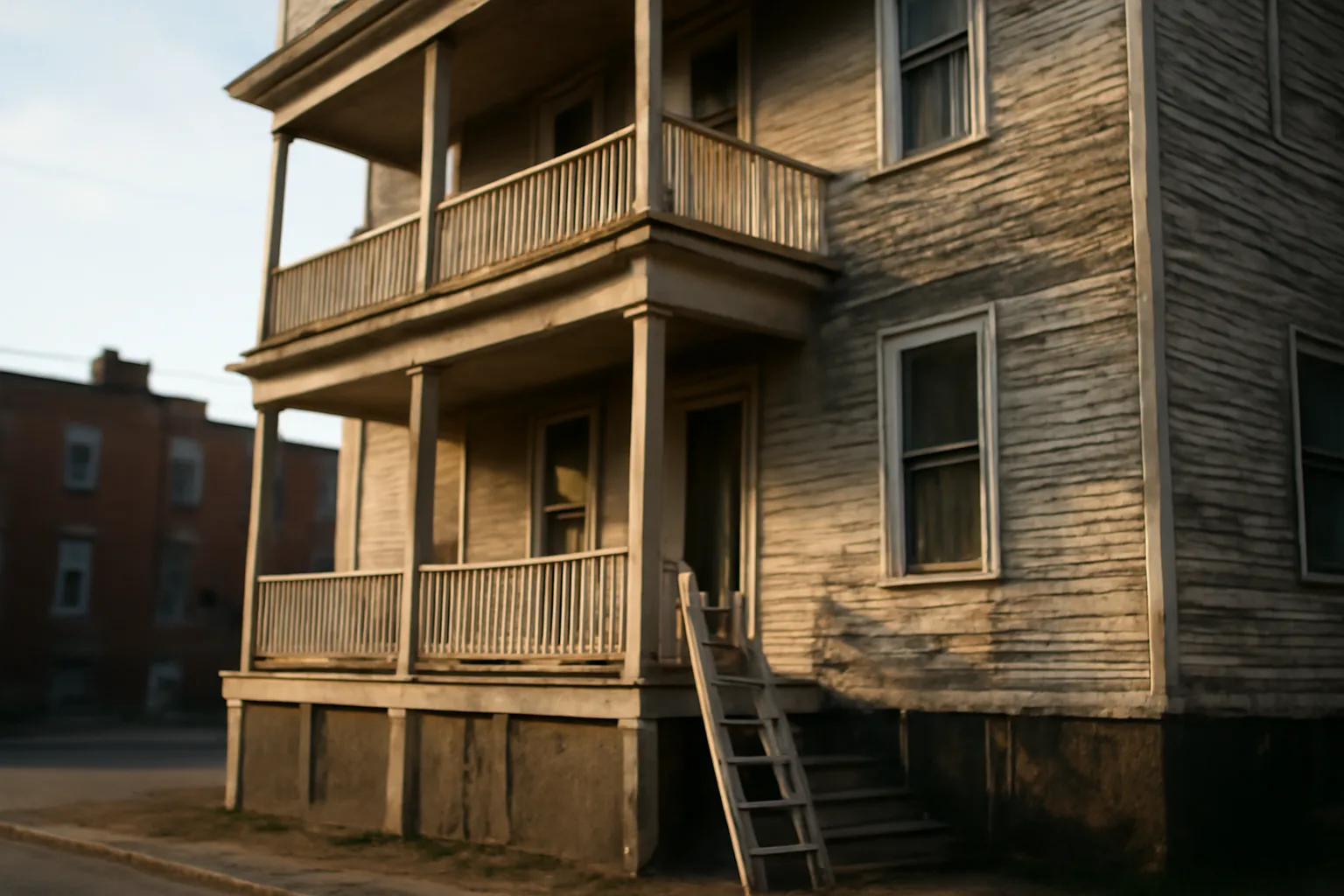
Yes, and this is where it gets city-specific. Providence runs a residential rental registration program through its Department of Inspection and Standards, requiring owners to register rental properties and, in many cases, submit to periodic inspections tied to the city's minimum housing code. Other cities, including Pawtucket and Woonsocket, have run their own rental inspection or registration ordinances at various points, sometimes tied to a fire safety or occupancy certificate. These local rules are separate from, and additional to, the state lead law. A landlord in Providence with a pre-1978 triple-decker could owe: a state Certificate of Compliance or Conformance under the LHMA, a city rental registration filing, and a periodic city housing inspection, all three running on different clocks with different fees. Because city ordinances change (fees get raised, inspection cycles get adjusted, new cities adopt programs), confirm with your city rental licensing office for the current registration fee, renewal cycle, and inspection scope before you assume last year's rules still apply. This is also where a lot of first-time landlords get tripped up: they handle the state lead certificate and think they're done, then get a notice from the city about a registration they never filed.
What does a lead inspector actually check during a Rhode Island inspection?
A RIDOH-licensed lead inspector is looking for three main things: deteriorated paint, lead dust, and bare soil lead hazards, since those are the primary exposure pathways for children. Deteriorated paint means peeling, chipping, chalking, or cracking paint on any surface, inside or outside the unit, especially on windows, doors, stairs, railings, and porches, where friction and impact wear paint down fastest. Lead dust gets checked with dust wipe sampling, usually on floors, window sills, and window troughs, which are the spots where lead dust from old paint tends to accumulate. Bare soil around the exterior, particularly near foundations and drip lines where old exterior paint may have shed over decades, gets checked too if applicable. This inspection is narrower than a general property condition inspection. It is not a full code inspection covering plumbing, electrical, or structural issues (those fall under your city's separate housing code enforcement or building inspection process). If you're trying to understand the broader question of what can a landlord look at during an inspection, the lead inspection is really its own specialized category: a health and safety test focused entirely on lead exposure risk, not a general walkthrough of the unit's condition.
How is a lead inspection different from a general landlord property inspection?
This trips people up constantly, so it's worth separating clearly. A lead inspection under the LHMA is narrow and specific: it's testing for lead paint, lead dust, and lead soil hazards, done by a specially licensed inspector, resulting in a state-filed certificate. A general landlord property inspection, by contrast, is the routine walkthrough a landlord does (or should do) to check the overall condition of a unit: smoke detectors, plumbing leaks, appliance function, signs of pest issues, general wear and tenant damage. This kind of inspection is governed by your lease terms and by general landlord-tenant notice law, not by the lead statute. Rhode Island's landlord-tenant law generally requires landlords to give tenants reasonable notice, and Rhode Island's Residential Landlord and Tenant Act at R.I. Gen. Laws § 34-18-26 addresses a landlord's right of access, generally requiring reasonable notice (commonly at least two days) before entering for inspections, repairs, or showings, except in emergencies [3]. That's a separate legal question from how much notice does a landlord have to give for a scheduled lead inspection, though in practice both should be scheduled with the tenant well in advance, since the inspector needs access to the interior. If you're a landlord anywhere, more than Rhode Island, wondering broadly what can a landlord look at during an inspection, the short answer is: whatever's reasonably necessary to check habitability, safety systems, and lease compliance, not a tenant's personal belongings, and not a search for reasons to evict.
How do you become a landlord in Rhode Island, step by step?
Becoming a landlord isn't a licensing process with a single exam or credential in Rhode Island, but there's a real sequence of steps if you're doing it right. First, know what you're actually buying into. What is landlording? It's the ongoing business of owning residential property and renting it to tenants in exchange for money, which includes maintaining the property, following state and local law, handling repairs, managing turnover, and dealing with the occasional dispute. What is a landlord, legally? Someone who owns or controls a rental property and has agreed, usually through a lease, to let a tenant occupy it. Practical steps for how to become a landlord in Rhode Island: check your property's build date and get the lead certification process started immediately if it's pre-1978, since this can take weeks to schedule and complete; confirm with your city rental licensing office whether local registration or licensing applies; set up a compliant lease that matches Rhode Island's Residential Landlord and Tenant Act (R.I. Gen. Laws Chapter 34-18); get landlord insurance in place before your first tenant moves in; and build a habit of documenting the unit's condition at move-in with photos and a checklist. For how to be a landlord on an ongoing basis, the job really comes down to three habits: respond to repair requests quickly, keep your certificates and registrations current instead of letting them lapse, and put everything in writing. Landlords who skip that third habit are the ones who end up in housing court with no paper trail.
Why do landlords require renters insurance, and does Rhode Island law address it?
Landlords require renters insurance mainly to shift liability and protect against gaps that landlord insurance doesn't cover. A landlord's own property insurance covers the building and the landlord's business interests; it typically does not cover a tenant's personal belongings if there's a fire, burst pipe, or theft. Renters insurance covers that gap, and it often includes liability coverage that protects the landlord if the tenant's negligence (an unattended candle, a bathtub overflow) causes damage. Rhode Island does not have a state law mandating renters insurance across the board, but landlords are generally free to require it as a lease condition, since lease terms beyond the statutory floor are largely a matter of contract between landlord and tenant. Many Rhode Island landlords, especially those with older, pre-1978 buildings already carrying lead compliance costs, treat renters insurance as a basic risk-management requirement, often requiring a minimum liability coverage amount (commonly $100,000) as a lease condition. This isn't unique to Rhode Island. It's standard advice from insurance and property management professionals nationally, precisely because tenant-caused damage claims are common and landlord policies routinely exclude tenant belongings.
What rights do tenants have without a lease in Rhode Island?
A tenant without a written lease in Rhode Island still has rights. Rhode Island law recognizes tenancies without a written agreement as generally month-to-month tenancies, and those tenants are still protected by the state's Residential Landlord and Tenant Act, R.I. Gen. Laws Chapter 34-18 [4]. That means a tenant without a lease still has a right to a habitable unit, protection from illegal lockouts or utility shutoffs, the statutory notice period before termination of a month-to-month tenancy (Rhode Island generally requires the landlord to give the tenant appropriate written notice, commonly cited as at least 30 days for month-to-month terminations under § 34-18-37 language and related provisions), and the same right-of-access protections around landlord entry that a written-lease tenant would have [4]. What a verbal or no-lease tenant does not have is the specific term protections a written lease would spell out, like a fixed rent amount locked in for a set period or specific maintenance responsibilities beyond what state law already requires. If you're renting without a written lease at all, in Rhode Island or anywhere, that's a real risk for the landlord too: it's much harder to prove agreed terms in a dispute. Read up on tenant rights and tenants rights generally if you're managing a no-lease situation, and strongly consider getting a written lease in place going forward even with an existing tenant.
How much notice does a landlord have to give before entering or inspecting?
In Rhode Island, the Residential Landlord and Tenant Act generally requires landlords to give tenants reasonable notice before entering the unit for inspections, repairs, or showings, with courts and the statute generally treating something in the range of at least two days as reasonable absent an emergency [3]. For a scheduled lead inspection specifically, best practice is to give notice well beyond that legal minimum, often a week or more, because you need to coordinate both the tenant's schedule and the licensed inspector's availability. This question comes up outside Rhode Island too, often phrased as who is responsible for rental property walk through inspection California, since California has its own separate, detailed rules under California Civil Code § 1950.5 governing move-out inspections and notice. Those are California-specific requirements and don't apply in Rhode Island; if you own in both states, don't assume the notice periods or inspection triggers are interchangeable. Always confirm the notice rule for the specific state and city where the property sits. A related but separate question, what a landlord cannot do in Ohio, illustrates the same point: every state sets its own floor for landlord conduct, entry notice, and habitability standards, so a rule you learned in one state (or heard from another landlord in a different state) isn't a safe assumption to carry into Rhode Island.
How do you actually get and keep a lead certificate current in Rhode Island?
Start early. Scheduling a licensed lead inspector, completing any needed remediation work, and getting the certificate filed with RIDOH can take weeks, not days, especially if deteriorated paint or dust hazards turn up and need to be addressed before the certificate can be issued. The practical sequence looks like this: confirm your unit's build year (pre-1978 triggers the law); find a RIDOH-licensed lead inspector; get the initial inspection done; address any hazards found (paint stabilization, cleaning, sometimes more involved remediation); get the follow-up inspection or clearance testing; receive your Certificate of Compliance (2-year) or Certificate of Conformance (6-year); and calendar the renewal date immediately, because RIDOH isn't going to send you a friendly reminder six years from now. Owners managing several older units across a city like Providence or Pawtucket often find the paperwork itself, tracking which unit has which certificate type on which expiration date, alongside separate city registration renewal dates, is the actual headache, more than the inspection itself. This is exactly the kind of multi-deadline tracking problem a simple checklist or packet solves better than a spreadsheet you'll forget to update. If you want a structured way to track city-specific rental registration and inspection requirements alongside your state lead certificate deadlines, the $79 City Rental License & Inspection Prep Packet is built for exactly this kind of overlapping-deadline situation.
Where does this leave a Rhode Island landlord who owns in multiple cities?
If you own rentals in more than one Rhode Island city, don't assume the rules are the same across your portfolio. The state lead law under R.I. Gen. Laws Chapter 42-128.1 applies statewide to pre-1978 units regardless of city [1], but local rental registration programs, inspection cycles, and fees vary city by city and change over time as city councils update ordinances. The realistic approach: treat the state lead certificate as your non-negotiable floor everywhere you own pre-1978 property, then confirm with your city rental licensing office for each individual property to find out what local registration or inspection layer sits on top of that floor. Keep a simple per-property log: build year, current lead certificate type and expiration, city registration status and renewal date, and last inspection date. It sounds basic, but most landlord violations in this space come from someone genuinely forgetting a renewal date, not from willful noncompliance. If you're building or expanding a rental portfolio in Rhode Island and want the full picture of what's involved beyond lead compliance, including general landlord obligations, the landlord and landlord landlords guides cover the broader ground, and the renters rights page is worth reviewing so you know what your tenants can reasonably expect from you.
Frequently asked questions
Does Rhode Island have one statewide rental registry for all landlords?
No. Rhode Island doesn't run a single statewide rental registry. It has a statewide lead law (the Lead Hazard Mitigation Act) requiring certification for pre-1978 rentals, and individual cities like Providence run their own separate rental registration programs. Confirm with your city rental licensing office for local requirements on top of the state lead rule.
What is a Certificate of Conformance vs. a Certificate of Compliance in Rhode Island?
A Certificate of Compliance confirms no visible deteriorated paint, dust, or soil lead hazards were found, and lasts 2 years. A Certificate of Conformance certifies a more rigorous lead-safe standard was met and lasts 6 years. Both are issued only by a RIDOH-licensed lead inspector and filed with the state. [3]
How much does a lead inspection cost in Rhode Island?
There's no fixed statewide fee; licensed lead inspectors are independent contractors who set their own rates, and cost depends on unit size and whether you need a Certificate of Compliance or the more thorough Certificate of Conformance. Get quotes from a couple of RIDOH-licensed inspectors, and confirm current pricing with your city rental licensing office too.
How do you become a landlord in Rhode Island?
Confirm your property's build year and start lead certification immediately if pre-1978, check with your city rental licensing office about local registration, set up a lease consistent with R.I. Gen. Laws Chapter 34-18, get landlord insurance, and document unit condition at move-in. There's no state license exam, but skipping any of these steps creates real legal exposure.
What is landlording, and what is a landlord legally responsible for?
Landlording is the ongoing business of owning residential rental property: maintaining it, following state and local housing law, collecting rent, and managing tenant relationships. A landlord is legally the party who owns or controls the property and has agreed, usually via lease, to let a tenant occupy it, taking on habitability and notice obligations under state law like R.I. Gen. Laws Chapter 34-18.
What rights do tenants have without a lease in Rhode Island?
A tenant without a written lease in Rhode Island is generally treated as a month-to-month tenant and still gets full protection under the Residential Landlord and Tenant Act: habitability, protection from illegal lockouts, statutory notice before termination, and the same entry-notice rights a written-lease tenant has. [5]
Why do landlords require renters insurance?
Landlord insurance usually doesn't cover a tenant's personal belongings or all liability from tenant-caused incidents like an overflowing tub or unattended candle. Requiring renters insurance shifts that risk to a policy the tenant carries, often with a minimum liability amount specified in the lease as a condition of tenancy.
How much notice does a landlord have to give before entering a rental unit in Rhode Island?
Rhode Island's Residential Landlord and Tenant Act generally requires reasonable notice before entry for inspections, repairs, or showings, commonly understood as at least two days, except in emergencies. [4] For a lead inspection specifically, giving a week or more of notice is smarter since you're coordinating a licensed inspector's schedule too.
What can a landlord look at during an inspection?
A general landlord inspection can reasonably cover habitability items: smoke detectors, plumbing, appliances, signs of pest problems, and lease compliance. It's not a license to search personal belongings. A Rhode Island lead inspection is narrower still, checking only for deteriorated paint, lead dust, and bare soil lead hazards. [3]
Who is responsible for a rental property walkthrough inspection in California?
That's governed by California Civil Code § 1950.5, which sets rules for move-out inspections separate from Rhode Island law. If you own property in both states, don't assume the same notice periods, inspection triggers, or landlord obligations apply; confirm each state's specific statute for the property in question.
What can't a landlord do in Ohio, and does that apply in Rhode Island?
Ohio has its own landlord-tenant statute (Ohio Revised Code Chapter 5321) setting rules on entry notice, retaliation, and habitability that are specific to Ohio. Those rules don't transfer to Rhode Island, which has its own separate statute, R.I. Gen. Laws Chapter 34-18. Always check the specific state's law rather than assuming rules carry over.
What happens if a Rhode Island landlord skips the required lead inspection?
The landlord risks state enforcement action tied to the Lead Hazard Mitigation Act and separate civil liability if a child is lead-poisoned in a non-compliant unit; Rhode Island courts have handled lead poisoning claims against landlords with serious damages. An expired or missing certificate is also likely to surface during a tenant complaint, sale, or city code inspection.
Do all Rhode Island cities require rental registration in addition to the state lead certificate?
Not uniformly. Providence runs its own residential rental registration program, and other cities like Pawtucket have run local ordinances too, but not every Rhode Island municipality has an active rental registry. Confirm with your specific city rental licensing office, since this varies by city and changes over time.
Sources
- Rhode Island General Laws § 42-128.1-4, Lead Hazard Mitigation Act: Rhode Island requires owners of most pre-1978 rental housing to obtain lead compliance certification under Chapter 42-128.1
- U.S. Consumer Product Safety Commission, lead paint ban: The federal government banned lead-based paint for residential use in 1978
- Rhode Island General Laws § 34-18-26, Residential Landlord and Tenant Act: Rhode Island landlords must give tenants reasonable notice before entering a rental unit for inspection or repairs, except in emergencies
- Rhode Island General Laws § 34-18-37, Residential Landlord and Tenant Act: Tenants without a written lease in Rhode Island are generally treated as month-to-month tenants with statutory notice protections under the Residential Landlord and Tenant Act
- U.S. EPA, Lead-Based Paint Renovation, Repair and Painting Rule, 40 CFR Part 745: Federal rules under 40 CFR Part 745 govern lead-based paint hazards in pre-1978 housing, the same cutoff year Rhode Island's lead law uses