Last updated 2026-07-25
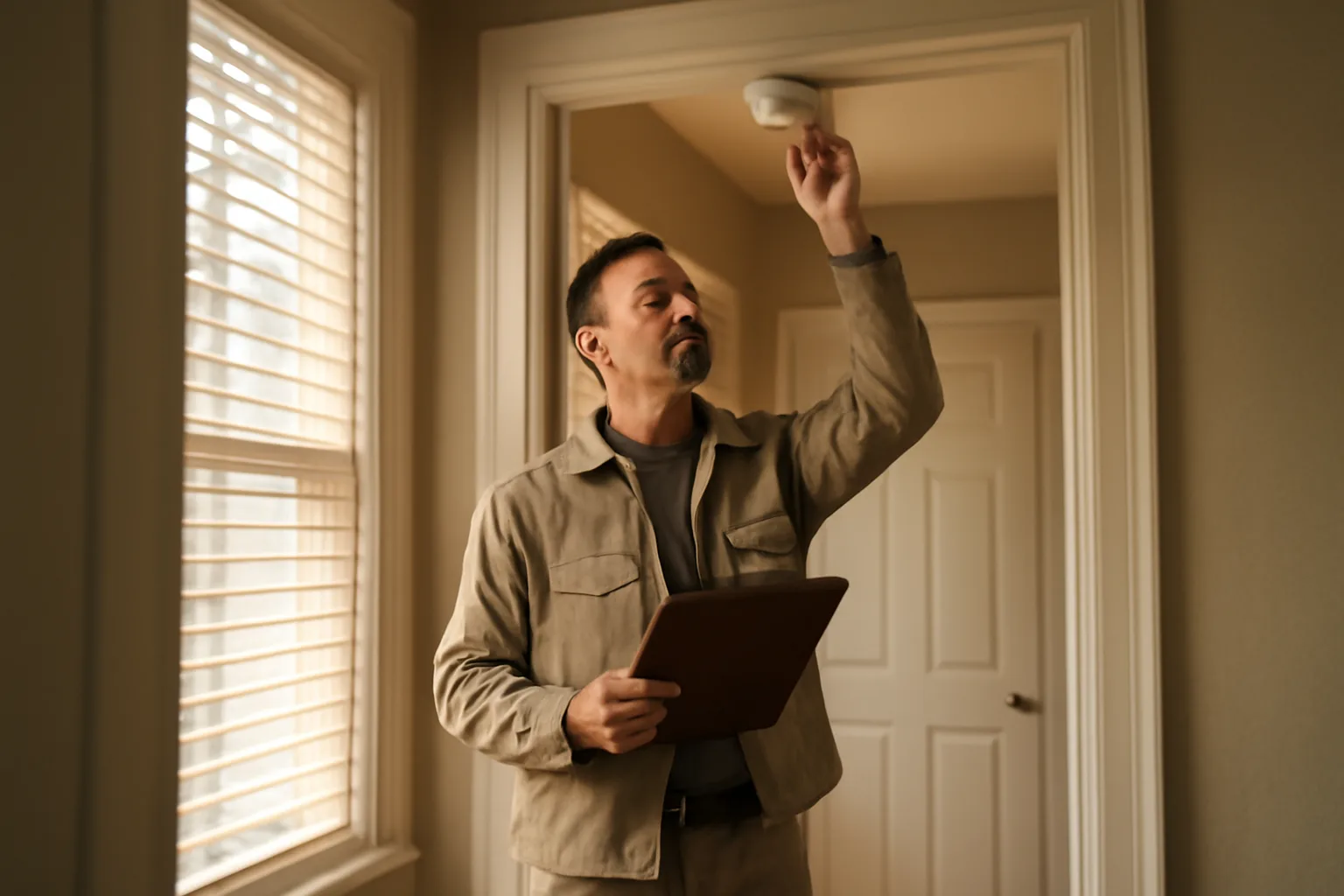
TL;DR
Yes, a landlord can inspect a rented house, but only with proper advance notice (usually 24 to 48 hours depending on state law) and for a legitimate reason like safety checks, repairs, or a required city rental inspection. Landlords generally can't enter without notice except in a true emergency, and they can't search personal belongings or use inspections to harass a tenant.
can a landlord inspect your house whenever they want?
No. A landlord's right to enter a rented house is limited by state landlord-tenant law, and in most states that means giving written or verbal notice before showing up. The exact number varies: California requires "reasonable notice," which state law presumes to be 24 hours unless circumstances suggest otherwise [1]. Other states set a flat number, like 48 hours in some jurisdictions, or don't specify a number at all and just say "reasonable." The baseline national rule that shows up in nearly every state's code is this: entry has to be for a legitimate purpose (repairs, inspection, showing the unit to prospective tenants or buyers, or an emergency), it has to happen at a reasonable time, usually normal business hours, and the landlord can't use the right to enter as a way to harass the tenant. Emergencies are the big exception. If there's a fire, a burst pipe flooding the unit below, a gas leak, or another situation where waiting for notice would cause real damage or danger, most states let a landlord enter immediately without notice [1] [1]. Outside of that, no landlord in a well-run rental operation should be walking in unannounced just because they own the property.
how much notice does a landlord have to give before an inspection?
Most states land somewhere between 24 and 48 hours, but the specific number and whether it has to be in writing depends entirely on your state's landlord-tenant statute. There is no single federal rule here. HUD's public housing guidance for its own programs describes "reasonable notice" as generally meaning 24 hours except in emergencies, and many state courts and statutes borrow that same 24-hour benchmark [2]. Some examples of how this plays out: - California: presumes 24 hours is reasonable notice for entry to make repairs, show the unit, or inspect; notice can be personal delivery, leaving it with someone of suitable age at the unit, or mail (mailed notice needs six extra days) [1].
- Many other states use a similar 24 to 48 hour window written into their residential landlord-tenant act, though the specific hours and delivery method vary by state. Because this varies by state and sometimes by city rental inspection ordinance on top of state law, the honest answer is: check your specific state's landlord-tenant statute and your city's rental inspection program rules, since a city inspector may operate under different notice rules than your landlord's personal entry rights. If you're unsure, your state attorney general's consumer protection page or state bar association's tenant rights guide usually has the exact number. A quick note on lease clauses: a lease can't waive statutory notice requirements in most states. If your lease says "landlord may enter at any time," that clause is very likely unenforceable where state law sets a stricter notice standard.
what can a landlord look at during an inspection?
A landlord can generally check things that relate to the physical condition of the property and compliance with the lease: smoke detectors and carbon monoxide alarms, plumbing and signs of leaks, HVAC function, electrical outlets and panels, evidence of pest infestation, structural damage, and whether the unit matches what the lease allows (number of occupants, unauthorized pets, illegal subletting). For city-mandated rental inspections tied to a rental license or registration program, the scope is usually narrower and defined by local housing code: working smoke and CO detectors, secure locks, adequate egress windows in bedrooms, no exposed wiring, functioning heat, and no obvious code violations like mold or structural hazards. These inspections exist to confirm the unit is safe and habitable, not to evaluate housekeeping. What a landlord or inspector generally should not do: open drawers, closets, or personal storage looking through belongings, photograph personal items unrelated to the property's condition, or use the visit to question the tenant about unrelated matters. The purpose of entry has to match what's disclosed in the notice. If the notice says "inspection to check smoke detectors," the visit should be about smoke detectors and general condition, not a search.
what a landlord cannot do in ohio
Ohio's landlord-tenant law (Ohio Revised Code Chapter 5321) requires landlords to give "reasonable notice" and enter at "reasonable times" for inspection, repairs, alterations, supplying services, or showing the unit, and the statute specifically states that 24 hours notice is presumed to be reasonable [3]. Ohio law also prohibits a landlord from entering in a way that constitutes harassment of the tenant. Beyond entry rules, Ohio landlords cannot: shut off utilities to force a tenant out (self-help eviction is illegal under ORC 5321.03, and a court can award the tenant damages plus reasonable attorney's fees for it) [4], remove a tenant's belongings or change the locks without a court order, retaliate against a tenant for reporting a code violation or joining a tenant union (ORC 5321.02 bars retaliatory conduct like eviction, rent increases, or service reduction within specified circumstances) [5], or discriminate based on a protected class under the Fair Housing Act. If an Ohio landlord wants a tenant out, the only lawful path is a court eviction (forcible entry and detainer action) filed after proper notice, typically a three-day notice to leave the premises for nonpayment or lease violation. Locking someone out, shutting off water, or removing the door is illegal self-help and can backfire badly in court.
who is responsible for rental property walk-through inspections in california?
In California, the landlord is responsible for scheduling and conducting move-in and move-out walk-through inspections, but the tenant has a right to participate. California Civil Code Section 1950.5 gives tenants the right to request an initial inspection before move-out, done at a time mutually agreed upon, so the tenant gets a chance to fix any issues before the final deposit deduction decision [6]. At that initial inspection, the landlord has to give the tenant an itemized statement of anything that needs fixing or cleaning to avoid a deduction from the security deposit, and the tenant then gets a reasonable opportunity to remedy those items before move-out [6]. This is different from a routine mid-tenancy inspection or a city-required rental inspection tied to a rental license program; those follow the general entry-notice rules described above, not the move-out specific statute. For city-mandated rental licensing inspections (common in cities that require a rental registration or license before renting out a unit), the responsibility usually sits with the property owner or their designated agent to schedule the inspection with the city's housing or code enforcement department and be present or have someone present to let the inspector in. City programs vary a lot on this, so confirm the specific requirement with your city rental licensing office.
what rights do tenants have without a lease?
A tenant without a written lease, sometimes called a month-to-month tenant or a tenant-at-will, still has legal rights under state landlord-tenant law. Verbal or implied rental agreements are legal in most states, and the tenant gets the same basic protections: the right to a habitable unit, the right to advance notice before the landlord enters, and the right to proper legal process before eviction. Without a written lease, the terms of tenancy (rent amount, due date, month-to-month status) are usually whatever both parties agreed to verbally or by consistent practice, like paying rent by the first of the month. A landlord generally has to give notice to end a month-to-month tenancy, and that notice period is set by state law, often 30 days, sometimes longer for tenants who've lived there a long time (some states require 60 days notice after one year of tenancy). A tenant without a lease still cannot be locked out, have utilities shut off, or have belongings removed without a court order in any state. The absence of a written lease does not strip a tenant of habitability rights or fair housing protections. If you're a landlord operating without written leases, that's a real liability exposure: verbal agreements are harder to enforce and easier to dispute in court. Written leases exist for a reason.
why do landlords require renters insurance?
Landlords require renters insurance mainly to shift financial risk away from themselves. A landlord's own property insurance covers the building and the landlord's own possessions (appliances, fixtures) but typically does not cover a tenant's personal belongings if there's a fire, theft, or water damage, and it doesn't cover the landlord if the tenant is found legally liable for causing damage to someone else's property or injury to a guest. Renters insurance typically includes personal property coverage, liability coverage (if the tenant accidentally causes a fire or a guest gets hurt in the unit), and loss-of-use coverage if the tenant has to live elsewhere temporarily after a covered event. Requiring it as a lease condition means the tenant's own policy, not the landlord's, pays out first in most disputes over tenant-caused damage or tenant liability claims. Many states explicitly allow landlords to require renters insurance as a lease condition, and it's become standard practice in a lot of markets, especially for landlords with only one or a few units who can't absorb an uninsured loss the way a large property management company might. It's a cheap way to reduce a landlord's own exposure; renters insurance policies commonly run somewhere in the range of $15 to $30 a month depending on coverage amount and location, though exact pricing depends on the insurer and the tenant's coverage choices.
what is landlording, and what is a landlord?
A landlord is a person or entity that owns residential or commercial property and rents it to a tenant in exchange for regular payment, usually under a lease or rental agreement. Landlording is the informal term for the practice of managing that rental relationship: collecting rent, maintaining the property, handling repairs, screening tenants, and complying with local, state, and federal law. Landlording covers a wide set of responsibilities beyond just owning a building. A landlord is legally responsible for keeping the unit habitable (working plumbing, heat, structurally sound, free of serious pest infestations), following fair housing law in tenant selection and treatment (Title VIII of the Civil Rights Act, better known as the Fair Housing Act, bars discrimination based on race, color, religion, sex, national origin, disability, and familial status) , and following state-specific rules on deposits, entry notice, and eviction procedure. Many cities also require landlords to register their rental property, obtain a rental license, and pass a periodic inspection before renting legally, especially in cities with mandatory rental licensing programs aimed at reducing substandard housing. These programs are separate from state landlord-tenant law and are enforced by the city's housing or code enforcement department, with their own fees, deadlines, and inspection checklists that vary city to city.
how to become a landlord, and how to be a landlord (without a mess)
Becoming a landlord starts with buying or already owning a residential property you intend to rent out, then working through a checklist most new landlords underestimate: check local zoning and rental licensing requirements, get proper landlord insurance (different from a standard homeowner's policy), understand your state's security deposit limits and return timelines, and know your state's required notice periods for entry and lease termination. A realistic starter list looks like this: 1. Confirm the property is legally zoned for rental use and check whether your city requires a rental license or registration before you can rent it out. 2. Get landlord (dwelling) insurance, not a standard homeowner's policy, since most homeowner policies exclude rental use. 3. Learn your state's security deposit rules (maximum amount, where it must be held, deadline to return it after move-out, often 14 to 30 days depending on state). 4. Write a lease that matches your state's law on notice periods, entry rights, and habitability, ideally reviewed by a local attorney or a state bar association's landlord-tenant resource. 5. Screen tenants consistently and legally under the Fair Housing Act , using the same criteria for every applicant. 6. Set up a system for maintenance requests and document every repair, notice, and entry. Being a good landlord day-to-day mostly comes down to consistency: giving proper notice every time you enter, responding to repair requests promptly (habitability laws in most states require this), and keeping records. Landlords who skip the city registration step are often the ones who get hit with the biggest surprise: a violation notice and a fine after someone reports the unrented rental to the city, sometimes months or years after they started renting it out. If you're catching up on a city rental license application after already getting a notice, our $79 City Rental License & Inspection Prep Packet walks through the paperwork and inspection checklist so you're not scrambling the week before an inspector shows up.
what happens if a landlord skips proper notice or oversteps during an inspection?
If a landlord enters without proper notice outside of an emergency, tenants in most states can pursue a few remedies: a written complaint to the landlord citing the specific statute violated, a complaint to a local housing authority or tenant rights organization, or in some states a small claims court case for actual damages plus, in some jurisdictions, statutory penalties. California, for example, allows a tenant to sue for actual damages if a landlord abuses the right of access or uses it to harass the tenant, and repeated unauthorized entries can support a claim that the landlord violated the implied covenant of quiet enjoyment [1]. Ohio's statute similarly treats unreasonable or harassing entry as a violation a tenant can raise in court, separate from the illegal lockout protections under ORC 5321.03 [3] [4]. For city-mandated rental inspections, oversights usually run the other direction: a landlord who misses a scheduled inspection or lets a rental license lapse is the one who ends up facing a fine or a stop-rent order from the city, not the other way around. Fines for operating without a required rental license vary widely by city, from under $100 to well over $1,000 per violation or per day in some jurisdictions, so confirm the specific fine schedule with your city rental licensing office before assuming a late registration is a minor issue.
Frequently asked questions
Can a landlord inspect your house without notice?
Only in a genuine emergency (fire, flooding, gas leak, or a situation where waiting would cause serious damage). For any routine, non-emergency inspection, most states require advance notice, commonly 24 to 48 hours, delivered in writing or verbally depending on the state's law.
How much notice does a landlord have to give before an inspection?
It depends on the state. California presumes 24 hours is reasonable notice for entry to inspect, repair, or show a unit [1]. Ohio also treats 24 hours as presumptively reasonable [4]. Other states set different numbers, so check your specific state's landlord-tenant statute.
What can a landlord look at during an inspection?
Generally the physical condition and safety features of the unit: smoke and CO detectors, plumbing, HVAC, electrical, signs of pests or structural damage, and compliance with the lease terms like occupancy limits. A landlord should not go through personal belongings, drawers, or closets unrelated to the property's condition.
What a landlord cannot do in Ohio?
Under Ohio Revised Code Chapter 5321, a landlord cannot enter without reasonable notice (presumed 24 hours), cannot shut off utilities or change locks to force a tenant out (illegal self-help eviction under ORC 5321.03), and cannot retaliate against a tenant for reporting code violations under ORC 5321.02 [4][5][6].
Who is responsible for a rental property walk-through inspection in California?
The landlord schedules and conducts move-in and move-out walk-throughs, but California Civil Code 1950.5 gives tenants the right to request an initial move-out inspection so they can fix issues before final deposit deductions are made [7]. For city rental license inspections, the property owner is typically responsible for scheduling with the city.
What rights do tenants have without a lease?
A tenant without a written lease still has full legal protections under state law: the right to advance notice before entry, the right to a habitable unit, and the right to a formal eviction process rather than a lockout. Verbal rental agreements are legally binding in most states, though terms can be harder to prove in a dispute.
Why do landlords require renters insurance?
Because a landlord's own property policy usually doesn't cover a tenant's belongings or protect the landlord from liability if the tenant causes damage or a guest is injured. Requiring renters insurance shifts that risk to the tenant's own policy, which commonly costs roughly $15 to $30 a month.
What is the difference between a landlord and landlording?
A landlord is the person or entity who owns and rents out property. Landlording is the practice or activity of managing that rental relationship, including rent collection, maintenance, tenant screening, and compliance with local, state, and federal law.
How do you become a landlord?
Confirm your property's zoning and any city rental licensing requirement, get proper landlord insurance, learn your state's deposit and notice rules, write a compliant lease, and screen tenants consistently under the Fair Housing Act. Many first-time landlords skip the local licensing step and get hit with a violation notice later.
Can a landlord look through drawers or closets during an inspection?
Generally no. Inspections are meant to check the property's condition and safety features, not to search personal belongings. A landlord going through drawers or closets unrelated to a stated repair or safety issue is overstepping the purpose of the entry in most states' interpretation of reasonable access.
Does a city rental inspection follow different notice rules than a landlord's own entry?
Often yes. State landlord-tenant law governs a landlord's personal right to enter (usually 24 to 48 hours notice). A city's mandatory rental licensing inspection is a separate program with its own notice and scheduling rules set by the local housing or code enforcement department, so confirm specifics with your city rental licensing office.
What happens if a landlord enters without proper notice?
Tenants can generally document the violation, complain to the landlord in writing citing the statute, contact a local tenant rights organization, or pursue a small claims case for damages in some states. Repeated unauthorized entry can also support a claim that the landlord violated the tenant's right to quiet enjoyment.
Sources
- California Civil Code Section 1954: California presumes 24 hours notice is reasonable for landlord entry to repair, inspect, or show a unit, with exceptions for emergencies
- Ohio Revised Code Section 5321.04: Ohio landlords must give reasonable notice and enter at reasonable times; 24 hours is presumed reasonable
- Ohio Revised Code Section 5321.03: Ohio prohibits landlord self-help eviction such as shutting off utilities or removing belongings without court order, with remedies including damages and attorney's fees
- Ohio Revised Code Section 5321.02: Ohio law bars landlord retaliation against tenants who report code violations or join a tenant union
- California Civil Code Section 1950.5: Tenants have the right to request an initial move-out inspection before final security deposit deductions
- U.S. Department of Justice, Fair Housing Act overview: The Fair Housing Act bars discrimination in housing based on race, color, religion, sex, national origin, disability, and familial status