Last updated 2026-07-26
TL;DR
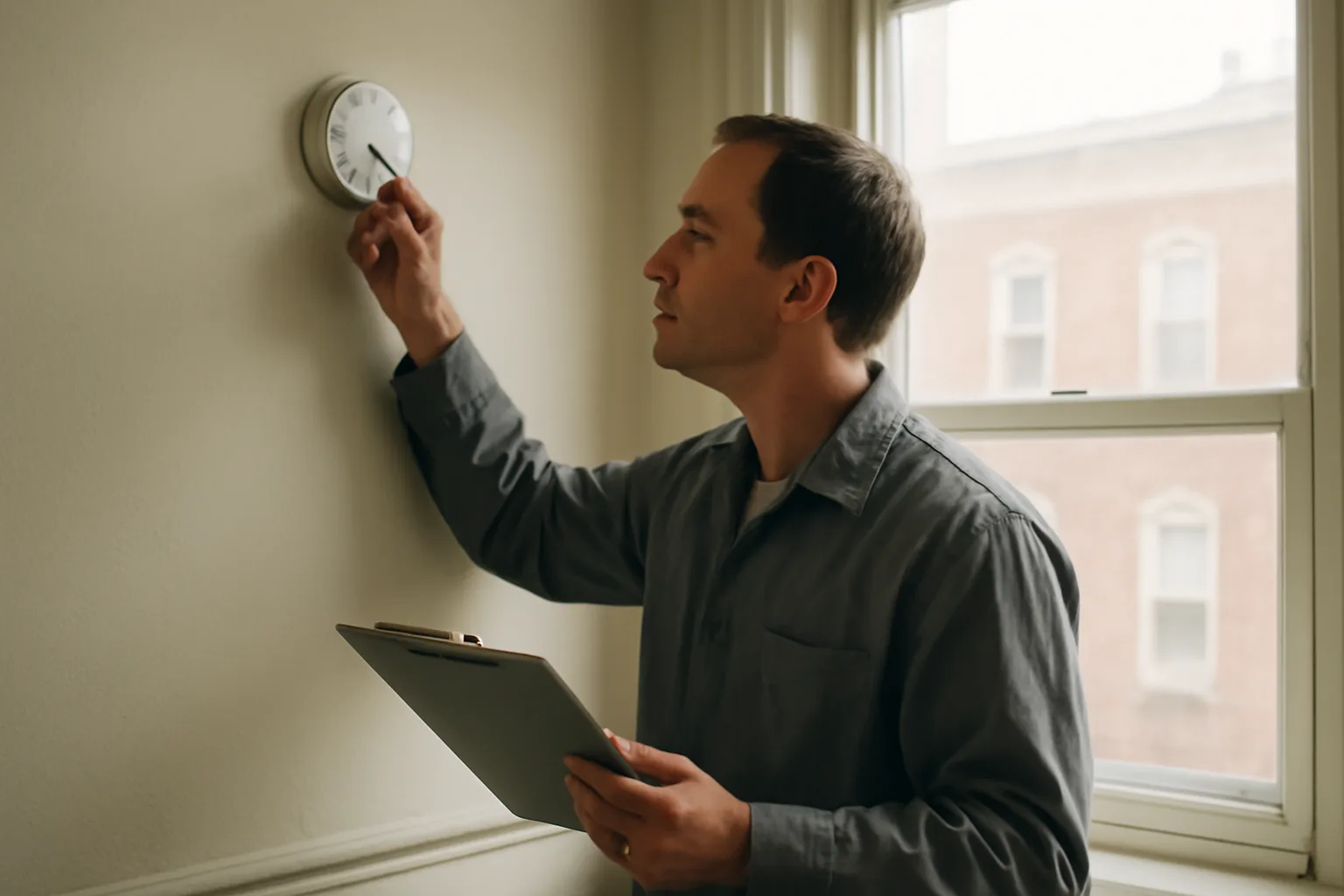
DC requires most rental housing to be licensed through the Department of Licensing and Consumer Protection (DLCP), and licensing requires a passed housing code inspection. Inspections check smoke/CO alarms, egress, electrical, plumbing, and general habitability under 14 DCMR. Fees and inspection cadence vary by unit count, so confirm current numbers with DLCP before you budget or schedule.
Does DC require a rental license and inspection for every rental unit?
Yes, with narrow exceptions. The District of Columbia requires owners of rental housing to obtain a Basic Business License (BBL) with a Housing endorsement before renting out a unit, and that licensing process runs through an inspection requirement under DC's housing regulations. The legal foundation sits in 14 DCMR (the Housing Regulations) and the business licensing rules administered by the Department of Licensing and Consumer Protection, DLCP, which absorbed most of the old Department of Consumer and Regulatory Affairs (DCRA) rental housing functions in 2022. Owner-occupied buildings with a small number of units sometimes qualify for exemptions, and there's a separate registration path for cooperative and condo units rented individually. But if you own a standalone rental house, a small multifamily building, or units you don't live in, assume you need a license and an inspection unless DLCP tells you otherwise in writing. Don't guess based on what a neighbor did five years ago; DC's rental rules have shifted more than once since 2020, including the DLCP reorganization itself. Confirm your specific building's licensing category, exemption status, and current fee with DLCP's Housing division before you list a unit or renew a license.
What does a DC rental housing inspection actually check?
Inspectors are checking whether the unit and the building meet the Housing Regulations under 14 DCMR Chapters 1 through 15 roughly, covering structural soundness, sanitation, fire safety, and basic systems. That means smoke alarms and carbon monoxide alarms in the right locations, working locks on doors and windows, no exposed wiring, functioning heat (DC has minimum heat requirements during the heating season), no active leaks, and no infestation. Specific items inspectors commonly flag: smoke detectors that are missing, expired, or not hard-wired where required; window screens missing in warmer months; peeling paint in pre-1978 buildings (a lead paint concern under both DC and federal rules); broken or missing handrails on stairs; inadequate egress from bedrooms; and improperly stored trash that could attract pests. DC's housing code also sets minimum room sizes and requires at least one window in habitable rooms. Carbon monoxide alarm requirements in DC apply to units with fuel-burning appliances or attached garages, consistent with the DC CO alarm law [1]. If you've got a gas furnace, gas stove, or gas water heater anywhere in the building, expect the inspector to check CO alarm placement specifically, more than smoke alarms. Heat, hot water, structural safety, and pest control are the big four categories that generate the most tenant complaints and the most fines when they fail. This is also the same general category of check a tenant rights advocate would tell a renter to watch for if they think their unit is substandard.
How much does DC rental licensing and inspection cost?
DLCP publishes license fee schedules by number of rental units and license type, and those fees have changed over time as programs shifted between DCRA and DLCP. Rather than quote a number that may be stale by the time you read this, confirm the current Basic Business License housing endorsement fee, the inspection fee (if billed separately), and the renewal cycle length directly with DLCP's licensing office before budgeting. What you should ask DLCP directly: the exact fee for your unit count tier, whether inspection is bundled into the licensing fee or billed as a separate line item, how long the license is valid before renewal, and whether there's a reinspection fee if you fail the first pass. Cities that require inspection often charge a reinspection fee separate from the original fee, and DC's fee schedule is the kind of detail that changes with budget cycles. Treat any number you see online, including here, as provisional until DLCP confirms it in writing. If you're managing multiple units or buildings, a landlord landlords resource that tracks per-unit versus per-building fee structures can help you budget across a portfolio, since DC's tiering sometimes rewards or penalizes owners differently depending on whether units are in one building or scattered across the city.
How often does DC re-inspect a rental license?
Rental licenses in DC are not permanent. They're issued for a set term and require renewal, and renewal in DC has historically triggered another inspection cycle rather than a rubber-stamp reissue. The exact renewal period and whether every renewal requires a fresh walk-through inspection versus a self-certification is something DLCP's Housing team can confirm for your license type, because DC has adjusted this administratively as it modernized systems after the 2022 agency reorganization. Separately from the routine renewal cycle, DC can trigger a complaint-based inspection any time a tenant files a housing code complaint. Those inspections aren't scheduled on your license clock; they happen when DLCP receives and prioritizes a complaint, and a failed complaint inspection can lead to a Notice of Violation independent of your regular renewal timeline. Set a calendar reminder well before your license expiration date. DC, like most licensing municipalities, doesn't extend grace periods for landlords who simply forgot, and a lapsed license can complicate eviction filings, since DC law generally requires an active, valid license to pursue certain landlord-tenant actions in court.
What happens if my DC rental fails inspection?
You get a written list of violations with corrective deadlines, and in most cases a reinspection is scheduled after you've made repairs. Fix the item, document it (photos help), and DLCP will typically send someone back out or ask for proof of correction depending on the violation type. Minor items, like a missing smoke alarm battery cover or a loose handrail, often get a short cure window measured in days to a couple of weeks. Structural or life-safety items, like no working smoke alarm at all, blocked egress, or an active gas leak, can get you a much shorter deadline or even an order to stop renting the unit until it's fixed. Failing an inspection does not automatically mean your license is revoked, but ignoring the violation notice can escalate to fines and, eventually, license suspension or revocation. DC's housing code enforcement runs through the Office of Administrative Hearings for contested violations, so if you believe an inspector got something wrong (measured a room incorrectly, cited a code section that doesn't apply to your building's age or type) you generally have a right to contest it rather than just pay. Don't let a failed inspection sit. The fastest and cheapest path is almost always: fix it, document it, request reinspection promptly. Landlords who let violations age into repeat citations are the ones who end up with real fines and, sometimes, licensing holds that block a legal eviction filing later.
What can a landlord look at during an inspection?
This question comes up a lot from landlords conducting their own periodic unit walk-throughs (separate from the government's licensing inspection), and the honest answer is: less than you might assume. A landlord's own inspection of an occupied unit, for maintenance or lease-compliance purposes, has to respect the tenant's right to quiet enjoyment and give proper notice; it is not the same legal event as a government housing code inspection. During a landlord-initiated walk-through, you can generally look at things that affect the property itself and habitability: smoke alarm function, visible water damage, HVAC filters, signs of unauthorized pets or occupants if your lease restricts them, obvious code violations you're liable for, and general condition of appliances and fixtures. You cannot use the inspection as a pretext to search personal belongings, go through drawers or closets unrelated to a maintenance issue, or show up unannounced without cause. Most states, DC included, require advance written notice before a non-emergency entry, commonly 48 hours, though the exact notice period and permitted reasons for entry are set by your local landlord-tenant code, not a national standard. If you're unsure what your specific jurisdiction requires, check your local tenant protection statute rather than assuming a number you saw for a different state. For the government's licensing inspection specifically, the inspector is checking the same broad categories described above (smoke/CO alarms, structural safety, pest evidence, sanitation), and typically has authority to inspect common areas and any unit for which the license application covers, though occupied unit access for compliance inspections usually still requires reasonable notice to the tenant.
How much notice does a landlord have to give before entering?
There's no single national number; notice requirements are set state by state and sometimes city by city. Many jurisdictions land somewhere in the 24 to 48 hour range for routine, non-emergency entry (repairs, showings, inspections), but the exact figure, and whether it needs to be in writing, depends entirely on your local landlord-tenant statute. For DC specifically, and for any other jurisdiction you operate in, check the actual code section rather than relying on a rule of thumb, because some states set 24 hours, some set 48 hours, and a few don't specify a number at all and instead require "reasonable notice." Emergency entry (fire, flooding, gas leak) is universally treated differently and generally doesn't require advance notice anywhere. If you manage units in more than one city, keep a simple reference sheet of each jurisdiction's notice period next to your lease templates. Getting this wrong isn't just a technicality: improper entry is one of the more common tenant complaints that can turn into a habitability or harassment claim, and it can undercut your credibility if you end up in housing court over an unrelated issue.
What is landlording, and what does a landlord actually do?
Landlording is the ongoing job of owning and operating rental property: collecting rent, maintaining habitability, handling repairs, managing turnover, staying current on licensing and code compliance, and handling the legal side of the tenant relationship (leases, notices, and if it comes to it, eviction filings). It's part maintenance manager, part bookkeeper, part compliance officer. A landlord, in the legal sense, is the party who owns or controls a rental property and leases it to a tenant in exchange for rent, taking on the corresponding legal duties: providing a habitable unit, following the lease terms, respecting the tenant's statutory rights, and complying with local licensing and housing code rules like DC's. That last part, the licensing and code compliance piece, is exactly what trips up first-time landlords, because it's the part with deadlines, fees, and inspections attached, and it's the part that doesn't show up in generic "how to be a landlord" advice built for states without mandatory rental licensing. If you're new to a city like DC that requires licensing, budget real time for the compliance side, more than the maintenance and tenant-relations side. It's a genuinely separate skill set from fixing a leaky faucet or screening an applicant.
How do you become a landlord, step by step, in a licensing city like DC?
The mechanics are the same everywhere in broad strokes, but a licensing municipality like DC adds steps most "how to become a landlord" guides skip. Here's the realistic order of operations: 1. Confirm the property is legally rentable in its current configuration (zoning, unit count, occupancy limits) with DC's zoning and licensing offices. 2. Get any needed Basic Business License with the housing endorsement before you advertise the unit; renting without a valid license can expose you to fines and can block eviction filings later. 3. Schedule and pass the initial housing code inspection required for licensure. 4. Screen tenants and sign a lease compliant with DC's tenant protection rules (security deposit caps, required disclosures, lead paint disclosure for pre-1978 buildings under federal law). 5. Set up rent collection, maintenance response, and a system for tracking your license renewal date and any reinspection cycle. 6. Keep records: inspection results, repair receipts, notice-of-entry copies, and rent ledgers. If you ever end up at the Office of Administrative Hearings or in landlord-tenant court, paper trail is everything. Skipping step 2 or 3 is the single most common mistake first-time DC landlords make, usually because they assume renting a rowhouse basement unit or a single-family home doesn't count as a rental business requiring a license. In DC, it usually does.
Who is responsible for the rental walk-through inspection: California vs. DC comparison
| Governing authority | DLCP (Dept. of Licensing and Consumer Protection) citywide | City/county code enforcement, no statewide mandate | |
|---|---|---|---|
| Inspection trigger | Required before initial license and at renewal | Only in cities with local rental inspection ordinances (e.g., LA's SCEP) [2] | |
| Who conducts walk-through | DLCP housing inspector | Local code enforcement inspector | |
| Statewide consistency | Yes, one system | No, varies city to city | If you own property in both places, don't assume your California compliance habits transfer to DC, or vice versa. DC's centralized licensing model means missing one renewal deadline citywide has bigger consequences than in a California city with a lighter-touch program. |
This question gets asked a lot because California doesn't have a single statewide mandatory rental licensing inspection program the way DC does. California's inspection obligations mostly come from local city or county rental inspection ordinances; some cities, like Los Angeles under its Systematic Code Enforcement Program, run mandatory periodic inspections, while many California cities have no such program at all [2]. Responsibility in California, where it exists, sits with the city or county code enforcement agency conducting the inspection, and the landlord's job is to grant access and correct violations found. DC's system is more centralized: DLCP is the single citywide authority running licensing and inspection for nearly all rental housing, rather than the patchwork of city-by-city ordinances you see across California. That means a DC landlord deals with one agency and one set of rules citywide, while a California landlord's obligations depend entirely on which city or county the property sits in. | Feature | Washington, DC | California (varies by city) |
What rights do tenants have without a lease?
A tenant without a written lease, sometimes called a tenant-at-will or month-to-month tenant by operation of law, still has real legal protections. The absence of a signed lease doesn't strip away habitability rights, notice requirements, or eviction protections. In DC specifically, an oral or implied tenancy is still subject to the Housing Regulations, rent stabilization rules where applicable, and the standard notice-to-vacate periods required before a landlord can end the tenancy. Generally, without a written lease, the tenancy is presumed to run month-to-month, rent amount and due date are whatever was actually being paid and accepted, and the landlord still owes the same habitability duties (working plumbing, heat, structural safety) as with a written lease. The main practical difference is a written lease creates clearer proof of the agreed terms. Without one, disputes about rent amount, deposit terms, or move-out notice often come down to whoever has better documentation (texts, receipts, canceled checks). Ending a no-lease, month-to-month tenancy still requires proper written notice under DC law, and the notice period is typically longer than most landlords expect, since DC has strong tenant notice requirements compared to many states. A tenants rights resource specific to your jurisdiction is worth reading before you try to end any tenancy, lease or no lease, because DC's notice periods and just-cause eviction protections are stricter than the national norm.
Why do landlords require renters insurance, and can DC landlords mandate it?
Landlords require renters insurance mainly to shift liability for the tenant's personal property loss and personal liability claims away from the landlord's own policy. A landlord's building insurance covers the structure, not the tenant's furniture, electronics, or clothing, and it typically doesn't cover a tenant's liability if they, say, cause a fire that damages a neighbor's unit. Renters insurance closes that gap. Requiring renters insurance as a lease condition is legal in DC and in most states, as long as the requirement is disclosed in the lease and applied consistently to all tenants. Singling out specific tenants for an insurance requirement can raise fair housing concerns. Typical renters insurance policies cost in a fairly modest range nationally, though the exact premium depends on coverage limits, location, and the tenant's claims history; check current market rates rather than relying on an old number. From a landlord's risk-management standpoint, requiring renters insurance is one of the cheapest protections available. A burst pipe ruins their belongings, and now it's their insurer's problem, not an argument with you, and it can reduce disputes after fire or water damage events.
What can't a landlord do, and how does that vary state to state (Ohio example)?
Every state, and DC, prohibits certain landlord actions regardless of what the lease says: illegal "self-help" eviction (changing locks, shutting off utilities, or removing a tenant's belongings without a court order), retaliation against a tenant for reporting code violations, and discrimination based on protected classes under the federal Fair Housing Act and applicable state and local law [3]. In Ohio specifically, the Ohio Landlords and Tenants Act (Ohio Revised Code Chapter 5321) sets out core duties and prohibitions: Ohio landlords cannot shut off utilities or lock a tenant out without a court eviction order, cannot retaliate against a tenant for exercising legal rights like reporting a housing code violation, and must maintain the premises in a fit and habitable condition [4]. These are broadly similar in spirit to DC's own prohibitions against self-help eviction and retaliation, even though the exact statutory language differs. If you own property in DC and also in Ohio or another state, don't assume the rules are interchangeable. DC has some of the strongest tenant protections in the country, including strict notice periods and, for many buildings, rent stabilization coverage and tenant right-of-first-refusal requirements (TOPA) that simply don't exist in most other states. Read your specific jurisdiction's landlord-tenant statute before acting, every time, rather than applying a rule you learned in one state to a property in another.
Where to get help staying compliant with DC's rental licensing rules
DLCP's Housing division is the first call for anything specific to your building: current fees, inspection scheduling, renewal deadlines, and whether your building qualifies for any owner-occupancy exemption. Their answers are the only ones that matter for your actual license, since fee schedules and inspection cadences are the kind of thing that shifts with each budget cycle. If you want a structured way to prepare for an inspection or a first-time license application, that's exactly the gap our $79 one-time City Rental License & Inspection Prep Packet is built to close: a checklist-driven walkthrough of the common inspection items (alarms, egress, sanitation) and the paperwork DC typically asks for, organized so you're not hunting through agency PDFs the week before your inspection. Grab it at /rental-packet-builder if you'd rather have a checklist than a stack of code sections. None of this replaces legal advice specific to your property and situation. If you're facing a contested violation, a licensing denial, or anything headed toward the Office of Administrative Hearings, talk to a DC landlord-tenant attorney before you respond.
Frequently asked questions
Do I need a rental license in DC if I only rent out one room in my home?
Owner-occupied units renting a small number of rooms sometimes qualify for a licensing exemption in DC, but the exact threshold and paperwork depend on current DLCP rules. Confirm your specific situation with DLCP's Housing division before assuming you're exempt; renting without a required license can expose you to fines and complicate future eviction filings.
What is landlording?
Landlording is the day-to-day and long-term work of owning and operating rental property: collecting rent, keeping the unit habitable, managing repairs and turnover, and complying with local licensing, inspection, and tenant-protection laws. In licensing cities like DC, it also means tracking license renewal deadlines and inspection cycles, which is a distinct skill from general property maintenance.
What is a landlord?
A landlord is the person or entity that owns or controls rental property and leases it to a tenant for rent, taking on legal duties like maintaining habitability, following lease terms, and complying with housing codes and licensing rules such as DC's DLCP rental licensing requirements.
How do I become a landlord in Washington, DC?
Confirm the property is legally rentable, obtain the required Basic Business License with a housing endorsement, pass the initial DLCP housing inspection, sign a code-compliant lease, and set up systems to track your license renewal date. Skipping the licensing and inspection steps is the most common first-time mistake in DC specifically.
Who is responsible for a rental walk-through inspection, California or the landlord?
In California cities that run mandatory inspection programs (like Los Angeles's Systematic Code Enforcement Program), the local code enforcement agency conducts the walk-through; the landlord's responsibility is to grant access and fix cited violations. Many California cities have no mandatory program at all, unlike DC's centralized citywide DLCP system.
What rights do tenants have without a lease?
A tenant without a written lease still has full habitability and eviction-notice protections; the tenancy is typically treated as month-to-month, and the landlord still owes duties like working heat and plumbing. Ending the tenancy still requires proper written notice under local law, even with no lease in place.
Why do landlords require renters insurance?
Renters insurance shifts liability for the tenant's personal property loss and personal injury claims away from the landlord's own policy, since a landlord's building insurance generally doesn't cover a tenant's belongings or personal liability. It's a low-cost way to reduce dispute risk after fires, floods, or theft.
How much notice does a landlord have to give before entering a rental unit?
Notice periods are set by state or local law, not a national standard; many jurisdictions require somewhere around 24 to 48 hours for routine non-emergency entry. Check your specific state or city's landlord-tenant statute, since the number and format (written vs. verbal) vary.
What can a landlord look at during an inspection?
A landlord's own maintenance inspection can cover things affecting habitability and the property itself: smoke alarms, water damage, HVAC condition, and obvious code violations. It should not become a search of personal belongings unrelated to maintenance, and it requires proper advance notice under local law.
What can't a landlord do in Ohio?
Under Ohio Revised Code Chapter 5321, Ohio landlords cannot shut off utilities or change locks to force a tenant out without a court eviction order, cannot retaliate against tenants for reporting code violations, and must keep the unit in fit and habitable condition.
What happens if my DC rental unit fails the licensing inspection?
You'll get a written violation notice with a correction deadline; minor issues usually get days to a couple weeks, while life-safety issues can require immediate action. Fix the problem, document it, and request reinspection promptly, since unresolved violations can escalate to fines or licensing holds.
How often do I need to renew my DC rental license?
DC rental licenses are issued for a set term and require renewal, and the renewal process has historically involved another inspection cycle. The exact renewal period varies by license type and has changed since DLCP absorbed rental housing functions from DCRA in 2022, so confirm your renewal date directly with DLCP.
Can a tenant refuse to let a DC housing inspector into their unit?
Tenants generally must allow access for licensing and code-compliance inspections when proper notice has been given, since the license covers the unit and the landlord needs the inspection to maintain a valid license. Access disputes are handled case by case; contact DLCP if a scheduled inspection is being blocked.
Sources
- DC Code § 6-751.06, Carbon Monoxide Detection: DC law requires carbon monoxide alarms in residential units with fuel-burning appliances or attached garages
- Los Angeles Municipal Code Section 162.00, Systematic Code Enforcement Program: Los Angeles runs a mandatory periodic rental inspection program (SCEP) as a local ordinance, not a statewide California requirement
- U.S. Department of Housing and Urban Development, Fair Housing Act overview: Federal Fair Housing Act prohibits discrimination by landlords based on protected classes
- Ohio Revised Code Chapter 5321, Landlords and Tenants: Ohio's Landlords and Tenants Act prohibits self-help eviction, requires habitability maintenance, and bars retaliation against tenants
- DC Municipal Regulations, Title 14 (Housing), DC Register: DC's Housing Regulations under 14 DCMR set the habitability, sanitation, and safety standards checked during rental licensing inspections