Last updated 2026-07-26
TL;DR
Denver requires almost all residential rental units to have a rental license through Denver's Excise and Licenses office, backed by a health and safety inspection or affidavit. Licenses run on a 4-year cycle, and renting without one can bring fines. If you own even one rental unit in Denver, you need to register before you sign a lease.
Do you need a rental license to rent out property in Denver?
Yes. Denver's rental licensing law, part of the city's Residential Rental Program, requires almost every long-term residential rental unit in the city and county of Denver to have a valid rental license before it's rented out. This includes single-family homes, condos, duplexes, and multi-unit buildings. The law phased in by property size starting January 1, 2022, and by January 1, 2023, it covered all residential rental units in Denver, according to Denver's Department of Excise and Licenses [1]. The requirement applies whether you rent one unit or ten. It doesn't matter if you self-manage or use a property manager; the license has to be tied to the unit and the owner (or the owner's designated local agent) is legally responsible for keeping it current. Short-term rentals (under 30 days) fall under a separate short-term rental license process, not the long-term residential rental license [1]. If you got a notice from the city about an unlicensed rental, don't ignore it. Denver has been actively enforcing this ordinance, and property owners who rent without a license can face fines and be ordered to stop renting the unit until they come into compliance [1].
How much does a Denver rental license cost, and how long does it last?
| Single-family home or condo | Base fee + one unit fee | 4 years | |
|---|---|---|---|
| Duplex (2 units) | Base fee + per-unit fee x2 | 4 years | |
| Small multi-unit (3-10 units) | Base fee + per-unit fee x number of units | 4 years | On top of the license fee, you'll typically pay for the required inspection (if you don't self-certify), and if you're bringing an older property up to code, you may have repair costs on top of that. Budget for the license fee, the inspection or affidavit process, and a buffer for any fixes an inspector flags. |
Denver's rental license fees are structured with a base application fee plus a per-unit charge, and the license is valid for four years before it needs renewal, according to Denver's Excise and Licenses rental licensing fee schedule [2]. Because fee schedules get updated, confirm exact current dollar amounts with Denver's Excise and Licenses office before you budget, but expect a flat application fee in the range of roughly $50 to $100 plus additional dollars per unit for buildings with multiple units [2]. Here's roughly how the licensing math typically breaks down for a small landlord: | Property type | Typical fee structure | License term |
What does a Denver rental inspection actually check?
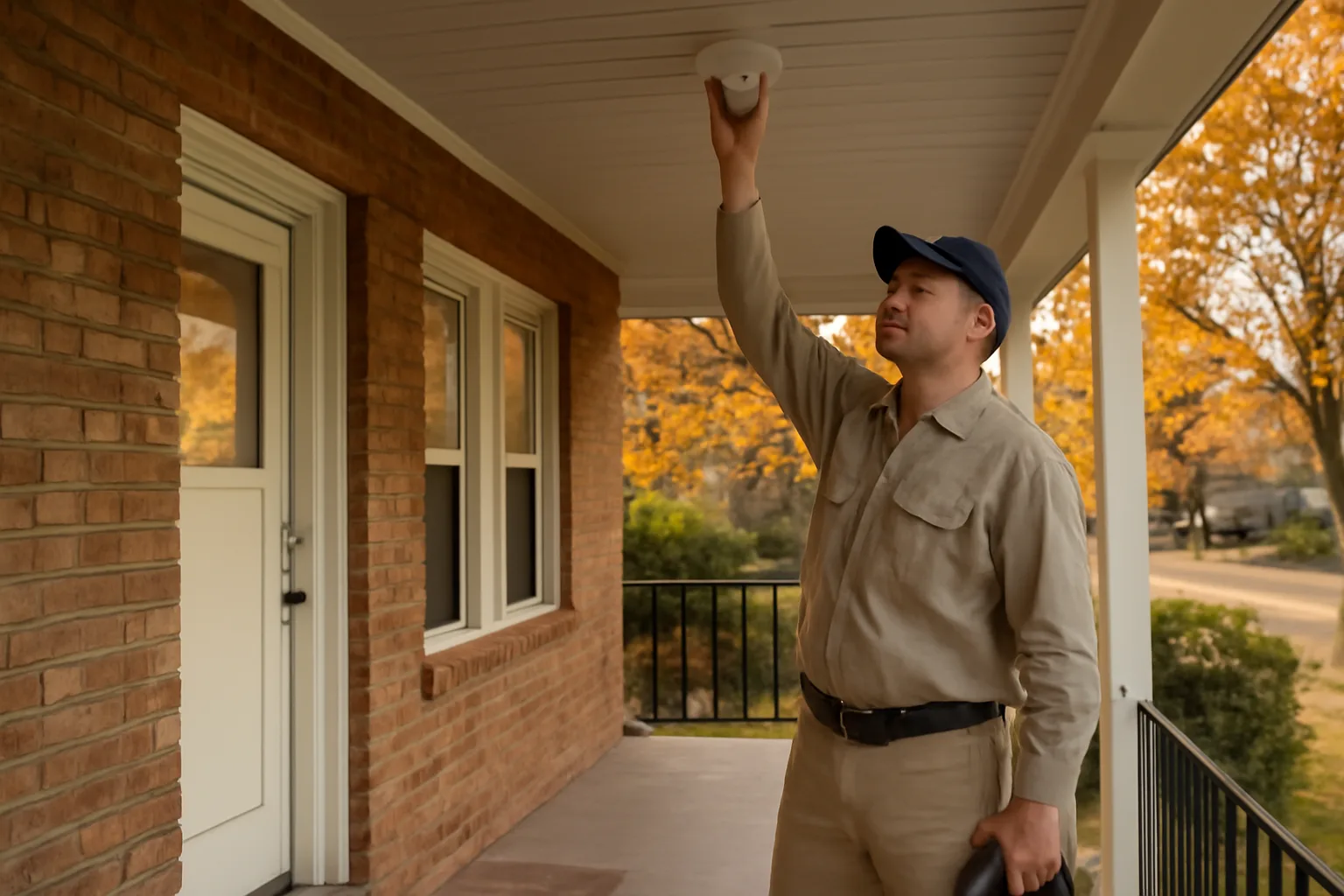
Denver's rental licensing program requires either a professional inspection or, in some cases, a self-certification affidavit confirming the unit meets Denver's minimum housing standards under the city's building and fire code, according to Denver's Excise and Licenses guidance on rental licensing requirements [1][3]. The inspection generally looks at life-safety items: working smoke and carbon monoxide detectors, secure locks on exterior doors, adequate heat, no exposed wiring, functioning plumbing, and no serious structural hazards. Inspectors also typically check for things like proper egress from bedrooms (a legal escape route in case of fire), handrails on stairs, and that the unit doesn't have active pest infestations or major water intrusion. This lines up with what most mandatory rental inspection programs across the country check, since most are built around a locally adopted version of the International Property Maintenance Code [4]. A landlord (or their designated agent) can typically be present for the inspection and should walk through the unit ahead of time to catch obvious problems. If you want a structured way to prep before an inspector shows up, our inspection guides hub walks through the categories most cities check.
Who is responsible for a rental property walk-through inspection in California vs. Denver?
This question comes up a lot because California's rules work differently from Denver's citywide licensing model. California doesn't have one statewide mandatory rental inspection program. Instead, California Civil Code Section 1950.5 requires landlords, if the tenant requests it, to do a joint pre-move-out walk-through inspection roughly two weeks before the tenant vacates, so the tenant has a chance to fix issues before being charged against their security deposit [5]. That inspection is initiated and conducted by the landlord (or the landlord's agent), not a city inspector. Separately, individual California cities like Los Angeles, Oakland, and San Francisco run their own rent-registration or habitability inspection programs layered on top of state law, and those are handled by that specific city's housing department, not the landlord. In Denver, by contrast, the walk-through inspection tied to licensing is conducted by a city-authorized inspector (or completed via self-certification affidavit by the owner), as part of Denver's Excise and Licenses rental licensing process [1]. So the short answer: in Denver, the licensing inspection is the city's responsibility to schedule and conduct; the landlord is responsible for making sure the unit is ready and for submitting for it. In California, walk-through responsibility depends on whether you're talking about the state's move-out inspection rule (landlord-initiated) or a specific city's habitability program (city-run).
How do you become a landlord in Denver (or anywhere)?
Becoming a landlord starts before you ever list a unit. You need to confirm the property is legally allowed to be rented (zoning matters, especially for accessory dwelling units or basement units), get the rental license if your city requires one, and understand your state's landlord-tenant law on security deposits, notice periods, and habitability. In Denver specifically, the steps generally look like this: confirm the unit qualifies as long-term rental (30+ days), apply for the rental license through Denver's Excise and Licenses office, pass inspection or complete the self-certification affidavit, pay the license fee, and keep the license current on its 4-year renewal cycle [1]. Colorado landlords also need to know the state's warranty of habitability law (Colorado Revised Statutes Section 38-12-503), which spells out the conditions a rental unit must meet, and gives tenants a process to demand repairs [6]. Beyond the paperwork, being a landlord means treating it like a small business from day one: separate bank account, a system for tracking rent and repairs, insurance that actually covers a rental (a standard homeowner's policy usually doesn't [7]), and a plan for handling maintenance requests fast. Landlords who skip that structure tend to be the ones who get blindsided by a licensing notice or a habitability complaint. Our landlord basics guide covers the fundamentals if you're starting from zero.
What is landlording and what is a landlord, exactly?
A landlord is the owner (or the owner's authorized agent) of real property who rents that property to someone else, called a tenant, in exchange for rent. That's the legal definition in most state landlord-tenant statutes, including Colorado's, which defines a landlord as the owner, lessor, or sublessor of a dwelling unit . "Landlording" is the informal term for the ongoing work of managing that relationship: collecting rent, handling repairs, dealing with turnover, staying current on local licensing and inspection rules, and following your state's notice and eviction procedures when something goes wrong. It's more than owning property, it's actively managing it as a business with legal obligations attached. Some people use "landlording" loosely to include self-managing owners with one unit; others reserve it for people who run rentals as their full-time income. Either way, the legal obligations (habitability, notice, fair housing compliance, security deposit handling) are the same whether you own one door or fifty.
What rights do tenants have without a signed lease?
A tenant without a signed lease usually still has real legal protections. If rent is being paid and accepted, most states treat that as either an oral lease or, more commonly, a month-to-month tenancy at will, and tenants keep their right to habitable housing, protection from illegal lockouts, and the right to proper notice before eviction, according to standard state landlord-tenant frameworks like Colorado's . In Colorado, a landlord generally still has to give proper written notice to terminate a month-to-month tenancy, whether or not there's a signed lease, and can't simply change the locks or shut off utilities to force someone out (that's an illegal "self-help" eviction in most states) . Habitability protections under Colorado's warranty of habitability statute apply regardless of whether a lease was ever signed [6]. What a no-lease tenant generally does not have is certainty about lease terms like rent amount changes or renewal rights, since those usually need to be in writing to be enforceable exactly as claimed. That ambiguity cuts both ways and is exactly why written leases exist, but the absence of paper doesn't erase a tenant's basic legal protections.
How much notice does a landlord have to give before entering, raising rent, or ending a tenancy?
Notice requirements vary by state and by the type of action, so there's no single national number, but there are common patterns. For entry, many states require landlords to give "reasonable notice," commonly interpreted as 24 hours, before entering an occupied unit for non-emergency reasons. For ending a month-to-month tenancy, Colorado law generally requires landlords to give tenants written notice equal to the length of the tenancy period, with specifics laid out in Colorado Revised Statutes Section 13-40-107, and Denver landlords need to follow both state notice law and any city-specific eviction protections that may apply . For non-payment of rent, Colorado's statute allows a shorter notice period before a landlord can file for eviction, but the exact number of days has changed in recent years through legislative amendments, so confirm the current figure with the statute or a local tenant law resource before acting. Rent increases on a month-to-month tenancy generally require the same notice as ending the tenancy in most states, since technically a rent increase is treated as ending the old terms and offering a new one. Always check your specific city and state; Denver landlords should confirm current notice periods with a Colorado-specific legal resource or the tenants rights hub before sending any notice, since getting this wrong can void an eviction filing.
What can a landlord look at during a rental inspection?
During a routine or licensing-related inspection, a landlord (or city inspector) can generally check for safety and maintenance issues: smoke and carbon monoxide detectors, HVAC function, plumbing leaks, electrical hazards, pest evidence, mold, structural damage, and whether required exits are clear. A landlord conducting their own periodic inspection can also check that the tenant isn't violating lease terms, like unauthorized pets or unauthorized occupants, if the lease allows for inspections with proper notice. What a landlord (or their inspector) generally cannot do is search through a tenant's personal belongings, closets, drawers, or private papers unless there's a specific safety reason, and inspections still require proper advance notice in almost every state, even if the landlord owns the unit. An inspection is not a general excuse to look through the tenant's things. For city licensing inspections specifically, like Denver's, the inspector is checking against a fixed code checklist (detectors, egress, structural safety, pest and moisture issues), not tenant behavior. If you're prepping for one of these, a written pre-inspection walkthrough using the same checklist categories the city uses will catch most of what gets flagged.
Why do landlords require renters insurance?
Landlords require renters insurance mainly to shift liability and reduce their own financial exposure. A standard landlord insurance policy covers the building and the landlord's own property, but it generally does not cover a tenant's personal belongings if there's a fire, theft, or water damage, and it often doesn't cover a tenant's liability if they cause damage or injury (a kitchen fire that spreads, a dog bite, a guest slipping on a wet floor) [7]. Requiring renters insurance, typically with a modest liability minimum like $100,000, means the tenant's own policy pays out first in a lot of these situations instead of the landlord's policy (or the landlord's own pocket) absorbing the cost. It also protects the tenant, since without it, a fire or burst pipe can wipe out someone's furniture and belongings with zero recovery. Many landlords write a renters insurance requirement directly into the lease and ask for proof of a policy, sometimes naming the landlord as an "interested party" so they get notified if the policy lapses. This is standard practice in mandatory licensing cities where the city already expects landlords to be managing risk formally, and it's cheap insurance against an expensive dispute later.
What can a landlord not do in Ohio?
Ohio's landlord-tenant law, codified in Ohio Revised Code Chapter 5321, spells out specific things a landlord cannot do. A landlord cannot shut off utilities, change the locks, or remove a tenant's belongings to force them out without going through the formal eviction process in court; that's illegal self-help eviction under Ohio law . A landlord also cannot retaliate against a tenant for complaining to a health or building authority about code violations, or for joining a tenant organization, under Ohio Revised Code Section 5321.02 . Ohio law also requires landlords to maintain the property in a fit and habitable condition, comply with building and housing codes, and keep common areas safe, under Ohio Revised Code Section 5321.04 . A landlord who fails to do basic repairs after proper written notice from the tenant can face a rent escrow deposit action, where the tenant pays rent into a court-held account instead of directly to the landlord until repairs happen . Security deposit handling also has limits: Ohio Revised Code Section 5321.16 requires landlords to return a deposit (with an itemized list of any deductions) within 30 days of the tenant vacating, and a landlord who wrongfully withholds a deposit in bad faith can be liable for double the amount wrongfully withheld . This is a state-specific rule, so a Denver landlord who also owns property in Ohio needs to track both states' separate deposit deadlines.
Denver rental licensing at a glance: quick reference
| Who needs a license | Nearly all long-term (30+ day) residential rental units in Denver [1] | |
|---|---|---|
| Phase-in complete | January 1, 2023, for all remaining unit types [1] | |
| License term | 4 years before renewal [2] | |
| Inspection option | Professional inspection or self-certification affidavit [1][3] | |
| Governing office | Denver Department of Excise and Licenses | |
| State habitability law | Colorado Revised Statutes Section 38-12-503 [6] | If you're staring down a licensing deadline notice or a fine, the fastest path is confirming your exact renewal date and inspection status directly with Denver's Excise and Licenses office, since fee amounts and exact process steps get updated and this guide can't substitute for the current official schedule. For landlords who want a structured checklist to organize the paperwork, inspection prep, and renewal timeline in one place, our $79 one-time City Rental License & Inspection Prep Packet is built around exactly this kind of city licensing cycle. |
Here's a condensed summary of the core facts covered above, for landlords who just need the numbers: | Item | Detail |
What happens if you rent without a license in Denver?
Renting a unit in Denver without the required license puts you at risk of fines and enforcement action from the city, and it can also complicate things like insurance claims or eviction filings, since some courts look unfavorably on landlords who weren't in legal compliance with local licensing when a dispute arose. Denver's Excise and Licenses office has enforced the rental licensing ordinance since it phased in, including cases where unlicensed rentals were flagged through tenant complaints or routine city checks [1]. If you got a notice, the fastest fix is usually not to panic and instead figure out exactly which stage you're at: application not filed, inspection not scheduled, or inspection failed with unresolved items. Each of those has a different next step, and the licensing office can tell you exactly what's outstanding on your specific address. Don't wait for a second notice or a fine to act. Rental licensing enforcement tends to escalate the longer a unit stays unregistered, and catching it early, before a tenant complaint triggers a more urgent review, is almost always cheaper and less stressful than fixing it under deadline pressure.
Frequently asked questions
How do I become a landlord in Denver specifically?
Confirm your unit is zoned for rental use, apply for a Denver rental license through the Excise and Licenses office, complete the required inspection or self-certification affidavit, pay the license fee, and keep the license renewed on its 4-year cycle. You'll also need to follow Colorado's statewide habitability and notice laws on top of the city license.
Who is responsible for a rental property walk-through inspection in California?
For move-out inspections, California Civil Code Section 1950.5 makes the landlord responsible for scheduling and conducting the walk-through if the tenant requests one, roughly two weeks before move-out. Separate citywide rental inspection programs (in cities like Oakland or Los Angeles) are run by that city's housing department, not the landlord.
What is landlording?
Landlording is the ongoing work of owning and managing a rental property: collecting rent, handling maintenance, staying compliant with local licensing and state landlord-tenant law, and managing the tenant relationship. It applies whether you own one unit or run a large portfolio.
What is a landlord, legally speaking?
A landlord is the owner, lessor, or sublessor of a residential unit who rents it to a tenant in exchange for rent, as defined in most state landlord-tenant statutes, including Colorado's landlord-tenant law framework. The term covers the owner or their authorized property manager.
What rights does a tenant have without a signed lease?
A tenant paying rent without a signed lease generally still has habitability protections, protection from illegal lockouts, and the right to proper written notice before eviction under most state laws. What they typically lack is certainty about specific terms like rent amount or renewal rights, since those need to be documented to be enforceable.
How much notice does a landlord have to give before entering a rental unit?
Most states require "reasonable notice," commonly interpreted as at least 24 hours, before a landlord enters an occupied unit for non-emergency reasons. Exact requirements vary by state statute, so confirm your specific state's notice law before entering.
What can a landlord look at during an inspection?
A landlord or inspector can check safety items like smoke detectors, plumbing, electrical systems, pest evidence, structural condition, and required exits. They generally cannot search personal belongings, drawers, or private papers without a specific safety reason, and proper advance notice is still required in most states.
Why do landlords require renters insurance?
Landlord policies typically don't cover a tenant's belongings or a tenant's liability for damage they cause. Requiring renters insurance, often with a liability minimum around $100,000, shifts that risk to the tenant's own policy instead of the landlord absorbing the cost of a fire, water damage, or injury claim.
What can a landlord not do in Ohio?
Under Ohio Revised Code Chapter 5321, a landlord cannot shut off utilities or change locks to force a tenant out without going through court eviction, cannot retaliate against a tenant for reporting code violations, and must return security deposits with an itemized list within 30 days of move-out.
Does Denver require a rental license for a single-family home I rent out?
Yes. Denver's rental licensing ordinance phased in fully by January 1, 2023, and covers nearly all long-term residential rental units, including single-family homes, more than multi-unit buildings, according to Denver's Excise and Licenses office.
How long does a Denver rental license last before I have to renew it?
Denver rental licenses generally run on a 4-year renewal cycle. Confirm your specific renewal date with Denver's Excise and Licenses office, since the exact date is tied to when your license was originally issued.
Can I self-certify my Denver rental instead of getting a professional inspection?
Denver's program allows a self-certification affidavit option in certain cases instead of a full professional inspection, though requirements can vary by property type and history. Confirm current eligibility for self-certification with Denver's Excise and Licenses office before assuming you qualify.
Sources
- International Code Council, International Property Maintenance Code: Most local rental housing codes are built on a locally adopted version of the International Property Maintenance Code
- California Legislative Information, Civil Code Section 1950.5: California landlords must offer a pre-move-out walk-through inspection if the tenant requests one, generally around two weeks before move-out
- Insurance Information Institute, renters insurance overview: Standard landlord insurance policies typically do not cover a tenant's personal belongings or tenant liability
- Ohio Laws, Ohio Revised Code Chapter 5321: Ohio landlord-tenant law prohibits self-help evictions like shutting off utilities or changing locks without court process
- Ohio Laws, Ohio Revised Code Section 5321.02: Ohio law prohibits landlord retaliation against tenants who report code violations or join tenant organizations
- Ohio Laws, Ohio Revised Code Section 5321.04: Ohio law requires landlords to maintain habitable conditions and allows tenants to use rent escrow for unresolved repair issues
- Ohio Laws, Ohio Revised Code Section 5321.16: Ohio law requires security deposit return with itemized deductions within 30 days, with double damages for bad-faith withholding