Last updated 2026-07-23
TL;DR
Denver requires a life-safety inspection before it issues a residential rental license, covering smoke alarms, egress windows, heat, and electrical hazards, not cosmetic items like a buyer's home inspection [1][2]. Fees, exact deadlines, and renewal cycles change, so confirm current numbers with Denver's Excise and Licenses office before you plan your timeline around anything you read online, including this page.
What is Denver's home rental inspection requirement, in short?
Denver requires almost every residential rental property in the city, from a single condo to a forty-unit building, to carry a rental license, and getting that license means passing a life-safety inspection first. This isn't a home inspection in the buying-a-house sense. Nobody is checking your foundation for settling cracks or estimating your roof's remaining years. It's a checklist inspection built around things that actually hurt or kill people: working smoke alarms, carbon monoxide detectors where required, a way out of every bedroom, functioning heat, and no exposed wiring hanging out of a wall. Denver based its minimum housing standards on the same family of model codes many cities use, adapted from the International Property Maintenance Code. If you own a Denver rental and haven't dealt with this yet, you're behind schedule. The program phased in starting in 2022, and by now most owners should already hold a license or be mid-application. Quick answer for the skimmers: yes, Denver requires a license and inspection for essentially every rental unit, the inspection is about safety not aesthetics, and the fee schedule changes enough that you should confirm current numbers directly with Denver's Excise and Licenses office rather than trust a fixed dollar figure from any article, this one included.
Who needs a Denver rental license and inspection before renting out a home?
If you rent out any residential unit inside Denver city limits, long-term, you need a license, full stop. That covers single-family rentals, duplexes, condos, basement apartments, and large apartment buildings. The 2021 ordinance expansion pulled every size of rental property into the licensing system, more than the larger buildings that used to be the main target. Denver phased this in by building size. Larger properties (five or more units) had to get licensed first, with an original deadline around January 1, 2023. Smaller properties, including single-family homes and duplexes, followed on a later timeline extending into 2024. If you're only now looking into this, treat those dates as historical context, not your deadline. Confirm your actual required date with the city, because backlog-driven extensions have happened before and could happen again. Owner-occupied situations (say, you live in one unit of a duplex and rent the other) sometimes get different treatment than a fully rented investment property. Short-term rentals also run through a separate license track from long-term rentals. Don't assume your Airbnb registration covers a long-term tenant, or vice versa. If you're unsure which category you fall into, that's a five-minute phone call to Denver's licensing office, worth making before you list a unit.
What does a Denver rental inspection actually check?
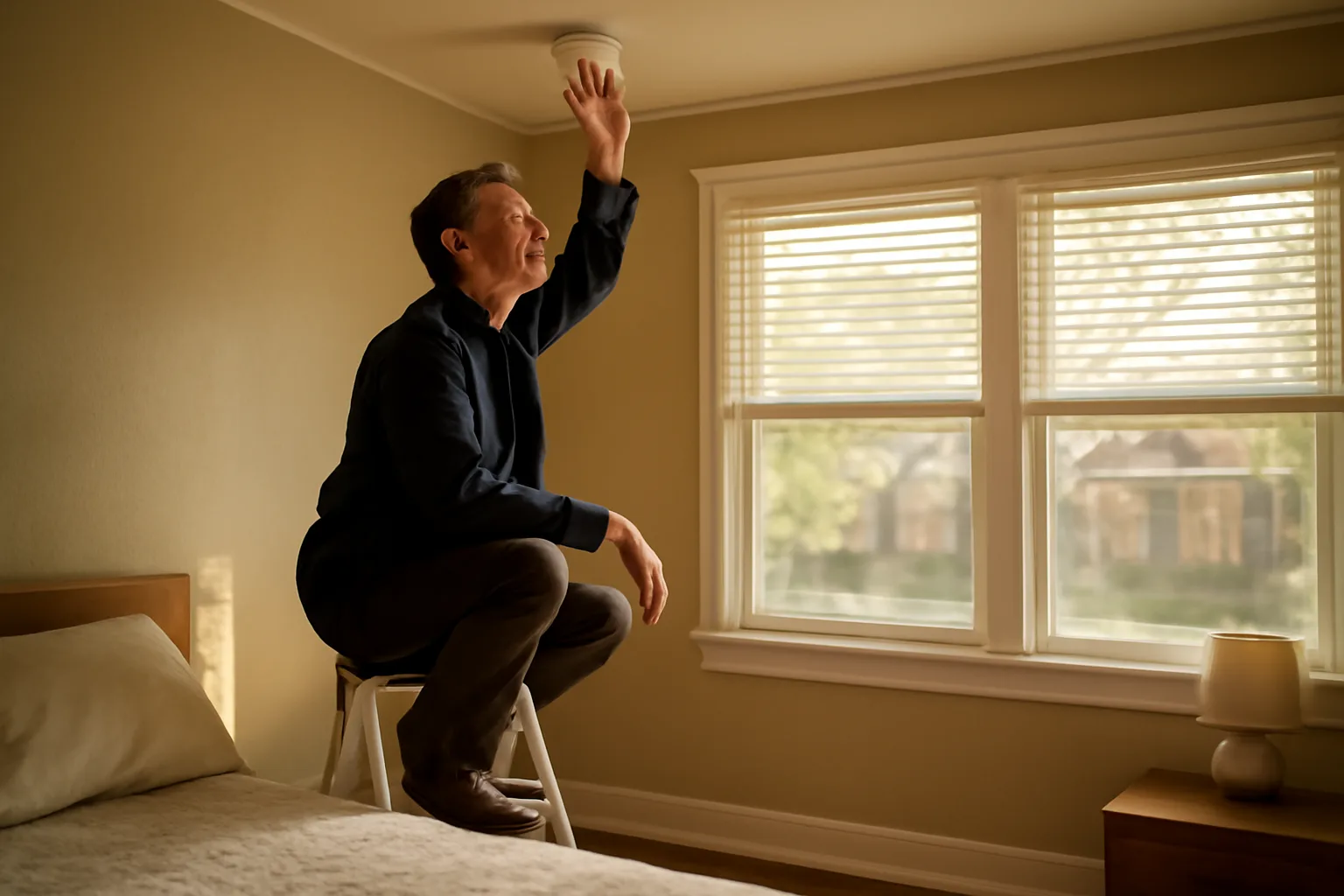
The inspection is a life-safety checklist, not a beauty contest. Inspectors working from Denver's minimum housing standards, which trace back to the International Property Maintenance Code framework used across much of the country, look at a fairly predictable set of items. Expect scrutiny of: smoke alarms in every bedroom, outside sleeping areas, and on every level; carbon monoxide detectors near sleeping areas in units with fuel-burning appliances or an attached garage; at least one operable window or door in every bedroom that meets egress size; a working primary heat source; no exposed or frayed wiring; a properly installed temperature-pressure relief valve and discharge pipe on the water heater; secure handrails on stairways with four or more risers; functioning locks on exterior doors; and no active infestation. What inspectors generally aren't grading: paint color, whether your kitchen is updated, cosmetic flooring wear, or landscaping. A unit can look dated and still pass. A freshly renovated unit with a missing bedroom smoke alarm will not pass. If you're getting your paperwork and unit ready at the same time, a rental license and inspection prep checklist built around exactly these categories saves you from a surprise reinspection trip.
How much does the Denver inspection and license cost, and how long does it take?
This is the part you should not take from any single article at face value, including this one. Denver's license fee structure has changed as the program matured, and it typically runs per unit with the total scaling by how many rental units you own. Confirm the current fee with Denver's Excise and Licenses office before you budget for it. What's more stable is the process shape: you generally arrange a licensed private inspector (not a city employee) to walk the unit against the checklist, get a signed inspection report, and submit that with your license application. Licenses aren't issued forever; they run for a set term and require reinspection at renewal, similar to how many mandatory-licensing cities structure their programs. Timing depends heavily on inspector availability in your area and how clean your first inspection comes back. A unit with obvious deficiencies means a second visit, which means a second fee and another few weeks. Owners juggling multiple units, especially first-timers to a licensing city, sometimes underestimate how much paperwork and scheduling coordination this takes. That's the gap our $79 one-time City Rental License & Inspection Prep Packet is built to close: a structured way to organize documents, notices, and a pre-inspection checklist before your inspector shows up.
What happens if you skip the Denver inspection or fail a fine?
Failing an inspection isn't itself a fine. It's a punch list. You fix the flagged items (usually smoke alarms, egress, or electrical issues) and schedule a reinspection. Annoying and it costs time and a reinspection fee, but it's a fixable problem, not a legal violation on its own. Operating a rental without a required license after your deadline is a different story. Denver's licensing ordinance gives the city enforcement authority against unlicensed rentals, and cities that run mandatory rental licensing programs generally treat continued unlicensed operation as an ongoing violation, sometimes with per-day or escalating penalties. Exact penalty amounts and enforcement patterns change, so again, confirm current enforcement practice with the city rather than assume a number. The practical risk isn't just the fine. An unlicensed rental can complicate an eviction filing, create problems if a tenant disputes habitability, and show up during a property sale if a buyer's attorney asks for license history. Getting current, even late, beats staying unlicensed and hoping nobody notices.
How do you become a landlord in the first place?
Becoming a landlord is mostly a sequence of unglamorous steps, not a single decision. You buy or already own a property suitable for renting. You check local zoning and whether your city runs a mandatory rental registration, licensing, or inspection program, which is increasingly common. You get landlord (more than homeowner's) insurance, since a standard homeowner policy typically excludes rental activity. You screen applicants under fair housing rules that apply nationwide regardless of city, meaning you can't reject someone based on race, color, national origin, religion, sex, familial status, or disability. You sign a lease that matches your state's landlord-tenant law. You register your rental income for tax purposes, generally reported on Schedule E of your federal return. And in a licensing city like Denver, you get the license and pass the inspection before you hand over keys, not after. A lot of new landlords skip the boring administrative steps first and figure out the licensing requirement only after a neighbor complaint or a city letter shows up. Do it in the order above and you avoid that scramble. Our landlord overview covers the baseline responsibilities in more depth if you're starting from zero.
What is landlording, and what exactly is a landlord?
A landlord is the person or entity that owns residential property and rents it to someone else (a tenant) in exchange for rent, under a lease or rental agreement. That's the whole definition. It doesn't require being a full-time business; plenty of landlords own one duplex and have a day job doing something unrelated. "Landlording" is the informal term for the ongoing work of managing that relationship: collecting rent, handling repairs, following your state's notice and entry rules, keeping the unit compliant with local codes, and dealing with turnover between tenants. It's part paperwork, part maintenance coordination, part knowing your legal obligations well enough to not get blindsided. The legal weight sits on the landlord, not a property manager you might hire. If you own the unit, you're the landlord of record even if a management company handles day-to-day tasks, and city licensing programs like Denver's put the license and inspection obligation on the owner. Our landlord landlords page walks through how that responsibility splits when you use a manager.
What rights do tenants have without a written lease?
A tenant without a signed lease isn't a tenant without rights. Once someone moves in and pays rent, most states treat that as a month-to-month tenancy, governed by the same landlord-tenant statutes that apply to written leases, just without the specific terms a lease would otherwise spell out. In Colorado, that includes the implied warranty of habitability, meaning the unit has to meet basic health and safety standards regardless of whether there's paper backing the arrangement. It also includes notice protections before you can end the tenancy. Colorado law sets a 21-day notice requirement to terminate a tenancy with no specified end date, which covers most month-to-month arrangements. Without a lease, a tenant generally still has the right to: a habitable unit, protection from illegal lockouts or utility shutoffs, advance notice before entry (norms vary by state), and the same nondiscrimination protections as any other renter. What they usually lose is the ability to point to specific negotiated terms, like a locked-in rent amount for a full year or a pet clause. Our tenants rights and tenant rights pages break down state-by-state variation if you're dealing with a no-lease situation right now.
Why do landlords require renters insurance?
Your landlord policy covers the building. It does not cover your tenant's laptop, furniture, or clothes if a pipe bursts or a fire starts. Requiring renters insurance shifts that risk off you and onto a policy the tenant pays for, and it's cheap enough that pushing back rarely makes sense for either side. The Insurance Information Institute has tracked average renters insurance premiums in the range of roughly $15 to $20 a month nationally in recent years, meaning the ask is genuinely small relative to the coverage gap it closes. Beyond covering the tenant's own belongings, most renters policies include liability coverage, which matters if a tenant's dog bites a visitor or their negligence causes damage that your landlord policy won't touch because it wasn't your fault as the owner. Requiring it isn't usually mandated by state law; it's a lease clause you choose to include. Some cities and specific housing programs do require it, so check your local rules and your lease terms rather than assume it's optional everywhere. If you require it, put a specific coverage minimum and proof-of-insurance deadline in the lease itself, more than a vague mention. Our renters rights page covers how insurance requirements interact with tenant protections in most states.
How much notice does a landlord have to give before entering or inspecting a unit?
| California | 24 hours | Civil Code Section 1954 [1] | |
|---|---|---|---|
| Ohio | 24 hours | Revised Code 5321.04 | |
| Colorado | No fixed statewide hour figure; commonly 24 to 48 hours by lease/custom | RCS Title 38, Article 12 | Emergencies are the universal exception in all three states: a burst pipe or fire doesn't wait for a 24-hour notice window. |
This varies by state, and the honest answer for a lot of situations is: check your specific state statute, because assuming a national standard can get you into trouble. Two states with clear statutory language make good reference points. California's Civil Code sets a presumed reasonable notice period directly. The statute states that landlords may enter for repairs, agreed services, or to show the unit, and that "Twenty-four hours shall be presumed to be reasonable notice in the absence of evidence to the contrary" [1]. Ohio uses nearly identical language in its landlord-tenant law: landlords must give reasonable notice before entering, and "Twenty-four hours is presumed to be reasonable notice in the absence of evidence to the contrary" under Ohio Revised Code 5321.04. Colorado doesn't have one single statewide statute spelling out a fixed entry-notice number the way California and Ohio do; habitability and access issues fall under the broader landlord-tenant statute, and specific notice practice often comes down to lease language and local custom, commonly 24 to 48 hours. If your lease is silent, check whether your city (Denver's license and inspection program included) has added its own notice expectations on top of state law. | State | Entry notice presumed reasonable | Statute |
What can a landlord look at during a walk-through inspection?
A landlord conducting a unit inspection can reasonably look at anything tied to the condition of the property and compliance with the lease: smoke and CO detector function, signs of water damage or mold, HVAC operation, plumbing leaks, evidence of unauthorized occupants or pets, and general wear versus damage. What's off-limits is rummaging through personal belongings that aren't relevant to a maintenance or safety concern. Opening drawers, going through a closet's contents, or photographing a tenant's private documents isn't part of a legitimate condition inspection, and doing it can expose a landlord to a privacy or harassment complaint depending on your state's law. The inspection is about the unit, not the tenant's stuff inside it. Good practice: give proper notice per your state and lease, state a specific reason for entry, keep the visit short, and document what you find with photos of the space itself, not personal items. If you're inspecting ahead of a Denver license renewal, the same principle applies, focus on the fixed features (alarms, wiring, egress, water heater), not the tenant's furniture arrangement.
Who's responsible for the move-in/move-out walk-through inspection in California?
The landlord is. California Civil Code Section 1950.5 requires the landlord to notify the tenant of their right to request an initial inspection before move-out, and if the tenant requests it, the landlord (or the landlord's authorized agent) conducts that inspection, generally within a couple weeks of the lease ending, and gives the tenant an itemized list of any deficiencies so they have a chance to fix them before move-out charges get deducted from the deposit [1]. The tenant can be present and can point things out, but the legal obligation to schedule, perform, and document the walk-through sits with the landlord. Skipping this step when a tenant has requested it can weaken a landlord's ability to justify deposit deductions later if a dispute ends up in small claims court. This is a California-specific procedural right built into the security deposit statute; not every state requires a pre-move-out walk-through offer, so don't assume it applies the same way outside California.
What can't a landlord do in Ohio?
Ohio's landlord-tenant law, Chapter 5321 of the Revised Code, spells out several things a landlord is barred from doing, and the two that trip people up most are self-help eviction and entry abuse. A landlord in Ohio cannot remove a tenant's belongings, change the locks, or shut off utilities to force someone out without going through the court eviction process. Ohio Revised Code Section 5321.15 addresses this directly, prohibiting landlords from using self-help measures instead of a proper legal eviction. A landlord also can't abuse the right of entry, meaning showing up whenever they want without reasonable notice; Section 5321.04 requires reasonable notice, presumed to be 24 hours, before entering except in an emergency. Ohio law also protects tenants from retaliatory action, such as raising rent or trying to end a tenancy because a tenant reported a code violation or joined a tenant union. If you're managing an Ohio rental and you're tempted to skip the eviction process because it feels slow, don't; a self-help eviction can expose you to damages under Ohio law that cost far more than the delay would have.
Getting your Denver inspection right the first time
Most failed Denver rental inspections come down to the same handful of misses: a missing bedroom smoke alarm, a bedroom window that doesn't meet egress size, a water heater relief valve piped wrong, or a stairway missing a handrail. None of these are expensive fixes. All of them are cheap to catch before the inspector arrives instead of after. Before you schedule your inspector, walk the unit yourself against a written checklist, not memory. Test every alarm. Measure every bedroom window opening. Check the water heater discharge pipe terminates within the required distance of the floor. Confirm exterior locks work and stairways have secure rails. If you'd rather not build that checklist from scratch, or you're juggling this alongside license paperwork and tenant notice requirements, our $79 one-time City Rental License & Inspection Prep Packet is built specifically for landlords going through mandatory rental licensing in cities like Denver. It's a reference tool, not a substitute for confirming your city's current fee schedule, deadlines, or office name directly with Denver's Excise and Licenses office, since programs like this do change.
Frequently asked questions
Does Denver require a home inspection before I can rent out my house?
Yes. Denver's rental licensing program requires a life-safety inspection covering smoke alarms, egress windows, heat, and electrical safety before it issues a residential rental license, for units of any size [1]. It's not the same as a buyer's home inspection; it doesn't grade cosmetics or resale value, just safety compliance.
What happens if I rent out a unit in Denver without a license?
You're operating outside the city's licensing ordinance, which can bring enforcement action, potential fines, and complications if a tenant disputes habitability or files an eviction-related claim. Exact penalties change over time, so confirm current enforcement practice with Denver's Excise and Licenses office rather than assume a fixed figure.
How is a Denver rental inspection different from a home inspection when buying a house?
A buyer's home inspection is broad and cosmetic, covering roof age, foundation condition, and system lifespans. Denver's rental inspection is narrow and safety-focused: smoke alarms, egress windows, CO detectors, wiring, and heat. A unit can look dated and pass a rental inspection easily, or look updated and fail on a missing alarm.
Can I do the Denver rental inspection myself instead of hiring an inspector?
Generally no. Denver's program uses inspections performed by licensed private inspectors, not self-certification by the owner. You can and should walk the unit yourself first to catch obvious problems before the paid inspection, but the report submitted with your license application needs to come from a qualified inspector.
How to become a landlord if I've never rented a property before?
Confirm zoning and local licensing requirements, get landlord insurance, learn your state's landlord-tenant statute, screen applicants under fair housing rules [9], use a lease matching your state's law, and register rental income on Schedule E [10]. In a licensing city like Denver, get your license and inspection done before advertising the unit.
What rights do tenants have without a lease?
A tenant paying rent without a signed lease is usually a month-to-month tenant under state law, with the same core protections as a written-lease tenant: habitability, notice before termination, protection from illegal lockouts, and fair housing protections. Colorado requires 21 days notice to end a no-lease month-to-month tenancy [8].
Why do landlords require renters insurance if it's not legally mandated?
It shifts the cost of tenant belongings and certain liability claims away from the landlord's own policy, which typically only covers the building. Average renters insurance runs roughly $15 to $20 a month, per Insurance Information Institute data, making it a low-cost requirement for meaningful risk reduction [11].
How much notice does a landlord have to give before entering a unit?
California and Ohio both set 24 hours as the presumed reasonable notice period by statute [3][5]. Colorado doesn't fix a specific hour count statewide, so lease terms and local custom (commonly 24 to 48 hours) fill the gap. Emergencies are an exception everywhere.
What can a landlord look at during a walk-through inspection?
Condition-related items: smoke and CO alarms, plumbing and HVAC function, signs of damage or mold, unauthorized occupants or pets. A landlord shouldn't go through personal belongings like drawers or closets unless there's a specific safety reason tied to that search.
Who is responsible for the rental property walk-through inspection in California?
The landlord is. Civil Code Section 1950.5 requires the landlord (or their agent) to conduct the initial move-out inspection if the tenant requests one, and to give the tenant a written list of deficiencies so they can fix them before move-out deposit deductions happen [6].
What can't a landlord do in Ohio?
Ohio landlords can't use self-help eviction, meaning changing locks, removing belongings, or shutting off utilities to force a tenant out without a court process, under Revised Code 5321.15 [4]. They also can't enter without reasonable notice (24 hours presumed) except in an emergency, under Section 5321.04 [3].
How often does Denver require reinspection or license renewal for rental units?
Denver's rental license runs for a set term rather than indefinitely, with reinspection generally required at renewal, similar to how other mandatory-licensing cities structure their programs [1]. The exact renewal period and reinspection cadence can change, so confirm the current term length with Denver's Excise and Licenses office.
Sources
- Internal Revenue Service, Tax Topic 414: Rental income and expenses are generally reported on Schedule E of the federal tax return
- U.S. Congress: Federal statute background relevant to landlord obligations discussed in the article.
- U.S. Department of Housing and Urban Development: Explains general tenant rights, including protections for renters without a written lease.
- California Civil Code: Establishes landlord obligations for move-in/move-out inspections related to security deposit deductions in California.
- California Civil Code: Specifies notice requirements landlords must give tenants before entering a rental unit.