Last updated 2026-07-25
TL;DR
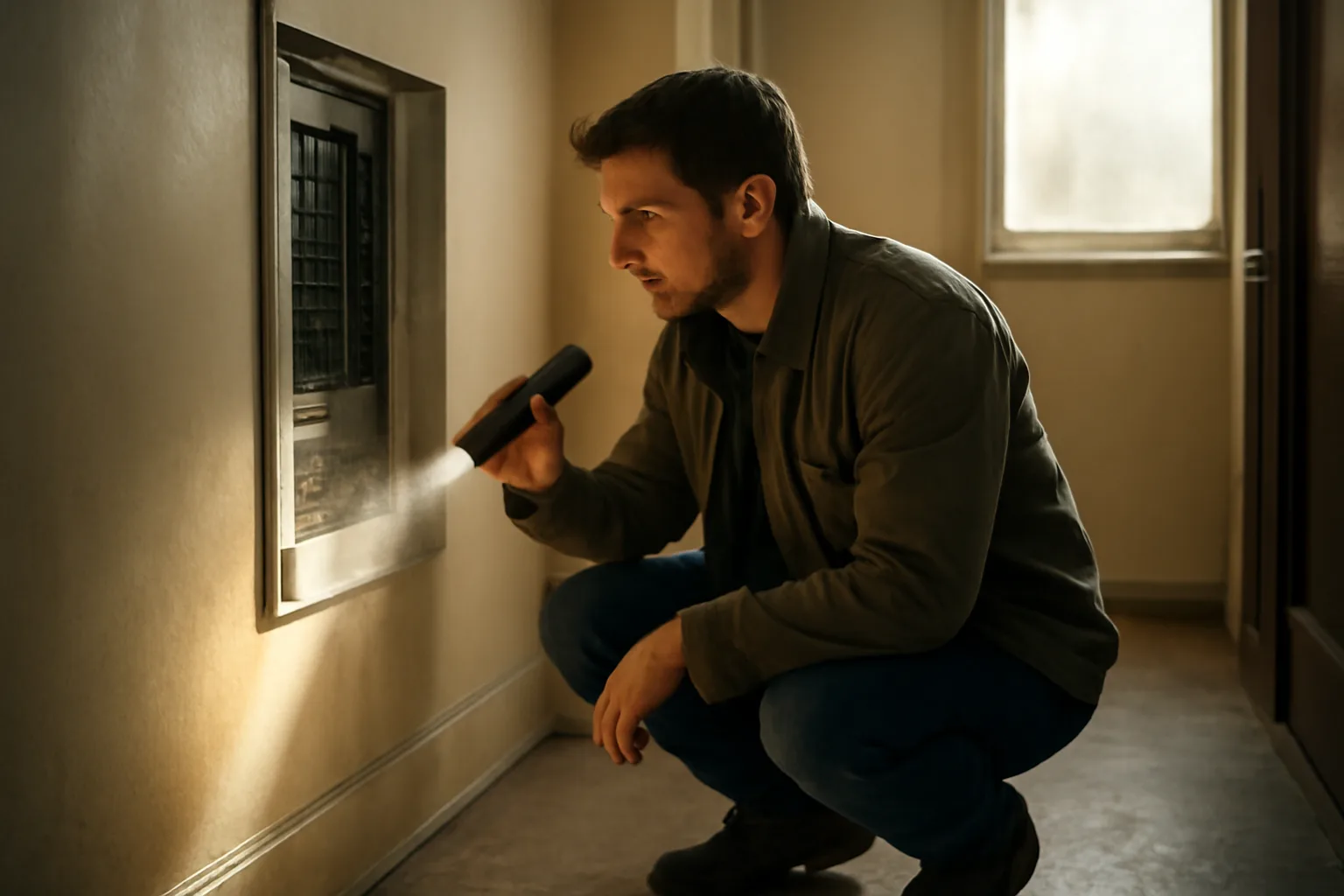
Rental property inspections check habitability, safety systems, and code compliance, either for a city license program or a routine landlord walk-through. Notice requirements run 24 to 48 hours in most states, though some require none for emergencies. Landlords can inspect visible conditions, smoke detectors, and unit safety, but can't search personal belongings or use inspections to harass tenants.
What is a rental property inspection, exactly?
A rental property inspection is a walk-through of a unit or building to check its physical condition against safety and habitability standards. There are two totally different flavors, and landlords new to this often mix them up. The first is a government inspection tied to a rental registration or licensing program. Cities like Los Angeles, Minneapolis, and dozens of others require landlords to register units and pass a code inspection before renting them out, sometimes on a recurring cycle (every 1 to 3 years is common). An inspector checks smoke detectors, electrical panels, plumbing, egress windows, heating systems, and general code compliance. Fail it and you get a violation notice with a correction deadline, not a fine on day one, in most cities. The second is a private landlord inspection, the kind you do yourself (or send a property manager to do) between tenants, during a lease term, or before a security deposit return. This is about protecting your asset and catching maintenance problems, not code enforcement. Both matter, but they run on different rules, different notice requirements, and different consequences. If your city sent you an inspection notice for a rental license, that's a government inspection, and the rest of this article covers both types so you know which playbook applies. If you're dealing with a city-specific license renewal or inspection scheduling letter, check our city guides for what your jurisdiction actually requires, since fee amounts and inspection intervals vary by city and change over time.
What can a landlord look at during an inspection?
A landlord (or a city inspector) can look at anything visible or accessible in the unit that relates to safety, maintenance, or lease compliance. That includes smoke and carbon monoxide detectors, HVAC filters and vents, under sinks for leaks, window locks and screens, electrical outlets, and signs of pest activity or unauthorized pets. What a landlord generally cannot do: open closed drawers, closets, or containers just to look through personal belongings, photograph private items unrelated to the inspection, or use the visit as a pretext to harass a tenant or retaliate for a complaint. Many state landlord-tenant statutes frame the right of entry as being for a specific, stated purpose, meaning the inspection has to actually be about inspecting the property, not fishing through someone's stuff. City code inspectors for a rental licensing program are checking a narrower list: functioning smoke alarms (required in nearly all states under building and fire code), egress windows in bedrooms, working plumbing fixtures, no exposed wiring, water heater safety (temperature-pressure relief valve), and structural issues like broken stairs or railings. They are not evaluating your tenant's furniture arrangement or cleanliness habits unless it creates a hazard (blocked exits, for example). If you're a tenant reading this because you got an inspection notice from your landlord, know that you generally have the right to be present, and the landlord still has to follow your state's entry notice rules even for a routine inspection. See our guide on tenants rights for more on this from the tenant side.
How much notice does a landlord have to give before an inspection?
Notice requirements are set state by state, and they typically range from 24 to 48 hours, though the exact wording and exceptions vary a lot. There is no single federal standard for landlord entry notice. California requires "reasonable notice," which state law presumes to be 24 hours unless circumstances suggest otherwise, under California Civil Code Section 1954 [1]. The statute allows entry for repairs, showings, or inspections, and requires the landlord to enter only during "normal business hours" absent tenant agreement otherwise. Other states set it explicitly at 24 hours (many states following similar language) or 48 hours in some jurisdictions. A few states don't specify a number and just require "reasonable" notice, which creates ambiguity landlords should resolve by putting a specific notice period in the lease itself. Emergencies are the standard exception nationwide: a burst pipe, fire, or gas leak lets a landlord enter without any advance notice, because the health and safety risk outweighs the notice requirement. Some states also allow reduced or no notice when the tenant has abandoned the property. Here's the practical mistake landlords make: they give notice by text message and assume that's enough, then can't prove it later. Put your notice in writing (email works, and creates a timestamp), and reference the specific lease clause or state statute that governs entry. If a tenant refuses entry after proper notice, that's a lease violation on their end, but forcing your way in anyway is a bad idea and can expose you to a claim. For city license inspections, the notice comes from the city itself, usually by mail, and gives you a scheduling window (often 2 to 4 weeks out) rather than a 24-hour heads-up, since these are scheduled appointments, not surprise visits.
Who is responsible for a rental property walk-through inspection in California?
In California, the landlord is responsible for conducting move-in and move-out walk-through inspections, and state law gives tenants specific rights around the process. Under California Civil Code Section 1950.5, a landlord must, upon request, do an initial inspection before the tenant moves out, give the tenant an itemized list of deficiencies, and allow time to fix them before the final move-out inspection determines deposit deductions [2]. The statute states the landlord must give at least 48 hours' written notice of the date and time of both the initial and final inspection unless the tenant waives that notice, and the tenant has the right to be present at both [2]. This pre-move-out inspection is optional for the tenant to request but, if requested, mandatory for the landlord to perform properly. For city-level rental licensing inspections in California cities like Los Angeles (Systematic Code Enforcement Program) or Oakland, the responsibility shifts: a city housing inspector conducts the walk-through, not the landlord, though the landlord (or an authorized agent) must be present to grant access and address findings. Los Angeles's Systematic Code Enforcement Program inspects units roughly every 4 years and charges an annual per-unit fee, which the city updates periodically, so confirm current rates with your city rental licensing office. Bottom line for California landlords: you run the move-in/move-out inspections yourself under Civil Code 1950.5, and the city runs the licensing inspections under its own program rules. Don't confuse the two when a tenant asks who's showing up and why.
What rights do tenants have without a lease?
Tenants without a written lease, meaning they're renting month-to-month or under an oral agreement, still have full legal protection under their state's landlord-tenant law. Not having a signed lease doesn't waive rights to habitability, notice before entry, or proper eviction procedure. Most states treat an oral or undocumented tenancy as a month-to-month tenancy by default, governed by the same statutes that apply to written leases: the same notice-to-enter rules, the same warranty of habitability, and the same requirement that the landlord use formal eviction (unlawful detainer) proceedings rather than self-help eviction like changing locks or shutting off utilities. Self-help eviction is illegal in virtually every state. A landlord cannot lock out a tenant, remove belongings, or cut off water and electricity to force someone out, even without a lease and even if rent is unpaid. The remedy is to serve a notice to quit or pay rent, then file in court if the tenant doesn't comply. The main practical difference without a written lease is proof: rent amount, due date, and any house rules become harder to establish if disputed. That's a landlord problem more than a tenant one. Tenants without a lease should still get a receipt for rent paid and keep any texts or emails that establish the terms, since those can substitute for a lease in a dispute. For rental licensing purposes, cities generally require registration of the unit regardless of whether there's a written lease. The inspection and licensing obligation attaches to the property being rented, not to the paperwork format.
What can a landlord not do in Ohio?
Ohio's landlord-tenant law, codified largely in Ohio Revised Code Chapter 5321, spells out specific prohibited actions. A landlord cannot retaliate against a tenant for complaining to a government agency about code violations, joining a tenant union, or asserting rights under the chapter, under ORC 5321.02 [3]. Ohio law also prohibits self-help eviction. A landlord cannot shut off utilities, change the locks, or remove a tenant's belongings to force them out, even with unpaid rent, without going through the municipal or county court eviction process. ORC 5321.15 specifically bars a landlord from using "self-help" measures including seizing the tenant's possessions, locking the tenant out, or interrupting utility service [4]. On entry, ORC 5321.04 requires landlords to maintain the property in a fit and habitable condition and to comply with building and housing codes, while ORC 5321.05 sets tenant obligations. Entry notice in Ohio is generally required to be reasonable, and Ohio courts and statute guidance point to 24 hours as the commonly cited reasonable notice period, though the statute's exact language centers on "reasonable notice" rather than a fixed number, so put a specific number in your lease to avoid disputes. A landlord in Ohio also cannot include a lease clause waiving the tenant's rights under Chapter 5321 (courts will not enforce such waivers), cannot discriminate based on protected classes under the Ohio Civil Rights Commission's fair housing rules, and cannot fail to return a security deposit with an itemized list of deductions within 30 days of lease termination, per ORC 5321.16 [5].
Why do landlords require renters insurance?
Landlords require renters insurance mainly to shift liability and personal property risk away from themselves. A tenant's own belongings, furniture, electronics, clothing, are not covered by the landlord's property insurance policy, full stop. If a pipe bursts or a fire starts, the landlord's policy covers the building; the tenant's stuff is only covered if the tenant has their own policy. The bigger reason landlords care: liability coverage. If a tenant's guest gets hurt, or the tenant accidentally causes damage (a grease fire, an overflowing tub that damages the unit below), renters insurance typically includes liability coverage that can pay for that damage or injury instead of it becoming the landlord's problem or a lawsuit against the landlord's own policy. According to the Insurance Information Institute, renters insurance is inexpensive relative to the coverage it provides, and industry data has repeatedly shown average premiums in the range of roughly $15 to $30 per month depending on coverage amount and location [6]. Given that low cost, requiring it is a cheap risk-transfer tool for landlords, which is why it's now standard in lease agreements across most of the rental market, and some states and cities explicitly allow landlords to require it as a lease condition. A few states cap what a landlord can require or specify how proof of insurance must be handled, so check your state's specific landlord-tenant statute or your city's rental ordinance if you're drafting this requirement into a lease. This article isn't a substitute for reviewing your specific state law or getting a lease reviewed by an attorney.
What is landlording, and what is a landlord?
A landlord is a person or entity that owns real property and rents it to another party (a tenant) in exchange for regular payment, usually under a lease. Landlording is the informal but widely used term for the practice and business of being a landlord: managing tenants, maintaining the property, handling money, and staying compliant with housing law. Landlording covers a wide set of responsibilities that go well beyond collecting rent: screening applicants, maintaining habitability (heat, water, working plumbing, structural safety), handling repair requests, following notice and entry rules, managing security deposits according to state law, and, in mandatory-registration cities, keeping the rental license current and passing periodic inspections. The legal definition of a landlord is set by each state's landlord-tenant statute, but the core obligation nationwide is the implied warranty of habitability, meaning a landlord has to keep the rental fit to live in (heat, water, structural safety, freedom from serious pest infestation) regardless of what the lease says. This concept traces back to a wave of state court decisions and statutes in the 1960s and 70s that replaced the old "buyer beware" model of leasing with an implied habitability standard. Being a landlord in a licensing city adds a layer: you're more than responsible to your tenant, you're responsible to the city for registering the unit, paying the license fee, and passing inspection on schedule. Skipping that step doesn't just risk a fine, it can also affect your ability to legally collect rent or evict a tenant in some cities that tie rent collection rights to active licensure. See our explainer on what a landlord is responsible for under most state frameworks, and how that differs from a property manager's role.
How do you become a landlord, and how do you actually run the business well?
Becoming a landlord legally requires three things in most places: owning or having legal control of the property, complying with your city or county's rental registration/licensing requirement if one exists, and following your state's landlord-tenant law for leases, deposits, and evictions. Step one is confirming whether your city requires rental registration or licensing at all. Not every city does, but a growing number do, especially larger cities and college towns. If yours does, you'll typically need to register the property (sometimes annually, sometimes on a multi-year cycle), pay a per-unit fee, and schedule a code inspection before or shortly after your first tenant moves in. Step two is getting the property itself compliant before you ever advertise it: working smoke and carbon monoxide detectors on every level and near bedrooms (a near-universal fire code requirement), functioning locks, no exposed wiring, a legal number of bedrooms based on egress window requirements, and a habitable heating system. These are the same items a code inspector checks, so getting them right up front saves you a failed inspection later. Step three is the paperwork side: a lease that complies with your state's required disclosures (lead paint disclosure is federally mandated for pre-1978 housing under 42 U.S.C. Section 4852d [7]), a security deposit handled according to your state's cap and return-timeline rules, and a screening process that complies with fair housing law under the Fair Housing Act, 42 U.S.C. Section 3601 et seq [8]. This is where a lot of first-time landlords get tripped up, not because the individual steps are hard, but because nobody hands you a checklist for your specific city. Rules on inspection frequency, fee amounts, and required documentation differ enormously between, say, Minneapolis and Miami. If you want a structured way to pull together what your specific city's licensing packet requires (forms, inspection prep checklist, fee schedule references), our $79 one-time City Rental License & Inspection Prep Packet walks through the common requirements city by city, though you'll still want to confirm final numbers with your city's rental licensing office since fees and cycles change.
What happens if you fail a rental license inspection?
Failing a rental license inspection almost never means an immediate fine in most cities. It usually means you get a written notice listing each violation and a correction deadline, commonly 30 days, though this ranges by city and by the severity of the item. Minor items (a missing smoke detector battery, a loose handrail) typically get bundled with a re-inspection date. Serious items (exposed electrical wiring, no functioning heat, blocked egress) can trigger a much faster deadline, sometimes as short as a few days, because they're considered immediate life-safety hazards. If you miss the correction deadline, that's when fines typically start, and they escalate. Some cities charge a flat re-inspection fee for a second visit; others move to daily fines for unresolved violations, and a small number can eventually refer the case to housing court or deny/revoke the rental license entirely, meaning you legally can't rent the unit until it's resolved. The fix, in nearly every case, is straightforward: fix the item, request the re-inspection, and pay whatever the standard re-inspection fee is (this varies by city, so confirm with your city rental licensing office). Don't ignore the notice hoping it goes away; escalation clauses in most municipal codes are designed specifically to punish landlords who sit on a violation notice. If you got a violation letter and don't know what triggers escalation to a fine versus a warning in your specific city, our violations and fines guidance breaks down the typical structure most cities use, though you should always check your specific notice for the actual deadline stated.
How should landlords prepare for a rental inspection?
| Smoke detectors | Present in every bedroom, hallway, and level; functioning | Dead battery or missing unit | |
|---|---|---|---|
| Carbon monoxide detectors | Required in many states/cities if gas appliances present | Not installed | |
| Egress windows | Bedrooms have a window meeting minimum size for emergency exit | Window painted shut or too small | |
| Electrical | No exposed wiring, GFCI outlets near water sources | Outdated outlets, missing GFCI | |
| Water heater | Temperature-pressure relief valve with discharge pipe | Missing or improperly routed discharge pipe | |
| Handrails/stairs | Secure, proper height, no structural damage | Loose or missing handrail | |
| Heating system | Functioning, vented properly | Broken unit or unvented space heater as primary source | |
| Plumbing | No active leaks, functioning fixtures | Leak under sink, running toilet | |
| Pest evidence | No signs of infestation | Visible droppings or damage | Walk the unit yourself two to three weeks before the scheduled inspection date, using this list, and fix anything you find. Most failed inspections are for cheap, fast fixes: a $10 smoke detector, a $15 GFCI outlet, a tightened handrail. It's rare that a failed inspection reveals something genuinely expensive, but when it does (structural issues, major electrical rewiring), you want that lead time to get a contractor scheduled before your correction deadline starts running. Keep a paper or photo record of what you fixed and when, since some cities want proof of correction rather than just a re-inspection pass. |
Preparing for a rental property inspection, whether it's a city licensing inspection or your own periodic walk-through, comes down to checking the same handful of items that cause most failures. Here's the pre-inspection checklist that covers what inspectors check most often: | Item | What inspectors check | Common fail reason |
What can a landlord not do during an inspection or entry generally?
A landlord cannot enter without proper notice except in a genuine emergency, cannot use the inspection as a pretext to harass or intimidate a tenant, cannot search through personal belongings unrelated to the property's condition, and cannot enter at unreasonable hours (most state statutes reference normal business hours as the standard). A landlord also cannot retaliate against a tenant for refusing an improperly noticed entry, for reporting a code violation to the city, or for requesting repairs. Nearly every state has an anti-retaliation statute (Ohio's is ORC 5321.02 [3], as noted above), and retaliation can include raising rent, reducing services, or attempting eviction shortly after a tenant complaint, which courts often view with suspicion given the timing. A landlord cannot use a scheduled licensing inspection or a private walk-through to remove a tenant's belongings, change locks, or otherwise self-help evict, regardless of what the inspection reveals. If an inspection turns up a serious lease violation (unauthorized subletting, a undisclosed additional occupant, illegal activity), the remedy is still the formal notice-and-court process, not immediate action during the inspection itself. And a landlord cannot skip the tenant's right to be present. Most states, and most city licensing programs, require that the tenant be given the opportunity to be home during the inspection, even if they choose not to be. For California's move-out inspection specifically, this right is explicit in the statute, more than a courtesy [2].
Frequently asked questions
How to become a landlord?
Confirm whether your city requires rental registration or licensing, bring the unit up to code (smoke detectors, safe electrical, working heat, legal egress windows), draft a lease that complies with your state's disclosure rules (including federal lead paint disclosure for pre-1978 units), and follow your state's security deposit and eviction procedures from day one.
Who is responsible for a rental property walk-through inspection in California?
The landlord runs move-in and move-out walk-through inspections under California Civil Code Section 1950.5, giving at least 48 hours' written notice for the pre-move-out inspection. For city rental licensing inspections, a city housing inspector conducts the walk-through, and the landlord or an authorized agent must be present to allow access.
What is landlording?
Landlording is the practice of owning and managing rental property: screening tenants, maintaining habitability, handling deposits and rent, following entry and notice laws, and, in licensing cities, keeping the rental registration current and passing periodic code inspections. It's used as an informal term for the whole business of being a landlord.
What is a landlord?
A landlord is a person or entity that owns rental property and leases it to a tenant in exchange for rent. Landlords carry legal obligations under state law, chiefly the implied warranty of habitability, meaning the unit has to stay fit to live in (heat, water, safety) regardless of lease terms.
What rights do tenants have without a lease?
Tenants without a written lease still have full protection under their state's landlord-tenant law, typically as a month-to-month tenancy. That includes the right to advance notice before entry, protection from self-help eviction (illegal in essentially every state), and the right to a habitable unit. The lack of a written lease mainly creates proof problems, not a loss of rights.
How to be a landlord day to day?
Respond to repair requests promptly, keep the property compliant with code (fire safety, plumbing, structural), document everything in writing, follow your state's notice-before-entry rules, return security deposits with an itemized list within your state's required timeframe, and never attempt a self-help eviction.
Why do landlords require renters insurance?
Renters insurance shifts liability and personal property risk off the landlord. The landlord's own policy covers the building, not the tenant's belongings, and a tenant's liability coverage can pay for damage the tenant accidentally causes, protecting the landlord from an otherwise uncovered claim or lawsuit.
How much notice does a landlord have to give before entering or inspecting?
Most states require 24 to 48 hours of notice, with California presuming 24 hours reasonable under Civil Code Section 1954. Emergencies (fire, gas leak, burst pipe) are the standard exception allowing entry with no notice. Check your specific state statute since the exact number and allowed hours vary.
What can a landlord look at during an inspection?
A landlord or city inspector can check visible and accessible conditions: smoke and carbon monoxide detectors, electrical outlets and wiring, plumbing fixtures, heating systems, egress windows, and signs of pest activity. They generally cannot open closed drawers or containers just to look through personal belongings unrelated to the property's condition.
What can a landlord not do in Ohio?
Under Ohio Revised Code Chapter 5321, a landlord cannot retaliate against a tenant for complaints (5321.02), cannot use self-help eviction like shutting off utilities or changing locks (5321.15), cannot waive tenant rights under the chapter in a lease, and must return a security deposit with an itemized list within 30 days (5321.16).
What happens if a rental unit fails its licensing inspection?
Most cities issue a written violation notice with a correction deadline (often 30 days for standard items, shorter for life-safety hazards) rather than an immediate fine. Fines and possible license denial typically start only if the landlord misses that correction deadline, so fixing the issue and requesting re-inspection promptly usually resolves it.
Can a landlord inspect a rental unit without giving notice?
Only in a genuine emergency, such as a fire, gas leak, or major water leak threatening property damage. For routine inspections, virtually every state requires advance written notice, commonly 24 to 48 hours, and entry outside an emergency without that notice can be a violation of the tenant's rights.
Does a landlord have to let the tenant be present during an inspection?
In most states and city licensing programs, yes, the tenant has a right to be present or at least be informed of the scheduled time so they can choose to be there. California's statute for move-out inspections explicitly grants this right under Civil Code Section 1950.5.
Sources
- California Legislative Information, Civil Code Section 1954: California presumes 24 hours notice reasonable for landlord entry, limited to normal business hours
- California Legislative Information, Civil Code Section 1950.5: California landlords must give 48 hours written notice for initial and final move-out inspections and allow tenant to be present
- Ohio Laws, Revised Code Section 5321.02: Ohio law prohibits landlord retaliation against tenants for complaints or asserting rights under Chapter 5321
- Ohio Laws, Revised Code Section 5321.15: Ohio law bars self-help eviction including utility shutoff, lockouts, and seizing tenant possessions
- Ohio Laws, Revised Code Section 5321.16: Ohio landlords must return security deposits with an itemized list of deductions within 30 days
- Insurance Information Institute, Renters Insurance facts and statistics: Average renters insurance premiums run roughly in the $15 to $30 per month range depending on coverage and location
- U.S. Code, 42 U.S.C. Section 4852d, Disclosure requirements for lead-based paint hazards: Federal law requires lead paint disclosure for landlords renting housing built before 1978
- U.S. Code, 42 U.S.C. Section 3601 et seq., Fair Housing Act: The Fair Housing Act governs tenant screening and prohibits housing discrimination based on protected classes
- Ohio Laws, Revised Code Section 5321.04: Ohio landlords must maintain the premises in a fit and habitable condition and comply with applicable building and housing codes