Last updated 2026-07-25
TL;DR
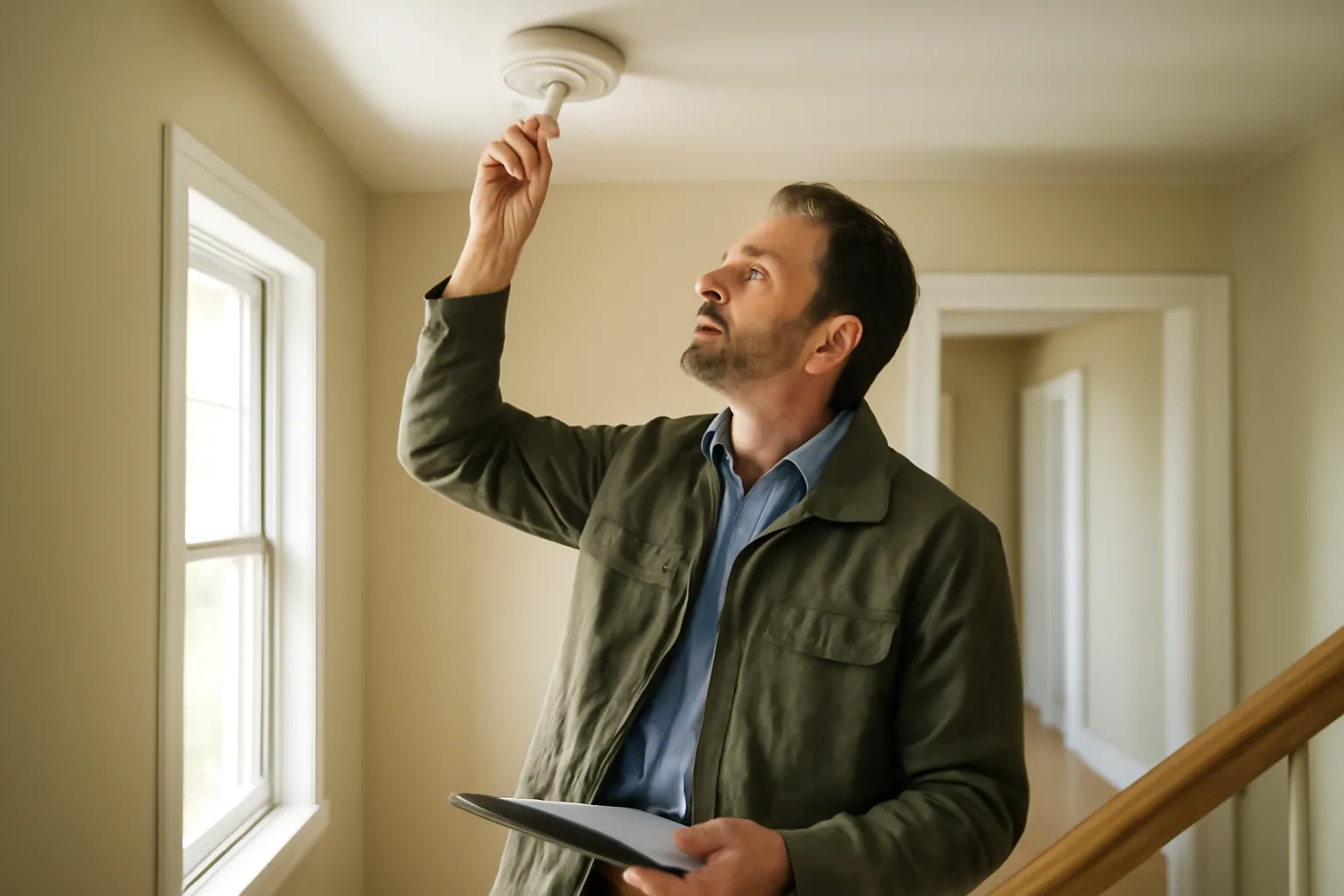
A rental house inspection checks that a unit meets basic health, safety, and code standards, usually tied to a city rental license or a tenant complaint. Landlords generally must give 24 to 48 hours notice before entering (varies by state), and inspectors look at smoke detectors, exits, electrical, plumbing, and structural conditions, not your housekeeping choices.
What is a rental house inspection and why do cities require one?
A rental house inspection is a walkthrough, usually done by a city code enforcement officer or a licensed third-party inspector, to confirm a rental unit meets minimum health and safety standards before or during a rental license period. Cities that run mandatory rental licensing programs (sometimes called rental registration or crime-free housing programs) use these inspections to catch problems before they become emergencies: bad wiring, missing smoke detectors, blocked fire exits, pest infestations, or structural decay. The legal basis for most of these programs traces back to state and local housing codes built on the framework of the International Property Maintenance Code (IPMC), which many municipalities adopt with local amendments [1]. The IPMC states its purpose is "to protect the public health, safety and welfare" by setting minimum requirements for existing structures, and cities layer licensing and inspection requirements on top of that baseline [1]. Not every city requires this. Rental licensing and inspection is a patchwork; some states (like Texas) have almost no statewide rental licensing framework, while others (like Minnesota's many home-rule cities) mandate it aggressively at the municipal level. If you got a notice, it means your specific city or county has opted into a licensing and inspection ordinance. Check with your city rental licensing office (or code enforcement department) for the exact ordinance number and inspection cycle, because these details vary block by block, let alone city by city.
What can a landlord look at during an inspection?
| Fire and life safety | Smoke alarms, CO detectors, fire extinguishers (if required), clear exits, working locks | |
|---|---|---|
| Electrical | No exposed wiring, GFCI outlets near water sources, panel condition | |
| Plumbing | No active leaks, functioning water heater, proper drainage, no cross-connections | |
| Structural | Foundation, roof, stairs, railings, window and door condition | |
| Occupancy | Room sizes and egress meet minimum standards, no illegal conversions | |
| Exterior | Paint condition, pest evidence, yard maintenance, trash storage | If you're prepping for a first inspection, walking your own unit with this list before the city does saves you a re-inspection fee in most jurisdictions. |
A rental inspector typically checks life-safety items first: working smoke alarms and carbon monoxide detectors, clear emergency exits, functioning locks, adequate egress from bedrooms, and electrical panels that aren't overloaded or jury-rigged. After that, they move to structural and systems items: roof and foundation condition, plumbing leaks, water heater venting, furnace or HVAC function, and any visible mold or moisture damage. Most inspectors also check exterior conditions: peeling exterior paint (especially relevant in pre-1978 housing due to lead paint rules), broken steps or railings, unsecured trash storage, and overgrown vegetation that violates a property maintenance ordinance. What they generally are not there to judge is your tenant's clutter, decor, or cleanliness habits, unless it rises to a health or fire hazard (blocked exits, hoarding-level debris, vermin). Here's a rough breakdown of what a typical municipal rental inspection covers, based on common IPMC-derived checklists: | Category | Typical items checked |
Who is responsible for a rental property walk-through inspection in California?
In California, responsibility depends on what kind of inspection you mean. For move-in and move-out condition documentation, California Civil Code Section 1950.5 gives tenants the right to request an initial move-out inspection before the final one, so they can fix issues and avoid deductions from their security deposit [2]. The landlord (or their agent) conducts that walkthrough, gives the tenant an itemized list of anything that would justify a deduction, and gives the tenant a reasonable opportunity to fix those items before move-out [2]. For code compliance inspections tied to a local rental licensing or habitability program, it's the city or county code enforcement division, not the landlord, that conducts the official inspection. Many California cities (Los Angeles's Systematic Code Enforcement Program is a well-known example) run scheduled inspections of every rental unit on a multi-year cycle, funded by an annual per-unit fee charged to the property owner. If you're in California and got a notice referencing SCEP or a similar program, that's a city inspector coming, not a private walkthrough. Confirm the specific program name and inspection interval with your city rental licensing office, since Los Angeles, San Francisco, Oakland, and smaller California cities each run separate ordinances with different fee schedules and inspection frequencies.
How much notice does a landlord have to give before an inspection?
Most states require landlords to give tenants advance written notice before entering an occupied rental unit for a non-emergency inspection, and the standard window is 24 hours in many states, though some allow less and some require more. California requires "reasonable notice," which the law presumes to be 24 hours unless circumstances suggest otherwise, per California Civil Code Section 1954 [3]. Some states set a different number: Wisconsin's administrative code effectively expects advance notice as well, and several states specify 48 hours instead of 24. Emergencies are the standard exception. If there's a burst pipe, a gas leak, or a fire hazard, landlords generally can enter without advance notice under nearly every state's law, because the emergency exception exists specifically to prevent damage or protect safety. Outside of emergencies, entering without proper notice can expose a landlord to a claim of unlawful entry, and in some states, statutory damages. When a city rental inspection is scheduled (as opposed to a landlord's own periodic check), the notice requirement usually comes from the same tenant-protection statute, plus whatever the city ordinance specifies for inspection notice, often 48 hours or more for a formal code inspection. Always check the specific statute in your state, because "24 hours" is common but not universal, and getting it wrong can undo an otherwise legitimate inspection in a landlord-tenant dispute.
What rights do tenants have without a lease?
A tenant without a written lease still has legal protections. In most states, an oral or implied rental agreement (month-to-month tenancy formed by paying and accepting rent) carries the same basic habitability rights as a written lease. That means the landlord still has to maintain the unit in livable condition, still has to give proper notice before entry, and still has to follow the legal eviction process rather than change the locks or shut off utilities. The main practical difference without a written lease is around notice periods for ending the tenancy. Month-to-month tenants without a lease generally get a statutory notice period before the landlord can terminate, commonly 30 days, though it can be longer (60 days in California if the tenant has lived there a year or more, under California Civil Code Section 1946.1) [4]. Tenants without a lease also retain the implied warrant of habitability in the states that recognize it, meaning the landlord still must keep essential systems (heat, water, electrical, structural safety) functional regardless of whether anything's in writing. What tenants without a lease do not get is protection from rent increases or lease-term guarantees, since a month-to-month arrangement can generally have its rent adjusted with proper notice (subject to any local rent control ordinance). If you're renting without a written lease at all, both sides are more exposed to disputes about terms, which is one reason attorneys and housing agencies almost universally recommend a written agreement even for family or informal arrangements. Read our tenants rights overview for state-specific detail.
What can't a landlord do in Ohio?
Ohio landlord-tenant law (Ohio Revised Code Chapter 5321) sets several specific prohibitions. A landlord cannot shut off utilities, change the locks, or remove a tenant's belongings to force them out; that's illegal "self-help" eviction, and Ohio courts treat it as a violation subject to tenant remedies [5]. Ohio Revised Code 5321.15 specifically bars landlords from using self-help measures and requires them to go through the municipal court eviction process instead [5]. Ohio law also requires landlords to give reasonable notice, generally interpreted as 24 hours, before entering for non-emergency purposes, and entry has to happen at reasonable times. A landlord cannot retaliate against a tenant for reporting a code violation, joining a tenant union, or exercising a legal right; Ohio Revised Code 5321.02 specifically prohibits retaliatory conduct like raising rent or terminating a tenancy because a tenant complained to a health or safety agency [6]. Ohio landlords also cannot ignore their statutory maintenance obligations. Ohio Revised Code 5321.04 requires landlords to keep the premises in a fit and habitable condition, comply with building and housing codes, keep common areas safe, and maintain electrical, plumbing, sanitary, heating, and ventilation systems in good working order [7]. Failing on these points doesn't just risk a code violation; it can also give the tenant grounds to withhold rent into escrow or terminate the lease, depending on how the tenant follows Ohio's statutory notice procedure.
Why do landlords require renters insurance?
Landlords require renters insurance mainly to shift liability and property-loss risk away from themselves. A landlord's own insurance policy covers the building structure, not the tenant's personal belongings, and it generally doesn't cover a tenant's liability if the tenant accidentally causes a fire, a flood from an overflowing tub, or an injury to a guest inside the unit. Renters insurance typically includes personal property coverage and liability coverage, often with liability limits in the range of $100,000, though policies vary. If a tenant's negligence causes a kitchen fire that damages other units in a multi-family building, the landlord's insurer may pay for the repair and then subrogate (seek reimbursement) against the tenant, and a tenant without renters insurance has no way to cover that claim, which can mean a judgment against them or against the landlord if the landlord didn't require coverage. Many landlords also like requiring renters insurance because it reduces disputes over who caused what damage. If a pipe bursts and ruins a tenant's furniture, the landlord's own damage claim goes to the building policy, while the tenant's furniture loss goes to their own renters policy, so nobody's fighting over whose insurance should pay for what. It's not a legal requirement in most states, but it's a common lease clause, and it's cheap; national average renters insurance costs run in the range of roughly $15 to $30 a month depending on coverage and location, according to industry rate surveys (figures vary by state and carrier, so treat this as a rough range rather than a fixed number).
What is landlording, and what does the job actually involve?
Landlording is the day-to-day work of owning and managing a rental property: finding and screening tenants, collecting rent, handling maintenance requests, keeping the property compliant with local codes, and managing the legal side of leases, notices, and (occasionally) evictions. It's part business operation, part customer service, part compliance work. The compliance side is where a lot of new landlords get caught off guard, especially in cities with mandatory rental licensing. Beyond finding tenants and fixing leaky faucets, landlording in a licensed city means registering the property, paying an annual or biennial license fee, scheduling and passing a code inspection, and keeping records in case of a tenant complaint or a random audit. Skipping any of these steps is how landlords end up with fines, and in some cities, an inability to collect rent or evict a tenant until the license issue is resolved. If you're new to this and just got hit with your first ordinance notice, our City Rental License & Inspection Prep Packet walks through the typical steps: gathering the documents a city usually asks for, building a pre-inspection checklist, and tracking your renewal date so you don't get blindsided again next cycle. It's a one-time $79 tool, not a subscription, and it won't file anything for you; you still submit paperwork through your city's own portal or office.
What is a landlord, exactly?
A landlord is the owner (or authorized agent of the owner) of a residential or commercial property who rents that property to a tenant in exchange for payment, usually under a lease or rental agreement. Legally, a landlord holds title to the property or manages it on behalf of the title holder, and takes on specific statutory duties in exchange for collecting rent. Those duties generally include maintaining habitability (keeping the unit safe, weatherproof, and functional), following legal procedures for entry and eviction, returning security deposits according to state timelines, and complying with local licensing or registration ordinances where they exist. A landlord isn't just "whoever owns the building"; property management companies, corporate owners, and even family members renting out a spare unit can all be a "landlord" under most states' legal definitions, as long as they're the party collecting rent and controlling access to the unit. Some states define the term explicitly in statute. For example, many landlord-tenant acts define "landlord" to include an owner, lessor, or sublessor of a dwelling unit, along with anyone managing the unit on the owner's behalf, which is why property managers can be named in tenant complaints even when they don't hold title.
How to become a landlord (and how to actually be a good one)
Becoming a landlord starts with the property, but the legal and administrative side is where most new landlords underestimate the work. At minimum, you'll need to: confirm your local zoning allows rental use, register the property if your city requires rental licensing, get any required inspection scheduled and passed, understand your state's security deposit and notice-period rules, and get landlord liability insurance (different from a standard homeowner's policy). Being a good landlord day-to-day comes down to a short list of habits: respond to maintenance requests fast (many states set a reasonable-time standard, and slow response is the single most common driver of tenant complaints to code enforcement), document everything in writing (texts count, but a paper trail matters more than memory), and know your local notice periods cold so you're never guessing whether 24 or 48 hours applies before you knock on the door. Here's a realistic starter checklist for a first-time landlord in a mandatory-licensing city: 1. Confirm the property is zoned for rental use with your local planning or zoning office 2. Check whether your city or county requires a rental license, registration, or periodic inspection 3. Budget for the license fee and any inspection fee (these vary widely; confirm with your city rental licensing office) 4. Get a walkthrough-ready property before the first inspection: smoke detectors tested, no exposed wiring, clear exits 5. Set up a lease that matches your state's required disclosures (lead paint disclosure for pre-1978 buildings is federally required under 40 CFR Part 745 [8]) 6. Track your renewal date so the license doesn't lapse If you want a structured way to work through steps 2 through 6, that's exactly what our City Rental License & Inspection Prep Packet is built for: a one-time $79 packet that helps you organize the documents and pre-inspection checklist most cities ask for, so you're not scrambling the week before a code officer shows up. See our landlord guide for more startup basics, and check renters rights so you understand the other side of the relationship too.
How do rental inspection results affect your license and fines?
A failed rental inspection usually doesn't mean an automatic fine; most cities give landlords a re-inspection window (commonly 30 to 60 days) to fix cited violations before penalties kick in. If violations aren't fixed by the deadline, cities generally escalate: a written notice of violation, then a civil fine (often ranging from roughly $100 to several hundred dollars per violation per day in cities with aggressive code enforcement), and in repeat or severe cases, suspension or revocation of the rental license. A revoked or suspended rental license is the outcome landlords should worry about most, because in many licensing cities, it's illegal to collect rent (and in some ordinances, illegal to maintain occupancy at all) on an unlicensed rental unit. That can mean a landlord loses rental income while still owing the mortgage, insurance, and property tax on the unit, which is a much bigger financial hit than the inspection fine itself. The fastest way to avoid this cycle is treating the first inspection notice as the deadline it is, not a suggestion. Read the notice carefully for the specific code sections cited, fix what you can before the re-inspection, and if a repair genuinely can't be done in time (a permit-dependent electrical upgrade, for example), most code offices will work with you on an extension if you contact them before the deadline instead of after.
Frequently asked questions
How to become a landlord?
Confirm your property is zoned for rental use, check whether your city requires a rental license or inspection, get landlord liability insurance, set up a compliant lease with required state disclosures, and budget for license and inspection fees. Most first-time landlords underestimate the licensing and compliance side more than the property management side.
Who is responsible for a rental property walk-through inspection in California?
For move-out condition inspections, the landlord or their agent conducts the walkthrough under California Civil Code Section 1950.5, giving tenants a chance to fix issues before deposit deductions [2]. For code compliance inspections under a city program (like Los Angeles's Systematic Code Enforcement Program), a city code enforcement inspector conducts the visit, not the landlord.
What is landlording?
Landlording is the ongoing work of owning and operating a rental property: screening tenants, collecting rent, handling repairs, and keeping the unit compliant with local codes and licensing rules. It combines property management, customer service, and legal compliance, and the compliance piece is where mandatory-licensing cities add the most extra work.
What is a landlord?
A landlord is the property owner or their authorized agent who rents residential or commercial space to a tenant in exchange for payment, usually under a lease. Landlords take on statutory duties like maintaining habitability, following legal eviction procedures, and complying with local licensing ordinances where they apply.
What rights do tenants have without a lease?
Tenants without a written lease generally still get habitability protections, proper entry notice, and legal eviction procedures under state law, since an oral or implied month-to-month agreement carries most of the same core rights. The main difference is usually the notice period for ending the tenancy, commonly 30 days, though it varies by state [4].
How to be a landlord (day to day)?
Respond to maintenance requests quickly, document communication in writing, give proper notice before entry (commonly 24 to 48 hours depending on state), and track your city's rental license renewal date. Good landlording is mostly consistency: following the same fair process for every tenant and every repair request.
Why do landlords require renters insurance?
Landlords require renters insurance because their own building policy doesn't cover a tenant's personal belongings or the tenant's liability for accidental damage or injury. It shifts risk away from the landlord's policy and reduces disputes over who pays for what after a fire, flood, or accident.
How much notice does a landlord have to give before entering or inspecting?
Most states require 24 hours advance notice for non-emergency entry, though the exact standard varies; California presumes 24 hours is reasonable under Civil Code Section 1954 [3], and some states or city ordinances specify 48 hours for formal inspections. Emergencies (gas leaks, burst pipes, fire hazards) are generally exempt from advance notice requirements.
What can a landlord look at during an inspection?
Inspectors typically check smoke and CO detectors, electrical panels, plumbing, water heaters, structural elements (roof, foundation, stairs), egress windows, and exterior conditions like paint and pest evidence. They're generally not there to judge cleanliness or decor unless it creates a genuine fire or health hazard.
What can't a landlord do in Ohio?
Ohio landlords cannot shut off utilities, change locks, or remove belongings to force a tenant out; Ohio Revised Code 5321.15 bars this kind of self-help eviction [5]. They also can't retaliate against tenants for code complaints (ORC 5321.02) [6] or ignore statutory maintenance duties under ORC 5321.04 [7].
What happens if I fail my city's rental inspection?
Most cities give a re-inspection window, commonly 30 to 60 days, to fix cited violations before fines apply. If problems aren't fixed by the deadline, cities typically issue a formal notice of violation, then civil fines, and in repeat cases can suspend or revoke the rental license, which can make it illegal to collect rent until it's resolved.
Does every city require a rental inspection?
No. Rental licensing and inspection requirements are set city by city or county by county, not nationwide, and many states have no statewide mandate. Whether your rental needs a license or periodic inspection depends entirely on local ordinance, so confirm directly with your city rental licensing office.
Can a landlord charge for a re-inspection after a failed inspection?
Many cities do charge a re-inspection fee if the first inspection fails and a follow-up visit is needed, though the amount and whether it applies varies by ordinance. Confirm the specific fee schedule with your city rental licensing office, since some cities include one free re-inspection and charge only after that.
Sources
- International Code Council, International Property Maintenance Code: Purpose of property maintenance codes is to protect public health, safety, and welfare through minimum standards for existing structures
- California Legislature, California Civil Code Section 1950.5: Tenants have the right to an initial move-out inspection before security deposit deductions in California
- California Legislature, California Civil Code Section 1954: California presumes 24 hours notice is reasonable before landlord entry
- California Legislature, California Civil Code Section 1946.1: California requires 60 days notice to terminate tenancy of one year or more in some cases
- Ohio Legislature, Ohio Revised Code 5321.15: Ohio prohibits landlord self-help eviction, including utility shutoff, lockouts, and removal of belongings
- Ohio Legislature, Ohio Revised Code 5321.02: Ohio prohibits landlord retaliation against tenants for reporting code violations or exercising legal rights
- Ohio Legislature, Ohio Revised Code 5321.04: Ohio landlords must maintain habitable conditions and keep systems like electrical, plumbing, and heating in working order
- U.S. EPA, 40 CFR Part 745 (Lead Disclosure Rule): Federal law requires lead paint disclosure for pre-1978 rental housing