Last updated 2026-07-25
TL;DR
A rental property inspection checklist should cover structural safety, working smoke and CO detectors, plumbing and electrical function, pest signs, and habitability items like heat and hot water. Most cities require 24 to 48 hours notice before a walk-through, and landlords can inspect for safety and lease compliance, but not to harass or search a tenant's belongings.
What should a rental property inspection checklist actually cover?
| Kitchen | Faucet pressure, disposal, stove burners, fridge seal | Standing water under sink, gas smell | |
|---|---|---|---|
| Bathroom | Water pressure, caulking, exhaust fan, toilet flush | Mold on grout, slow drain | |
| Bedrooms | Window locks, smoke alarm, outlet count | No secondary exit, painted-shut window | |
| Common areas | Flooring, walls, ceiling stains | Sagging ceiling, active leak stain | |
| Exterior | Gutters, siding, steps, railings | Loose railing, rotted step | |
| Systems | HVAC filter, water heater temp, breaker panel | Scorch marks, tripped breaker | If your city runs a mandatory rental inspection program, they'll usually hand you their own checklist tied to the local housing code. Use that as your minimum, then add your own items on top for things insurance and lenders care about. |
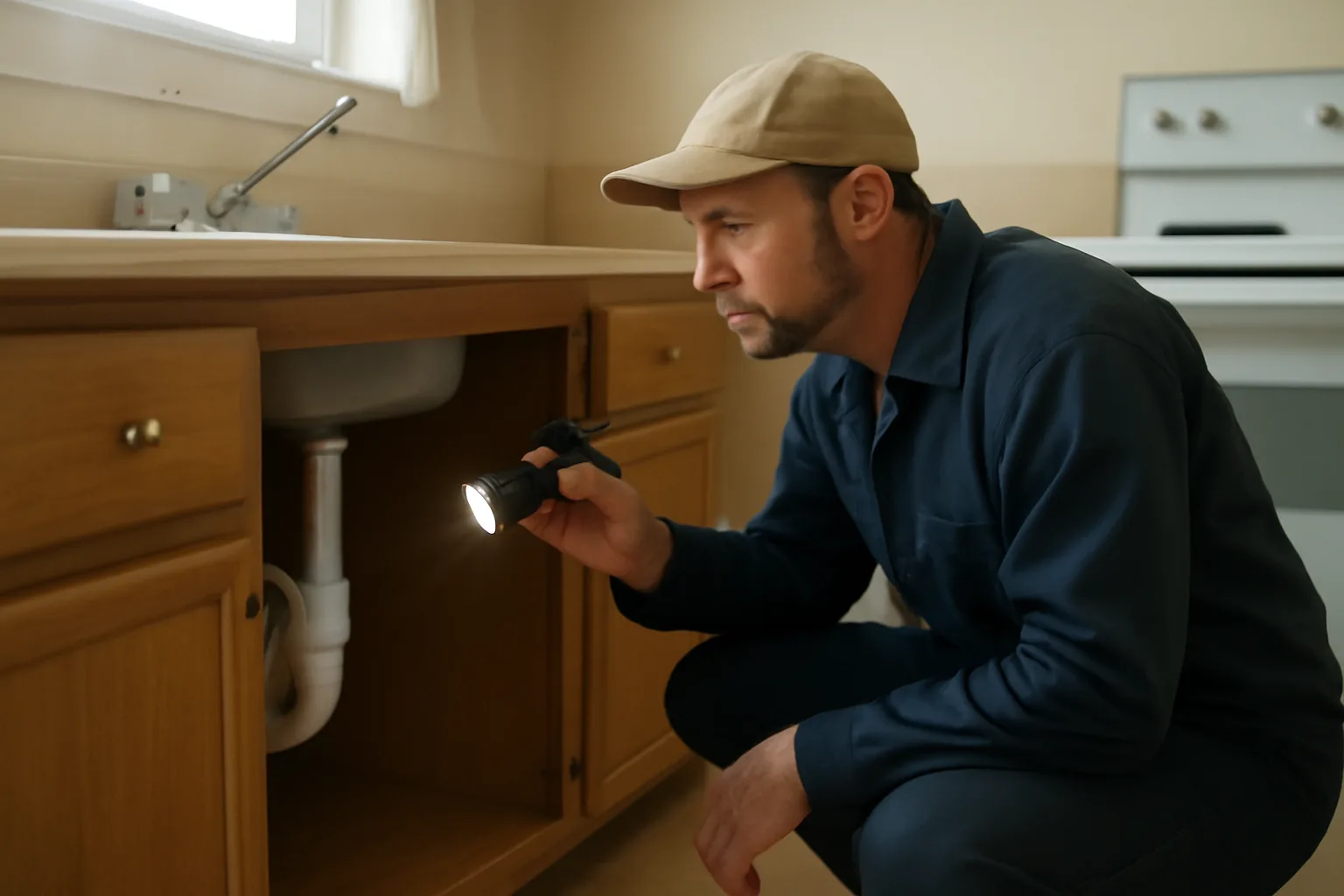
A good checklist covers four buckets: life safety, structural condition, systems (plumbing, electrical, HVAC), and lease compliance. Skip any one of them and you're not really inspecting, you're just walking through and nodding. Life safety items come first because they're the ones that get people hurt and get landlords sued. Smoke alarms in every bedroom and on every level, carbon monoxide detectors near sleeping areas if there's any fuel-burning appliance, working locks on all exterior doors, and window guards where required for lower floors. The National Fire Protection Association recommends testing smoke alarms monthly and notes that smoke alarms failed to operate in almost half of home fires where they should have activated between 2015 and 2019, usually due to dead or missing batteries [1]. Structural condition means checking for water damage, cracked foundations, roof leaks, peeling paint (especially lead paint in homes built before 1978), and pest evidence like droppings, chewed wiring, or nesting material. Systems checks mean running every faucet, flushing every toilet, testing the water heater temperature, checking the HVAC filter, and flipping every light switch and outlet with a cheap tester. Here's a simple table you can print and take room to room. | Area | What to check | Red flag |
How much notice does a landlord have to give before an inspection?
Most states require 24 to 48 hours written or verbal notice before entering an occupied rental unit for a non-emergency inspection, though the exact rule depends on state law and the reason for entry. California requires "reasonable notice," which state law presumes to be 24 hours unless circumstances make that unreasonable [2]. Many other states, including Alaska, Arizona, and Iowa, spell out a specific 24-hour or two-day minimum in their landlord-tenant statutes. A few cities and states allow shorter notice for showings to prospective buyers or tenants, and almost all of them allow zero notice for genuine emergencies like a burst pipe, fire, or gas leak. That emergency exception gets abused sometimes, so don't lean on it for a routine inspection you just forgot to schedule. The safest habit: put your notice in writing (text or email counts in most states, but check your local landlord-tenant code), state the date and window of time, and give at least 48 hours even where 24 is the legal floor. It builds trust and it protects you if a tenant later claims you barged in unannounced. If you manage in a city with mandatory rental licensing, check whether the inspection notice requirement is set by the city ordinance rather than just state law, since they can differ.
What can a landlord look at during an inspection?
A landlord can look at anything relevant to the condition of the property and compliance with the lease: appliances, fixtures, smoke detectors, signs of damage, unauthorized pets, unauthorized occupants, and evidence of lease violations like illegal subletting or a running meth lab (that last one isn't hypothetical, it happens more than landlords expect in certain markets). What a landlord generally cannot do is rifle through drawers, closets, or personal belongings looking for anything unrelated to habitability or lease compliance. The purpose of entry has to be legitimate. California Civil Code Section 1954 lists the lawful reasons for landlord entry as making necessary repairs, showing the unit to prospective tenants or buyers, and inspecting under a court order or with tenant consent, among a short list of others [2]. Practically, that means you can open a cabinet under the sink to check for a leak. You shouldn't be opening a nightstand drawer or scrolling through mail sitting on a counter. If you're doing a broader habitability sweep, stick to visible and accessible areas: walls, ceilings, floors, fixtures, appliances, windows, and anything the tenant would reasonably expect you to check given the stated purpose of the visit.
Who is responsible for the rental property walk-through inspection in California?
In California, the landlord is responsible for offering an initial move-out inspection (sometimes called a pre-move-out inspection) at least once, and the tenant decides whether to attend. California Civil Code Section 1950.5(f) requires that if a tenant requests it, the landlord must conduct the inspection no earlier than two weeks before the end of the tenancy and give the tenant an itemized statement of deductions the landlord expects to make from the security deposit, along with a chance to fix cited issues before move-out [3]. That's the deposit-related walk-through. For a routine mid-lease inspection, responsibility again sits with the landlord to schedule it, but the landlord still must follow the notice rules under Civil Code 1954, meaning reasonable notice (presumed 24 hours) and a legitimate purpose. Some larger California cities with their own rental inspection or rent registration programs (Los Angeles's Systematic Code Enforcement Program is one example) fold habitability inspections into their own local process, so a landlord in one of those jurisdictions may have city inspectors doing part of the walk-through rather than doing it solo. Confirm with your city rental licensing office whether a local program changes who actually conducts the inspection versus who just has to be present for it.
What is landlording, and what is a landlord?
A landlord is the owner (or the owner's authorized agent) who rents real property to another person, called a tenant, in exchange for payment, usually under a lease or rental agreement. Landlording is the day-to-day work of managing that relationship: collecting rent, handling repairs, following habitability law, screening applicants, and dealing with turnover. It's not a licensed profession in most states the way real estate sales are, but it comes with legal obligations attached automatically the moment you accept rent from a tenant. Every state has an implied warranty of habitability that requires landlords to keep rental units fit to live in, covering things like working plumbing, heat, and structural safety, even if the lease doesn't mention it [4]. Landlording well means treating it like the small business it is. That means separate bookkeeping, a system for handling maintenance requests, a written lease, and a clear process for rent collection and late fees. Landlords who treat it as a passive side income stream tend to get burned by their first bad tenant or their first surprise code violation notice.
How to become a landlord
Becoming a landlord starts before you own a rental at all: you need to understand the legal responsibilities you're taking on, more than the cash flow math. From there it's a sequence of practical steps. First, buy or convert a property and confirm it's zoned for rental use; some municipalities restrict short-term or even long-term rentals in certain zones. Second, check whether your city or county requires a rental license, registration, or permit before you can legally rent the unit out. Many cities do, and operating without one can mean fines that stack up per unit, per day, or per violation depending on the local ordinance. Third, screen tenants consistently and legally under the Fair Housing Act, which prohibits discrimination based on race, color, national origin, religion, sex, familial status, or disability [5]. Fourth, put everything in a written lease. Fifth, set up separate finances, get landlord insurance (more than a homeowner's policy, which usually excludes rental use), and build a maintenance response process. Sixth, learn your state's habitability, security deposit, and eviction laws before you need them, not after a tenant sues you. If your city requires a rental license, budget time for the inspection and paperwork process. It typically runs a few weeks from application to approval, though this varies a lot by city, so confirm with your city rental licensing office for the actual timeline and fee schedule.
How to be a good landlord day to day
Being a landlord day to day is mostly about responsiveness and documentation. Respond to maintenance requests fast, because slow response is the single biggest driver of habitability complaints and code violations. Keep records of every repair, every notice, every inspection, and every communication with tenants, ideally in writing or through a portal that time-stamps everything. Run your numbers like a business. Track rent collected, expenses, vacancy days, and repair costs per unit so you actually know if a property is profitable. Treat inspections (yours and the city's) as scheduled maintenance events rather than surprises, and walk the property yourself at least once or twice a year even if your city doesn't require it. Set clear rules up front in the lease about noise, guests, pets, and property care, and enforce them consistently across all your tenants. Inconsistent enforcement is one of the fastest ways to end up on the losing side of a fair housing complaint, even unintentionally. If you're managing your first rental license application or renewal, a checklist for city licensing packets covering both the inspection and the paperwork side saves a lot of back-and-forth with the city office. Our $79 City Rental License & Inspection Prep Packet at /rental-packet-builder is built around exactly that gap: matching your unit against common city checklist items before the inspector shows up.
Why do landlords require renters insurance?
Landlords require renters insurance mainly to cover the tenant's personal property and liability, not the building itself. A landlord's own property insurance covers the structure, but it typically won't pay to replace a tenant's furniture, electronics, or clothing after a fire, burst pipe, or theft. The bigger reason many landlords require it is liability protection. If a tenant's negligence causes a fire that damages neighboring units, or a guest gets hurt in the tenant's unit, renters insurance liability coverage (commonly $100,000 minimum) can cover the claim instead of it landing on the landlord's policy or in a lawsuit against the landlord directly. The Insurance Information Institute notes that renters insurance is generally inexpensive relative to the coverage it provides, with average premiums well under $300 a year in most markets, which is part of why many landlords make it a lease requirement rather than a suggestion [6]. Requiring it also shifts the first line of financial responsibility away from the landlord when something goes wrong that isn't structural. It's a cheap risk-transfer tool, and most landlords who've been through a tenant-caused fire or flood without it in place become believers fast.
What rights do tenants have without a lease?
A tenant without a written lease still has legal rights, because occupying a unit and paying rent (even informally, even to a family member) generally creates a month-to-month tenancy under state law. That tenant still gets the implied warranty of habitability, protection from illegal lockouts and utility shutoffs, and the right to proper notice before eviction. Without a written lease, the terms default to whatever the state's landlord-tenant statute says for oral or month-to-month agreements: usually 30 days notice to end the tenancy on either side, though some states set it differently based on how long the tenant has lived there. A landlord still cannot evict a tenant without following the legal eviction process through the courts, lease or no lease. Self-help evictions (changing locks, removing belongings, shutting off power) are illegal in essentially every state regardless of whether there's a written lease [7]. What a tenant without a lease usually doesn't have is a fixed term of guaranteed tenancy. Either party can generally end a month-to-month arrangement with proper notice, which is the main practical difference from a signed 12-month lease.
What can't a landlord do in Ohio?
Under Ohio Revised Code 5321.04, a landlord cannot enter a rental unit except at reasonable times and after giving the tenant reasonable notice, generally interpreted as 24 hours in practice, and only for legitimate purposes like inspection, repairs, or showing the unit [8]. A landlord in Ohio also cannot shut off utilities, change the locks, or remove a tenant's belongings to force them out; Ohio law requires landlords to go through the formal eviction (forcible entry and detainer) process in court [8]. Ohio landlords also can't retaliate against a tenant for reporting a code violation or exercising a legal right, such as by raising rent, cutting services, or filing eviction shortly after a complaint, since Ohio Revised Code 5321.02 specifically prohibits retaliatory conduct [9]. And under the statewide habitability standard in ORC 5321.04, landlords must keep the unit in a fit and habitable condition, keep common areas safe, and maintain electrical, plumbing, heating, and other systems in good working order. This is state-level law; individual Ohio cities like Cleveland or Columbus may layer their own rental registration and inspection ordinances on top, so always confirm with your city rental licensing office what local rules add to the state floor.
How often should landlords inspect a rental unit?
There's no single federal or state standard number, but a common rhythm among experienced landlords is one routine interior inspection every 6 to 12 months, plus a move-in and move-out inspection for every tenancy change. Some cities with mandatory rental licensing require inspections on a fixed cycle regardless of what the landlord would otherwise choose, often every 1 to 3 years per unit, tied to license renewal. Beyond the scheduled inspection, smart landlords also do a quick exterior drive-by every few months and respond to any maintenance request with an in-person look rather than just taking the tenant's word for it over text. A tenant reporting "the sink is a little slow" might actually be sitting on a slow leak that's rotting a subfloor, and you won't know until you look. If your city requires periodic inspections as part of a rental license or registration program, that schedule overrides your personal preference, since missing a city-mandated inspection window can trigger fines or a license suspension. Confirm the exact interval and renewal deadline with your city rental licensing office, since it varies widely from city to city and sometimes even by property type within the same city.
What happens if a landlord fails a rental inspection?
Failing a mandatory city rental inspection usually triggers a written notice listing each violation and a deadline to fix it, called a correction or compliance period, often somewhere between 10 and 60 days depending on severity and the specific city ordinance. Serious life-safety violations (no smoke detectors, exposed wiring, no heat) tend to get much shorter deadlines than cosmetic issues. If the landlord doesn't fix the cited items by the deadline, most cities can levy fines, which vary enormously by jurisdiction from roughly $50 up to several hundred dollars per violation per day in more aggressive code enforcement cities, and in the worst cases can suspend or revoke the rental license entirely, making it illegal to keep renting the unit until it's fixed and reinspected. Some cities also charge a reinspection fee for the follow-up visit. The fix is almost always to walk your own checklist before the city ever shows up, catch the obvious stuff (dead smoke alarm batteries, a missing GFCI outlet, a loose handrail), and document that you fixed it with dated photos. That documentation matters if there's ever a dispute about whether a violation was corrected in time.
Frequently asked questions
What is a landlord walk-through inspection checklist supposed to include?
It should include life safety items (smoke and CO detectors, exits, locks), structural condition (walls, ceilings, floors, roof, foundation), working systems (plumbing, electrical, HVAC, water heater), pest evidence, and lease compliance items like unauthorized occupants or pets. City-mandated inspections usually come with their own checklist tied to the local housing code, which should be your minimum standard.
Who is responsible for the rental property walk-through inspection in California?
The landlord is responsible for scheduling and offering it, including the pre-move-out inspection required under California Civil Code 1950.5(f) if the tenant requests one. In cities with local rental inspection programs, city inspectors may conduct part of the process, but the landlord remains responsible for compliance and for giving proper entry notice under Civil Code 1954.
What is landlording?
Landlording is the ongoing work of owning and managing a rental property: collecting rent, maintaining habitability, screening tenants, handling repairs, and following state and local landlord-tenant law. It's the day-to-day operational side of being a landlord, distinct from just owning real estate as an investment.
What is a landlord?
A landlord is the owner of real property, or their authorized agent, who rents that property to a tenant in exchange for payment under a lease or rental agreement. Landlords take on legal duties like maintaining habitability and following proper eviction procedure the moment they accept rent from a tenant.
What rights do tenants have without a lease?
Tenants without a written lease still get an implied month-to-month tenancy under state law, the implied warranty of habitability, protection from illegal lockouts or utility shutoffs, and the right to a formal eviction process rather than a self-help eviction. Notice periods to end the tenancy default to state statute, typically around 30 days.
How to become a landlord?
Confirm the property is zoned for rental use, check whether your city requires a rental license or registration, screen tenants under Fair Housing Act rules, use a written lease, get landlord insurance, and learn your state's habitability and eviction laws. Budget extra time if your city requires a pre-rental inspection before issuing the license.
How much notice does a landlord have to give before entering for an inspection?
Most states require 24 to 48 hours notice for non-emergency entry, with California presuming 24 hours reasonable under Civil Code 1954. Some states or cities set different minimums, and none of them require notice for genuine emergencies like fire, flooding, or gas leaks. Always confirm your specific state's statute since the number isn't uniform nationally.
What can a landlord look at during an inspection?
A landlord can check anything tied to habitability or lease compliance: appliances, fixtures, smoke detectors, signs of damage, and evidence of unauthorized occupants or lease violations. A landlord generally cannot search personal belongings, drawers, or areas unrelated to the stated purpose of the visit.
What can't a landlord do in Ohio?
Ohio landlords can't enter without reasonable notice and a legitimate purpose, can't shut off utilities or change locks to force a tenant out, and can't retaliate against a tenant for reporting a code violation, under Ohio Revised Code 5321.02 and 5321.04. They also can't skip the formal court eviction process.
Why do landlords require renters insurance?
Renters insurance covers the tenant's personal belongings and liability, which a landlord's own property policy usually doesn't cover. It shifts financial risk away from the landlord if a tenant causes damage to neighboring units or someone gets hurt in the unit, and it's cheap enough that most landlords make it a lease requirement.
How often should a landlord inspect a rental property?
A common practice is one routine interior inspection every 6 to 12 months plus move-in and move-out inspections. Cities with mandatory rental licensing often set their own inspection cycle, commonly every 1 to 3 years, which overrides personal preference. Confirm your city's exact interval since it varies by jurisdiction.
What happens if a rental unit fails a city inspection?
The city typically issues a written notice of violations with a correction deadline, often 10 to 60 days depending on severity. Missing that deadline can lead to fines, sometimes charged per violation per day, and in serious cases a suspended or revoked rental license until the unit passes reinspection.
Can a tenant refuse a landlord's inspection?
A tenant generally can't refuse a properly noticed inspection made for a legitimate purpose under state law, but they can push back if notice was too short, the timing is unreasonable, or the stated purpose looks like a pretext for harassment. Repeated unreasonable entry attempts can itself become a legal issue for the landlord.
Sources
- National Fire Protection Association, Smoke Alarms in US Home Fires: Smoke alarms failed to operate in almost half of home fires where they should have activated, usually due to dead or missing batteries
- California Legislative Information, Civil Code Section 1954: California presumes 24 hours notice reasonable and lists lawful purposes for landlord entry
- California Legislative Information, Civil Code Section 1950.5: Landlords must offer a pre-move-out inspection within two weeks of tenancy end if requested, with an itemized deduction statement
- Cornell Law School Legal Information Institute, Implied Warranty of Habitability: Every state has an implied warranty of habitability requiring landlords to keep rental units fit to live in
- U.S. Department of Housing and Urban Development, Fair Housing Act Overview: Fair Housing Act prohibits discrimination based on race, color, national origin, religion, sex, familial status, or disability
- Insurance Information Institute, Renters Insurance Facts and Statistics: Renters insurance premiums average well under $300 a year in most markets
- Cornell Law School Legal Information Institute, Landlord-Tenant Law: Self-help evictions are illegal and landlords must use the formal court eviction process regardless of lease status
- Ohio Legislature, Ohio Revised Code 5321.04: Ohio landlords must enter only at reasonable times with reasonable notice and must maintain habitability
- Ohio Legislature, Ohio Revised Code 5321.02: Ohio law prohibits landlord retaliation against tenants who report code violations or exercise legal rights