Last updated 2026-07-26
TL;DR
Becoming a landlord means more than buying a property and finding a tenant. Most cities require you to register or license the rental, pass an inspection, follow notice-period rules for entry, and respect tenant rights even without a written lease. Requirements vary heavily by city and state, so check your local rental licensing office before you advertise a unit.
what is a landlord, exactly?
A landlord is anyone who owns residential or commercial property and rents it to another person (a tenant) in exchange for payment, usually monthly rent. That's the plain-English definition, but legally, being a landlord comes with a set of duties defined by state landlord-tenant law and, in many cities, local rental licensing ordinances. The legal relationship is created the moment you accept rent from someone living in your property, whether or not you signed a lease. Some states even define "landlord" and "tenant" by statute. For example, Ohio's landlord-tenant law defines a landlord as "the owner, lessor, or sublessor of residential premises" and applies once that person is renting to someone for a dwelling unit [1]. Being a landlord isn't a side hustle you can wing. You're taking on a regulated business relationship, and in mandatory rental-licensing cities, the city treats you like an operator of a housing service, more than a private property owner. That means paperwork, fees, and inspections most first-time landlords don't expect.
what is landlording? (the day-to-day job, more than the legal title)
Landlording is the ongoing work of managing a rental property: collecting rent, maintaining the unit, handling repair requests, screening new tenants, following notice rules before entry, and keeping the property compliant with local code and licensing requirements. It's part bookkeeping, part maintenance coordination, part conflict de-escalation. A lot of new landlords think the job ends after move-in. It doesn't. You're responsible for habitability standards for as long as someone lives there, and in licensed cities, you're also responsible for keeping your registration or license current and passing any required inspections on schedule. If you're managing this yourself instead of hiring a property manager, budget real time for it. Emergency repair calls, habitability complaints, and inspection scheduling all eat hours you don't get back. Some landlords with 1-2 units treat it as a light side project; landlords with 5-10 units usually find they need a system (a shared calendar for lease renewals and inspection deadlines, at minimum).
how do you actually become a landlord, step by step?
Becoming a landlord generally means completing these steps, though the exact order and requirements depend heavily on your city and state: 1. Buy or already own residential property you plan to rent out. 2. Check whether your city requires rental registration or licensing before you can legally rent the unit. Many cities do; requirements, fees, and renewal cycles vary, so confirm with your city rental licensing office. 3. Get the property inspection-ready. Many licensing cities require a pre-rental or periodic inspection covering smoke detectors, egress windows, electrical safety, and general habitability. 4. Set up a lease that complies with your state's landlord-tenant statute, including required disclosures (lead paint disclosure is a federal requirement for pre-1978 housing under 42 U.S.C. Section 4852d [2]). 5. Screen tenants consistently and legally, following Fair Housing Act rules that bar discrimination based on race, color, national origin, religion, sex, familial status, and disability [3]. 6. Collect a security deposit within your state's legal cap and follow the state's rules on how you hold and return it. 7. Get landlord insurance (and decide your renters insurance policy for tenants). 8. Track renewal and re-inspection deadlines going forward. Licenses usually aren't one-and-done; most cities require annual or biennial renewal. If your unit is in a licensing city and you skip step 2, you risk fines before you've even collected your first rent check. This is the step new landlords blow past most often.
who is responsible for a rental property walk-through inspection in california?
In California, responsibility for rental walk-through inspections depends on the type of inspection. For move-in and move-out inspections related to security deposits, California Civil Code Section 1950.5 gives tenants the right to request an initial move-out inspection before the final move-out, so they can fix issues themselves and avoid deductions. The landlord (or their agent) conducts that walk-through and must give the tenant an itemized statement of proposed deductions [4]. For code-compliance or rental licensing inspections (common in cities with Rental Housing Inspection Programs, like parts of Los Angeles County or cities such as Los Angeles proper under its Systematic Code Enforcement Program), the local housing or code enforcement department sends an inspector, not the landlord. The landlord is responsible for scheduling the inspection, granting access, and fixing violations found, but the inspection itself is performed by a city or county code inspector, not a private party. So the short answer: the landlord owns the responsibility to make it happen and to fix what's flagged, but the actual walk-through inspector is either the landlord (for deposit-related pre-move-out checks) or a government inspector (for code and licensing compliance). California statewide law doesn't mandate periodic rental licensing inspections; that's a local ordinance layer that varies by city, so always confirm the specific inspection type and who conducts it with your city rental licensing office.
what rights do tenants have without a lease?
Tenants without a written lease still have real legal rights. In most states, once someone is living in a unit and paying rent, they're a tenant under the law, usually classified as a month-to-month tenant, even with nothing signed. That status still comes with habitability rights (a livable, safe unit), the right to proper notice before entry, the right to proper notice before eviction, and protection from illegal lockouts or utility shutoffs. Verbal or "handshake" leases are legally enforceable in most states, though they're much harder to prove in a dispute, which is exactly why written leases exist. Without a written lease, the default terms usually fall back to whatever your state's landlord-tenant code says for month-to-month tenancies. That typically includes a set notice period to end the tenancy (commonly 30 days, though some states use 7, 60, or 90 days depending on tenancy length and reason) and the same eviction process protections a written-lease tenant gets. Skipping a lease doesn't give a landlord more power. If anything, it removes the landlord's ability to set custom terms (late fees, pet policies, specific maintenance responsibilities) because there's nothing on paper defining them. For anyone renting out a unit, a written lease protects you as much as it protects the tenant. See tenant rights and tenants rights for more on baseline protections that apply regardless of lease status.
why do landlords require renters insurance?
Landlords require renters insurance mainly to shift liability and property-damage risk away from the landlord's own policy and onto the tenant's. A standard landlord (dwelling) insurance policy covers the building structure but typically does not cover a tenant's personal belongings or the tenant's liability if they, say, cause a kitchen fire or a guest gets hurt in the unit. Renters insurance usually covers three things: the tenant's personal property, liability if the tenant is at fault for damage or injury, and additional living expenses if the unit becomes unlivable. Requiring it protects the landlord from a tenant claiming the landlord should cover losses that were really the tenant's responsibility, or from a tenant with no coverage suing the landlord because they had nowhere else to put the claim. Most basic renters insurance policies are inexpensive, commonly in the range of roughly $15 to $30 per month depending on coverage amount, location, and deductible, though exact pricing depends on the insurer and isn't standardized nationally, so treat that as a general market range rather than a guaranteed quote. Landlords who require it typically write the requirement directly into the lease and ask for proof of an active policy, sometimes naming the landlord as an "interested party" on the policy so they're notified if it lapses.
how much notice does a landlord have to give before entering or ending a tenancy?
Notice requirements split into two very different categories: notice to enter the unit, and notice to end the tenancy. Both vary by state, and neither is optional. For entry, many states set a specific notice window. California requires "reasonable notice," which state law presumes to mean 24 hours in writing for non-emergency entry, under California Civil Code Section 1954 [5]. Other states use 24 or 48 hours depending on the purpose (repairs versus showings). A smaller number of states don't specify a number at all and just require "reasonable" notice, leaving it to case law or local custom. For ending a month-to-month tenancy, notice periods typically run 30 days, though some states step this up based on how long the tenant has lived there, or down for shorter tenancies. Termination for cause (nonpayment, lease violation) usually has separate, often shorter notice periods, defined by that state's eviction statute, and these numbers change frequently, so verify the current figure with your state's landlord-tenant statute or your city's tenant protections office rather than relying on a general rule. Because these numbers vary this much state to state, don't copy a notice period from a friend's lease in another state. Pull your own state's statute.
what can a landlord look at during an inspection?
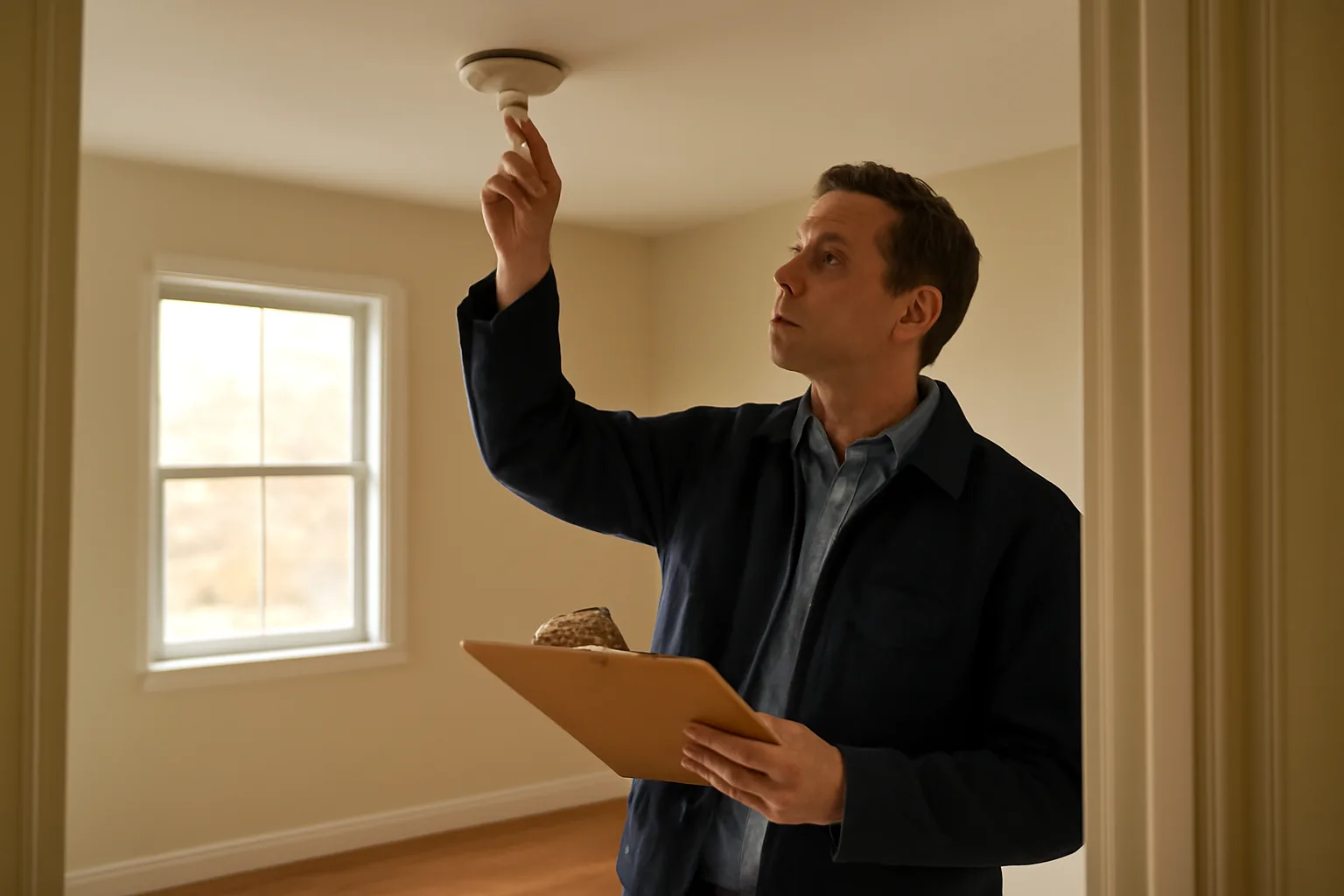
During a lawful inspection, a landlord (or a city inspector, depending on the inspection type) can generally check life-safety items, habitability conditions, and any code-required features: smoke and carbon monoxide detectors, electrical outlets and panels, plumbing leaks, mold or moisture damage, window and door locks, egress routes, heating systems, and pest issues. What a landlord generally cannot do is treat an inspection as a general search of the tenant's belongings. Inspections are for the condition of the property and its systems, not an excuse to go through drawers, closets, or personal papers. Some rental licensing inspections (the kind done for a city's rental permit program) are limited specifically to the items on the city's inspection checklist, things like smoke detector placement, egress window size, or handrail condition, not tenant possessions at all. A landlord conducting their own routine inspection (as opposed to a city inspector doing a licensing inspection) still has to follow the state's entry-notice rules discussed above. Showing up unannounced to "check on things" isn't allowed in most states, even if you own the property. If you're prepping for an actual city licensing inspection rather than your own routine check, the checklist is usually published by the city itself; that's worth pulling directly rather than guessing, since checklists differ block by block in some jurisdictions.
what can't a landlord do in ohio?
Ohio's landlord-tenant law, chapter 5321 of the Ohio Revised Code, spells out several things a landlord cannot do. A landlord cannot shut off utilities to force a tenant out, cannot lock a tenant out without a court order, and cannot seize a tenant's belongings to collect unpaid rent (all commonly called "self-help eviction," and it's illegal almost everywhere, Ohio included) [6]. Ohio landlords also cannot retaliate against a tenant for exercising a legal right, such as reporting a code violation or joining a tenants' union. Ohio Revised Code Section 5321.02 specifically bars a landlord from increasing rent, decreasing services, or bringing an eviction action in retaliation for a tenant's good-faith complaint about a housing code violation [7]. An Ohio landlord also can't ignore the state's habitability duties: Ohio Revised Code Section 5321.04 requires landlords to keep the premises in a fit and habitable condition, comply with building and housing codes, and keep common areas safe and sanitary [8]. Failing to do so, then trying to evict a tenant for withholding rent over that failure, tends to go badly for the landlord in court. Ohio also caps what a landlord can do with a security deposit; under Section 5321.16, if a landlord wrongfully withholds a deposit, the tenant can recover damages plus attorney's fees [9].
what does rental licensing actually add on top of state landlord-tenant law?
State landlord-tenant law sets the floor: habitability duties, notice periods, deposit rules, eviction process. Local rental licensing ordinances add a second, separate layer on top of that, and this is the layer new landlords in mandatory-licensing cities usually don't see coming. A licensing city typically requires you to register the unit (sometimes annually, sometimes every two or three years), pay a registration or license fee, and pass a habitability or safety inspection before or shortly after you start renting. Miss the registration deadline and many cities issue fines that scale with how long you've been out of compliance; some cities also bar you from filing an eviction case at all until the unit is properly licensed. That last part surprises a lot of landlords who find out only after they've already filed. Because every city's ordinance is different (different fee schedules, different inspection checklists, different renewal cycles, different penalty structures), there's no single number to quote you here. If you've gotten an ordinance notice, inspection deadline, or a violation fine and you're not sure what triggered it, your city's rental licensing or code enforcement office is the only reliable source for the current fee and deadline. For landlords managing this paperwork for the first time, or trying to get organized before an inspection date, RentalPermitPath's $79 one-time City Rental License & Inspection Prep Packet at rental-packet-builder is built to walk you through what a typical city checklist covers so you're not guessing at the inspection date.
is landlording worth it for a first-time owner with 1-2 units?
That depends on your time, your local rules, and your tolerance for occasional bad news (a broken water heater at 11pm, a tenant who stops paying, an inspection that flags something expensive). It's not a passive income stream in the way it gets marketed online, especially in your first year. The workload is heaviest at three points: onboarding a new tenant, handling maintenance requests, and staying on top of licensing renewals and inspections if your city requires them. If you're self-managing 1-2 units, expect a few hours a month in a good stretch and a lot more in a bad one (turnover, a failed inspection, a habitability complaint). Many first-time landlords underestimate the licensing side specifically. It's easy to remember to collect rent; it's much easier to forget a registration renewal date that's buried in an email from 14 months ago. If your city fines for late renewal, that's a completely avoidable cost. Building a simple calendar reminder system for your registration, inspection, and lease-renewal dates on day one saves you from the single most common (and most preventable) landlord mistake: getting fined for paperwork you forgot existed.
Frequently asked questions
How do I know if my city requires rental licensing?
Search your city's name plus "rental registration" or "rental licensing" and look for the city or county housing department page. Many cities also require it at the county level. If you can't find anything online, call your city's code enforcement or housing department directly and ask; they'll tell you the requirement and fee for your specific address.
What is landlording as a full-time job versus a side activity?
Landlording can be either. Full-time landlords with 10+ units often hire property managers or handle it as their primary income; landlords with 1-3 units usually run it alongside a regular job, handling tenant communication, maintenance, and licensing paperwork in evenings and weekends. The regulatory requirements (licensing, inspections, habitability law) apply the same either way.
Do I need a business license to become a landlord?
It depends on your city and how many units you own. Some cities require a general business license for any rental activity; others only require a rental-specific registration or license. A few smaller jurisdictions require neither for owner-occupied duplexes. Check with your city's business licensing office and rental licensing office separately, since they're often different departments.
Can a landlord require both a lease and renters insurance?
Yes. Requiring renters insurance as a lease condition is legal in every state and common practice. The lease should state the minimum liability coverage required and require proof of an active policy at move-in and renewal. It's one of the cheapest risk-reduction moves a landlord can require.
What happens if a tenant refuses to let the landlord in for an inspection?
If you gave proper notice under your state's law and the tenant still refuses entry, most states allow the landlord to pursue a court order compelling access, and repeated unreasonable refusal can sometimes be treated as a lease violation. You generally cannot force entry yourself without a court order; doing so risks an illegal entry or lockout claim against you.
Is a verbal lease legally binding?
In most states, yes, a verbal lease is enforceable, but it's treated as a month-to-month tenancy by default and is much harder to prove in a dispute over rent amount, pet policy, or move-out date. Courts generally favor written leases when terms are disputed simply because there's evidence to look at.
How often do rental licenses need to be renewed?
It varies by city. Some require annual renewal, others every two or three years. Some cities also trigger a new inspection with every renewal cycle, while others only inspect on a complaint basis after the initial license. Confirm your specific renewal cycle and any inspection requirement with your city rental licensing office.
Can a landlord evict a tenant who never signed a lease?
Yes, but the process is the same as evicting a lease-holding tenant: proper notice under state law, followed by a court filing if the tenant doesn't leave. A landlord cannot skip the legal eviction process just because there's no signed lease. Self-help eviction (changing locks, removing belongings) is illegal in every state.
What's the difference between a landlord and a property manager?
A landlord owns the property and holds the legal responsibilities under state and local law. A property manager is hired (often for a percentage of monthly rent, commonly 8 to 12 percent) to handle day-to-day tasks like rent collection, maintenance coordination, and tenant communication. Licensing and habitability responsibility still ultimately sits with the landlord/owner.
Do landlords have to disclose lead paint to tenants?
Yes, for housing built before 1978. Federal law under 42 U.S.C. Section 4852d requires landlords to give tenants an EPA-approved lead hazard information pamphlet and disclose any known lead-based paint hazards before the lease is signed. This applies nationwide regardless of state or city rental licensing rules.
What is the fastest way to become a compliant landlord in a licensing city?
Start with your city's rental licensing office before you list the unit: confirm the registration process, fee, and whether an inspection is required first. Get the unit inspection-ready (smoke detectors, egress, electrical) before scheduling. Then draft a compliant lease and screen tenants under Fair Housing rules. Doing licensing last is the most common costly mistake.
Can a landlord charge a tenant for the walk-through inspection?
Generally no, for standard move-in/move-out inspections related to a security deposit; those are considered part of normal landlord duties in most states. Some cities' rental licensing inspections do carry a fee, but that fee is charged to the landlord by the city, not passed directly to the tenant as a line item, in most jurisdictions.
Sources
- Ohio Legislature, Ohio Revised Code 5321.01: Ohio's statutory definition of landlord under residential landlord-tenant law
- U.S. Code, 42 U.S.C. 4852d: federal lead paint disclosure requirement for pre-1978 housing
- HUD, Fair Housing Act overview: protected classes under the federal Fair Housing Act
- California Legislative Information, Civil Code Section 1950.5: tenant's right to an initial move-out inspection and itemized deduction statement in California
- California Legislative Information, Civil Code Section 1954: California's 24-hour presumed reasonable notice requirement for landlord entry
- Ohio Legislature, Ohio Revised Code 5321.15: Ohio's prohibition on self-help eviction, lockouts, and seizing tenant property
- Ohio Legislature, Ohio Revised Code 5321.02: Ohio's bar on landlord retaliation against tenants for code violation complaints
- Ohio Legislature, Ohio Revised Code 5321.04: Ohio landlord's statutory duty to maintain fit and habitable premises
- Ohio Legislature, Ohio Revised Code 5321.16: tenant remedies including damages and attorney's fees for wrongfully withheld security deposits in Ohio