Last updated 2026-07-26
TL;DR
There's no national price. Landlord (rental) licenses generally cost $20 to $150 per unit per year in most cities, though some charge flat fees per property and a few high-enforcement cities run $300-$500+ per unit when inspections are bundled in. The only accurate number is whatever your specific city rental licensing office publishes, since fees vary by unit count, owner-occupancy, and inspection cycle.
How much is a landlord license, really?
There's no single number, and anyone who gives you one flat answer is guessing. Landlord licensing (sometimes called rental registration or a certificate of occupancy for rentals) is a city or county program, not a state or federal one, so every jurisdiction sets its own fee schedule. Across the cities that publish fee schedules, most fall somewhere between $20 and $150 per unit per year. Chicago's Residential Landlord and Tenant Ordinance requires registration but the city doesn't charge a per-unit licensing fee the way some suburbs do; other Illinois municipalities like Evanston charge separately under their own rental registration ordinance [1]. Minneapolis charges rental license fees that scale with the number of units and the property's inspection history, with base fees for a single-family rental typically running under $100 and multi-unit buildings paying per-unit add-ons [2]. Some cities fold the inspection fee into the license fee, others bill them separately. Milwaukee, for example, charges a rental unit registration fee and can add reinspection fees ($100+ per reinspection is common in cities with that structure) if the first inspection turns up violations [3]. That reinspection fee is often where landlords get surprised, because the sticker-price license fee looked cheap and then a failed inspection doubled the real cost. Honestly, the fastest way to get the real number is to search "[your city] rental license fee" plus ".gov" and look for a fee schedule PDF or a code enforcement fee page. Don't trust aggregator sites or forums for the dollar figure, since fees change almost every budget cycle in a lot of these cities.
What actually drives the price up or down?
Four things move the number more than anything else: unit count, owner-occupancy status, inspection frequency, and whether the city treats late registration as a separate violation. Unit count is the biggest lever. A single-family rental license is almost always cheaper than a duplex, which is cheaper than a 4-unit building, because most fee schedules charge a base fee plus a per-unit add-on. A city might charge $75 for the first unit and $15 for each additional unit, so a 4-unit building costs $120 while a single-family rental costs $75. Owner-occupied duplexes and triplexes often get a discount or exemption in cities that want to avoid regulating small owner-occupants the same way they regulate absentee landlords. Check your city's ordinance for an owner-occupancy exemption before you assume you owe the full fee. Inspection frequency changes the real annual cost even when the license fee itself stays flat. A city that inspects every year effectively charges you an inspection fee every year on top of the license fee. A city that inspects every 3 years averages that cost out, so the annual cost looks lower even if the per-inspection fee is identical. Late fees and non-compliance penalties are the part people forget to budget for. Cities that require rental registration frequently define failing to register as a separate ongoing violation, with fines that can run $100 to $1,000+ per unit depending on the jurisdiction and how long you've been out of compliance. Check the specific ordinance language for your city rather than assuming a one-time catch-up fee will fix it.
Landlord license fee ranges by city type (a rough guide)
| Small city, light enforcement | $20-$50 | Every 2-3 years or complaint-based | Often just registration, minimal inspection | |
|---|---|---|---|---|
| Mid-size city, active program | $50-$150 | Annual or biennial | Fee usually bundles a scheduled inspection | |
| Large city, high enforcement | $150-$300+ | Annual | Reinspection fees common on top of base fee | |
| Owner-occupied duplex/triplex | Often reduced or exempt | Varies | Check your ordinance for owner-occupancy carve-outs | A useful sanity check: if a city's published fee schedule looks suspiciously cheap ($10-$15 per unit) compared to neighboring cities, look for a separate inspection fee line item. Some cities intentionally keep the registration fee nominal and make their money on inspection and reinspection fees instead. |
This table is a directional guide, not a quote. Confirm with your city rental licensing office before you budget. | City type | Typical license fee per unit/year | Inspection cycle | Notes |
How do I find my city's exact landlord license fee?
Search your city name plus "rental registration" or "rental license" plus "fee schedule." Most cities that run these programs publish a PDF fee schedule through their code enforcement, building, or housing department. If you can't find it online, call the department directly. Ask specifically whether the fee is per property or per unit, and whether inspection costs are included. A few things to ask for by name when you call: the base license fee, the per-unit add-on if any, the inspection fee (if billed separately), the reinspection fee, and the late-registration penalty. Get the answer in writing or screenshot the fee page, because phone quotes from front-desk staff aren't always current. If you're managing multiple units, some cities let you register a portfolio at once, which can knock a percentage off the aggregate per-unit rate. Others charge every unit individually with no volume discount. Confirm with your city rental licensing office which model applies before you assume a discount exists.
How to become a landlord
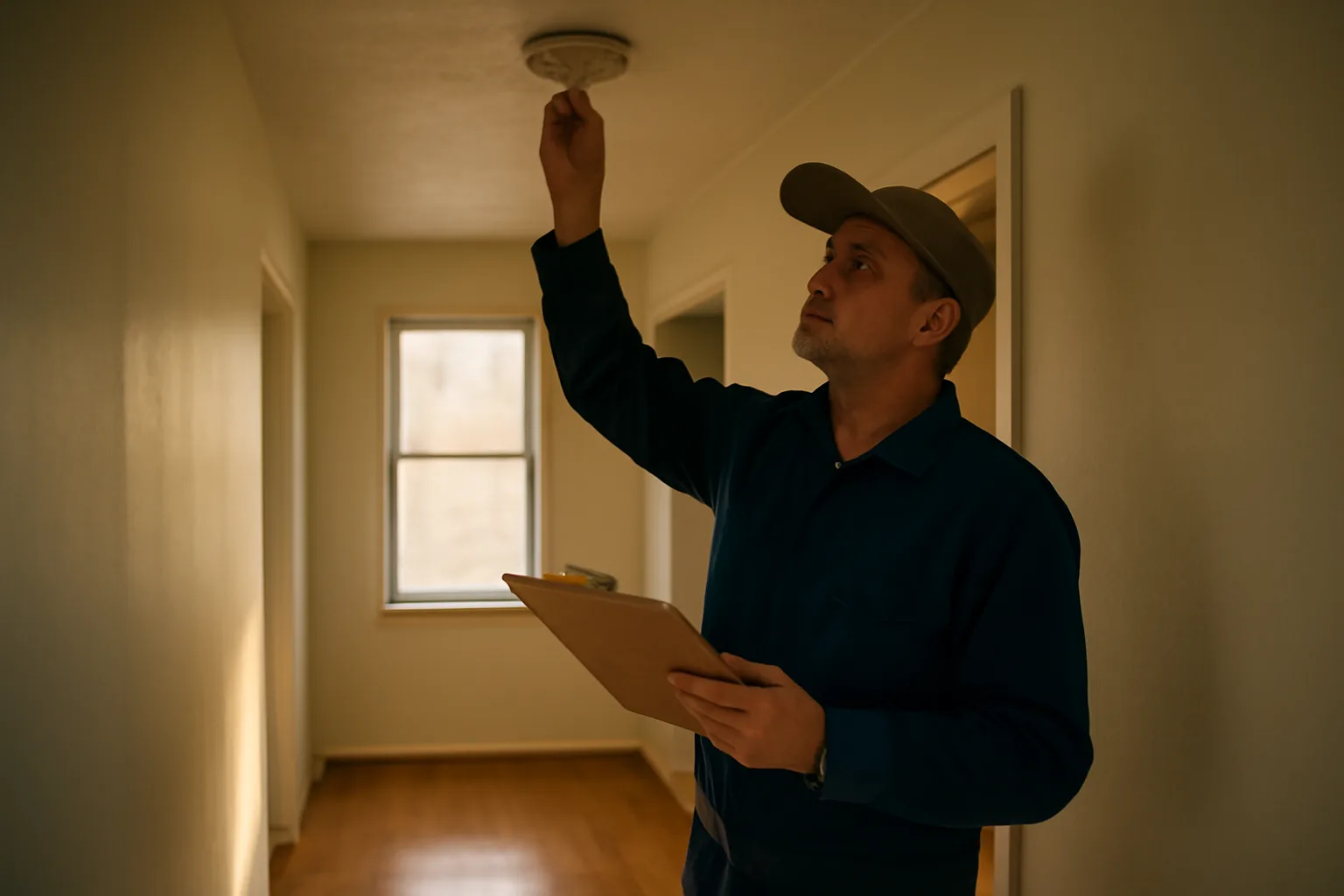
Becoming a landlord legally means clearing four hurdles in most licensing cities: property compliance (safety and habitability standards), registration or licensing with the city, sometimes a passed inspection, and ongoing tax and insurance obligations. First, check whether your city requires a rental license or registration at all. Not every city does; mandatory rental licensing is a local ordinance choice, and plenty of smaller towns have no program. If your city does have one, you typically need to register before you advertise or sign a lease, not after. Second, get the property up to code. This usually means working smoke detectors, carbon monoxide detectors where gas appliances are present, functioning locks, no exposed wiring, adequate egress from bedrooms, and no active pest infestations. Many cities' first-time inspection failures are for smoke detector placement and minor electrical issues, which are cheap to fix if you catch them before the inspector does. Third, get a lease and screening process in place. Fair housing law under the Fair Housing Act (42 U.S.C. § 3601 et seq.) prohibits discrimination based on race, color, religion, sex, national origin, familial status, or disability in the sale, rental, or financing of housing [4]. Screening criteria (income, credit, rental history) need to apply consistently to every applicant. Fourth, budget for the license fee, any inspection fee, and landlord-specific insurance. A landlord who skips the registration step because they think their rental is small enough to fly under the radar is the most common way people end up with a violation notice years later, often with back fees attached.
What is a landlord? What is landlording?
A landlord is the legal owner (or their authorized agent) of a residential or commercial property who leases that property to a tenant in exchange for rent. Landlording is the ongoing work of managing that relationship: collecting rent, maintaining the property, handling repairs, following notice and eviction procedures, and staying compliant with local, state, and federal housing law. Legally, a landlord's core obligations in most states include maintaining a habitable unit (working plumbing, heat, structural safety), giving proper notice before entry, returning security deposits within statutory timeframes, and following the specific eviction process for that state rather than removing a tenant unilaterally. Landlording isn't just collecting rent. In a licensing city, it also means keeping your registration current, passing scheduled inspections, and responding to code complaints, on top of the basic maintenance and tenant relationship work. That regulatory layer is exactly what trips up a lot of first-time landlords who assumed the job was just "own a house, rent it out."
Who is responsible for a rental property walk-through inspection in California?
In California, the landlord is responsible for conducting a pre-move-out inspection if the tenant requests one, and for coordinating any city-mandated rental inspection separately from that. California Civil Code § 1950.5(f) gives the tenant the right to request an initial inspection before move-out, so the landlord can identify repair items the tenant could fix themselves to avoid deposit deductions [5]. The landlord (or their agent) walks the unit with the tenant, if the tenant requests it, and must give the tenant an itemized statement of anticipated deductions. That's separate from city rental inspection programs. Cities like Los Angeles run their own Systematic Code Enforcement Program (SCEP) inspections, which are scheduled by the city's Housing Department, not the tenant, and are about code compliance rather than deposit deductions [6]. The landlord is still responsible for scheduling access with the tenant and being present or represented for that inspection. So there are two separate "inspections" that get confused constantly: the Civil Code move-out walk-through, which is tenant-initiated and deposit-related, and the municipal code inspection, which is city-initiated and license-related. Both put responsibility on the landlord to arrange access and address findings, but they run on completely different rules and timelines.
What can a landlord look at during an inspection?
During a routine or move-out inspection, a landlord (or a city inspector, for licensing programs) can generally look at anything related to habitability, safety, and lease compliance: smoke and CO detector function, plumbing and electrical condition, evidence of pest infestation, structural damage, unauthorized occupants or pets, and general cleanliness that could cause property damage. What a landlord typically cannot do is search personal belongings, open closed drawers or containers unrelated to the inspection's purpose, or use the inspection as a pretext to harass a tenant or retaliate for a complaint. Most state landlord-tenant statutes limit inspections to reasonable purposes (repairs, safety checks, showing the unit to prospective tenants or buyers) and require advance notice, commonly 24 hours, though the exact number varies by state. For city-mandated licensing inspections, the inspector is checking against a fixed code checklist: means of egress, detector placement and function, electrical panel condition, water heater venting and pressure relief valves, exterior condition, and interior structural or moisture issues. That's a narrower and more procedural look than a routine landlord walk-through, and the inspector generally isn't evaluating tenant housekeeping or personal property at all.
How much notice does a landlord have to give before entering?
Most states require 24 to 48 hours advance notice before a landlord enters an occupied rental unit for a non-emergency reason, though the exact number and the form of notice (written vs. verbal, posted vs. mailed) varies by state statute. California requires "reasonable notice," which state law presumes to be 24 hours unless circumstances indicate otherwise, under Civil Code § 1954 [7]. Emergencies are the standard exception nationwide: if there's an active water leak, fire, gas smell, or similar hazard, a landlord can enter without advance notice to prevent damage or protect safety. That exception doesn't extend to routine maintenance or a landlord simply wanting to check on the place; it's specifically for situations where waiting would make things worse. For city-mandated rental license inspections, the notice requirement usually comes from the city, more than landlord-tenant law. The inspector's office typically mails or emails a scheduled inspection date weeks in advance, and the landlord is responsible for making sure the tenant knows and that access is arranged, since a missed inspection appointment can trigger its own fee or a compliance flag.
What rights do tenants have without a lease?
A tenant without a written lease still has legal rights. In most states, a tenant paying rent without a signed lease is considered a month-to-month tenant-at-will, which means they still get the state's standard notice-to-vacate period (commonly 30 days, sometimes tied to the rent payment interval) before the landlord can end the tenancy [8]. Without a lease, a tenant still keeps the right to habitability (a livable unit with working utilities and no serious code violations), the right to proper notice before entry, the right to a security deposit return under whatever timeframe and process their state sets, and protection from illegal eviction (a landlord can't change locks or shut off utilities to force a tenant out, no matter how informal the arrangement was). What a tenant without a lease doesn't have is certainty about rent increases, lease-specific terms (pet policies, subletting rules, renewal terms), since none of that was ever written down. That ambiguity cuts both ways and is exactly why oral or no-lease arrangements tend to end in disputes that a written lease would have prevented.
Why do landlords require renters insurance?
Landlords require renters insurance mainly to shift liability and property-damage risk away from their own insurance policy and onto the tenant's. A landlord's own property insurance covers the building structure and the landlord's fixtures, but it typically does not cover a tenant's personal belongings or liability if the tenant causes damage (a kitchen fire, an overflowing tub) or if a guest is injured in the unit. Requiring renters insurance means the tenant's policy, not the landlord's, is the first line of defense for those claims. It's common for landlords to require a minimum liability coverage amount, often $100,000, and to be listed as an "interested party" on the policy so they get notified if it lapses. It also tends to reduce disputes after a loss. If a tenant's negligence causes damage and they have no insurance, the landlord is often stuck either eating the cost or pursuing the tenant directly for reimbursement, which is slower and less reliable than an insurance claim. Requiring renters insurance up front is one of the cheapest risk-reduction moves a small landlord can make, and it typically costs the tenant somewhere in the range of $15 to $30 a month depending on coverage and location.
What can't a landlord do in Ohio?
Ohio's landlord-tenant law (Ohio Revised Code Chapter 5321) sets specific limits. A landlord in Ohio cannot shut off utilities, change the locks, or remove a tenant's belongings to force them out; the state requires a formal eviction through court (a forcible entry and detainer action), and self-help eviction is illegal . A landlord also cannot retaliate against a tenant for reporting a code violation, joining a tenant union, or exercising a legal right, under Ohio Revised Code § 5321.02, which specifically bars retaliatory rent increases, service reductions, or eviction after a tenant complaint . Ohio law also requires the landlord to keep the unit in a habitable condition (working plumbing, heat, and structural safety) under ORC § 5321.04, and a landlord can't waive that duty even if the lease says otherwise; habitability obligations in Ohio are not something a lease clause can sign away . For entry, Ohio requires "reasonable notice," generally interpreted as 24 hours, before entering for a non-emergency reason. Ohio cities layer their own rental registration and inspection rules on top of this state framework. Cleveland, Toledo, Columbus, and several other Ohio cities have their own rental registration or point-of-sale inspection ordinances, so a landlord operating in Ohio needs to check both state landlord-tenant law and their specific city's rental licensing rules.
Is a $79 prep packet worth it if I don't know my city's fee yet?
Yes, actually, because the packet isn't trying to guess your city's fee for you, it's built to get your paperwork and inspection prep in order before you find out what the fee is. A lot of the cost of a first-time rental license isn't the fee itself, it's the reinspection fee you pay because you missed a smoke detector placement rule or didn't have your registration paperwork ready when the inspector showed up. The $79 one-time City Rental License & Inspection Prep Packet walks you through the common inspection checklist items and registration paperwork that trip up first-time landlords, so you're not paying a $100+ reinspection fee on top of your license fee because of a fixable issue. It's not a substitute for your city's actual fee schedule, and it won't tell you your city's exact dollar amount (nobody but your city rental licensing office can do that reliably), but it's built to reduce the odds you fail the inspection your license fee is paying for. If you're brand new to a licensing city and haven't even confirmed whether you owe $50 or $500, start with your city's fee schedule first. The packet earns its cost on the inspection-prep side, not the fee-lookup side.
Frequently asked questions
How much does a landlord license cost on average?
Most cities charge somewhere between $20 and $150 per unit per year, though high-enforcement cities with bundled inspections can run $150-$300+ per unit. There's no national average because licensing is set city by city. Always confirm the exact figure with your city rental licensing office, since fee schedules change almost every budget cycle.
Do all cities require a landlord license?
No. Mandatory rental licensing is a local ordinance choice, not a state or federal requirement, so plenty of cities and most rural areas have no program at all. Check your specific city and county code enforcement or housing department page to see if a rental license, registration, or inspection is required where your property sits.
Is a rental license the same as a business license?
Not usually. A rental license (or rental registration) is specific to renting out residential property and is issued by a city's housing or code enforcement department. A general business license is a separate requirement some cities impose on any income-generating activity, including renting. You may owe both depending on your city.
What happens if I rent without a required license?
You risk fines that can run from roughly $100 to $1,000+ per unit depending on the city, plus back-fees for the unregistered period once the city catches it. Some cities also bar landlords from filing an eviction in court until the property is properly registered, which can leave you stuck if a tenant stops paying rent.
How to become a landlord in a city with rental licensing?
Register the property with the city's housing or code enforcement office before advertising it, bring the unit up to code (smoke detectors, safe electrical, working locks), pass any required inspection, and set up a compliant lease and screening process under fair housing law. Then budget for the ongoing license fee and inspection cycle.
Who is responsible for a rental property walk-through inspection in California?
The landlord is responsible for coordinating both the tenant-requested pre-move-out inspection under Civil Code § 1950.5(f) and any city-mandated code inspection, such as Los Angeles's Systematic Code Enforcement Program. The landlord arranges access and addresses findings in both cases, though the two inspections serve different purposes and follow different rules.
What is landlording?
Landlording is the ongoing work of owning and managing a rental property: collecting rent, maintaining habitability, following entry and eviction notice rules, and staying compliant with local licensing, registration, and inspection requirements where the city mandates them. It's more regulatory work than most first-time landlords expect.
What rights do tenants have without a lease?
A tenant without a written lease is usually treated as a month-to-month tenant-at-will and still keeps the right to habitability, standard notice before eviction (commonly 30 days), a security deposit return under state timelines, and protection from illegal lockouts or utility shutoffs. What they lack is any written terms beyond those baseline state protections.
Why do landlords require renters insurance?
Because a landlord's own property insurance doesn't cover a tenant's belongings or liability for damage the tenant causes. Requiring renters insurance, often with a minimum liability amount like $100,000, shifts that risk onto the tenant's policy and reduces disputes after fires, water damage, or injury claims.
How much notice does a landlord have to give before entering a unit?
Most states require 24 to 48 hours notice for non-emergency entry; California presumes 24 hours reasonable under Civil Code § 1954. Emergencies (active leaks, fire, gas smell) are the standard exception allowing entry without advance notice. Check your specific state's landlord-tenant statute for the exact number.
What can a landlord look at during an inspection?
A landlord or city inspector can check habitability and safety items: smoke and CO detectors, plumbing, electrical condition, pest evidence, structural issues, and lease compliance like unauthorized occupants. They generally cannot search personal belongings or closed containers unrelated to the inspection's stated purpose.
What can't a landlord do in Ohio?
Under Ohio Revised Code Chapter 5321, a landlord cannot self-help evict (shutting off utilities or changing locks), cannot retaliate against a tenant for a code complaint under ORC § 5321.02, and cannot waive the statutory duty to maintain a habitable unit under ORC § 5321.04, even through lease language.
Does the landlord license fee include the inspection cost?
Sometimes. Some cities bundle a scheduled inspection into the annual license fee; others bill inspection and reinspection separately, and reinspection fees ($100+ is common) apply if the first inspection finds violations. Confirm with your city rental licensing office whether inspection costs are included or billed separately.
Sources
- City of Milwaukee, Rental Property Registration: Milwaukee charges rental unit registration and can add reinspection fees for repeat violations
- U.S. Department of Justice, Fair Housing Act: The Fair Housing Act prohibits discrimination in housing based on race, color, religion, sex, national origin, familial status, or disability
- California Legislature, Civil Code § 1950.5(f): California tenants may request an initial pre-move-out inspection, placing responsibility on the landlord to conduct it
- California Legislature, Civil Code § 1954: California presumes 24 hours notice is reasonable before landlord entry for non-emergency purposes
- Ohio Legislature, Ohio Revised Code § 5321.17: A month-to-month tenancy in Ohio without a fixed lease term requires 30 days notice to terminate
- Ohio Legislature, Ohio Revised Code Chapter 5321: Ohio landlord-tenant law requires formal eviction through court and prohibits self-help eviction methods
- Ohio Legislature, Ohio Revised Code § 5321.02: Ohio law prohibits landlord retaliation against tenants for reporting code violations or exercising legal rights
- Ohio Legislature, Ohio Revised Code § 5321.04: Ohio law requires landlords to maintain habitable premises and this duty cannot be waived by lease language