Last updated 2026-07-25
TL;DR
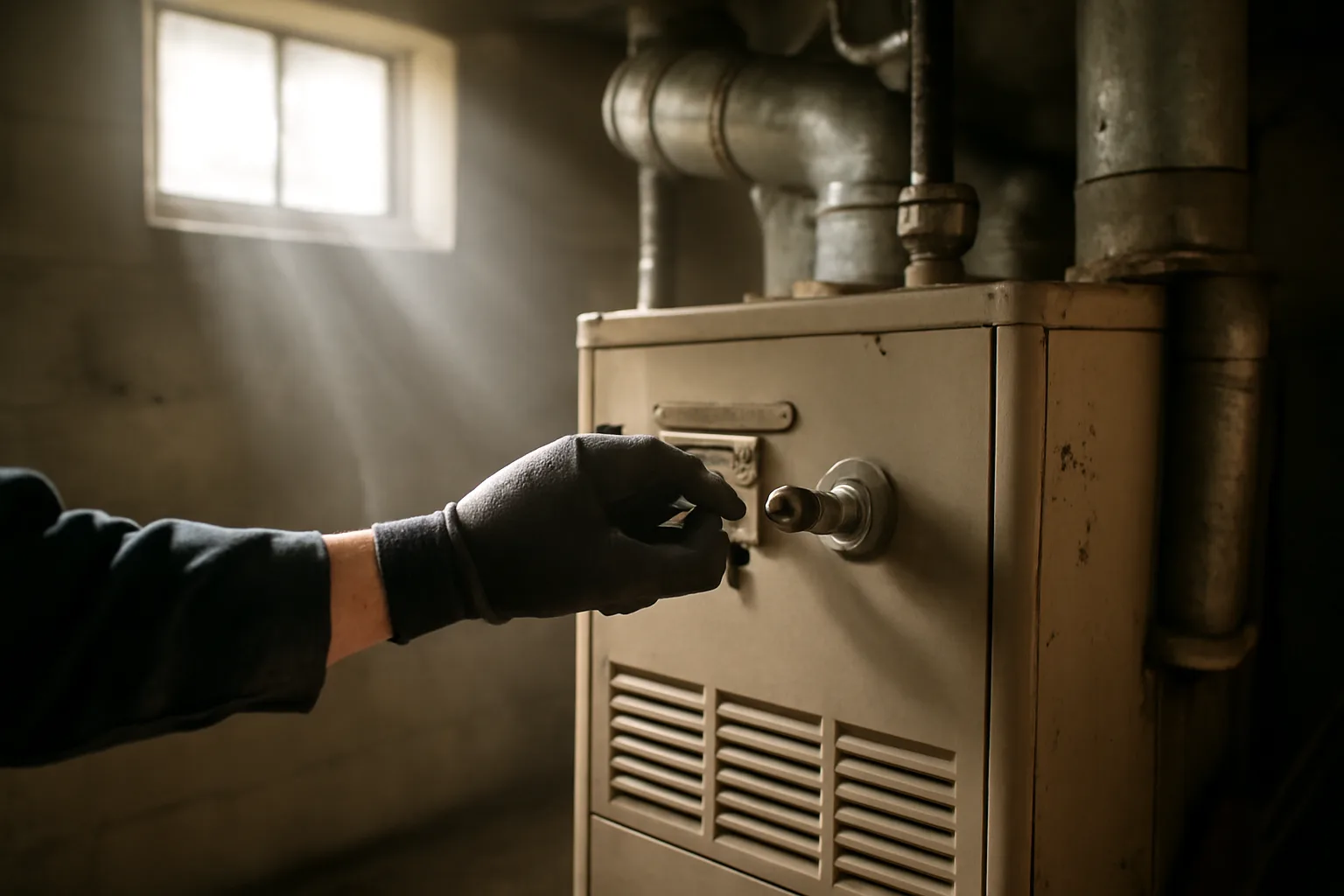
Boiler and mechanical equipment inspections are a common piece of rental licensing in cities that require them, usually checked alongside smoke detectors, egress, and general habitability. Inspectors verify the unit is vented properly, has working safety controls, and isn't red-tagged by a utility. Confirm with your city rental licensing office whether boiler or furnace checks are part of your specific inspection scope before your appointment.
what does a boiler inspection actually check in a rental unit
A rental boiler inspection is not the same thing as the annual boiler inspection some states require for certain equipment classes under state boiler codes. In most rental licensing programs, what happens during your city inspection is a visual and functional check of the heating system as part of the broader habitability walkthrough: is there heat, is it vented correctly, are there obvious hazards like scorch marks, rust holes in a flue pipe, or a shut-off tag from the gas utility. Some states do run a separate, more formal boiler inspection program tied to actual pressure vessels (steam boilers, some hot water boilers above a certain BTU threshold) under state labor or licensing departments. Massachusetts, for example, regulates boiler and pressure vessel inspections through the Department of Public Safety and requires periodic inspections by licensed inspectors for boilers meeting statutory criteria [1]. If your rental has an actual steam or high-pressure hot water boiler rather than a standard residential furnace, you may be dealing with two separate inspection regimes: the city rental license inspection and a state boiler inspection. Most 1-10 unit landlords with standard forced-air furnaces or small hot water heating systems will only encounter the city-level check. The inspector isn't testing combustion efficiency. They're looking for obvious red flags: a furnace that doesn't fire up, a cracked heat exchanger smell (rotten egg or metallic), missing shut-off valve access, or a unit that's clearly been jury-rigged.
how to become a landlord (the basics before you worry about inspections)
Becoming a landlord doesn't require a license in most states, but it does require you to register the property in any city that mandates rental licensing, get proper insurance, and understand your local landlord-tenant code before you hand over keys. There's no national landlord exam or credential. What you actually need varies a lot by city and state. Start with three things. First, check whether your city or county requires rental registration or licensing at all; hundreds of municipalities do, and fines for skipping it can run from small administrative penalties to real money if a tenant complains and the city discovers you were never registered. Second, get a lease that matches your state's landlord-tenant statute, not a generic template pulled from another state. Third, budget for maintenance and inspections from day one rather than treating them as a surprise cost. A lot of new landlords learn the hard way that 'becoming a landlord' is really an ongoing compliance job, not a one-time setup. You're managing habitability standards, fair housing law, security deposit rules, and in licensing cities, periodic re-inspection. If you're managing the compliance side yourself for a small number of units, a document like the City Rental License & Inspection Prep Packet can help you track what your specific city expects before an inspector shows up, but the packet doesn't replace reading your actual city ordinance.
what is landlording, and what is a landlord, really
Landlording is the day-to-day work of owning and managing rental property: collecting rent, maintaining the unit, handling repair requests, following notice and entry rules, and staying compliant with local licensing and inspection requirements. A landlord, legally, is the owner or agent who leases real property to a tenant in exchange for rent, and who takes on the habitability and disclosure obligations that come with that relationship. The legal definition matters more than it sounds. In most states, once you accept rent in exchange for exclusive use of a space, you're a landlord under the law even if you never call yourself one, even if it's a room in your own house, and even if there's no written lease. That triggers habitability duties (working heat, water, working locks, safe wiring) whether or not your city has a licensing program. Landlording well means treating the compliance side as part of the job, not an afterthought. That includes rental registration paperwork, insurance, security deposit handling under your state's statute, and passing whatever inspection your city requires before renewing a license.
who is responsible for the rental property walk-through inspection in california
In California, the landlord is generally responsible for arranging and being present for (or providing access for) a rental unit walk-through inspection, whether that's a habitability inspection tied to a local rental registry program or the initial move-out inspection required under state law. California Civil Code Section 1950.5 requires landlords to offer tenants an initial inspection before move-out, at the tenant's request, so the tenant has a chance to fix deficiencies before the final deposit deduction is made [2]. Separately, many California cities (Los Angeles, Oakland, Berkeley, and others) run their own rental registration and habitability inspection programs under local ordinance, and those inspections are scheduled and coordinated by the landlord, not the tenant, even though the tenant has to allow access. The landlord typically has to notify the tenant of the scheduled inspection with proper notice under Civil Code Section 1954, which generally requires 24 hours' written notice for entry to make repairs or show the unit, except in emergencies [3]. So the short answer: the landlord bears responsibility for scheduling, notifying, and being present at (or coordinating access for) the walk-through, whether it's an initial move-out inspection or a city licensing inspection. The tenant is responsible for allowing access after proper notice, not for arranging the inspection itself.
how much notice does a landlord have to give before entering or inspecting
Notice requirements vary by state, but 24 hours is the most common standard for non-emergency entry, including inspections. California requires 24 hours' written notice for entry to make repairs, conduct an inspection, or show the unit to prospective tenants or buyers, per Civil Code Section 1954 [3]. Some states allow shorter notice, some require longer, and a handful don't specify a number at all, defaulting to 'reasonable notice.' For city-mandated rental license inspections specifically, notice usually comes from two directions: the city notifies the landlord of the inspection date (often by mail, with a window of weeks), and the landlord then has to notify the tenant per their state's entry notice statute. If your city inspection is scheduled for a specific date and time, you still need to give your tenant the notice period your state law requires before that date, more than forward the city's letter the day before. Emergency entry (fire, flooding, gas leak) doesn't require advance notice in any state. But for a scheduled boiler check, code inspection, or annual rental license renewal walk-through, treat it like any other planned entry: written notice, reasonable time window, and confirm with your city rental licensing office whether they have additional notice rules layered on top of your state's baseline.
what can a landlord look at during an inspection
| Heating/boiler | Unit fires and runs, vents properly | Rust-through flue, gas shutoff tag, no heat at all | |
|---|---|---|---|
| Smoke/CO detectors | Present, working, correct placement | Missing battery, expired unit, wrong room count | |
| Electrical | No exposed wiring, panel accessible | Overloaded circuits, missing panel covers | |
| Egress | Bedroom windows open and meet size code | Painted-shut windows, security bars without release | |
| Plumbing | No active leaks, working hot water | Water heater without proper pressure relief valve | For a fuller sense of what inspectors flag most often across licensing cities, see our inspection guides and general landlord basics coverage. |
During a habitability or rental license inspection, a landlord (or the city inspector) can generally check smoke and carbon monoxide detectors, heating and hot water equipment, electrical outlets and panel condition, plumbing fixtures for leaks, window and door locks, egress windows in bedrooms, handrails and stair condition, and visible signs of pest infestation or mold. What they cannot do is search personal belongings, open closed drawers or containers, or use the inspection as a pretext to look for lease violations unrelated to habitability, unless your lease and state law specifically allow broader access. Most city rental inspection checklists focus on life-safety items first: working smoke alarms in the right locations (a common code baseline is one per bedroom, one per hallway outside sleeping areas, and one per floor, though exact placement rules come from your local fire code), functioning heat source, no exposed wiring, secure railings on stairs with more than a few steps, and functioning locks on all entry doors. Appliance and system checks are usually limited to 'does it work and is it safe,' not a deep diagnostic. An inspector checking your furnace or boiler wants to see it turn on, run without smoke or unusual smell, and vent properly. They're not running an efficiency audit. If they see rust-through on a flue pipe, a missing furnace filter panel, or a shut-off tag from the gas company, that's a fail. A well-maintained older unit almost always passes; a neglected newer one can still fail. | Inspection category | Typical check | Common failure point |
why do landlords require renters insurance
Landlords require renters insurance mainly to shift liability for the tenant's personal property and personal liability away from the landlord's own policy. A standard landlord (dwelling) insurance policy covers the building and the landlord's liability, but it does not cover a tenant's furniture, electronics, or clothing if there's a fire, burst pipe, or theft. Without renters insurance, a tenant who loses everything in a covered event often has no recourse except suing the landlord, even when the landlord did nothing wrong. Renters insurance also typically includes liability coverage for the tenant, which matters if the tenant's negligence (an unattended stove, an overflowing bathtub) damages the unit or a neighboring unit. That liability coverage can save a landlord from absorbing repair costs that would otherwise come out of the landlord's own policy and raise the landlord's premiums. Many landlords require proof of renters insurance as a lease condition and require the landlord be named as an 'interested party' or additional insured on the policy so they get notified if the policy lapses. This is a lease term, not a universal legal requirement, so whether you can mandate it depends on your state and local law; check your state's landlord-tenant statute or a local housing attorney if you're drafting this into a lease.
what rights do tenants have without a written lease
A tenant without a written lease still has the same basic legal protections as a tenant with one: the right to habitable housing, protection from illegal lockouts, the right to advance notice before entry, and (usually) the right to proper notice before eviction. Verbal or 'month-to-month' tenancies are recognized in every state; the absence of a signed lease does not strip a tenant of statutory protections. What changes without a written lease is mostly the terms that would otherwise be spelled out: rent amount, due date, and specific rules become harder to prove and enforce if disputed, since there's no document to point to. Courts generally treat an undocumented tenancy as month-to-month, meaning either party can end it with proper notice (commonly 30 days, though this varies by state and by how long the tenant has lived there). A landlord still owes an undocumented tenant the same habitability duties as any other tenant: working plumbing, heat, and locks, and a unit free of serious code violations. If you inherited a tenant without a lease, or you've been renting informally, put something in writing as soon as possible. It protects both sides, and it makes any future licensing or inspection paperwork far easier to sort out.
what a landlord cannot do in ohio
Ohio landlords cannot shut off utilities, change the locks, or remove a tenant's belongings to force them out, a practice generally called 'self-help eviction,' which is illegal under Ohio law; a landlord must go through the courts to remove a tenant. Ohio Revised Code Section 5321.15 specifically prohibits a landlord from using self-help measures like lockouts or utility shutoffs to force a tenant out, and requires eviction through legal process instead [4]. Ohio landlords also cannot retaliate against a tenant for reporting a code violation, requesting repairs, or joining a tenant organization. Ohio Revised Code Section 5321.02 protects tenants from retaliatory conduct, including rent increases or eviction filed in response to a tenant's good-faith complaint to a housing authority [5]. Ohio law (ORC 5321.04) also requires landlords to maintain the premises in a fit and habitable condition, comply with building and housing codes, keep common areas safe, and maintain electrical, plumbing, heating, and appliance systems supplied by the landlord in good working order [6]. A landlord who ignores a documented heating or boiler failure in an Ohio rental, especially in a city with an active rental inspection program, is exposed on two fronts: the state habitability statute and any local licensing violation.
do i need a separate state boiler inspection on top of my city rental inspection
Maybe, depending on your state and the type of heating equipment installed. States with formal boiler and pressure vessel inspection programs, like Massachusetts under the Department of Public Safety's Board of Boiler Rules, require periodic inspection of boilers meeting certain size and pressure thresholds, performed by inspectors commissioned under that state program, separate from any city rental licensing inspection [1]. Other states run similar programs through their labor or safety departments, often tied to the National Board of Boiler and Pressure Vessel Inspectors' inspection code. Most small residential rental properties, especially single-family homes and small multifamily buildings with standard forced-air furnaces or low-pressure hot water heating systems, fall outside these state boiler programs entirely. The state programs are aimed more at larger multifamily buildings, commercial properties, and any building with a genuine steam boiler or high-pressure system. If you're not sure whether your building's heating system falls under a state boiler inspection statute, check your state's labor or public safety department boiler inspection page, and separately confirm with your city rental licensing office whether their inspection includes any heating equipment check as part of the general habitability walkthrough. These are two different questions with two different answers, and conflating them is a common landlord mistake.
how to prepare for a rental license inspection that includes equipment checks
Preparing for a rental inspection that touches boiler or furnace equipment starts with basic maintenance, not paperwork. Get the furnace or boiler serviced by a licensed HVAC technician before the inspection window opens, replace the filter, check that the flue pipe has no visible rust-through, and make sure there's clear access to the unit (no storage boxes blocking it, which is itself a common fail point). Second, pull your utility records. If the gas company ever shut off or red-tagged the unit for any reason, get documentation that it was repaired and re-inspected by the utility before your city inspection date; an inspector who finds an active or recent shutoff tag will likely fail the unit on the spot. Third, walk the unit yourself using your city's published inspection checklist if one exists (most licensing cities post a PDF checklist on their housing or code enforcement department page). Test every smoke and CO detector, check every window for functioning locks and, in bedrooms, code-compliant egress dimensions, and look at every visible outlet and switch plate for cracks or exposed wiring. Fourth, if you manage a handful of units across one or more licensing cities and keep losing track of which city wants what, that's the exact problem the $79 City Rental License & Inspection Prep Packet is built for: a structured way to track registration deadlines, inspection prep items, and renewal dates per property, so you're not reconstructing your compliance history from memory every time a notice arrives. It's a organizing tool, not a substitute for the actual repair work or for reading your city's ordinance directly.
what happens if the boiler or furnace fails the inspection
If the heating equipment fails a rental license inspection, most cities issue a written notice of violation with a correction deadline, commonly somewhere in the 10 to 30 day range depending on the severity and your specific city's code enforcement process; confirm the exact window with your city rental licensing office since it varies widely. A failed heating system, especially one with no heat at all, is often treated as a priority violation because it directly affects habitability, and some cities allow much shorter correction windows (sometimes 24 to 72 hours) for no-heat conditions during cold months. Repeat or unaddressed failures typically escalate to fines, and in some cities, to license suspension or revocation, which can mean you're not legally allowed to rent the unit until it's corrected and re-inspected. A landlord operating without a valid license in a mandatory licensing city is often exposed to daily fines on top of the underlying repair cost. The fix is almost always the same regardless of city: get the repair done by a licensed technician, request or wait for the reinspection, and keep every receipt and service record. If you're disputing a failed inspection you believe was wrong, most cities have an appeals process through the code enforcement or housing department; ask specifically about it when you get the violation notice, since appeal windows are often short (sometimes just 10 to 15 days from notice).
Frequently asked questions
How to become a landlord if I've never rented out property before?
There's no license required nationally. Register the property with your city if it requires rental licensing, get landlord insurance, use a lease that matches your state's landlord-tenant statute, and budget for maintenance and periodic inspections from the start. Check your city's housing or code enforcement department page for local registration requirements before you list the unit.
Who is responsible for the rental property walk-through inspection in California?
The landlord is responsible for scheduling and coordinating the walk-through, whether it's the state-required initial move-out inspection under Civil Code Section 1950.5 or a city licensing inspection. The tenant must allow access after proper notice under Civil Code Section 1954, but doesn't arrange the inspection.
What is landlording?
Landlording is the ongoing work of owning and managing rental property: collecting rent, handling repairs, maintaining habitability, following entry-notice rules, and staying compliant with local rental registration or licensing requirements. It's an operating job, not a one-time setup.
What is a landlord, legally?
A landlord is the owner or authorized agent who rents real property to a tenant for payment. Accepting rent for exclusive use of a space generally makes you a landlord under state law, triggering habitability duties, even without a written lease or a formal business structure.
What rights do tenants have without a lease?
The same core protections as tenants with a lease: habitable housing, advance notice before entry, protection from illegal lockouts, and proper notice before eviction. Courts usually treat an unwritten tenancy as month-to-month, terminable by either side with standard notice, commonly around 30 days depending on the state.
Why do landlords require renters insurance?
Because a landlord's own policy doesn't cover a tenant's belongings or the tenant's personal liability. Requiring renters insurance shifts that risk to the tenant's policy instead of leaving the landlord exposed to disputes or lawsuits after a fire, leak, or theft.
How much notice does a landlord have to give before entering the unit?
Most states require some form of advance written notice, commonly 24 hours, for non-emergency entry including inspections. California requires 24 hours under Civil Code Section 1954. Check your specific state statute since some allow shorter or require longer notice periods.
What can a landlord look at during an inspection?
Smoke and CO detectors, heating and hot water equipment, electrical panels and outlets, plumbing fixtures, window locks and egress, and visible pest or mold signs. A landlord generally cannot search closed drawers, personal belongings, or use the inspection to check for unrelated lease violations.
What can't a landlord do in Ohio?
Ohio landlords cannot use self-help eviction methods like changing locks or shutting off utilities to force a tenant out (ORC 5321.15), and cannot retaliate against a tenant for reporting code violations or requesting repairs (ORC 5321.02). Eviction must go through the courts.
Does a boiler inspection for a rental license check efficiency or just safety?
City rental license inspections typically check basic safety and function: does the unit run, is it vented properly, and is it free of rust-through or shutoff tags. They generally don't test combustion efficiency, which is a separate concern from a licensed HVAC technician's service visit.
Is a boiler inspection required in every rental licensing city?
No. Requirements vary widely; some cities' habitability checklists include a general heating equipment check, others don't specifically call out boilers. Confirm with your city rental licensing office whether heating or mechanical equipment is part of your inspection scope.
What happens if my rental fails the heating inspection?
You'll typically get a written violation notice with a correction deadline, often 10 to 30 days depending on severity and your city, sometimes much shorter for no-heat conditions in cold months. Get it repaired by a licensed technician, keep records, and request reinspection.
Do I need a state boiler inspection in addition to my city rental inspection?
Possibly, if your property has an actual steam or high-pressure hot water boiler meeting your state's statutory threshold. States like Massachusetts run separate boiler inspection programs through their Department of Public Safety, distinct from any city rental license inspection.
Sources
- Massachusetts Department of Public Safety, Board of Boiler Rules: Massachusetts requires periodic inspection of boilers and pressure vessels meeting statutory criteria, separate from city rental inspections
- California Civil Code Section 1950.5: California requires landlords to offer an initial move-out inspection at the tenant's request before final deposit deductions
- California Civil Code Section 1954: California requires 24 hours' written notice for landlord entry to make repairs, inspect, or show the unit, except emergencies
- Ohio Revised Code Section 5321.15: Ohio prohibits landlords from using self-help measures like lockouts or utility shutoffs to remove a tenant
- Ohio Revised Code Section 5321.02: Ohio protects tenants from retaliatory eviction or rent increases after a good-faith code complaint
- Ohio Revised Code Section 5321.04: Ohio requires landlords to maintain rental premises in a fit and habitable condition including heating systems