Last updated 2026-07-25
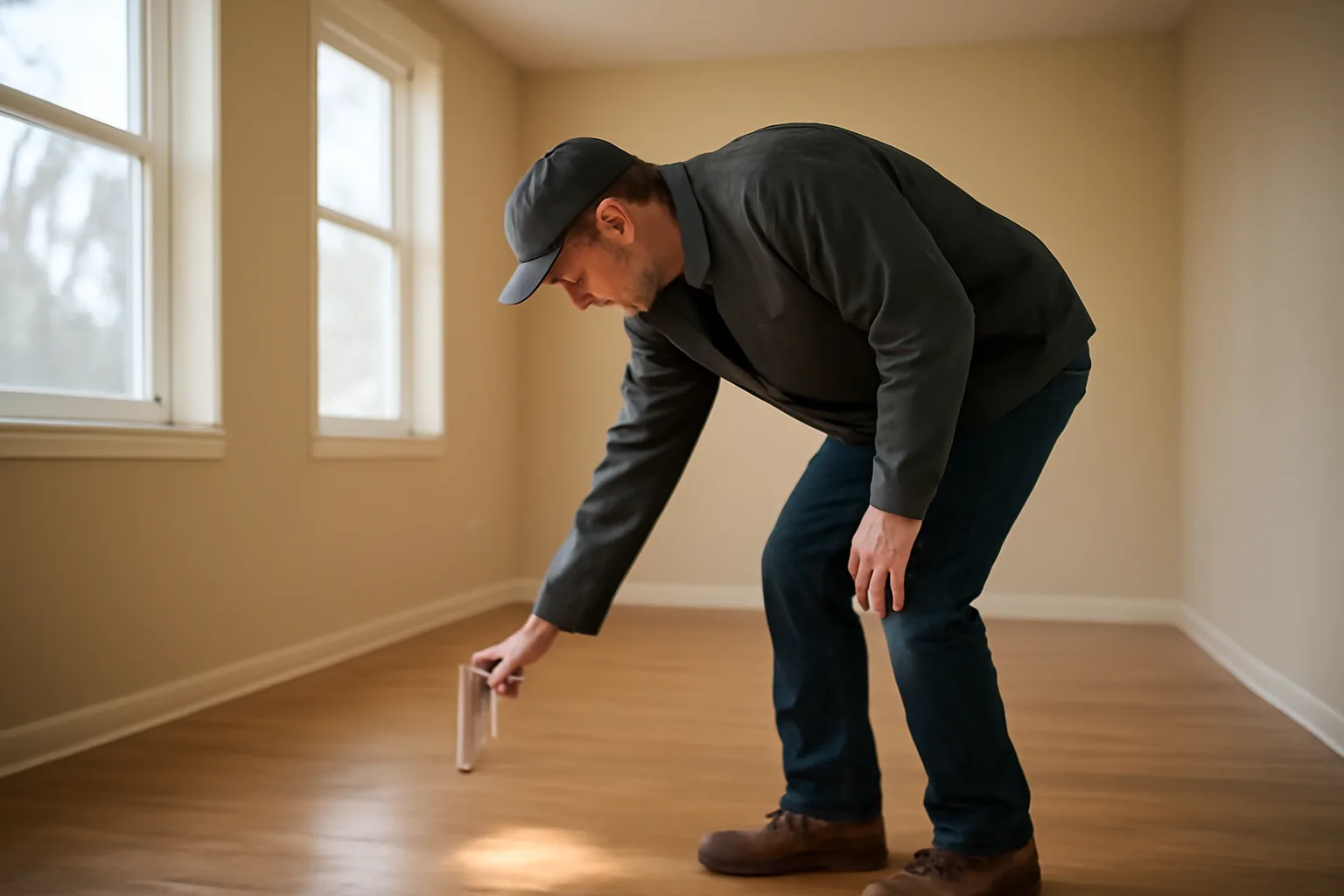
TL;DR
Becoming a landlord means more than buying a property and finding a tenant. You need to know your state's notice rules, inspection limits, and what happens when there's no written lease. Requirements vary by state, so always confirm specifics with your city rental licensing office before you rent out a unit.
what is landlording and what is a landlord, exactly?
A landlord is the owner (or authorized agent of the owner) of a residential property who rents it to someone else, called a tenant, in exchange for payment. "Landlording" is the informal term for the whole job: finding tenants, collecting rent, handling repairs, following notice and inspection laws, and dealing with move-outs. It's more than owning property. It's running a small, heavily regulated business, even if you only rent out one unit. Most states define "landlord" (sometimes called "lessor") within their landlord-tenant code. California, for example, folds landlord duties into its Civil Code sections on habitability and access [1]. Ohio defines the relationship under its Landlords and Tenants chapter, R.C. 5321 [2]. The legal definition matters because it triggers specific duties: maintaining the unit in habitable condition, giving proper notice before entry, returning security deposits within a set timeframe, and following eviction procedures set by state law rather than by whatever the landlord personally thinks is fair. If you're renting out a city rowhouse, a duplex, or a single-family home you inherited, you're a landlord under the law the moment you accept rent, whether or not you have a written lease, an LLC, or a business license. Some cities also require you to register or license that rental separately from any state landlord-tenant law, which is a different (and often overlooked) obligation. Confirm with your city rental licensing office whether registration or a permit applies before you list the unit.
how to become a landlord: the practical steps
There's no single license required nationwide to become a residential landlord. But there are real steps that protect you legally and financially, and skipping them is how new landlords end up in local housing court. First, check your city and county rules before you check anything else. A growing number of cities require rental registration, a rental license, or a pre-occupancy inspection before you can legally rent a unit. These are separate from state landlord-tenant law and enforced locally, often with fines for noncompliance. Requirements, fees, and inspection cycles differ by city, so confirm with your city rental licensing office rather than assuming your neighboring town's rules apply to you. Second, understand your state's landlord-tenant statute. Every state has one. It covers security deposit limits and return deadlines, notice periods for entry and termination, habitability standards, and eviction procedure. Ohio's is R.C. Chapter 5321 [2]; California's core protections sit in Civil Code sections 1940 to 1954.05 [1][3]. Third, get the paperwork right: a written lease, a move-in condition checklist, proof of any required insurance, and a system for documenting repairs and notices. Verbal agreements are legal in most states but they're much harder to enforce, and they leave both sides guessing about terms. Fourth, screen tenants consistently and legally. The Fair Housing Act prohibits discrimination based on race, color, national origin, religion, sex, familial status, and disability in any tenant screening or advertising [4]. Apply the same criteria to every applicant and keep records of why you approved or denied someone. Fifth, set up rent collection, a maintenance response process, and a plan for annual inspections or license renewals if your city requires them. Landlording is ongoing, not a one-time setup.
who is responsible for a rental property walk-through inspection in california?
In California, the landlord is responsible for initiating and conducting the move-out inspection, but the process is tenant-triggered by law. Under California Civil Code Section 1950.5(f), a landlord must notify the tenant in writing of their right to an initial inspection before the tenant moves out, conducted no earlier than two weeks before the end of the tenancy [1]. The tenant can request this inspection; if they do, the landlord must schedule it at a mutually convenient time and give the tenant an itemized list of deductions that would otherwise come out of the deposit. The point of the pre-move-out inspection is to give the tenant a chance to fix problems (a stain, a hole, uncleaned areas) before the final deposit accounting happens. It is not mandatory for the tenant to accept the inspection; a tenant can decline it. But the landlord is legally required to offer it, and to inspect within a reasonable time after move-out anyway to determine deductions. For mid-tenancy access (not move-out), California Civil Code Section 1954 sets the actual rules: a landlord may enter to make repairs, show the unit to prospective tenants or buyers, or in an emergency, and must generally give 24 hours' written notice, except in emergencies where no notice is required [3]. That 24-hour figure is the default in the statute; some cities layer additional notice or documentation requirements on top for licensed rentals, so if your unit is in a city rental-inspection program, confirm the local notice period with your city rental licensing office.
how much notice does a landlord have to give before entering or ending a tenancy?
| Routine entry (repairs/showings) | 24-48 hours | State statute | |
|---|---|---|---|
| Emergency entry | No notice required | State statute | |
| Month-to-month termination (no cause) | 7-60 days | State and lease term | |
| Rent increase notice | 30-90 days | State, and % of increase in some cities | |
| Non-renewal after lease term | Varies, sometimes none required | State and local ordinance | The safest practice: never guess. Pull your specific state code section and, if your city has a rental registration or licensing program, check whether it adds separate notice requirements for licensed units. |
This depends on what kind of notice you mean, entry notice or termination notice, and both vary by state. For routine entry (repairs, inspections, showings), California requires 24 hours' written notice under Civil Code 1954, presumed reasonable unless proven otherwise [3]. Many states use a similar 24-to-48-hour standard, though the exact number and whether it must be written differs. Always check your specific state code rather than assuming California's rule applies elsewhere. For ending a periodic (month-to-month) tenancy, notice periods commonly range from 7 to 60 days depending on the state and sometimes the length of the tenancy. Ohio, for instance, does not set one blanket number in R.C. 5321; termination notice for month-to-month tenancies in Ohio generally follows the 30-day standard tied to the rental period, but specifics can shift with local ordinances and lease terms, so confirm current requirements with a local housing resource or your city's landlord-tenant office [2]. Here's a rough comparison of common notice categories (confirm your exact state and city figures before acting on any of these): | Notice Type | Typical Range | Varies By |
what can a landlord look at during an inspection?
During a lawful entry or inspection, a landlord can generally look at the condition of the unit itself: walls, floors, ceilings, fixtures, appliances, plumbing, electrical systems, smoke and carbon monoxide detectors, and signs of damage, pest infestation, or unauthorized alterations. The purpose has to match the reason given in the notice, whether that's a repair, a habitability check, a move-out condition assessment, or a city-mandated rental inspection. What a landlord generally cannot do is search personal belongings, go through closets or drawers unrelated to the stated purpose, or use the inspection as a pretext to harass a tenant or retaliate against one who filed a complaint. Several states, including California, prohibit retaliatory conduct explicitly; Ohio's R.C. 5321.02 similarly restricts landlord retaliation against tenants who report code violations or exercise legal rights [5]. If your city requires a rental license or registration, the city's own inspector may have a different (and sometimes broader) checklist than what a landlord personally checks: smoke detector placement, egress window size, water heater strapping, electrical panel labeling, and exterior conditions like peeling paint or unsecured stairs are common items on city rental inspection checklists. These city inspections are separate from the landlord's own periodic walk-through and are usually scheduled with the city, more than the tenant. Confirm your specific city's inspection checklist and cycle (annual, biennial, or complaint-based) with your city rental licensing office, since these differ enormously between jurisdictions.
what rights do tenants have without a written lease?
A tenant without a written lease still has legal rights. Most states recognize an oral or implied lease, usually treated as a month-to-month tenancy, and the tenant retains the same core protections as someone with a signed document: the right to habitable housing, protection from illegal lockouts, the right to proper notice before eviction, and (where applicable) the right to a security deposit return within the state's legal timeframe. What changes without a written lease is proof. Rent amount, due date, who's responsible for utilities, and pet policies all become harder to establish if a dispute goes to court. Courts generally look at consistent behavior (rent paid and accepted on the same schedule, communications by text or email) to reconstruct the terms. A landlord still cannot self-help evict a tenant without a lease. Nearly every state, including Ohio under R.C. 5321.15, prohibits landlords from using lockouts, utility shutoffs, or removing a tenant's belongings to force them out, regardless of whether a written lease exists [6]. Eviction has to go through the court process. The practical lesson for landlords: even a casual, no-lease rental (renting to a relative, a short informal arrangement) puts you under the same legal duties as a fully leased unit. Skipping the lease doesn't skip the law, it just makes your job harder to prove if something goes wrong.
why do landlords require renters insurance?
Landlords require renters insurance mainly to shift liability and personal property risk away from the landlord's own policy. A landlord's own insurance (often called a dwelling or fire policy) typically covers the building structure and the landlord's property, not the tenant's belongings, and often doesn't cover a tenant's liability if their negligence causes damage (an overflowing tub, an unattended stove fire). Requiring renters insurance, commonly with a modest liability minimum (many landlords ask for $100,000 in liability coverage, though this figure isn't set by law and varies landlord to landlord), reduces the odds that the landlord's own policy or personal assets get pulled into a claim caused by the tenant. It also protects the tenant: if a fire or water damage destroys their furniture and electronics, the landlord's building policy won't reimburse them for personal items, but a renters policy will. Renters insurance requirements are generally legal for a landlord to include in a lease, as long as they're applied consistently and don't function as a pretext for discrimination. Some states and cities are starting to regulate how landlords can charge for insurance-related fees or waiver programs, so if you plan to require it, check whether your state or city has specific rules on how that requirement must be disclosed in the lease.
what a landlord cannot do in ohio
Ohio law spells out specific landlord restrictions in R.C. Chapter 5321, the Landlords and Tenants law [2]. A few of the clearest prohibitions: A landlord cannot shut off utilities, change locks, or remove a tenant's belongings to force them out without going through the court eviction process. This is the self-help eviction ban under R.C. 5321.15, and violating it can expose the landlord to actual damages, reasonable attorney's fees, and in some cases additional statutory damages awarded by the court [6]. A landlord cannot retaliate against a tenant for complaining to a government agency about a building, housing, or health code violation, for joining a tenant union, or for asserting rights under the lease or R.C. 5321. R.C. 5321.02 specifically bars raising rent, decreasing services, or threatening eviction in response to these protected actions within a certain period after the tenant's complaint [5]. A landlord cannot ignore habitability duties. R.C. 5321.04 requires landlords to comply with building and housing codes, keep common areas safe, maintain plumbing and heating in good working order, and make repairs to keep the unit fit and habitable [7]. Failing to do so, especially after written notice from the tenant, can allow the tenant to pursue remedies including repair-and-deduct or, in serious cases, lease termination. A landlord cannot enter the unit whenever they want without reasonable notice, except in a genuine emergency. Ohio doesn't spell out one universal number of hours in the statute the way California does, but courts and standard practice treat 24 hours as the reasonable benchmark, and doing otherwise regularly can support a tenant's claim of unlawful entry. If your Ohio rental is also in a city with its own rental registration or inspection ordinance, that city may add its own entry-notice or inspection-scheduling requirements on top of state law, so confirm with your city rental licensing office.
how do city rental licensing and inspection rules fit into all this?
State landlord-tenant law and city rental licensing law are two separate systems, and landlords often get tripped up assuming one covers the other. State law (habitability, notice, deposits, eviction) applies everywhere in the state. City rental licensing, registration, or inspection ordinances only apply in cities that have adopted them, and they vary enormously in scope, fee, and inspection frequency. A growing number of mid-size and large U.S. cities require landlords to register every rental unit, pay an annual or biennial license fee, and pass a habitability-focused inspection before renting or renewing. Typical items on these checklists include smoke and carbon monoxide detector placement, secure handrails, proper egress from bedrooms, working locks, and no obvious code violations like exposed wiring. Fees, inspection cycles, and penalties for missing a deadline differ by city, sometimes by a wide margin, so there's no honest universal number to quote here. Always confirm the current fee schedule, inspection frequency, and violation penalties directly with your city rental licensing office, since these get updated by city council on their own timeline. If you're getting ready for a first-time rental license application or an upcoming inspection, organizing your documentation (lease, insurance proof, prior inspection reports, smoke detector maintenance logs) ahead of time saves real hassle. That's the gap our $79 one-time City Rental License & Inspection Prep Packet is built to close: it's a document-organizing tool to help you walk into a city inspection prepared, not a substitute for your city's own checklist or a guarantee that you'll pass.
how do you actually get started once you understand the rules?
Start with the legal layer, not the property-hunting layer. Read your state's landlord-tenant statute in full once (yes, actually read it) so you know your state's specific numbers for deposit return deadlines, notice periods, and habitability duties. Then check whether your target city requires rental registration, licensing, or inspection, since this can affect your timeline: some cities require a passed inspection before you can legally advertise the unit for rent. Build your paper trail before your first tenant moves in: a written lease, a signed move-in condition report with photos, proof of any required insurance, and a clear rent collection method. If your state or city requires renters insurance disclosures or specific lease language, get that right from day one rather than fixing it after a dispute. Finally, set a calendar reminder system for renewals: license renewal dates, required re-inspections, and any annual notices you're required to send tenants (some cities require an annual disclosure of registration status, for example). Missing a renewal deadline is one of the most common (and most avoidable) ways new landlords rack up fines in licensed cities. For readers weighing tenant-facing rights alongside landlord duties, our related guides on tenants rights and tenant rights cover the flip side of many of the notice and entry rules discussed here.
Frequently asked questions
How to become a landlord with just one rental unit?
You don't need a special license in most states to rent out one unit, but you do need to follow your state's landlord-tenant statute (deposits, notice, habitability) and check whether your city requires rental registration or licensing. Get a written lease, screen tenants under Fair Housing rules, and confirm any local inspection requirements before you advertise the unit.
Who is responsible for a rental property walk-through inspection in California?
The landlord must offer and conduct the pre-move-out inspection if the tenant requests one, per California Civil Code 1950.5(f), scheduled no earlier than two weeks before the tenancy ends. The tenant can decline it, but the landlord must still inspect after move-out to itemize any deposit deductions.
What is landlording?
Landlording is the ongoing work of owning and managing a rental property: finding tenants, collecting rent, handling repairs, following state notice and habitability laws, managing security deposits, and, in many cities, complying with rental registration or licensing rules. It's a continuous responsibility, not a one-time transaction.
What is a landlord, legally speaking?
A landlord is the owner or authorized agent who rents residential property to a tenant for payment. State landlord-tenant statutes (like Ohio's R.C. Chapter 5321 or California's Civil Code sections on rental housing) define the landlord's specific legal duties, including habitability, notice, and deposit handling.
What rights do tenants have without a lease?
A tenant without a written lease usually still has a month-to-month tenancy under state law, with the same core rights: habitable housing, protection from illegal lockouts, proper eviction notice, and deposit protections where applicable. What's missing is written proof of specific terms, which matters more if there's a dispute.
How to be a landlord without breaking the law by accident?
Read your state's landlord-tenant statute before your first tenant moves in, confirm whether your city requires rental registration or inspection, use a written lease and move-in condition report, give proper notice before entry, and never attempt a self-help eviction (lockout, utility shutoff). Most accidental violations come from skipping these basics.
Why do landlords require renters insurance?
Landlords require renters insurance to protect against liability for tenant-caused damage and to make sure the tenant's own belongings are covered, since a landlord's building policy usually doesn't cover a tenant's personal property or tenant-caused liability. It shifts risk away from the landlord's policy and personal assets.
How much notice does a landlord have to give before entering the unit?
Most states use a 24-to-48 hour written notice standard for routine entry, with no notice required in genuine emergencies. California's statute sets 24 hours as presumptively reasonable under Civil Code 1954. Always check your specific state's law, since the exact number and written-notice requirement vary.
What can a landlord look at during an inspection?
A landlord can inspect the physical condition of the unit relevant to the stated purpose: damage, habitability issues, smoke detectors, plumbing, and signs of unauthorized alterations. A landlord generally cannot search personal belongings or use an inspection as a pretext for harassment or retaliation.
What can't a landlord do in Ohio?
Under Ohio R.C. Chapter 5321, a landlord cannot use self-help eviction (lockouts, utility shutoffs, removing belongings), cannot retaliate against a tenant for reporting code violations, and cannot ignore habitability duties like maintaining plumbing, heating, and safe common areas. Violations can lead to damages and attorney's fees awarded to the tenant.
Do all cities require a rental license or inspection?
No. Rental licensing and inspection requirements are set city by city (sometimes county by county), not universally. Many mid-size and large cities have adopted them, but requirements, fees, and inspection cycles vary widely. Always confirm with your specific city rental licensing office rather than assuming a neighboring city's rules apply.
What happens if I miss a rental license renewal deadline?
Consequences vary by city but often include late fees, a hold on renting the unit, or code enforcement violations that can escalate to fines. Because penalty structures differ significantly between cities, confirm your city's specific renewal deadline and late-fee schedule directly with its rental licensing office.
Sources
- California Legislative Information, Civil Code Section 1950.5: California's pre-move-out inspection right and security deposit rules
- Ohio Revised Code, Chapter 5321 (Landlords and Tenants): Ohio's core landlord-tenant statute defining landlord duties and prohibitions
- California Legislative Information, Civil Code Section 1954: California's 24-hour entry notice requirement and permitted reasons for landlord entry
- U.S. Dept. of Housing and Urban Development, Fair Housing Act overview: Federal Fair Housing Act protected classes applicable to tenant screening and advertising
- Ohio Revised Code Section 5321.02: Ohio's prohibition on landlord retaliation against tenants who report code violations or assert rights
- Ohio Revised Code Section 5321.15: Ohio's ban on self-help eviction methods like lockouts and utility shutoffs
- Ohio Revised Code Section 5321.04: Ohio landlord habitability duties including code compliance and maintaining plumbing and heating