Last updated 2026-07-26
TL;DR
A rental home inspection checks a unit for safety and habitability issues like smoke detectors, plumbing leaks, electrical hazards, and pest problems. Notice requirements run from 24 to 48 hours in most states, though some allow less for emergencies. In mandatory-licensing cities, inspections are tied to your rental license renewal, not optional.
What is a rental home inspection, exactly?
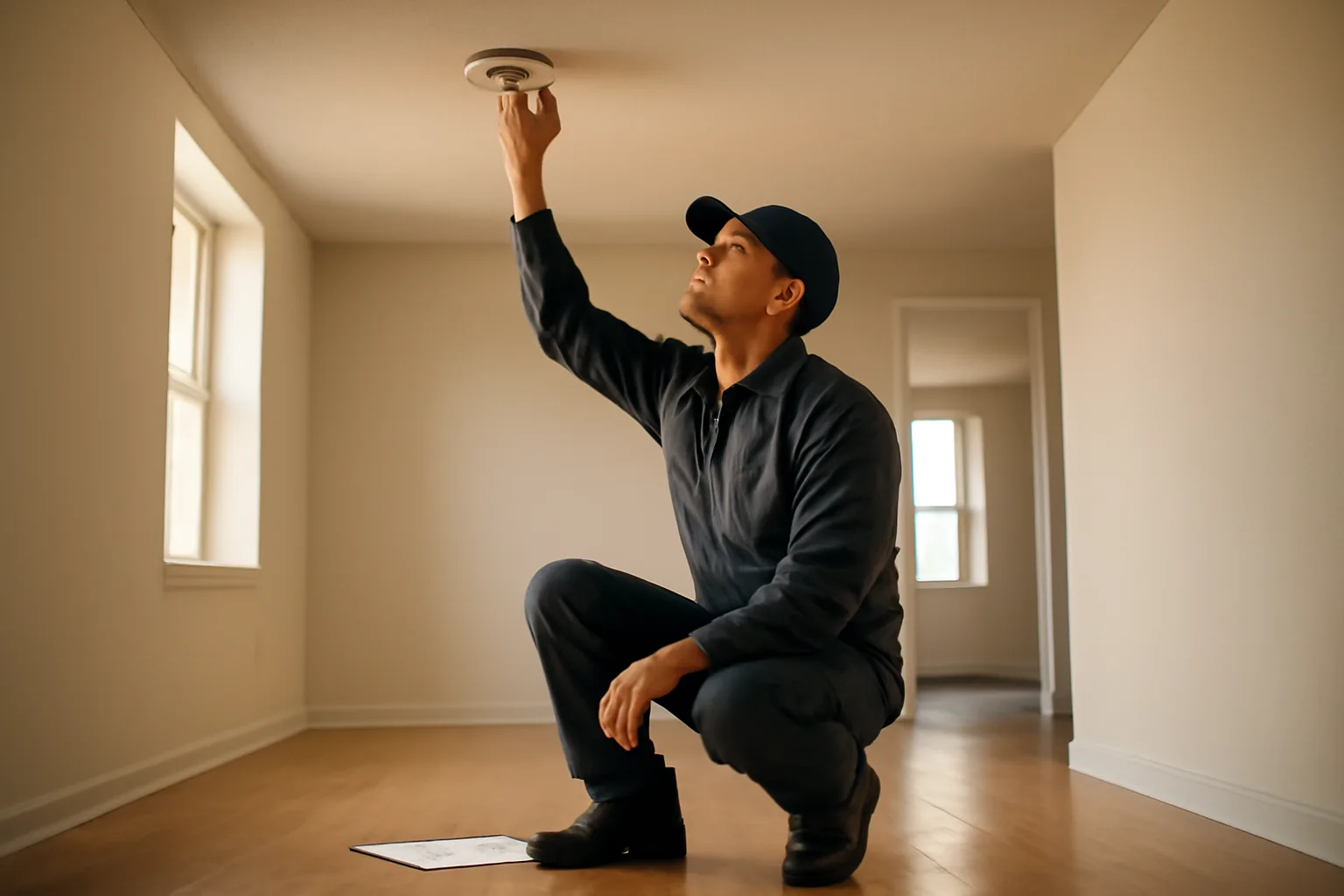
A rental home inspection is a walk-through of a rental unit to check whether it meets basic safety and habitability standards. There are three flavors, and people mix them up constantly. The first is a city-mandated inspection tied to a rental license or registration program. Cities like Minneapolis, Rockford, and dozens of others require landlords to register rental units and pass a periodic inspection before a license issues or renews. These inspections usually check smoke and carbon monoxide detectors, electrical panels, plumbing, egress windows in bedrooms, handrails, and exterior conditions like peeling paint or unsecured stairs. The second is a private move-in or move-out walk-through between landlord and tenant, documenting the unit's condition for security deposit purposes. No government agency runs this one. It's just good practice (and in some states, legally required documentation). The third is a routine or "reasonable entry" inspection a landlord does during a tenancy to check on maintenance issues, verify no unauthorized occupants or pets, or respond to a tenant complaint. This is governed by state landlord-tenant law, not the city licensing office. If you got a postcard or letter from your city about an upcoming inspection, it's almost certainly the first kind. That means fees, deadlines, and specific code requirements you didn't choose. Check with your city's rental licensing or code enforcement office for the exact checklist, because requirements vary block to block in some jurisdictions and change year to year.
Who is responsible for a rental property walk-through inspection in California?
In California, there's no single "walk-through inspection law" that applies statewide the way city rental licensing programs work elsewhere. Responsibility depends on which kind of walk-through you mean. For move-in and move-out condition documentation, California Civil Code Section 1950.5 puts the responsibility on the landlord. The law requires landlords to give tenants the option of an initial inspection before move-out, conducted "no earlier than two weeks before the expiration or termination of the tenancy," so the tenant can fix deductible issues before the final deposit accounting [1]. The landlord has to give at least 48 hours written notice before that inspection unless the tenant waives it [1]. For routine maintenance entry during a tenancy, California Civil Code Section 1954 governs it. The landlord (or their agent) is responsible for giving proper notice and can enter to make necessary repairs, show the unit to prospective tenants or buyers, or in emergencies. Notice of 24 hours is presumed reasonable unless circumstances make that impractical [2]. For city-level rental inspections, it depends on the municipality. Los Angeles runs a Systematic Code Enforcement Program (SCEP) inspecting registered rental units on a rotating cycle, and the property owner is responsible for scheduling and passing that inspection, generally at their own cost through an annual fee [3]. San Francisco, Oakland, and other California cities run their own separate programs. There is no statewide mandatory rental inspection law in California; it's a patchwork of city ordinances layered on top of the state's move-in/move-out and entry-notice statutes.
What can a landlord look at during an inspection?
A landlord can generally look at anything relevant to the condition of the property and compliance with the lease, but not personal belongings or areas unrelated to habitability and safety. Typical checklist items during a routine or licensing inspection include: - Smoke alarms and carbon monoxide detectors (working, correct placement, battery or hardwired)
- Electrical panels, exposed wiring, and outlet condition
- Plumbing for leaks, water damage, and functioning fixtures
- Heating system function and any gas appliance venting
- Window and door locks, and whether bedroom windows meet egress size for fire escape
- Handrails and stair conditions, interior and exterior
- Signs of pest infestation, mold, or moisture damage
- Overall cleanliness affecting sanitation (not tenant housekeeping style, but hazards like blocked exits or hoarding conditions)
- Exterior conditions: peeling exterior paint (especially pre-1978 homes, tied to federal lead paint disclosure rules), unsecured trash, broken steps What a landlord generally cannot do: open drawers, closets, or personal storage unless there's a specific reason tied to a maintenance issue (like tracing a leak). Inspectors and landlords are checking the property, not searching for a tenant's belongings. If it's a city inspector doing a licensing inspection, they're checking code compliance items only, not tenant housekeeping or personal property. If you're getting your unit ready for a city inspection, a written checklist mapped to your specific city's code items saves you a failed inspection and a re-inspection fee. That's the exact gap our $79 City Rental License & Inspection Prep Packet is built to fill: a checklist and document set matched to what inspectors in mandatory-licensing cities actually check, so you walk in knowing what will get flagged.
How much notice does a landlord have to give before an inspection?
| California | 24 hours presumed reasonable | Civil Code § 1954 [2] | |
|---|---|---|---|
| California (move-out walk-through) | 48 hours written notice | Civil Code § 1950.5(f) [1] | |
| Texas | No statewide statute requiring advance notice for entry; lease terms control | Property Code Ch. 92 (silent on notice) [4] | |
| Florida | 12 hours notice for repairs stated as reasonable in statute | Fla. Stat. § 83.53 [5] | |
| Washington | Two days notice for entry to inspect | RCW 59.18.150 [6] | A few things to flag. Texas's landlord-tenant code doesn't set a statewide entry-notice requirement, so lease language matters a lot there; check your specific lease and any city ordinance where you operate. Florida's statute says landlords "may enter the dwelling unit at any time for the protection or preservation of the premises" and otherwise must give reasonable notice, with 12 hours before or after reasonable hours specifically named for repairs [5]. Emergencies (fire, flooding, gas leak) generally allow entry without any advance notice anywhere, because the point of notice rules is to balance tenant privacy against legitimate landlord access, not to block emergency response. City rental licensing inspections run on a separate notice track set by the local ordinance, often with a scheduled appointment window rather than a same-day notice period. Confirm with your city's rental licensing office how many days of notice they give before a compliance inspection and what happens if you (or your tenant) need to reschedule. |
Notice periods vary by state, but 24 hours is the most common standard for routine entry, and 48 hours often applies specifically to move-out inspections. Here's how a few representative states handle it: | State | Routine entry notice | Statute |
How to become a landlord (the basic legal and financial steps)
Becoming a landlord isn't a licensed profession the way being a real estate agent is, but there are practical and legal steps most first-time landlords skip and then regret. First, check zoning and any local rental licensing requirement before you list a unit. Many cities require registration or a license before you can legally rent, and renting without one can mean fines. Rockford, Illinois, for example, requires a rental license for units before they're occupied, with inspections tied to renewal [7]. Check with your specific city's rental licensing or code enforcement office, because the fee and inspection cycle differ from city to city and change over time. Second, understand your state's landlord-tenant law basics: security deposit limits and return deadlines, notice periods for entry and termination, habitability obligations, and eviction procedure. These are state statutes, not city rules, and they apply no matter where in the state you own property. Third, get the property inspection-ready and safety-compliant: working smoke and CO detectors, functioning locks, no obvious code violations. This matters even outside a licensing city, because it's the standard for the implied warranty of habitability that most states recognize in case law or statute. Fourth, decide on insurance, screening criteria, and a lease that complies with your state's required disclosures (lead paint disclosure for pre-1978 housing is a federal requirement under 42 U.S.C. § 4852d, not optional in any state) [8]. Fifth, register the property with your city if required, and calendar your inspection and renewal dates. Missing a renewal deadline is one of the most common (and avoidable) ways landlords rack up fines in licensing cities.
What is landlording, and what does a landlord actually do?
Landlording is the ongoing work of owning and managing a rental property: more than collecting rent, and handling maintenance, legal compliance, tenant relationships, and financial recordkeeping. A landlord is legally the party who owns (or has authority to lease) real property and grants a tenant the right to occupy it in exchange for rent, under a lease or rental agreement. That's the plain legal definition, but day to day, landlording means things like: responding to repair requests within a reasonable time, keeping the property in compliance with local housing code, handling security deposits according to state rules, screening applicants without violating fair housing law, and keeping records for tax and licensing purposes. Some landlords self-manage a single unit. Others own a handful of properties and hire a property manager to handle the daily grind. Either way, the legal responsibilities (habitability, notice rules, deposit handling, fair housing compliance) attach to the landlord, not to whoever happens to answer maintenance calls. If you hire a property manager, you're still the one whose name is on the rental license and who eats the fine if an inspection fails. For readers researching this from scratch, our related guide on landlord landlords walks through the day-to-day responsibilities in more depth, and what a landlord is covers the legal definition and duties city by city.
What rights do tenants have without a lease?
A tenant without a written lease still has legal rights. Most states treat an undocumented rental arrangement (paying rent, occupying a unit with the owner's knowledge) as a month-to-month tenancy governed by the state's landlord-tenant statute, not a rights-free arrangement. That means the tenant generally still gets: the implied warranty of habitability (the unit has to be fit to live in, with working plumbing, heat, and no serious safety hazards), protection from illegal lockouts and utility shutoffs ("self-help eviction" is illegal in most states), the right to proper notice before the landlord terminates the tenancy (usually 30 days for month-to-month, though some states require more depending on how long the tenant has lived there), and the right to written notice before entry under the state's entry statute, same as a tenant with a lease. What a tenant without a lease usually does not have: a fixed term (the landlord can end a month-to-month tenancy with proper notice, without needing "cause" in most states, subject to fair housing and anti-retaliation limits), and negotiated terms that would have been in a written lease (pet policy specifics, subletting rights, renewal options). Oral leases are legal in most states for month-to-month or short terms, though some states require a lease over one year to be in writing under the statute of frauds. If you're a landlord operating without written leases, that's a real exposure risk in a dispute, because you have no document to point to for rent amount or terms beyond what the tenant claims. For a deeper breakdown by state, see tenants rights and tenant rights.
Why do landlords require renters insurance?
Landlords require renters insurance mainly to shift liability and personal property risk off themselves and onto the tenant, and it costs the tenant relatively little to carry. A landlord's own property insurance policy covers the building and the landlord's belongings, not the tenant's furniture, electronics, or clothing. If a fire, burst pipe, or theft destroys a tenant's belongings, the landlord's policy typically doesn't pay for it, and without renters insurance the tenant has no coverage either, which often leads to disputes or even claims that the landlord should cover the loss. Renters insurance also typically includes liability coverage, meaning if the tenant accidentally causes damage (a kitchen fire, a bathtub overflow that damages a downstairs unit) or someone is injured in the unit, the tenant's policy can cover the claim instead of it landing entirely on the landlord's liability policy. The average cost of renters insurance in the U.S. runs roughly $15 to $20 a month according to industry rate surveys, making it a cheap way for a landlord to reduce dispute risk for a cost the tenant barely notices. Many states explicitly allow landlords to require renters insurance as a lease condition, and some cities' rental licensing programs ask landlords to confirm they require it as part of the application. It's not a substitute for the landlord's own property and liability coverage, though. It's a supplement that covers a gap the landlord's policy was never designed to fill.
What a landlord cannot do in Ohio
Ohio's landlord-tenant law is set out in Ohio Revised Code Chapter 5321, and it draws clear lines around what a landlord cannot do, especially around entry, retaliation, and self-help eviction. A landlord cannot enter the rental unit without giving the tenant "reasonable notice" and entering "at reasonable times," except in an emergency. Ohio courts and the statute treat 24 hours as the commonly accepted standard for reasonable notice, though the statute itself, ORC 5321.04(A)(8), uses the word "reasonable" without naming a specific hour count [9]. A landlord cannot shut off utilities, change the locks, or remove the tenant's belongings to force them out, commonly called "self-help eviction." Ohio requires landlords to go through the court eviction (forcible entry and detainer) process; ORC 5321.03 makes a landlord who unlawfully removes a tenant or their property liable for damages, and the tenant can recover actual damages or a statutory amount, whichever is greater, plus reasonable attorney fees [10]. A landlord cannot retaliate against a tenant for complaining to a code enforcement agency or a landlord about a habitability violation, joining a tenant union, or exercising a legal right. ORC 5321.02 specifically bars a landlord from raising rent, decreasing services, or threatening eviction as retaliation for these protected actions . A landlord also cannot ignore the duty to maintain the property in a fit and habitable condition. ORC 5321.04 requires landlords to keep the premises in compliance with building and housing codes, keep common areas safe, and maintain plumbing, heating, and electrical systems in good working order [9]. Failing that duty can expose a landlord to a rent escrow action under ORC 5321.07, where a tenant deposits rent with the court instead of paying the landlord directly until repairs are made .
City rental licensing inspections vs. state law inspections: what's the difference?
State landlord-tenant law and city rental licensing programs are two separate systems, and mixing them up is a common, expensive mistake. State law (habitability statutes, entry-notice rules, security deposit statutes) applies automatically to every rental in the state, whether or not the city has a licensing program. You don't register for it or pay a fee; it's just the law. City rental licensing programs are opt-in only in the sense that they apply because you own rental property in that specific city, and they come with fees, inspection cycles, and renewal deadlines the city sets on its own schedule. Minneapolis, for instance, requires rental license renewal on cycles tied to the property's inspection history, with more frequent inspections for properties with more code violations . Cities like this treat inspection frequency as a compliance incentive: fewer violations mean a longer gap until the next required inspection. The practical result: you can be in full compliance with your state's landlord-tenant law and still be racking up fines because you missed a city license renewal or failed a rental inspection. The two systems don't talk to each other. A landlord who's never dealt with code enforcement often assumes "the lease is legal, so I'm fine," and then gets blindsided by a notice of violation for a missing smoke detector or an expired registration. Confirm with your specific city's rental licensing office what inspection cycle and fee schedule applies to your property type, because single-family rentals, duplexes, and larger multi-unit buildings are often on different schedules within the same city.
How to prepare for a rental inspection (a practical pre-inspection checklist)
Most failed inspections come down to the same handful of issues, and most of them are cheap and fast to fix before the inspector shows up. Walk the unit with this list before your scheduled date: - Test every smoke alarm and CO detector; replace batteries and confirm placement matches code (typically one per bedroom, one per floor, near sleeping areas)
- Check every GFCI outlet in kitchens and bathrooms trips and resets properly
- Look for active leaks under sinks and around water heaters
- Confirm every bedroom window opens and meets egress size (this trips up basement bedroom conversions constantly)
- Check handrails on any stairway with more than a few steps are secure
- Look at exterior paint condition, especially on pre-1978 housing where peeling paint is both a code issue and a lead paint concern
- Clear any blocked exits, extension cords used as permanent wiring, or space heaters near combustibles
- Confirm house numbers are visible from the street (a surprisingly common, surprisingly cheap violation) Bring your paperwork too: proof of registration, prior inspection reports, and any permits for work done since the last inspection. A lot of re-inspection fees happen not because the property failed, but because the landlord couldn't produce documentation the inspector asked for on the spot. If you manage rentals in more than one city, or you're prepping for your first-ever licensing inspection and don't know your city's specific checklist, that's exactly the gap the $79 City Rental License & Inspection Prep Packet is built for: a document set and checklist matched to what your city's inspectors actually look for, so you're not guessing.
Frequently asked questions
How to become a landlord if I've never rented out a property before?
Check zoning and your city's rental licensing requirement before listing the unit, learn your state's landlord-tenant statute (deposits, notice, habitability), get the property inspection-ready with working smoke detectors and no code violations, and use a written lease with required disclosures like lead paint for pre-1978 housing. Register with your city if a license is required before you accept a tenant.
Who is responsible for a rental property walk-through inspection in California?
For move-in/move-out condition inspections, California Civil Code 1950.5 puts the responsibility on the landlord, who must offer the tenant an initial inspection before move-out with 48 hours notice. For routine maintenance entry, Civil Code 1954 governs and requires 24 hours notice. City licensing inspections (like Los Angeles's SCEP) are separate and run by the local housing department.
What is landlording?
Landlording is the ongoing work of owning and managing rental property: collecting rent, handling repairs, keeping the unit code-compliant, managing security deposits under state law, screening tenants within fair housing rules, and keeping the paperwork a licensing inspection or a legal dispute would require you to produce.
What is a landlord, legally?
A landlord is the party who owns or has legal authority over real property and grants a tenant the right to occupy it under a lease or rental agreement in exchange for rent. The legal duties (habitability, deposit handling, notice before entry) attach to the landlord regardless of whether a property manager handles daily operations.
What rights do tenants have without a lease?
A tenant without a written lease usually still gets a month-to-month tenancy under state law, including the implied warranty of habitability, protection from illegal lockouts or utility shutoffs, and the right to proper notice (often 30 days) before the landlord ends the tenancy. They typically lack fixed-term protections a written lease would have specified.
Why do landlords require renters insurance?
Landlords require renters insurance because their own property policy doesn't cover a tenant's belongings or certain liability claims caused by the tenant. Renters insurance shifts that risk to a policy the tenant carries, typically costing around $15 to $20 a month, reducing dispute exposure for the landlord at very low cost to the tenant.
How much notice does a landlord have to give before entering to inspect?
It depends on the state. California presumes 24 hours reasonable for routine entry (Civil Code 1954) and requires 48 hours written notice for the move-out walk-through (Civil Code 1950.5). Washington requires two days notice under RCW 59.18.150. Florida's statute names 12 hours as reasonable for entry to make repairs.
What can a landlord look at during an inspection?
A landlord or city inspector can check safety and habitability items: smoke and CO detectors, electrical panels and outlets, plumbing, heating, window egress in bedrooms, handrails, and exterior conditions like peeling paint or broken steps. They generally cannot search personal belongings, drawers, or closets unrelated to a specific maintenance issue.
What a landlord cannot do in Ohio?
Under Ohio Revised Code Chapter 5321, a landlord cannot enter without reasonable notice except in an emergency, cannot use self-help eviction (shutting off utilities, changing locks, removing belongings), cannot retaliate against a tenant for a code complaint, and cannot fail to maintain the unit in compliance with building and housing codes.
Do I need a rental license before I can rent out my property?
It depends entirely on your city. Many municipalities (Minneapolis, Rockford, Los Angeles, and many others) require rental registration or a license, often tied to a periodic inspection, before you can legally rent a unit. Others have no such requirement. Confirm with your specific city's rental licensing or code enforcement office before listing a property.
What happens if I fail a rental inspection?
Most cities issue a notice of violation listing specific items to fix, with a re-inspection deadline (commonly 30 to 60 days, though this varies widely by city). Fees for re-inspection and fines for uncorrected violations differ by jurisdiction. Confirm the specific timeline and fee schedule with your city's rental licensing office.
Can a landlord do a rental inspection without notice?
Generally no, except in an emergency (fire, flooding, gas leak, or immediate safety threat). Routine inspections require advance notice under state law, commonly 24 to 48 hours depending on the state and the type of entry. City licensing inspections are typically scheduled in advance by the local housing office, not conducted as surprise visits.
How often does a rental property need a city inspection?
It varies by city and by the property's compliance history. Minneapolis, for example, ties inspection frequency to how many violations a property has had, meaning cleaner records mean longer gaps between required inspections. Confirm your specific city's inspection cycle with its rental licensing office, since single-family, duplex, and multi-unit properties are often on different schedules.
Sources
- California Civil Code Section 1950.5(f): Landlords must offer an initial move-out inspection no earlier than two weeks before tenancy ends, with 48 hours written notice
- California Civil Code Section 1954: 24 hours notice is presumed reasonable for landlord entry to make repairs or inspect
- Texas Property Code Chapter 92 (Residential Tenancies): Texas's residential tenancy statute does not set a statewide advance notice requirement for landlord entry
- Florida Statutes Section 83.53: Florida law names 12 hours notice as reasonable for landlord entry to make repairs
- Revised Code of Washington Section 59.18.150: Washington requires two days notice before landlord entry to inspect the premises
- 42 U.S.C. Section 4852d, Residential Lead-Based Paint Hazard Reduction Act: Federal law requires lead paint disclosure for housing built before 1978, applying nationwide
- Ohio Revised Code Section 5321.04: Ohio landlords must give reasonable notice before entry and must maintain the unit per housing code, except in emergencies
- Ohio Revised Code Section 5321.03: Ohio landlords who use self-help eviction (unlawfully removing tenant or belongings) are liable for damages
- Ohio Revised Code Section 5321.02: Ohio law prohibits landlord retaliation against tenants for code complaints or exercising legal rights
- Ohio Revised Code Section 5321.07: Ohio tenants can deposit rent with the court in a rent escrow action when a landlord fails to maintain the unit