Last updated 2026-07-26
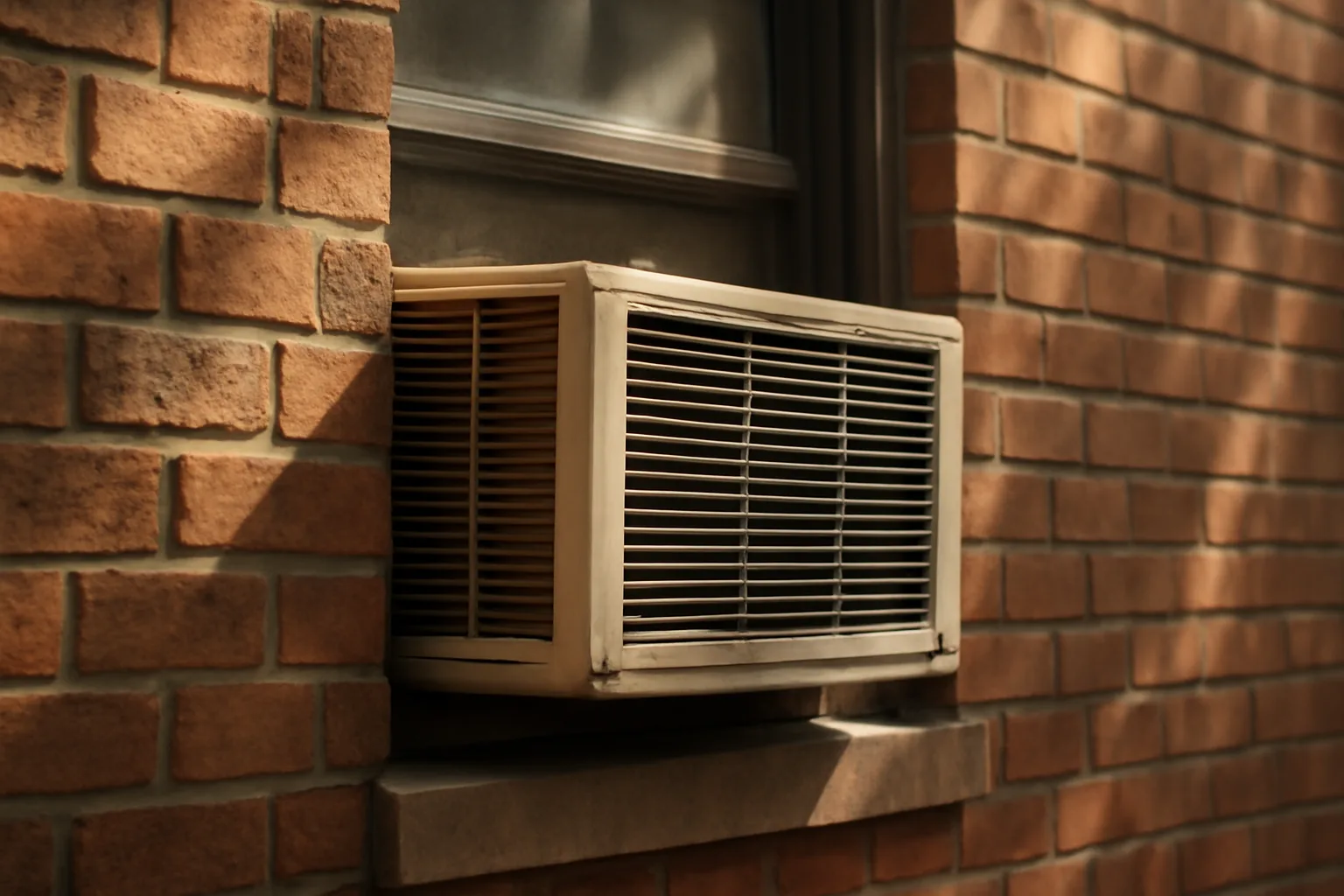
TL;DR
No. Utah's fit-premises law (Utah Code § 57-22-3) requires heat, plumbing, and safe structure, but it does not mention air conditioning. Some cities' rental housing codes or International Property Maintenance Code adoptions set minimum temperature or ventilation standards, so always confirm with your local rental licensing office before assuming AC is optional statewide.
does Utah law require landlords to provide air conditioning?
No. Utah's Fit Premises Act, found at Utah Code § 57-22-3, lists what a landlord has to keep functional: heating, plumbing, hot and cold water, electrical systems, and structural safety. Air conditioning never shows up. The statute says a landlord must "maintain the premises in a condition fit for human habitation" and keep "electrical, plumbing, heating, ventilating, and other facilities and appliances... in good working order," but it stops there [1]. That means if your rental didn't come with central air or window units, Utah state law doesn't force you to add any. If you already have AC installed and it breaks, the fit-premises duty to keep existing systems "in good working order" likely applies to it, the same as it would to a working furnace or water heater. The distinction matters: state law protects what's already there, it doesn't mandate a minimum comfort standard for cooling. Heat is a different story. Utah Code § 57-22-3(2) requires landlords to supply heat during cold months if heating is the landlord's responsibility under the lease, and many local codes set a minimum indoor temperature, typically 68°F, for heating season. No equivalent statewide maximum-temperature rule exists for summer months.
what does Utah's fit premises law actually require?
Utah Code § 57-22-3 is the backbone of every rental habitability argument in the state. It requires landlords to keep the roof and structure sound, keep plumbing working so tenants have running water, keep the unit free of insect and rodent infestation the landlord caused or that predates the tenancy, and maintain electrical and heating systems [1]. The statute also requires common areas to be kept clean and safe and requires landlords to comply with "applicable building and health code requirements materially affecting health and safety." That last clause is where local code often does the real work. A city ordinance that requires ventilation, exhaust fans, or a minimum temperature standard becomes enforceable against the landlord because state law folds local code compliance into the fit-premises duty. Utah's fit premises law only applies to residential rentals covered under Title 57 Chapter 22, and it doesn't override a written lease that gives tenants more protection. If your lease promises air conditioning, that lease term controls, state law or not.
can a city require air conditioning even if the state doesn't?
Yes, in theory, though most Utah cities haven't gone that far. Cities that run mandatory rental licensing or inspection programs often adopt the International Property Maintenance Code (IPMC) or a local variant, and those codes sometimes include ventilation and mechanical system standards that go beyond bare-bones state law. Salt Lake City's rental dwelling licensing program, for example, requires inspections tied to its housing and building codes, and inspectors check mechanical systems, smoke alarms, egress, and general safety conditions as part of the rental dwelling license process [2]. Whether a specific city ordinance mandates cooling capacity, sets a maximum indoor temperature, or just requires that existing AC units work, varies block by block and code cycle by code cycle. This is exactly why a blanket "Utah doesn't require AC" answer can mislead a landlord in a specific city. Always confirm with your city rental licensing office before assuming your obligations stop at the state floor. If you're prepping for a rental license or inspection cycle and want a structured way to gather the right local code sections before an inspector shows up, the $79 City Rental License & Inspection Prep Packet walks through what to check city by city.
what are a Utah landlord's minimum habitability duties overall?
| Heat during cold months | Yes, Utah Code § 57-22-3(2) | Local code often sets a minimum indoor temp | |
|---|---|---|---|
| Hot and cold running water | Yes | Part of core fit-premises duty | |
| Working electrical system | Yes | Must be kept in good working order | |
| Structural safety (roof, walls) | Yes | Core habitability item | |
| Air conditioning | No statewide mandate | Check city ordinance and lease terms | |
| Smoke/CO alarms | Yes, separate statute | Utah Code § 15A-3-104 references adopted fire code | Landlords also have to comply with any smoke detector and carbon monoxide alarm requirements under the state fire code as adopted in Utah's building code framework. None of this list substitutes for reading your specific city's rental housing code, since licensing cities frequently layer additional inspection checklists on top of the state floor. |
Beyond heat and structure, Utah Code § 57-22-3 requires landlords to provide and maintain: running water and reasonable amounts of hot water, functioning plumbing fixtures, working electrical wiring and outlets, and a unit free from health and safety hazards the landlord is responsible for correcting [1]. Here's a quick comparison of what's clearly required versus what's a local-code or lease question: | Item | Required by Utah state law? | Notes |
what happens if a tenant complains about heat but not AC?
If a tenant's furnace stops working in January, that's squarely inside Utah Code § 57-22-3(2), and a landlord who doesn't fix it within a reasonable time (often defined by notice-and-cure procedures under Utah Code § 57-22-6) risks a habitability claim, rent withholding remedies, or in serious cases the tenant's right to terminate the lease [1][3]. If a tenant complains that it's 95 degrees inside and there's no AC, and the unit never had AC to begin with, that's not a fit-premises violation under state law. It might still be a real comfort and safety issue, especially for the very old, the very young, or the medically vulnerable, but it isn't automatically actionable the way a broken furnace is. The practical move for a landlord: check whether your city's rental license or housing code says anything about ventilation, window screens, or mechanical cooling, document the unit's original condition when you took ownership or started renting it, and respond to heat complaints fast regardless of the legal floor, because extreme heat is a genuine health risk and slow responses tend to escalate into bigger disputes than the underlying obligation warrants.
how much notice does a landlord have to give before entering to fix or inspect a unit?
Utah doesn't have one single statewide statute spelling out a specific notice period for landlord entry the way California or several other states do. Utah Code § 57-22-4 addresses a landlord's right to enter for inspections, repairs, or showing the unit, and generally requires reasonable notice, but it doesn't pin an exact number of hours or days in the way some other states' codes do [4]. Many Utah leases specify 24 hours' notice by custom and practice, and that's a reasonable default if your lease is silent, but always check your actual lease language and the current text of § 57-22-4 rather than assuming a specific number applies statewide. Emergency entry, for something like a burst pipe or a gas leak, doesn't require advance notice under the emergency exception most fit-premises frameworks include. If you're dealing with a rental license inspection where a city inspector needs access, that's a separate process from routine landlord entry, and the city's inspection notice requirements (often 48 hours to two weeks depending on the program) will be spelled out in your rental license paperwork, not in Title 57.
what can a landlord look at during an inspection?
A landlord's routine unit inspection, separate from a city compliance inspection, is generally limited to checking the physical condition of the property: appliances, smoke detectors, plumbing fixtures, signs of damage or unauthorized alterations, pest issues, and safety hazards. It's not a license to search personal belongings, open closed drawers, or go through a tenant's possessions. A city rental license inspection is different in scope. Inspectors typically check smoke and carbon monoxide alarm placement and function, egress windows in bedrooms, electrical panel condition, visible plumbing leaks, handrails and stairs, exterior conditions like peeling paint or unsafe decks, and compliance with any local occupancy limits. Some cities' checklists also cover ventilation and exhaust fans in bathrooms and kitchens. Who actually conducts a walk-through inspection, and when, depends on the jurisdiction and the purpose of the inspection. In California, for instance, move-in and move-out walk-through inspections are typically conducted by the landlord or their agent, with the tenant given the right to be present, under Civil Code § 1950.5, which governs security deposit itemization and initial inspection rights [5]. Utah doesn't have an identical statute, so the walk-through process there is mostly governed by lease terms and, for licensed rentals, by the city's own inspection protocol rather than a single state civil code section.
why do landlords require renters insurance?
Landlords require renters insurance mainly to shift liability and property-loss risk away from themselves and their own insurance policy. A landlord's own property insurance covers the building and the landlord's fixtures, not the tenant's personal belongings, and it usually doesn't cover a tenant's liability if the tenant accidentally causes a fire, a flood, or an injury to a guest. Renters insurance typically covers a tenant's personal property, temporary living expenses if the unit becomes uninhabitable, and liability coverage if the tenant is found responsible for damage or injury. Requiring it is a lease term, not a state or local law mandate in most of Utah, though cities can occasionally build insurance requirements into a rental license condition, so it's worth checking your specific city's licensing rules alongside your lease. From a landlord's perspective, renters insurance reduces the odds you'll end up personally absorbing the cost of a tenant's water heater accident or a grease fire that starts in their kitchen and spreads. It's cheap for tenants, usually well under $20 a month in most markets, so requiring it as a lease condition is one of the lower-friction risk management moves available to a small landlord.
what is landlording, and what is a landlord?
A landlord is the owner (or the owner's authorized agent) of a residential or commercial property who rents that property to a tenant in exchange for rent, under a lease or rental agreement. Landlording is the informal term for the practical work of managing that relationship: collecting rent, maintaining the property, handling repairs, following habitability law, screening tenants, and managing turnover. For a 1-10 unit landlord in a licensing city, landlording also increasingly means compliance work: renewing a rental license, scheduling and passing periodic inspections, keeping smoke and CO alarms current, and responding to code violation notices. That compliance layer is exactly what mandatory rental-licensing ordinances add on top of the basic legal definition of a landlord. Being a landlord carries legal duties (habitability, fair housing compliance, security deposit handling) and practical duties (maintenance, communication, record-keeping) that go well beyond just owning a property and collecting a check. Most landlords who get into trouble aren't bad actors, they just didn't know a specific local rule existed until a notice or fine showed up.
how do you become a landlord, and how do you actually be a good one?
Becoming a landlord legally starts with owning or controlling a property you intend to rent, then handling the paperwork side: getting any required rental license or registration from your city, understanding your state's landlord-tenant statute (Utah Code Title 57 Chapter 22 in Utah's case), and putting a compliant written lease in place. A practical starting checklist looks like this: confirm whether your city requires rental registration or licensing before you advertise the unit, get a habitability walkthrough done yourself before a tenant moves in, screen tenants consistently under fair housing law, set up a system for handling maintenance requests and documenting them, and understand your notice and entry obligations under Utah Code § 57-22-4. Being a good landlord day-to-day mostly comes down to responsiveness and documentation. Fix real habitability problems fast, put everything in writing, keep receipts and photos of repairs, and don't wait for a city inspection notice to find out you're missing a required smoke alarm or that your unit falls under a licensing ordinance you didn't know existed. Small landlords with one to ten units often get tripped up not by big legal violations but by missed registration renewals or inspection deadlines that come with real fines attached in licensing cities.
what rights do tenants have without a written lease?
Tenants without a written lease still have real legal protections in Utah. An oral or implied rental agreement generally creates a month-to-month tenancy under Utah landlord-tenant law, and the tenant still gets the benefit of Utah Code § 57-22-3's fit-premises protections regardless of whether anything was signed [1]. A tenant without a written lease is still entitled to proper notice before termination (generally at least 15 days for a month-to-month tenancy under Utah Code § 78B-6-802, though the exact period depends on the tenancy type and reason for termination), protection from illegal lockouts or utility shutoffs, and the landlord's continued duty to maintain heat, water, plumbing, and structural safety [6]. What a tenant loses without a written lease is certainty: rent amount, due date, pet policy, and other specifics become harder to prove if a dispute goes to court. Both landlords and tenants are generally better off with something in writing, even a short one-page agreement, precisely because oral terms are hard to enforce evenly.
what can a landlord not do, using Ohio as a comparison point?
Ohio's landlord-tenant law, Ohio Revised Code § 5321.04, sets out the same basic category of duties Utah's statute does: keep the unit in a fit and habitable condition, keep common areas safe, maintain electrical, plumbing, heating, and other systems, and not retaliate against a tenant for reporting code violations [7]. Ohio law also explicitly prohibits landlords from shutting off utilities, changing locks, or removing a tenant's belongings to force them out, remedies that fall under Ohio's illegal lockout protections in Ohio Revised Code § 5321.15 . A landlord in Ohio cannot enter a unit without reasonable notice except in an emergency, cannot retaliate against a tenant for exercising a legal right (like reporting a housing code violation), and cannot ignore a documented habitability complaint without facing a rent-escrow or repair-and-deduct remedy tenants can pursue through Ohio courts. The overlap with Utah is real: both states center habitability duties on heat, water, electrical, and structural safety, both prohibit self-help evictions like lockouts and utility shutoffs, and neither state's core habitability statute specifically mandates air conditioning. The differences show up mostly in notice periods, remedy procedures, and how aggressively local cities layer extra requirements on top of state law.
what should a landlord actually do about AC in Utah rentals?
Since state law doesn't require it, the real decision is a mix of local code compliance, market competitiveness, and risk management. First, check your specific city's rental housing code or IPMC adoption for anything about ventilation, cooling, or maximum indoor temperature, since a handful of cities with aggressive rental licensing programs have gone further than the state floor. Second, if your unit already has AC, treat it like any other system covered by Utah Code § 57-22-3's "good working order" language: fix it promptly when it breaks, because a long AC outage during a heat wave, even without a specific statute naming air conditioning, can turn into a broader habitability complaint if indoor temperatures get dangerous. Third, if you're deciding whether to add AC to a unit that's never had it, weigh it as a market decision, not a compliance one, unless your city's code says otherwise. Rentals with working central air or even window units in Utah's hot, dry summers (Salt Lake City regularly sees July highs in the 90s per National Weather Service climate normals) rent faster and draw fewer vacancy days in most local markets, even without a legal mandate forcing your hand. If you manage a handful of units across one or more licensing cities and want a structured way to track what each city's rental code actually requires before your next inspection, the $79 City Rental License & Inspection Prep Packet is built for exactly that kind of city-by-city compliance homework, though it's a research tool, not a substitute for confirming current requirements with your city rental licensing office directly.
Frequently asked questions
Is a landlord in Utah legally required to provide air conditioning?
No. Utah Code § 57-22-3, the state's fit-premises statute, requires heat, plumbing, electrical service, and structural safety, but it doesn't mention air conditioning. Some cities' rental housing codes go further, so confirm with your specific city rental licensing office before assuming AC is optional everywhere in the state.
Can a Utah tenant break a lease if there's no air conditioning?
Generally no, if the unit never had AC and the lease didn't promise it. Utah's fit-premises law under Utah Code § 57-22-3 doesn't list AC as a required system, so its absence alone typically doesn't create a habitability violation a tenant can use to terminate early.
Does Utah require landlords to provide heat?
Yes. Utah Code § 57-22-3(2) requires landlords to supply heat during cold months when heating is the landlord's responsibility under the lease. Many local rental housing codes also set a minimum indoor temperature, commonly around 68°F, during heating season.
How much notice does a landlord have to give before entering a rental unit in Utah?
Utah Code § 57-22-4 requires reasonable notice for landlord entry but doesn't set one specific statewide number of hours. Many leases specify 24 hours as a default. Emergencies, like a gas leak or burst pipe, don't require advance notice.
What can a landlord look at during a rental inspection?
A landlord's routine inspection covers appliance condition, smoke and CO alarms, plumbing, signs of damage, and safety hazards, not personal belongings. City rental license inspections typically also check egress windows, electrical panels, handrails, and exterior conditions per the local housing code.
Who conducts the walk-through inspection for a rental in California?
In California, move-in and move-out walk-through inspections are typically conducted by the landlord or their agent, with the tenant entitled to be present, under Civil Code § 1950.5, which governs the initial inspection and security deposit itemization process.
Why do landlords require renters insurance?
Renters insurance shifts liability and personal-property loss risk away from the landlord. It covers a tenant's belongings, temporary housing costs if the unit becomes unlivable, and liability if the tenant causes damage or injury. It's usually a lease requirement, not a state law mandate, in most of Utah.
What is landlording?
Landlording is the practical work of owning and managing a rental property: collecting rent, handling maintenance and repairs, following habitability and fair housing law, screening tenants, and, in licensing cities, keeping rental registrations and inspections current.
What rights do tenants have without a written lease in Utah?
Tenants without a written lease usually have a month-to-month tenancy and still get Utah Code § 57-22-3's fit-premises protections. They're entitled to proper termination notice, generally at least 15 days under Utah Code § 78B-6-802, and protection from illegal lockouts or utility shutoffs.
What can a landlord not do under Ohio law?
Ohio Revised Code § 5321.15 prohibits landlords from shutting off utilities, changing locks, or removing belongings to force a tenant out. Ohio Revised Code § 5321.04 also bars entry without reasonable notice (except emergencies) and prohibits retaliation against tenants who report code violations.
How do you become a landlord?
Becoming a landlord means owning or controlling a rental property, checking whether your city requires rental registration or licensing before you advertise it, understanding your state's landlord-tenant statute, and putting a compliant written lease in place before a tenant moves in.
If my Utah rental already has AC, do I have to fix it when it breaks?
Utah Code § 57-22-3 requires landlords to keep existing electrical, plumbing, and mechanical systems "in good working order." While AC isn't separately named, an installed cooling system likely falls under this general maintenance duty once it's part of the unit.
Sources
- Utah State Legislature, Utah Code § 57-22-3: Utah's fit-premises law requires landlords to maintain heat, plumbing, electrical systems, and structural safety, with no mention of air conditioning
- Utah State Legislature, Utah Code § 57-22-6: Utah law sets notice-and-cure procedures for habitability violations before further tenant remedies apply
- Utah State Legislature, Utah Code § 57-22-4: Utah landlords must give reasonable notice before entering a rental unit for inspection or repair
- California Legislative Information, California Civil Code § 1950.5: California walk-through inspections and security deposit itemization are governed by Civil Code section 1950.5, with tenants entitled to be present
- Utah State Legislature, Utah Code § 78B-6-802: Month-to-month tenancies in Utah generally require at least 15 days notice for termination
- Ohio Legislative Service Commission, Ohio Revised Code § 5321.04: Ohio landlords must maintain fit and habitable premises and cannot retaliate against tenants reporting code violations
- Ohio Legislative Service Commission, Ohio Revised Code § 5321.15: Ohio law prohibits landlords from shutting off utilities, changing locks, or removing belongings to force a tenant out