Last updated 2026-07-26
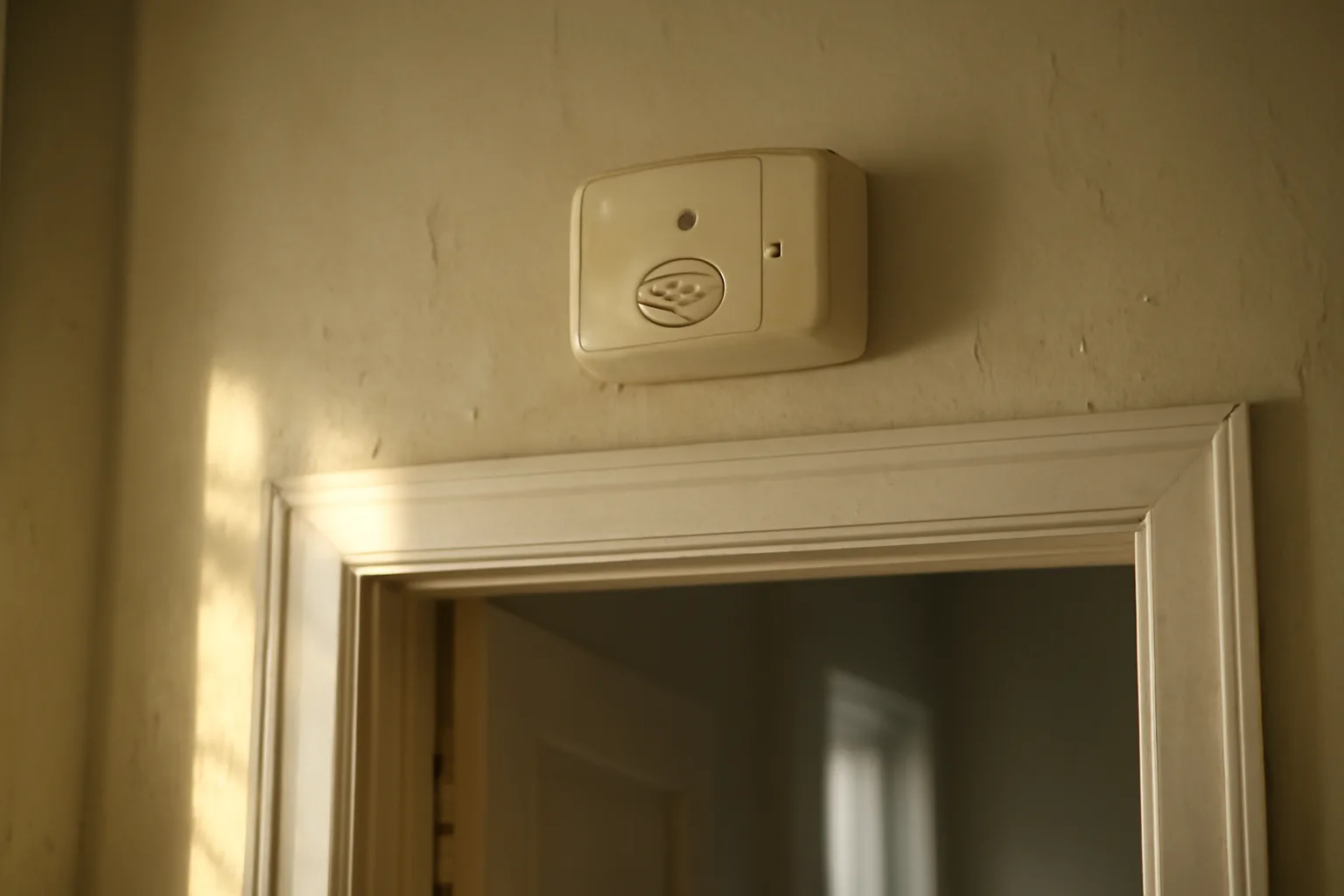
TL;DR
In most states, yes. At least 32 states plus many local codes require carbon monoxide detectors in rental units that have fuel-burning appliances, fireplaces, or attached garages. Exact rules on placement, who pays, and testing frequency vary by state and city, so landlords need to check both state law and their local rental code before turning over a unit.
Are landlords required to provide carbon monoxide detectors?
Yes, in the majority of states. As of the most recent tally from the National Conference of State Legislatures, at least 32 states plus the District of Columbia have some statutory requirement for carbon monoxide alarms in dwellings, and most of those laws specifically reach rental units [1]. A handful of states leave it to local building codes or the International Fire Code, which many cities have adopted wholesale. The trigger for the requirement usually isn't "it's a rental," it's "does this building have a carbon monoxide source." That means a fuel-burning furnace, water heater, stove, fireplace, or an attached garage. An all-electric unit with no attached garage sometimes falls outside the letter of the law, though plenty of landlords install detectors anyway because the liability exposure isn't worth arguing over a $20 device. Carbon monoxide poisoning kills more than 400 people a year in the U.S. and sends about 100,000 people to emergency rooms, according to the CDC [2]. Non-fire CO exposure from things like furnaces and generators is a well-documented, largely preventable cause of death, which is exactly why state legislatures started passing these laws in the 2000s and 2010s after high-profile poisoning deaths in rental housing. If you own units in a city with mandatory rental licensing or inspection, don't assume your state law is the only thing you need to satisfy. Cities layered on top of state law commonly add their own placement and documentation rules as part of the rental license or certificate of occupancy inspection. Check your city's checklist before your inspection date, not after.
Which states require carbon monoxide detectors in rental units?
| Massachusetts | 105 CMR 800.001 | Any dwelling with fuel-burning equipment or attached garage | Yes, all residential [3] | |
|---|---|---|---|---|
| California | Health & Safety Code §17926 | Fossil fuel appliance or attached garage | Yes, owner must install [5] | |
| New York | Executive Law / Uniform Fire Prevention and Building Code | Fuel-burning appliance or attached garage | Yes [4] | |
| Illinois | Carbon Monoxide Alarm Detector Act (430 ILCS 135) | Any dwelling unit | Yes, all residential rentals [6] | Because city licensing offices often fold state CO rules directly into their rental inspection checklist, confirm the current requirement with your city rental licensing office rather than relying only on state statute text, which can lag behind local amendments. |
Coverage is genuinely a patchwork. Some states like Massachusetts have required CO alarms in nearly all residential units (owner-occupied or rental) since 2005, following the death of a Plymouth boy from a blocked furnace vent; the statute (105 CMR 800.001, often called "Nicole's Law") requires an approved detector within 10 feet of every room used for sleeping [3]. New York, California, and Illinois all have statewide statutes requiring CO detectors in dwellings with fuel-burning appliances or attached garages, covering both owner-occupied and rental housing [4][5][6]. California's law is specific about carbon monoxide devices: it requires them in "every dwelling unit intended for human occupancy" that has a fossil fuel source or an attached garage, and it puts the installation duty squarely on the owner, with compliance required for existing single-family homes by 2011 and multifamily buildings by 2013 [5]. Other states without a blanket residential statute still require CO alarms in specific fuel-oil or gas-appliance situations, or leave the requirement to local fire codes. If your state isn't on the NCSL list with a broad rental mandate, check your city's building or fire code separately, because plenty of cities require CO alarms even where the state doesn't. Here's a rough comparison of how a few representative states handle it: | State | Statutory basis | Trigger | Applies to rentals |
Where do carbon monoxide detectors have to be placed in a rental?
Most state and local rules follow a similar pattern: one CO alarm on every level of the unit, and one within a set distance of each sleeping room. Massachusetts requires an alarm within 10 feet of every bedroom door [3]. Many building departments that follow the International Residential Code use a similar standard, requiring alarms outside each separate sleeping area and on every story, including basements [7]. If the unit has an attached garage, expect an added requirement for a detector near the door connecting the garage to living space, since that's a common CO entry point from a running car or gas water heater. Combination smoke/CO alarms are legal in most jurisdictions and are what a lot of landlords install now to cut down on the number of devices and battery types they have to track. Check your local rule before assuming combo units satisfy both a smoke detector law and a CO detector law simultaneously; some older local codes still specify them separately. Don't guess on placement. A CO inspector finding a missing alarm near a bedroom is one of the more common items that turns into a written violation on a rental inspection report, and it's a cheap, fast fix if you catch it before the inspector does.
Who pays for carbon monoxide detectors, the landlord or the tenant?
| Battery-powered CO alarm | $15 to $30 per unit | Landlord (purchase and install) | |
|---|---|---|---|
| Combo smoke/CO alarm | $25 to $50 per unit | Landlord | |
| Hardwired CO alarm (electrician install) | $75 to $150 per unit installed | Landlord | |
| 10-year sealed battery unit | $20 to $40 | Landlord | A practical note: buy the 10-year sealed battery models. They cost a little more upfront but you'll never get a call about a dead battery chirping at 2 a.m., and you won't have to track battery replacement schedules across ten units. |
The landlord. Every state statute that requires CO detectors in rentals puts the installation and initial purchase obligation on the property owner, not the tenant. California's statute is explicit that "the owner of the dwelling shall install a carbon monoxide device" [5]. Tenants generally can't be charged a separate fee for the detector itself, though some states allow the landlord to pass along the cost through general maintenance charges depending on local law. Maintenance responsibility after installation is where it gets more mixed. Some states require the landlord to test and maintain the device (checking function, replacing units at end of life); others shift day-to-day battery replacement to the tenant once the unit is installed and working, similar to smoke alarm rules in the same state. Massachusetts, for example, requires landlords to maintain smoke and CO alarms in a "working condition" but tenants are typically responsible for notifying the landlord if a battery-powered unit chirps or fails [3]. A basic cost comparison landlords ask about: | Item | Typical cost | Who usually pays |
What happens if a landlord doesn't install a required CO detector?
Consequences range from a written violation with a correction deadline up to real fines and civil liability if someone gets hurt. In cities with mandatory rental licensing, a missing CO detector is a standard checklist item, and failing it usually means your rental license or certificate of occupancy gets held up until you fix it and pass reinspection. Confirm the specific fine schedule with your city rental licensing office, since amounts and reinspection fees vary widely by city and aren't standardized nationally. Beyond the inspection fine, there's the liability side. If a tenant is injured or killed by carbon monoxide poisoning in a unit that lacked a legally required detector, that missing detector becomes exhibit A in a negligence claim. Courts have found landlords liable in wrongful death and injury suits tied to missing or non-functioning CO alarms where state law required them; the CDC notes non-fire CO exposure sends roughly 100,000 Americans to the ER annually, and a meaningful share of those poisonings happen in rental housing with malfunctioning furnaces or water heaters [2]. If you got a violation notice for a missing detector, the fastest fix is usually the cheapest one: buy the alarms same day, install them at the required locations, take photos with timestamps, and request reinspection. Don't wait for the reinspection deadline to start; queues at busy city inspection offices can run two to four weeks out depending on the department.
How do CO detector rules fit into rental licensing and inspection programs?
Cities that require a rental license, registration, or periodic inspection almost always fold state smoke and CO alarm law directly into their checklist. That means even if you've technically complied with the state statute, a city inspector can still flag a missing or improperly placed unit as a licensing violation because the local rental code cross-references or restates the state requirement with added specifics (device age limits, hardwired vs. battery, testing documentation). This is one of the more common reasons landlords fail a first-round rental inspection: they installed CO detectors when they bought the property years ago, the units are still there, but they're past their 7 to 10 year replacement window (most CO alarms have an expiration date printed on the back) and the inspector flags them as non-functional regardless of whether the battery still works. If you manage rentals in a licensing city, build a simple annual check into your routine: test every alarm, check the manufacture date stamped on the unit, and replace anything older than the manufacturer's stated lifespan (commonly 7 years for CO-only units, up to 10 for some combo models). Log the date you did it. If you're prepping units for licensing or reinspection across several properties, our $79 City Rental License & Inspection Prep Packet gives you a checklist built around what city inspectors actually look for, so you're not guessing at a fine on inspection day.
What can a landlord look at during an inspection?
A rental inspection, whether it's for city licensing or a routine walkthrough, generally covers life-safety items first: smoke and CO detectors, egress windows, electrical panels, water heater venting, and any visible fire hazards. Most city rental inspection checklists also cover structural items like handrails, working locks, and adequate heat source, plus habitability basics like working plumbing and no active pest infestation. What an inspector generally cannot do is search personal belongings, open closed drawers or containers, or inspect areas unrelated to habitability and safety without separate cause. The inspection is about the condition of the unit, not the tenant's possessions. For day-to-day landlord walkthroughs (not city license inspections), the landlord can typically look at the general condition of walls, appliances, fixtures, and safety devices to confirm the unit is being maintained and check for lease violations like unauthorized pets or occupants. State law usually requires advance written notice before entry, commonly 24 to 48 hours depending on the state, except in genuine emergencies.
Who is responsible for rental property walk-through inspections in California?
In California, the landlord (or property manager) is responsible for scheduling and conducting move-in and move-out inspections, and state law gives tenants specific rights around that process. California Civil Code §1950.5 requires landlords to give tenants the option of an initial inspection before move-out, with at least 48 hours' written notice, so the tenant can fix any deficiencies before the final deposit deduction inspection [8]. The tenant has the right to be present at that initial inspection, and the landlord must provide an itemized statement of anything that would be deducted from the security deposit if not corrected. This is separate from city rental licensing inspections (common in cities like Los Angeles and Oakland under their rent stabilization or systematic code enforcement programs), which are conducted by city inspectors, not the landlord, and focus on health and safety code compliance rather than deposit deductions.
How to become a landlord: what's actually involved
Becoming a landlord isn't a licensed profession in most states (a few cities require a business license or rental registration, which is different), but there are real steps worth doing in order rather than improvising. First, understand what is a landlord in the legal sense: the owner (or authorized agent) of real property who rents it to a tenant under a lease or rental agreement, taking on specific legal duties around habitability, safety, and privacy in exchange for rent. What is landlording, practically, is the ongoing work of that role: screening tenants, maintaining the property, handling repairs, collecting rent, following state and local notice rules, and keeping the unit compliant with safety codes including smoke and CO detectors. A reasonable first-timer sequence: confirm your city or county doesn't require rental registration or licensing before you can legally rent the unit (many cities do, and renting without registering can mean fines); get landlord liability insurance; know your state's habitability and safety code (detectors, heat, egress); learn your state's notice-to-enter and eviction notice periods; and set up a lease that matches your state's required disclosures. If your city requires an inspection before issuing a rental license, book that early, because reinspection queues add weeks to your timeline in busy jurisdictions. See our related guide on what a landlord is and does for a fuller walkthrough of the role, and how tenant rights work for the flip side of these obligations.
Why do landlords require renters insurance, and what rights do tenants have without a lease?
Landlords require renters insurance mainly to shift liability. A tenant's renters insurance policy typically covers their personal property and includes liability coverage if the tenant accidentally causes damage (a kitchen fire, an overflowing tub) that spreads to other units. Without it, the landlord's own property insurance may cover the building but the tenant has no coverage for their belongings, and disputes over who caused damage get messier. Many landlords require proof of a renters insurance policy, often with a minimum liability amount like $100,000, as a standard lease condition, though this is a lease term, not a state mandate in most places. Tenants without a written lease still have real legal rights. In every state, a tenant paying rent and occupying a unit, even under a purely verbal or month-to-month arrangement, is protected by the same implied warranty of habitability, fair housing protections, and required notice periods for entry and termination that apply to written-lease tenants. What changes without a lease is mainly the notice period for ending the tenancy: month-to-month tenants generally get a 30-day notice in most states, though some states or cities require 60 or even 90 days depending on how long the tenant has lived there and local rent control rules. See tenants rights basics for a broader rundown of what carries over regardless of lease status.
How much notice does a landlord have to give before entering, and what can't a landlord do in Ohio?
Notice-to-enter periods are set state by state, and most states land between 24 and 48 hours for routine, non-emergency entry (repairs, inspections, showings), with exceptions for genuine emergencies where no notice is required. Ohio's landlord-tenant law (Ohio Revised Code §5321.04) requires landlords to give "reasonable notice" of intent to enter and to enter only at reasonable times, and Ohio courts and tenant guidance generally treat 24 hours as the practical standard, though the statute doesn't specify an exact hour count . What a landlord cannot do in Ohio, under that same chapter, includes entering without reasonable notice except for emergencies, shutting off utilities to force a tenant out, removing a tenant's belongings without a court order, or retaliating against a tenant for reporting a code violation or joining a tenant organization; ORC §5321.02 specifically prohibits retaliatory conduct including rent increases or eviction filed because a tenant complained to a government agency about a building or health code violation . Landlords in Ohio also can't skip the legal eviction process. Self-help eviction (changing locks, removing doors, cutting off power or water) is illegal everywhere in the U.S., more than Ohio, and typically opens the landlord up to statutory damages on top of the illegal act itself.
Frequently asked questions
Do all rental units need carbon monoxide detectors?
No. Most state laws only require CO detectors in units with a carbon monoxide source: a fuel-burning furnace, water heater, stove, fireplace, or an attached garage. A fully electric unit with no attached garage sometimes falls outside the strict legal requirement, though many landlords install detectors anyway given the low cost and liability exposure.
Can a landlord charge a tenant for a carbon monoxide detector?
Generally no for the installation itself. State CO detector statutes put the purchase and installation duty on the landlord, not the tenant. Ongoing battery replacement responsibilities vary by state, and some states allow that maintenance duty to shift to the tenant once the unit is installed and confirmed working at move-in.
How often do carbon monoxide detectors need to be replaced in a rental?
Most CO-only alarms have a manufacturer lifespan of about 7 years; combo smoke/CO units sometimes run up to 10 years. The expiration date is printed on the back of the unit. City rental inspectors commonly flag expired units even if the battery and alarm function still test fine.
What states don't require CO detectors in rentals?
Coverage changes as legislatures act, so check current state code, but as of the National Conference of State Legislatures' tracking, roughly 18 states lack a broad statewide residential CO detector mandate, leaving the requirement to local building or fire codes instead. Always check your city's rental code separately from state law [1].
Is a combination smoke and CO detector legal instead of two separate units?
In most states and cities, yes, combination smoke/CO alarms satisfy both requirements as long as the unit is listed and approved for both functions. Some older local codes still specify separate devices, so confirm with your city rental licensing office before relying on combo units for a licensing inspection.
What happens if I fail a rental inspection because of a missing CO detector?
You'll typically get a written violation with a correction deadline, and your rental license or certificate of occupancy may be held pending reinspection. Install the required units immediately, document it with photos, and request reinspection promptly since many cities have multi-week reinspection queues.
How to become a landlord if I've never rented out property before?
Check whether your city requires rental registration or licensing before you can legally rent, get landlord liability insurance, learn your state's habitability and safety code requirements (including smoke and CO detectors), understand your state's notice periods for entry and eviction, and use a lease that matches your state's required disclosures.
What is landlording, exactly?
Landlording is the ongoing work of owning and renting out residential property: screening and placing tenants, collecting rent, handling repairs and maintenance, meeting state and local safety code requirements, and following legal notice rules for entry, rent increases, and lease termination.
Who is responsible for the rental property walk-through inspection in California?
The landlord or property manager schedules and conducts move-in and move-out inspections. California Civil Code §1950.5 requires landlords to offer tenants an initial pre-move-out inspection with at least 48 hours' written notice so the tenant can fix deductible items before the final inspection [8].
What rights do tenants have without a signed lease?
Tenants without a written lease still get the implied warranty of habitability, fair housing protections, and required entry and termination notice periods that apply to any tenancy. What usually changes is the notice period to end tenancy, commonly 30 days for month-to-month arrangements, though some cities require more.
Why do landlords require renters insurance?
Mainly to cover the tenant's own belongings and shift liability if the tenant accidentally causes damage that spreads to other units, since a landlord's building insurance usually doesn't cover a tenant's personal property or a tenant-caused liability claim.
How much notice does a landlord have to give before entering a rental unit?
Most states require 24 to 48 hours of written or verbal notice for routine, non-emergency entry. Exact rules vary; Ohio Revised Code §5321.04 requires "reasonable notice" without naming an exact hour count, which courts generally treat as around 24 hours [9].
What can a landlord not do in Ohio?
Under Ohio Revised Code §5321.02 and §5321.04, a landlord can't enter without reasonable notice except in emergencies, shut off utilities to force a tenant out, remove belongings without a court order, or retaliate against a tenant for reporting a code violation to a government agency [9][10].
Sources
- National Conference of State Legislatures, Carbon Monoxide Detectors State Statutes: At least 32 states plus D.C. have statutory carbon monoxide alarm requirements for dwellings
- CDC, Carbon Monoxide Poisoning Data and Statistics: Non-fire CO exposure causes over 400 deaths and about 100,000 ER visits annually in the U.S.
- Massachusetts 105 CMR 800.000, Carbon Monoxide Alarms: Massachusetts requires a CO alarm within 10 feet of every room used for sleeping
- California Health and Safety Code Section 17926: California law requires the dwelling owner to install a carbon monoxide device in units with fossil fuel sources or attached garages
- International Code Council, International Residential Code Section R315: Model residential code requires CO alarms outside sleeping areas and on every story of the dwelling
- California Civil Code Section 1950.5: California requires landlords to offer an initial move-out inspection with at least 48 hours written notice
- Ohio Revised Code Section 5321.04: Ohio law requires landlords to give reasonable notice before entering a rental unit
- Ohio Revised Code Section 5321.02: Ohio law prohibits landlord retaliation against tenants who report code violations