Last updated 2026-07-26
TL;DR
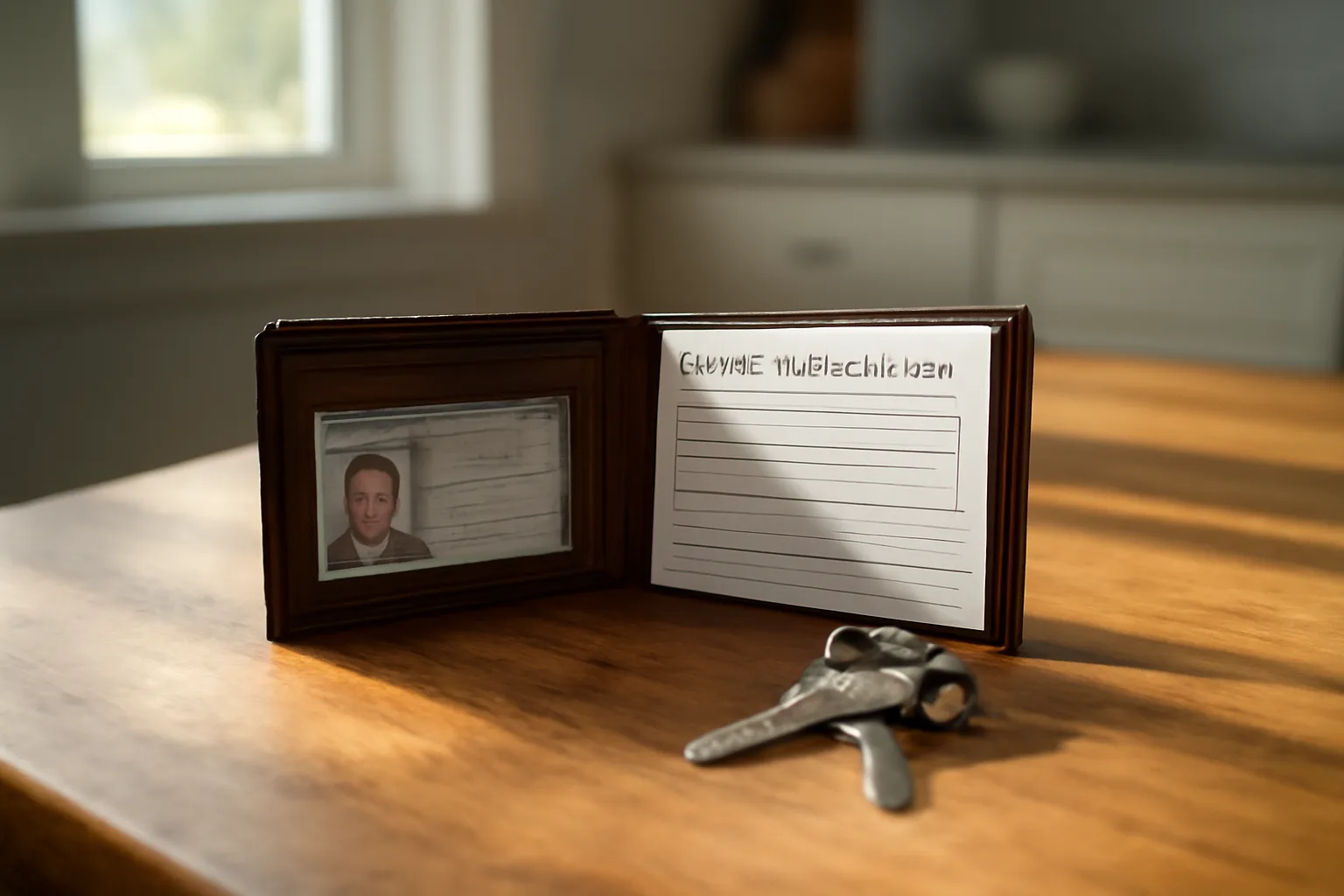
In most states, a suspended driver's license does not stop you from renting an apartment. Landlords screen for income, credit, rental history, and criminal background, not DMV status. Some landlords ask for a photo ID for identity verification only, and a suspended license usually still works for that as long as it's not expired.
Can you get a rental with a suspended license?
Yes, in almost every case. A suspended driver's license affects your ability to legally drive, not your legal ability to sign a lease. Landlords are not the DMV, and standard tenant screening does not pull driving records. What they do pull is a credit report, sometimes a criminal background check, and rental history through services like RentPrep, TransUnion SmartMove, or a local tenant screening company. The confusion usually comes from ID requirements. Most landlords ask for a government-issued photo ID to confirm you are who you say you are on the application. A suspended license is still a valid photo ID for that purpose as long as it hasn't expired. Suspended means you can't legally drive on it. It doesn't mean the card itself stopped being a valid form of identification. Where it can actually cause a problem: if the suspension came with unpaid fines that went to collections, that debt can show up on your credit report and drag your score down. That's the real risk, not the suspension itself. A landlord running a credit check might see a collections account from an unpaid traffic fine or toll violation and factor that into the decision, the same way they'd weigh any other collections item. If your license is suspended and also expired, that's a different situation. An expired ID, suspended or not, often won't satisfy a landlord's identity verification requirement. In that case you'd want a passport, state ID card, or other valid ID to submit with your application instead.
Will a landlord run a DMV check as part of tenant screening?
Almost never, for a standard residential lease. Tenant screening in the US typically covers three things: a credit report (FICO-based or a proprietary rental score), a criminal background check pulled from county and state court records, and an eviction history search through court filings. Driving records aren't part of that pipeline because they're not predictive of whether someone pays rent on time or damages a unit. The exception is jobs or leases tied to driving. If you're renting a car, applying for corporate housing tied to a company vehicle policy, or the landlord specifically requires proof you can legally drive (rare, but it happens with some furnished corporate rentals that include parking or fleet vehicle access), a suspension could come up. For a normal apartment, house, or duplex lease, it won't. What landlords do check varies by state and by the landlord's own screening policy, but the core screening report almost always includes credit history and public records like judgments, liens, and past evictions. The Fair Credit Reporting Act (15 U.S.C. § 1681) governs how landlords can use and must disclose consumer reports, including credit and background checks, when making a rental decision [1]. If a landlord denies you based on something in a credit report, they're required to give you an adverse action notice telling you which reporting agency provided the report and that you have a right to a free copy of it.
What ID can you use to rent an apartment if your license is suspended?
A valid, unexpired driver's license, even a suspended one, generally still works as photo ID for a rental application. Landlords are checking that your face matches the photo and the name matches your application, not checking your driving privileges. If the license is expired in addition to suspended, switch to a state ID card, a US passport, a passport card, or a military ID. Some landlords and property management companies use ID verification software (like Snappt or Plaid Identity Verification) as part of the application process. These tools mostly check for document tampering and confirm the ID is a real, currently issued document. They typically don't cross-reference DMV suspension databases, because that data isn't part of what they're built to verify. If you're worried the ID will raise a flag, you can call ahead and ask the leasing office or private landlord what forms of ID they accept. Small landlords with 1-10 units are often more flexible than big management companies, because they're making a judgment call about one specific person, not running everything through automated software.
How to become a landlord
Becoming a landlord starts with buying or already owning a property you intend to rent out, then meeting your city and state's legal requirements before you hand over keys. That usually means registering the rental with your city (many cities require a rental license or registration, sometimes with an inspection first), getting landlord insurance, screening tenants legally under the Fair Housing Act, and using a written lease. The legal side varies a lot by location. Cities with mandatory rental licensing, think Chicago, Los Angeles, Baltimore, or dozens of smaller municipalities, require you to register the unit, pay an annual or biennial fee, and often pass a habitability inspection before you can legally lease it. Skip that step and you can face fines, and in some cities you can lose the ability to collect rent or evict a nonpaying tenant until you're compliant. On the federal side, the Fair Housing Act (42 U.S.C. § 3601 et seq.) prohibits discrimination based on race, color, religion, sex, national origin, familial status, and disability in the rental process, including advertising, screening, and lease terms [2]. That applies whether you own one unit or a hundred. Practically, new landlords should build out four things before listing a unit: a compliant lease (state-specific, since security deposit limits, notice periods, and required disclosures vary), a legal screening process, proof of landlord insurance (a standard homeowners policy usually doesn't cover a rented property), and confirmation that the unit meets your city's registration and inspection requirements. If your city requires a rental license, check with your [city rental licensing office] before you advertise the unit, because some cities fine landlords for advertising or leasing an unregistered unit even before a tenant moves in.
What is landlording, and what is a landlord?
A landlord is the person or entity that owns a residential or commercial property and rents it to a tenant in exchange for periodic payment, usually monthly rent, under a lease or rental agreement. Landlording is the ongoing work of managing that relationship: collecting rent, maintaining the property, handling repairs, following notice and eviction laws, and keeping the unit compliant with local housing codes. Legally, a landlord has specific duties in nearly every state. These typically include maintaining the property in habitable condition (called the implied warranty of habitability in most jurisdictions), making necessary repairs within a reasonable time, and following state-specific rules on security deposits, entry notice, and eviction procedure. HUD's landlord and tenant rights overview is a solid starting reference point for the federal layer of these obligations [3]. Day to day, landlording with 1-10 units looks different from managing a large portfolio. Small landlords often self-manage: showing units, screening tenants, collecting rent, and doing repairs themselves or hiring out as needed. That's more hands-on but it also means you're personally on the hook for knowing your city's rental registration rules, your state's security deposit statute, and your local notice requirements. A single missed rental license renewal or failed inspection can trigger fines that eat into a year of rental income fast.
Who is responsible for the rental property walk-through inspection in California?
In California, the landlord is responsible for initiating the move-out walk-through inspection, but it's a joint process, both landlord and tenant typically participate. California Civil Code § 1950.5(f) gives tenants the right to request an initial inspection before move-out, conducted no earlier than two weeks before the tenancy ends, so the tenant can fix any issues before the final deposit deduction [4]. The law requires the landlord to give the tenant at least 48 hours' written notice before the initial inspection, unless the tenant waives that notice. After the inspection, the landlord has to give the tenant an itemized statement of any deficiencies that could lead to deductions from the security deposit, along with a reasonable chance to fix them before move-out [4]. This is specifically about the pre-move-out inspection, separate from any government habitability inspection that some California cities layer on top through local rental registration ordinances. On the code-enforcement side, cities like Los Angeles and San Francisco have their own rental unit inspection programs (LA's Systematic Code Enforcement Program, for example) run by city building and safety departments, not by the landlord or tenant directly. Those inspections check the physical condition of the unit against local housing code, and they're separate from the Civil Code § 1950.5 move-out walk-through. If your city runs one of these programs, confirm inspection scheduling and fee details with your [city rental licensing office] since program rules differ by city.
What can a landlord look at during an inspection?
During a routine or move-out inspection, a landlord can generally check the physical condition of the unit: walls, floors, appliances, plumbing, electrical fixtures, smoke and carbon monoxide detectors, windows, and doors, looking for damage beyond normal wear and tear. What counts as damage versus normal wear and tear is a common point of dispute, and most states draw the line based on whether the condition resulted from ordinary use over time versus negligence or abuse. A landlord conducting a government-mandated rental inspection (the kind tied to a city's rental license program) is typically checking for code compliance: working smoke detectors, functioning heat, no exposed wiring, proper egress from bedrooms, no active leaks, working locks, and pest-free conditions. These inspections are about habitability and safety, not the tenant's housekeeping. What a landlord generally cannot do during an inspection: search through personal belongings, drawers, or closets beyond what's needed to check the space itself, show up without proper notice (notice periods are set by state law and vary, commonly 24 to 48 hours), or use the inspection as a pretext to harass a tenant or retaliate for a complaint. Several states, including California under Civil Code § 1954, specify the acceptable reasons for landlord entry (repairs, showing the unit, emergencies, court order) along with required notice [5]. If you're a landlord prepping for a city inspection tied to your rental license, checking your city's specific checklist ahead of time saves a lot of stress. Programs vary. Some cities publish a public inspection checklist; others just send an inspector with a general housing code in hand. It's worth calling your [city rental licensing office] to ask exactly what they check before the inspector arrives.
How much notice does a landlord have to give before entering or ending a tenancy?
Notice requirements depend entirely on the state and the reason for entry, and there is no single national standard. For routine entry (repairs, inspections, showings), many states require 24 hours' notice, though some, like California, specify "reasonable notice" and presume 24 hours is reasonable under Civil Code § 1954 [5]. Other states set different minimums, so this is genuinely one to check against your specific state's landlord-tenant statute rather than assume. For ending a tenancy, notice periods depend on the lease type and reason. A month-to-month tenant typically needs 30 days' notice to end the tenancy in most states, though some require 60 days if the tenant has lived there over a year (California again is an example, under Civil Code § 1946.1) [6]. For a fixed-term lease, notice requirements are usually spelled out in the lease itself and the tenancy simply ends at the lease's expiration unless renewed. Eviction notice for nonpayment of rent or lease violations is its own separate timeline, and it's state-specific and sometimes city-specific on top of that. Some cities with rental licensing programs also require the landlord to be in good standing, meaning license current and no open code violations, before they can even file an eviction. That's a detail a lot of landlords miss until they're already in housing court and get told the case can't proceed.
Why do landlords require renters insurance?
Landlords require renters insurance mainly to shift liability and property-damage risk away from themselves and onto the tenant's own policy. A standard renters insurance policy covers the tenant's personal belongings against fire, theft, and certain water damage, and it includes liability coverage if the tenant accidentally causes damage to the unit or injury to a guest. Without it, a landlord's own policy might have to absorb costs from a tenant-caused fire, a burst pipe from tenant negligence, or a slip-and-fall lawsuit from a tenant's guest, none of which the landlord's dwelling policy is really built to cover cleanly. Requiring renters insurance as a lease condition is legal in every state, and it's become standard practice, especially for landlords with 1-10 units who don't have the reserves to absorb a large uninsured loss. Cost-wise, renters insurance is cheap relative to the protection: the average national renters insurance premium runs around $12 to $15 per month according to industry rate data compiled by NAIC-reporting insurers, though it varies by state, coverage limit, and deductible [7]. Requiring it as a lease term, with proof of an active policy naming the landlord as an "interested party" (not additional insured, just notified of cancellation), is a low-cost way for a small landlord to cut real financial exposure.
What rights do tenants have without a signed lease?
A tenant without a signed lease still has legal rights. Occupying a unit and paying rent (even without paperwork) generally creates what's called a tenancy at will or month-to-month tenancy under state law, and that comes with real protections: the right to habitable housing, protection from illegal lockouts or utility shutoffs, and the right to proper notice before eviction. Without a written lease, the terms default to whatever your state's landlord-tenant statute says for an unwritten or oral tenancy. That typically means rent is due on whatever schedule was agreed to verbally or by pattern of payment, the tenancy is month-to-month by default, and either party can end it with the notice period required for month-to-month tenancies in that state (commonly 30 days, sometimes more depending on length of occupancy). What doesn't change without a lease: fair housing protections still apply, the landlord still can't just change the locks or shut off utilities to force someone out (that's illegal self-help eviction in every state and can expose the landlord to real damages), and the landlord still has to go through the formal eviction process in court to remove a tenant who won't leave voluntarily. HUD's tenant rights overview covers the baseline federal protections that apply regardless of whether there's a written lease [3]. If you're a tenant in this situation and something feels off, whether it's a rent increase with no notice or a landlord threatening to just "kick you out," checking your state's specific statute (usually titled something like "landlord tenant act" or under the state's civil or real property code) is the fastest way to know exactly what applies. Related reading: tenant rights and renters rights cover this in more depth by scenario.
What a landlord cannot do in Ohio
Ohio landlord-tenant law, codified mainly in Ohio Revised Code Chapter 5321, sets clear limits on landlord conduct. A landlord in Ohio cannot shut off utilities, change the locks, or remove a tenant's belongings to force them out without going through the formal eviction process in court. This is sometimes called "self-help eviction" and it's illegal in Ohio just like in nearly every other state. Ohio Revised Code § 5321.04 requires landlords to keep the premises in a fit and habitable condition, comply with building and housing codes materially affecting health and safety, and keep common areas safe and clean [8]. A landlord who ignores serious repair requests, think no heat in winter or a broken lock on an exterior door, can be in violation of this statute, and tenants have remedies under § 5321.07 including rent escrow deposited with the court. On entry, Ohio Revised Code § 5321.04(A)(8) requires landlords to give reasonable notice, generally interpreted as 24 hours, before entering the unit, except in genuine emergencies [8]. A landlord also cannot retaliate against a tenant for complaining to a code enforcement agency or joining a tenant union; Ohio Revised Code § 5321.02 specifically prohibits retaliatory conduct like raising rent or attempting eviction within statutory presumption periods after a tenant exercises these rights [9]. Ohio landlords also can't discriminate based on any protected class under the federal Fair Housing Act, and Ohio's own civil rights law (Ohio Revised Code Chapter 4112) layers additional state-level protections on top . If you're a landlord in Ohio managing a rental subject to a city registration or inspection ordinance (several Ohio cities, including Cincinnati and Cleveland, run their own rental registration programs on top of state law), the state statute sets the floor, but your city rules can add requirements. Confirm current specifics with your [city rental licensing office].
How do rental license and inspection rules affect landlords managing 1-10 units?
Small landlords feel rental licensing rules more acutely than big property management companies, mostly because there's no compliance department handling it for you. If your city requires a rental license or registration (increasingly common: Chicago, Baltimore, Rockford, Minneapolis, and dozens of mid-size cities all run some version of a mandatory program), missing the deadline or failing the inspection has real consequences: fines that commonly range from roughly $100 to $1,000 or more per violation depending on the city, plus in some jurisdictions a temporary block on collecting rent or filing for eviction until the property is compliant. The practical fix for most small landlords is building a simple annual checklist: renewal date, inspection prep, smoke detector and CO detector testing, and a walk-through for obvious code issues (loose railings, exposed wiring, pest signs) before the city inspector shows up. That's the entire value of doing this proactively instead of reactively, once you get a violation notice, the clock is already running and reinspection fees stack on top of the original fine in a lot of cities. If you got an ordinance notice, inspection deadline, or violation letter and you're not sure what your city actually requires, our $79 one-time City Rental License & Inspection Prep Packet walks through the common requirements city by city so you're not guessing at what the inspector will check. It's not a substitute for calling your city's rental licensing office directly, program details do change, but it's a fast way to get organized before a deadline.
How to be a landlord without getting blindsided by local rules
The single biggest mistake small landlords make is treating rental licensing like a formality instead of a legal requirement with real teeth. Cities that require registration or licensing generally have the authority to fine unregistered landlords, and some can prevent you from evicting a nonpaying tenant or even collecting rent until you're compliant. That's not a rare outcome; it's baked into the ordinance in a lot of these cities. A reasonable annual routine: confirm your license or registration renewal date with your [city rental licensing office], check whether an inspection is required this cycle (some cities inspect every unit annually, others every 2 to 3 years or only on tenant turnover), test and document smoke and CO detectors, and walk the unit yourself with a basic habitability checklist before the city inspector does. Keep records. If a violation notice ever gets disputed, having your own inspection photos and dates matters. Beyond licensing, the fundamentals of good landlording haven't changed: screen tenants consistently and legally under the Fair Housing Act [2], use a lease that matches your state's requirements on deposits and notice, and respond to repair requests fast enough that you never end up looking at a habitability complaint or rent escrow filing like the kind Ohio allows under § 5321.07 [9]. Related reading if you're just getting started: landlord landlords and landlord cover the basics of becoming and operating as a landlord in more depth.
Frequently asked questions
Can a suspended driver's license stop me from renting an apartment?
No. Landlords screen for credit history, rental history, and often criminal background, not DMV records. A suspended license doesn't show up on a standard tenant screening report. The only related risk is if unpaid tickets tied to the suspension went to collections and hurt your credit score, since that could factor into a landlord's decision.
Can I use a suspended license as ID on a rental application?
Usually yes, as long as it's unexpired. Landlords use the ID to confirm your identity, not your driving eligibility. If your license is both suspended and expired, switch to a state ID card, passport, or military ID instead, since an expired document generally won't satisfy identity verification requirements.
Do landlords run DMV checks during tenant screening?
No, not for standard residential leases. Tenant screening typically pulls credit reports, criminal background checks, and eviction history through court records, none of which include driving records. DMV checks show up in employment screening for driving jobs or some corporate housing tied to vehicle policies, not typical apartment rentals.
How to become a landlord for the first time?
Buy or designate a property to rent, register it with your city if required (many cities mandate rental licensing), get landlord insurance, set up a legal tenant screening process, and use a lease that matches your state's rules on deposits and notice. Check your [city rental licensing office] before advertising, since some cities fine unregistered listings.
Who does the walk-through inspection on a rental in California?
The landlord initiates it, but it's a joint process with the tenant. California Civil Code § 1950.5(f) gives tenants the right to an initial move-out inspection up to two weeks before move-out, with 48 hours' written notice, so they can fix issues before final deposit deductions.
What is landlording?
Landlording is the ongoing work of owning and managing a rental property: collecting rent, handling repairs, maintaining habitability, following state notice and eviction rules, and keeping the unit compliant with local housing and licensing codes. It covers everything from tenant screening through move-out.
What rights does a tenant have without a signed lease?
A tenant without a written lease still gets a month-to-month tenancy under state law by default, with rights to habitable housing, protection from illegal lockouts or utility shutoffs, and proper notice before eviction. Fair housing protections apply regardless of whether there's a lease.
Why do landlords require renters insurance?
To shift liability and personal-property risk to the tenant's own policy. Renters insurance covers tenant belongings and includes liability coverage if the tenant causes damage or a guest is injured, protecting the landlord's own insurance from absorbing those costs. It typically costs around $12 to $15 a month.
How much notice does a landlord have to give before entering a unit?
It depends on the state. Many states require 24 hours for routine entry like repairs or inspections; California presumes 24 hours is reasonable under Civil Code § 1954. Notice for ending a month-to-month tenancy is usually 30 days, sometimes 60 for longer tenancies, depending on the state.
What can a landlord check during a rental inspection?
A landlord can check the physical condition of the unit: appliances, plumbing, electrical, smoke and CO detectors, and signs of damage beyond normal wear and tear. Government-mandated licensing inspections focus on code compliance and safety. Landlords generally can't search personal belongings or enter without proper notice.
What can't a landlord do in Ohio?
Under Ohio Revised Code Chapter 5321, a landlord can't shut off utilities or change locks to force a tenant out, can't retaliate against a tenant for complaints, must give reasonable (generally 24-hour) notice before entry, and must keep the unit compliant with health and safety codes.
Does a suspended license affect my credit score enough to hurt a rental application?
The suspension itself doesn't touch your credit score. But if it came from unpaid fines that went to collections, that collections account can lower your score and show up on the credit report a landlord pulls, which could affect the decision even though the suspension itself is invisible to them.
Sources
- Cornell Legal Information Institute, Fair Credit Reporting Act: Governs use and disclosure requirements for consumer reports, including credit and background checks, in rental decisions
- Cornell Legal Information Institute, Fair Housing Act: Prohibits discrimination based on protected classes in housing advertising, screening, and lease terms
- HUD, Tenant Rights, Laws and Protections: Federal overview of landlord and tenant rights and protections
- California Legislative Information, Civil Code Section 1950.5: Tenant right to request initial move-out inspection with 48 hours notice and itemized deficiency statement
- California Legislative Information, Civil Code Section 1954: Landlord entry reasons and reasonable notice requirements in California
- California Legislative Information, Civil Code Section 1946.1: Notice period requirements for ending month-to-month tenancies in California
- Ohio Laws, Revised Code Section 5321.04: Landlord obligations to maintain habitability, comply with codes, and provide notice before entry in Ohio
- Ohio Laws, Revised Code Section 5321.07: Tenant remedies including rent escrow for landlord noncompliance with habitability duties
- Ohio Laws, Revised Code Chapter 4112: Ohio state-level civil rights protections against housing discrimination