Last updated 2026-07-26
TL;DR
Getting a landlord license typically takes 2 to 6 weeks if your paperwork is clean and the city doesn't require a pre-license inspection. Add 30 to 90 days if an inspection is required and the property needs repairs, or if you're applying during peak season (spring and summer) when inspection queues back up.
How long does it actually take to get a landlord license?
| No inspection required, complete application | 1 to 3 weeks | |
|---|---|---|
| Inspection required, property passes first try | 3 to 6 weeks | |
| Inspection required, fails and needs re-inspection | 6 to 12 weeks | |
| Peak season backlog (spring/summer) | Add 2 to 6 weeks to any of the above | |
| New landlord, first-time property registration | Add 1 to 2 weeks for background/ownership verification | A few things blow up the timeline that landlords don't expect. Missing a certificate of occupancy, an unpaid water or utility bill tied to the property, or an unresolved code violation from a previous owner can all stall an application before it even reaches the inspection queue. Confirm the exact steps and current processing times with your city rental licensing office, because programs change fee schedules and inspection cadence every year or two. If you want a structured way to gather what your city actually asks for before you submit, a City Rental License & Inspection Prep Packet walks through the common document and inspection checklist items city programs ask for, so you're not guessing what's missing on attempt one. |
For most cities with mandatory rental registration or licensing, the timeline runs 2 to 6 weeks from application submission to license issuance, assuming no inspection is required and your paperwork is complete on the first try. That's the honest baseline. Add an inspection requirement, and the timeline stretches. Cities like Minneapolis note that new rental license applications get scheduled for inspection, and "inspections are typically completed within 2-3 weeks of application" for straightforward cases, but a failed inspection resets the clock because you then need a re-inspection after repairs [1]. If your city has a backlog (common in spring and early summer when lease turnover peaks), you could wait 60 to 90 days just for the first inspection slot to open up. Here's the honest range, city by city, based on how most municipal rental licensing programs structure the process: | Scenario | Typical timeline |
What are the steps to become a landlord (and get licensed)?
Becoming a landlord legally involves more than buying a property and putting up a listing. If your city requires rental licensing, here's the realistic sequence. 1. Confirm your city requires a license or registration. Not every city does. Some counties leave it up to individual municipalities, so a property two towns over might have zero requirements while yours mandates annual inspection. 2. Check zoning and occupancy limits. Some cities restrict how many unrelated occupants can live in a unit, or require a separate rental conversion permit if the property wasn't previously rented. 3. Gather ownership and property documents. Deed or title info, proof of insurance, sometimes a local property manager or agent designation if you don't live in the area. 4. Submit the application and pay the fee. Fees vary widely, often somewhere between $50 and $300 per unit annually, though some cities charge flat per-property fees and others scale by unit count. Confirm the actual fee with your city rental licensing office since these change often. 5. Schedule and pass inspection (if required). This is the step that eats the most time. Expect a health, safety, and habitability check covering smoke detectors, egress windows, electrical panels, and plumbing. 6. Receive your license or certificate. Some cities issue a physical certificate you must post in a common area or provide to tenants; others just update a registry. 7. Renew on schedule. Most rental licenses run annually or every two years. Missing a renewal deadline in some cities restarts you at square one, including a new inspection. For the property-management side of this (leases, tenant screening, maintenance systems), see our guide on landlord landlords basics. And if you're brand new to owning rental property, our piece on landlord fundamentals covers what changes once you're on the hook for a license, more than a mortgage.
What is landlording, exactly?
Landlording is the practical, day-to-day work of owning and renting out residential property: collecting rent, maintaining the unit, handling tenant communication, and staying compliant with local, state, and federal housing law. It's a mix of property management and legal responsibility, more than passive income. People sometimes assume landlording ends at signing a lease and cashing checks. In mandatory-licensing cities, it also means keeping your registration current, responding to inspection notices, and fixing code violations on the city's timeline, not yours. HUD's landlord resources describe the role as including habitability upkeep, fair housing compliance, and responsiveness to repair requests, framing it as an ongoing operational responsibility rather than a one-time transaction [2]. The honest version: landlording is part bookkeeping, part maintenance coordination, part conflict management, and (in licensed cities) part compliance officer. If you own 1 to 10 units, you're doing all of this yourself, without a property management company's staff to absorb the paperwork.
What is a landlord, legally speaking?
A landlord is the owner (or an owner's authorized agent) who leases residential or commercial property to a tenant in exchange for rent, and who holds specific legal duties under state landlord-tenant law, including maintaining habitable conditions and respecting tenant privacy rights. The exact obligations come from state statute, more than common sense. Most states define a landlord's core duties around the "implied warranty of habitability," meaning the unit must meet basic health and safety standards regardless of what the lease says. California's Civil Code, for example, spells out specific habitability requirements including effective waterproofing, plumbing in good working order, and heating facilities that conform to code [3]. If you own the property but hire a management company to handle tenants, you're often still the legal landlord of record for licensing purposes. Cities frequently require the property owner's name on the license application even if a manager handles daily operations, so don't assume delegating tenant relations delegates your licensing responsibility too.
Who is responsible for the rental property walk-through inspection in California?
In California, the landlord (property owner) is responsible for scheduling and facilitating any required rental inspection, whether it's a city-mandated rental housing inspection program (many California cities including Los Angeles run one) or the move-out/move-in walk-through inspection tied to the security deposit. These are two different inspections and people conflate them. The city rental inspection (in cities that have adopted one, often called a Systematic Code Enforcement Program or similar) checks for code compliance: smoke detectors, structural issues, plumbing, electrical safety. Los Angeles's Systematic Code Enforcement Program requires periodic inspections of most rental units in the city, funded through a per-unit fee charged to owners [4]. The separate move-out walk-through is a tenant protection under California Civil Code Section 1950.5, which gives tenants the right to request an initial inspection before move-out so they have a chance to fix deficiencies before the landlord makes deductions from the security deposit [5]. The landlord must give at least 48 hours' written notice before conducting that initial inspection if the tenant requests one, and must provide an itemized statement of proposed repairs or deductions. So: for code compliance inspections, the landlord coordinates with the city. For deposit-related move-out inspections, the landlord conducts the walk-through but the tenant has a statutory right to be present and to a heads-up itemized list first.
What rights do tenants have without a lease?
Tenants without a written lease (verbal or month-to-month arrangements) still have full legal tenant protections under state law, including the right to habitable housing, protection from illegal lockouts, and required notice before eviction or rent increases. Lack of a written lease doesn't strip tenant rights; it just means the tenancy defaults to whatever your state's statute says about periodic tenancies, usually month-to-month. Without a written lease, courts and housing agencies typically treat the arrangement as a month-to-month tenancy governed by state default rules. That means standard notice periods still apply for rent increases or termination (commonly 30 days, though this varies by state and by how long the tenant has lived there), tenants still can't be evicted without proper legal process, and the habitability warranty still applies regardless of what was or wasn't put in writing. What a verbal lease does complicate is proof: proof of the agreed rent amount, proof of what's included (utilities, parking, pets), and proof of any promises made. That ambiguity usually hurts the landlord more than the tenant in a dispute, since courts often default to tenant-favorable interpretations when terms aren't documented. For a broader rundown of protections, see our overview on tenants rights and renters rights.
How to be a landlord: the practical day-to-day version
Being a landlord day-to-day means four recurring jobs: collecting rent and tracking payments, responding to and completing maintenance requests, staying current on any required license or registration renewals, and documenting everything (condition reports, repair records, communication with tenants). The compliance piece is the one new landlords underestimate. If your city has a rental licensing ordinance, you likely have obligations beyond the initial license: annual or biennial renewal, a requirement to re-inspect after tenant turnover in some cities, and a duty to report a change in ownership or manager contact information. Miss a renewal deadline and some cities charge a late fee on top of the base license fee, sometimes doubling the cost or triggering a fresh inspection requirement. A practical habit: keep a folder (physical or digital) per property with your license certificate, most recent inspection report, insurance certificate, and a maintenance log. When a code enforcement inspector or a prospective tenant asks for proof of licensure, you want to hand that over in thirty seconds, not scramble through email threads.
Why do landlords require renters insurance?
Landlords require renters insurance mainly to shift liability for tenant belongings and tenant-caused injury or damage away from the landlord's own policy, and to reduce disputes over who pays when something goes wrong. A standard landlord (dwelling) insurance policy typically does not cover a tenant's personal property or a tenant's liability if they cause a fire or injure a guest. The Insurance Information Institute notes that a landlord's policy covers the building and the landlord's liability, but tenants need their own renters policy to cover personal belongings and their own liability exposure [6]. Without it, a tenant whose apartment floods or burns has no coverage for their furniture, electronics, or clothing, and often turns to the landlord (or a lawsuit) to make up the difference, even when the landlord wasn't at fault. Requiring renters insurance as a lease condition (where state and local law allows it) is one of the cheaper risk-reduction moves a small landlord can make. Typical renters insurance runs relatively low cost per year, though exact premiums depend on coverage amount, location, and the tenant's claims history, so don't quote a specific number as universal.
How much notice does a landlord have to give?
Notice requirements depend entirely on what's happening: entering the unit, raising rent, or ending a tenancy, and they vary by state. There's no single national number, but here are the common patterns. For entry to the unit (non-emergency), many states require 24 to 48 hours' advance notice. California, for instance, presumes 24 hours' notice is reasonable for entry under Civil Code Section 1954, absent an emergency [7]. For rent increases, notice periods commonly range from 30 days (for smaller increases or shorter tenancies) up to 60 or 90 days (for larger increases or longer-term tenants), depending on your state's statute. Some states scale the notice period to the size of the increase. For ending a month-to-month tenancy, 30 days' notice is the most common default across states, though some jurisdictions require 60 days once a tenant has lived there past a certain length of time (often one year). Because these numbers vary by state and sometimes by city, always confirm your specific state's landlord-tenant statute before sending a notice; don't rely on a rule of thumb you read somewhere else.
What can a landlord look at during an inspection?
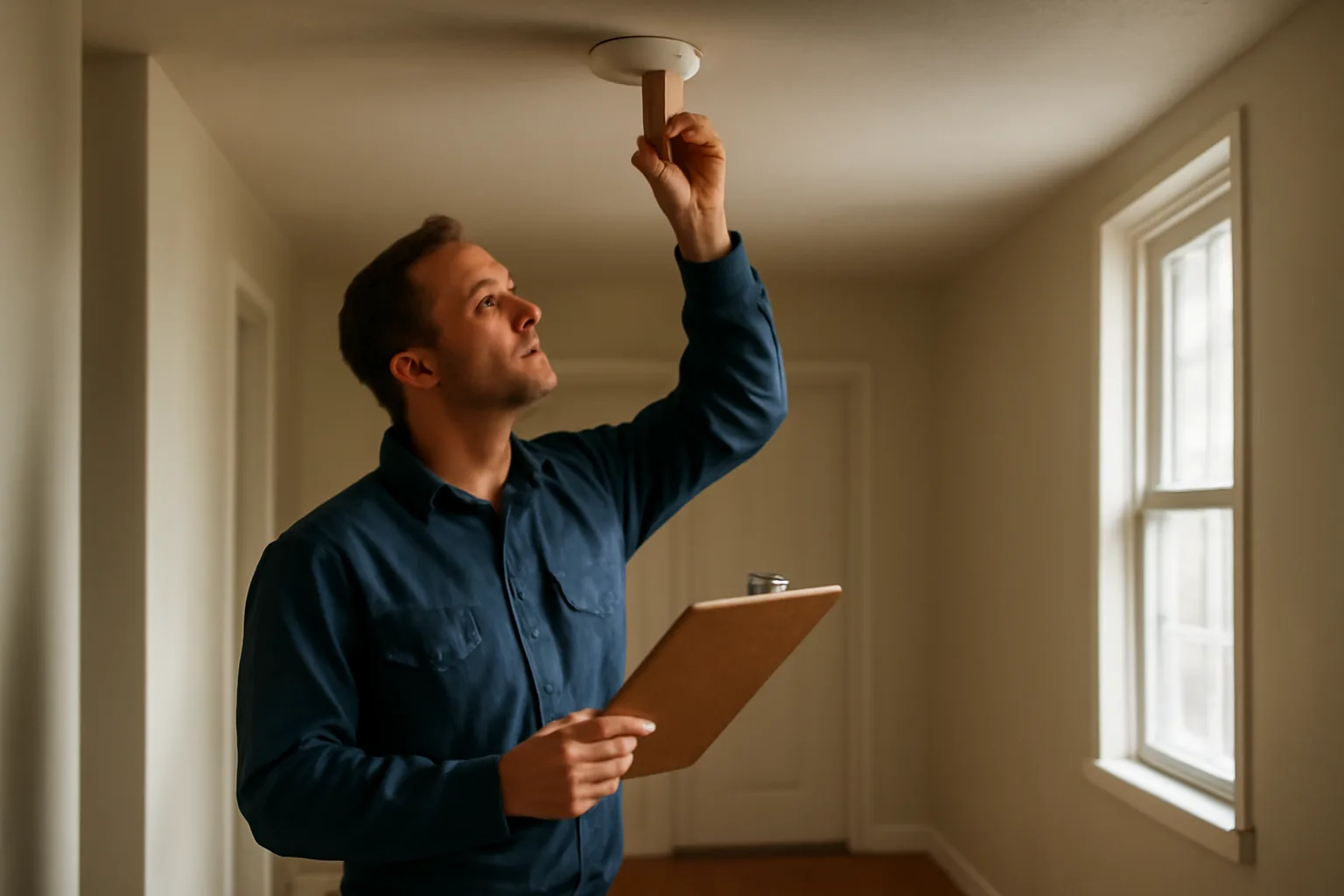
During a routine or code-compliance inspection, a landlord (or city inspector) can generally examine anything related to health, safety, and the physical condition of the unit: smoke and carbon monoxide detectors, electrical outlets and panels, plumbing fixtures, HVAC function, window and door locks, signs of pest infestation, and structural issues like water damage or mold. What they can't do is search personal belongings, closets, or drawers unrelated to the inspection's stated purpose. City rental inspection programs typically publish a checklist in advance. Minneapolis's rental license inspection checklist, for example, covers items like functioning smoke alarms in every bedroom, secure handrails, and operable windows for egress . Reviewing your city's specific checklist before the inspection date is the single best way to avoid a failed inspection and the re-inspection delay that comes with it. For landlord-conducted inspections tied to lease terms (not city code inspections), the scope is usually limited to what the lease specifies, plus general habitability and property-condition checks. Landlords generally cannot use a routine inspection as a pretext to search for evidence unrelated to the property's condition, and most states require advance written notice regardless of the inspection's purpose.
What a landlord cannot do in Ohio
Ohio landlords cannot enter a rental unit without reasonable notice (Ohio law generally treats 24 hours as reasonable, though the statute doesn't fix an exact number for every situation), cannot shut off utilities or change the locks to force a tenant out (self-help eviction is illegal), and cannot retaliate against a tenant for reporting a code violation or exercising a legal right. Ohio Revised Code Section 5321.04 lays out landlord obligations, including keeping the premises in compliance with building, health, and safety codes and maintaining common areas in a safe condition . Ohio Revised Code Section 5321.02 specifically prohibits retaliatory conduct, such as raising rent, decreasing services, or filing eviction, in response to a tenant's good-faith complaint to a government agency about a code violation . Ohio landlords also cannot skip the legal eviction process. Ohio law requires proper notice (commonly a three-day notice to vacate for nonpayment or lease violation, under Ohio Revised Code Section 1923.02) and a court filing before removing a tenant; landlords cannot simply remove belongings, change locks, or shut off power to force someone out . Violating these rules can expose a landlord to tenant lawsuits for damages on top of losing the eviction case outright.
What actually slows down a landlord license application?
Beyond the inspection queue itself, four things commonly stall an otherwise straightforward license application. First, incomplete ownership documentation. If the property recently changed hands or is held in an LLC or trust, cities often ask for extra paperwork proving who the responsible party is, and that can take a week or two to track down if you don't have it ready. Second, unresolved prior violations. If the previous owner left an open code violation on record, many cities won't issue a new license until it's cleared, even if you had nothing to do with it. Third, missing local agent designation. Out-of-state or absentee owners are frequently required to name a local property manager or agent who can respond within a set number of hours (commonly 24 to 48) if there's an emergency. Skipping this field is a common reason applications bounce back. Fourth, seasonal inspection backlog. Spring and summer see the most lease turnovers and the most new license applications, so inspection wait times commonly stretch during these months even in cities that otherwise process quickly. If you can apply in the off-season (late fall or winter), you'll usually get a faster slot.
Frequently asked questions
How long does it take to get a landlord license in most cities?
Most cities issue a license in 2 to 6 weeks when no inspection is required and the application is complete. Add a mandatory pre-license inspection and the range stretches to 6 to 12 weeks, longer if the unit fails inspection and needs repairs before a re-inspection. Confirm actual current processing times with your city rental licensing office.
Do all cities require a landlord license?
No. Rental licensing is set at the city or county level, not federally, so requirements vary enormously. Some cities have no registration requirement at all, others require annual licensing plus inspection. Check with your specific city or county's rental licensing or code enforcement office to confirm.
What documents do I need to apply for a landlord license?
Commonly required: proof of property ownership (deed or title), a certificate of occupancy if applicable, proof of insurance, a local agent designation if you live out of area, and the completed application with fee payment. Exact requirements vary by city, so confirm the full list with your local licensing office before submitting.
Can I rent out my property while my license application is pending?
This depends entirely on your city's ordinance. Some cities allow renting during the application review period; others prohibit occupancy until the license or inspection is complete and issue fines for renting unlicensed. Confirm this specific point with your city rental licensing office before signing a new lease.
What happens if my rental property fails the licensing inspection?
You typically receive a written list of violations with a deadline to fix them, then schedule a re-inspection. Re-inspection can add several weeks to a few months to your timeline depending on the repair scope and how backed up the city's inspection schedule is at that time.
Who is responsible for a rental property walk-through inspection in California?
The landlord is responsible for scheduling any city-mandated code compliance inspection and for conducting the move-out walk-through tied to the security deposit. Under California Civil Code Section 1950.5, tenants can request an initial move-out inspection with at least 48 hours' notice from the landlord before the final deposit accounting.
What rights do tenants have without a written lease?
Tenants without a written lease still have full state-law tenant protections: the right to habitable housing, protection from illegal lockouts, and required notice before rent changes or eviction. The arrangement typically defaults to a month-to-month tenancy under state law, with standard notice periods still applying.
Why do landlords require renters insurance?
Landlord insurance policies generally don't cover a tenant's personal belongings or a tenant's liability for causing damage or injury. Requiring renters insurance shifts that risk to the tenant's own policy and reduces disputes over who pays after a fire, flood, or injury in the unit.
How much notice does a landlord have to give before entering a unit?
Most states require 24 to 48 hours' advance notice for non-emergency entry. California presumes 24 hours is reasonable under Civil Code Section 1954. Exact requirements vary by state, so check your specific state's landlord-tenant statute rather than assuming a national standard applies.
What can a landlord look at during a routine inspection?
Inspectors and landlords can generally check smoke detectors, electrical panels, plumbing, HVAC, window and door locks, and signs of structural damage, mold, or pests. They cannot search personal belongings or use the inspection as a pretext for anything unrelated to the property's condition and safety.
What can't a landlord do in Ohio?
Ohio landlords can't enter without reasonable notice, can't shut off utilities or change locks to force a tenant out, and can't retaliate against a tenant for reporting a code violation, per Ohio Revised Code Sections 5321.02 and 5321.04. They also can't skip the formal eviction process through the courts.
How do I become a landlord if I've never rented out property before?
Confirm whether your city or county requires rental registration or licensing, check zoning rules for rental use, gather ownership and insurance documents, and budget for a possible inspection. First-time applicants sometimes face extra verification steps, so start the application at least 60 to 90 days before you plan to list the unit.
Does a landlord license expire and need renewal?
Yes, in nearly every city that requires one. Terms commonly run one to two years. Missing a renewal deadline can trigger late fees or force you to restart the full application and inspection process in some cities, so calendar your renewal date as soon as you receive the license.
Sources
- HUD, Landlord Resources: Landlording includes ongoing habitability and fair housing compliance responsibilities
- California Civil Code Section 1941.1: California defines specific habitability requirements including waterproofing, plumbing, and heating standards
- California Civil Code Section 1950.5: Tenants can request an initial move-out inspection with at least 48 hours' notice before deposit deductions
- California Civil Code Section 1954: California presumes 24 hours notice is reasonable for landlord entry absent emergency
- Ohio Revised Code Section 5321.04: Ohio landlords must maintain premises in compliance with health and safety codes and keep common areas safe
- Ohio Revised Code Section 5321.02: Ohio law prohibits retaliatory landlord conduct against tenants who file good-faith code complaints
- Ohio Revised Code Section 1923.02: Ohio requires proper notice and court filing before eviction; landlords cannot self-help evict