Last updated 2026-07-26
TL;DR
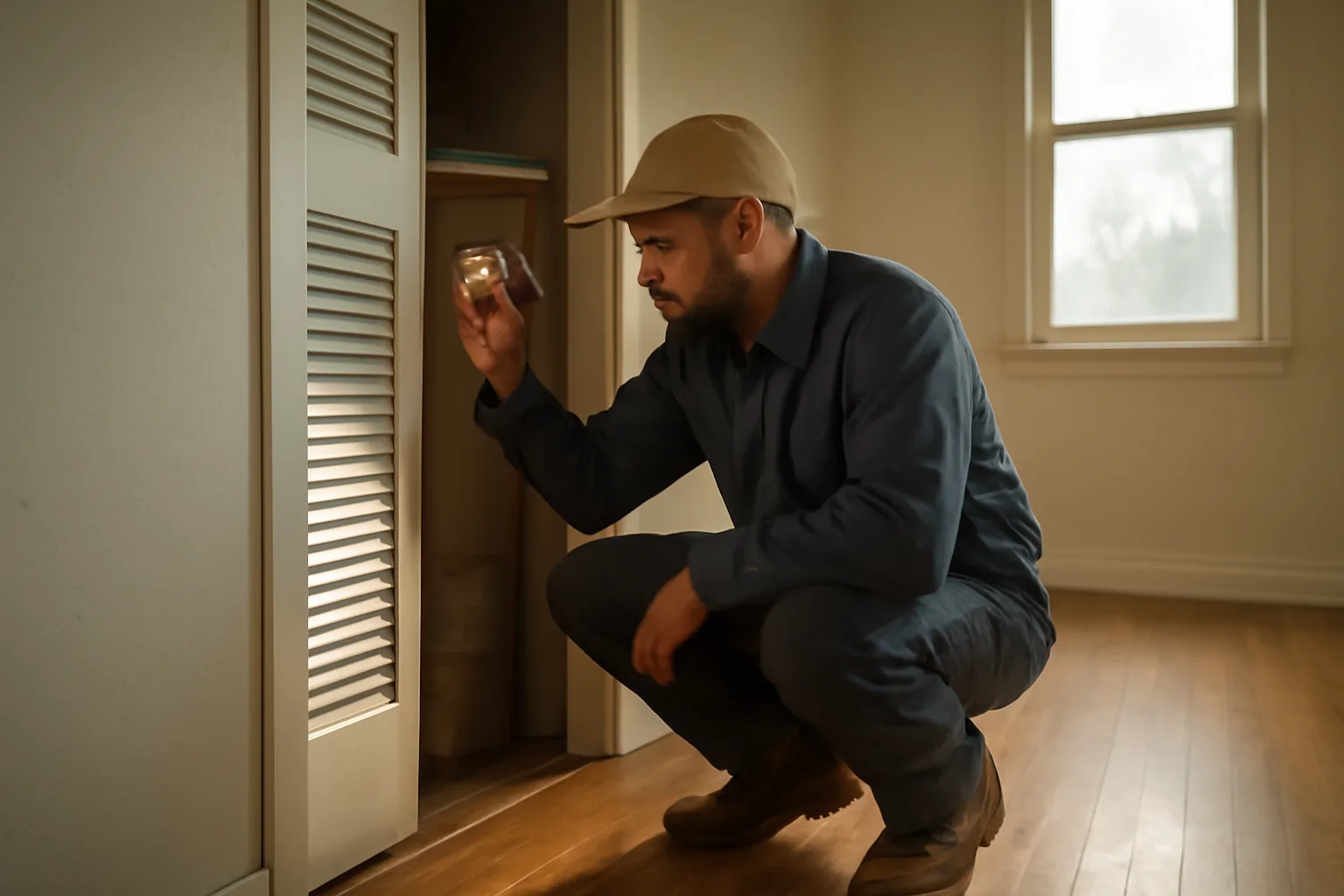
A rental property inspection means checking room by room for safety, code, and lease compliance, usually with 24-48 hours notice depending on your state. You need a written checklist, photos with timestamps, and a copy left with the tenant. City-licensed rentals often add a government inspector on top of your own walkthrough.
what is a landlord, and what does landlording actually mean day to day
A landlord is the owner (or the owner's authorized agent) who rents real property to someone else in exchange for payment, under a lease or rental agreement. That's the legal definition, but it undersells the job. "Landlording" is the ongoing work of running that rental: collecting rent, handling repairs, keeping the unit habitable, following your state's landlord-tenant statute, and, if your city requires it, keeping a rental license or registration current. Most of that work is invisible until something breaks. A furnace dies in January. A tenant stops paying. The city sends a notice that your rental license lapsed. Landlording is really risk management with a side of maintenance, and inspections are the main tool you have for catching problems before they turn into five-figure repairs or code violations. If you own one duplex, you're doing all of this yourself. If you own ten units, you might have a property manager, but you're still the one whose name is on the license and who eats the fine if an inspection fails. Either way, understanding what an inspection is supposed to accomplish, and doing it on a schedule, is one of the cheapest forms of insurance you'll ever buy.
how to become a landlord (the short version)
Becoming a landlord has three real steps: get a legal way to rent out property (own it, or have authority to sublease under your own lease), meet your state's minimum habitability and safety standards, and register or license the rental if your city or state requires it. There's no license exam for landlording itself in most of the country, but that doesn't mean it's unregulated. First, check your state's landlord-tenant law. Every state has one, and it sets baseline rules: how much notice you owe tenants before entry, how security deposits get handled, what "habitable" means. California's is the Civil Code chapter on hiring of real property, sections 1940 to 1954.1 [1]. Ohio's is Revised Code Chapter 5321 [2]. Second, check whether your city runs a rental licensing or registration program. A growing number of cities, particularly in the Midwest and parts of California, require landlords to register every rental unit and pass a periodic inspection before they can legally lease it. Confirm the specific program, fee, and inspection cycle with your city rental licensing office, because these details change often and vary block by block in some metro areas. Third, get your paperwork in order: a lease that matches your state's required disclosures, a system for security deposits, and a maintenance and inspection routine. That last piece is what this article covers.
who is responsible for a rental property walk-through inspection in california
In California, the landlord (or their property manager) is responsible for conducting move-in and move-out walk-through inspections, and the tenant has a right to participate. California Civil Code section 1950.5(f) gives tenants the right to request an "initial inspection" before move-out, done no earlier than two weeks before the tenancy ends, so they can fix deficiencies before the landlord assesses deposit deductions [1]. The law requires the landlord to give the tenant at least 48 hours' written notice of the date and time of that initial move-out inspection, unless the tenant waives that notice [1]. After the inspection, the landlord must give the tenant an itemized statement of what needs repair or cleaning to avoid a deduction. That's specifically a deposit-related walkthrough, distinct from routine maintenance inspections or city-required rental inspections, which have their own notice rules under Civil Code 1954. For an ordinary (non-move-out) entry to inspect, repair, or show the unit, California Civil Code section 1954 requires "reasonable notice," which the statute presumes to be 24 hours in writing, and entry has to happen during normal business hours [3]. So the short answer: the landlord runs the walkthrough, but California law gives the tenant real rights to be there, get notice, and get a heads-up on any deductions before they happen.
how much notice does a landlord have to give before an inspection
Most states require 24 to 48 hours of advance notice before a landlord enters a rental unit for a non-emergency inspection, but the exact number and the acceptable delivery method (written vs. verbal, posted vs. mailed) varies by state, so check your own statute rather than assuming. A few real examples: California presumes 24 hours' written notice is reasonable for routine entry under Civil Code 1954 [3]. Ohio's landlord-tenant law, at Revised Code 5321.04(A)(8), also requires "reasonable notice," and separately, section 5321.05(B) says a landlord who wants to enter for inspection, repairs, or to show the unit must give the tenant reasonable notice and enter only at reasonable times [2]. Florida's statute (Fla. Stat. 83.53) sets 12 hours as presumptively reasonable notice for inspections tied to necessary repair work [4]. The practical rule: give notice in writing, give at least 24 hours whenever your state allows something shorter, and keep a copy or a sent-text timestamp. If your city has a mandatory rental inspection program, that inspection is often scheduled with the tenant and landlord both notified by the city directly, sometimes with 7 to 30 days' lead time depending on the jurisdiction, so also confirm the notice window with your city rental licensing office. Emergencies are the one universal exception. A burst pipe, a gas leak, a fire, anything threatening life or property lets a landlord enter without advance notice in essentially every state. That exception is narrow. "I was worried about the carpet" isn't an emergency.
what can a landlord look at during a rental inspection
| Smoke/CO detectors | Present, tested, battery or hardwired, not painted over | |
|---|---|---|
| Plumbing | Under sinks, water heater, toilet base, visible leaks or rust | |
| Electrical | Outlet covers, GFCI in kitchen/bath, no visible wire damage | |
| HVAC | Filter condition, thermostat function, vents unblocked | |
| Windows/doors | Locks work, no broken glass, weatherstripping intact | |
| Exterior | Gutters, siding, steps/railings, exterior lighting | |
| Pest/moisture | Droppings, mold spots, water stains on ceiling | |
| Lease compliance | Unauthorized occupants, pets, unpermitted alterations | What a landlord should not do: rifle through drawers, closets, or personal papers; take photos of the tenant's belongings beyond what's needed to document damage or a hazard; show up without the legally required notice; or use the inspection to intimidate a tenant who recently complained to code enforcement (that can trigger a retaliation claim in most states, including under Ohio Revised Code 5321.02 [2] and California Civil Code 1942.5). If your city requires a licensing inspection, the inspector is usually checking a narrower, code-specific list: working smoke and CO alarms, egress windows in bedrooms, handrails, electrical panel labeling, and whether the unit matches its permitted occupancy and use. That inspector generally has authority the ordinary landlord walkthrough doesn't, because it's backed by the municipal code, more than the lease. |
A landlord can look at anything related to the condition, safety, and lease compliance of the unit: smoke and carbon monoxide detectors, plumbing and signs of leaks, electrical outlets and panel condition, HVAC function, window and door locks, signs of pest activity, mold or moisture, and whether the tenant is keeping unauthorized occupants, pets, or subletters that violate the lease. A landlord generally cannot search closed personal belongings, drawers, or containers, and cannot use the inspection as pretext to harass a tenant or retaliate against one who filed a complaint. Here's a practical room-by-room checklist landlords actually use: | Area | What to check |
what a landlord cannot do in ohio
Ohio Revised Code Chapter 5321 spells out several things a landlord cannot do, and they come up constantly around inspection and entry disputes. A landlord cannot enter the rental unit without reasonable notice and without entering at a reasonable time, except in an emergency, under ORC 5321.04 and 5321.05 [2]. A landlord cannot use self-help eviction, meaning no shutting off utilities, changing locks, or removing a tenant's belongings to force them out, even if rent is unpaid. Ohio requires going through the eviction (forcible entry and detainer) process in court. Ohio Revised Code 5321.02 also bars a landlord from retaliating against a tenant who has complained to a government agency about a building, housing, or health code violation, complained to the landlord, or joined a tenant organization. Retaliation is defined broadly enough to include raising rent, decreasing services, or threatening eviction shortly after that kind of complaint, and the tenant can raise it as a defense in an eviction case [2]. Ohio landlords also can't waive their statutory duty to keep the unit fit and habitable, under ORC 5321.04, which requires compliance with building and housing codes, keeping common areas safe, keeping plumbing, electrical, and heating in good working order, and supplying running water and reasonable heat [2]. A lease clause that tries to sign away those duties generally won't hold up. Bottom line for Ohio landlords: give notice, don't self-help evict, don't retaliate, and don't skip on habitability just because a tenant is behind on rent. Rent nonpayment gets handled through the court process, not by locking someone out.
what rights do tenants have without a lease
A tenant without a written lease, sometimes called a tenant-at-will or a month-to-month tenant, still has almost all the same legal protections as a tenant with a signed lease. The absence of a written lease does not strip away a tenant's right to habitable housing, protection from illegal lockout or self-help eviction, notice before entry, or notice before the tenancy ends. What changes without a written lease is mostly around term length and proof. A month-to-month tenancy (verbal or informal) can usually be ended by either party with statutory notice, commonly 30 days, though some states or cities require longer for tenants who've lived there a long time, and some rent-controlled or just-cause cities require a specific legal reason to end the tenancy at all. Habitability duties, security deposit rules, and anti-retaliation protections under state law typically apply regardless of whether there's a signed lease, because those obligations come from statute, more than the private contract. A verbal lease can still be enforceable in many states for month-to-month terms, though proving its exact terms (rent amount, what's included) gets harder without anything in writing. If you're a landlord operating without written leases, that's a real liability gap: get something in writing, even a short month-to-month agreement, so both sides have a record of rent amount, due date, and who's responsible for what.
why do landlords require renters insurance
Landlords require renters insurance mainly to shift liability for the tenant's own belongings and for tenant-caused damage or injury away from the landlord's own policy. A landlord's insurance (often called a dwelling or fire policy) generally covers the building structure, not the tenant's furniture, electronics, or clothes, and it often doesn't cover a lawsuit stemming from the tenant's dog bite or a guest injury inside the unit. Renters insurance typically runs $15 to $30 a month for a standard policy with $20,000 to $30,000 of personal property coverage and liability coverage, though actual pricing depends on the state, coverage amount, and provider; the Insurance Information Institute tracks industry-wide renters insurance cost data and confirms it remains one of the cheaper insurance products available [5]. Requiring it protects the landlord in a few concrete ways: it reduces the odds a tenant sues the landlord after a fire or water damage claim for their own losses, it often includes liability coverage that pays out if the tenant's negligence causes damage to the building, and some landlord insurance carriers give a discount or reduced deductible when tenants carry their own policy. Many states allow landlords to require renters insurance as a lease condition, and some cities go further. It's generally enforceable as long as the required coverage amount is reasonable and disclosed in the lease. If you require it, put the minimum coverage amount and proof-of-insurance deadline in writing and check for it at move-in and at renewal, more than once.
how often should a landlord inspect a rental property
Most landlords who self-manage inspect every 6 to 12 months outside of any city-mandated inspection cycle, plus a move-in and move-out walkthrough for every tenant turnover. That's not a legal requirement in most places, it's just the interval that catches slow leaks, HVAC neglect, and lease violations before they become expensive. If your city runs a rental licensing program, the inspection cycle is often set by ordinance, commonly every 1 to 3 years for a routine renewal inspection, though this varies enormously by city and sometimes by the age or violation history of the property. Confirm your specific inspection cycle, renewal fee, and reinspection fee with your city rental licensing office, since these get updated by city council on their own schedule and aren't standardized nationally. A reasonable cadence for most small landlords: - Move-in inspection: always, with photos and a signed condition report
- Mid-lease check: once a year, or every 6 months for higher-risk units (older buildings, tenants with pets, ground-floor units prone to moisture)
- Move-out inspection: always, tied to your state's deposit-return deadline
- City licensing inspection: whatever cycle your ordinance sets If you're prepping for a city inspection specifically, doing your own walkthrough two to four weeks ahead using the same checklist the city inspector will use (usually posted on the city's housing or building department page) catches most of the fixable violations, smoke detectors, handrails, missing GFCI outlets, before the inspector does. That's the exact gap the City Rental License & Inspection Prep Packet is built to close: a $79 one-time packet that walks you through what your specific city's inspection usually checks so you're not guessing.
how to document a rental inspection so it holds up
Documentation is what turns an inspection from a memory into evidence. At minimum, every inspection should produce a dated, written checklist, timestamped photos of each room, and a copy given or sent to the tenant within a reasonable time. Use the same checklist format every time (a template, not a fresh list each visit) so year-over-year comparisons are easy and you can show a consistent process if a dispute ever lands in small claims court. Photograph every wall, floor, and fixture, more than problem areas, since "before" photos protect you as much as "after" photos do. Note the date, time, who was present, and get a signature or at least an emailed acknowledgment from the tenant when possible. For move-out inspections specifically, California requires the itemized statement of proposed repairs or deductions to be given to the tenant at the initial inspection (Civil Code 1950.5(f)) [1], and most states require the final accounting of any deposit deductions, with receipts, within a set window after move-out, commonly 14 to 30 days depending on the state. Keep those records for at least as long as your state's statute of limitations on a security deposit dispute, often 2 to 6 years. If you manage more than a couple of units, a simple spreadsheet or property management app beats paper. What matters isn't the tool, it's that every inspection leaves a paper trail you can hand to a court, an insurance adjuster, or a city inspector without scrambling to reconstruct it later.
Frequently asked questions
How to become a landlord with just one rental unit?
Own or lease the property legally, confirm your state's landlord-tenant law and any local rental licensing requirement, get a written lease that matches state disclosure rules, and set up a system for deposits, maintenance requests, and inspections. Many cities require registering a single rental unit even if you only own one, so check with your city's rental licensing office before advertising it.
Who is responsible for a rental property walk-through inspection in California?
The landlord or their property manager runs the walkthrough, but California Civil Code 1950.5(f) gives tenants the right to request a pre-move-out inspection and get 48 hours' written notice of it, plus an itemized list of proposed deductions before the tenancy ends.
What is landlording, in plain terms?
Landlording is the ongoing job of owning and renting out property: collecting rent, keeping the unit habitable, handling repairs, following your state's landlord-tenant statute, and maintaining any required city rental license or registration. It's less about the lease signing and more about the maintenance and compliance work that happens after.
What is a landlord, legally?
A landlord is the owner of real property, or their authorized agent, who rents that property to a tenant in exchange for payment under a lease or rental agreement. The term applies whether you own one rental unit or a hundred, and whether you self-manage or use a property manager.
What rights do tenants have without a lease?
A tenant without a written lease still generally has the right to habitable housing, protection from illegal lockout, notice before entry, and notice before the tenancy ends, since those rights come from state statute, not the lease itself. What's harder to prove without writing is the exact rent amount and terms, so get something in writing even if it's brief.
How to be a landlord without making rookie mistakes?
Put everything in writing (lease, notices, inspection records), learn your state's notice and habitability rules before you need them, don't skip the rental license or registration if your city requires one, and inspect on a regular schedule instead of only reacting to complaints. Most rookie landlord mistakes are process failures, not bad luck.
Why do landlords require renters insurance?
Renters insurance covers the tenant's own belongings and often includes liability coverage, which protects the landlord from lawsuits over the tenant's damaged property or injuries the tenant's negligence causes. It typically costs $15 to $30 a month, according to Insurance Information Institute data, making it a cheap way to shift risk off the landlord's own policy.
How much notice does a landlord have to give before an inspection?
Most states require 24 to 48 hours of written notice for routine inspections; California presumes 24 hours reasonable under Civil Code 1954, Florida sets 12 hours for repair-related entry under statute 83.53. Check your specific state, since the number and required delivery method both vary.
What can a landlord look at during an inspection?
A landlord can check smoke and CO detectors, plumbing, electrical outlets, HVAC condition, window and door locks, pest or moisture signs, and lease compliance like unauthorized occupants or pets. A landlord generally cannot search closed drawers, personal containers, or private papers during a routine inspection.
What a landlord cannot do in Ohio?
Under Ohio Revised Code Chapter 5321, a landlord cannot enter without reasonable notice, cannot use self-help eviction (lockouts, utility shutoffs), cannot retaliate against a tenant who filed a code complaint, and cannot waive the statutory duty to keep the unit habitable, even in the lease.
Can a tenant refuse a landlord's inspection?
A tenant generally cannot refuse a lawful inspection that meets the state's notice and timing requirements, but they can object to entry that lacks proper notice, happens at an unreasonable hour, or seems retaliatory. If a tenant repeatedly refuses reasonable, properly noticed entry, that itself can become a lease violation in many states.
Do city rental inspections replace the landlord's own inspection?
No. A city licensing inspection checks code compliance items like smoke alarms, egress, and electrical safety on whatever cycle the local ordinance sets, often every 1 to 3 years. A landlord's own routine walkthrough should still happen more often to catch maintenance issues and lease violations between city inspection cycles.
What happens if a rental property fails its city inspection?
Consequences vary by city but commonly include a re-inspection deadline (often 30 to 90 days), a reinspection fee, and in repeat cases fines or a hold on the rental license renewal. Confirm the exact reinspection fee and fine schedule with your city rental licensing office, since these figures differ significantly between cities.
Sources
- California Civil Code Section 1950.5: California tenant's right to a pre-move-out inspection with 48 hours notice and itemized deduction statement
- Ohio Revised Code Chapter 5321: Ohio landlord entry notice requirements, habitability duties, and anti-retaliation protections
- California Civil Code Section 1954: California presumes 24 hours written notice reasonable for routine landlord entry
- Florida Statutes Section 83.53: Florida presumes 12 hours notice reasonable for entry related to necessary repairs
- Insurance Information Institute, Renters Insurance: Renters insurance is one of the cheaper insurance products and typically low monthly cost with personal property and liability coverage
- California Civil Code Section 1942.5: California's anti-retaliation protection barring landlords from punishing tenants who complain about habitability or code violations