Last updated 2026-07-26
TL;DR
No law names "PAT testing" specifically, in the UK or the US. UK landlords must keep electrical appliances safe under the Electrical Safety Standards Regulations 2020, and PAT testing is the accepted way to prove it. US landlords have no PAT requirement at all; habitability and building codes cover electrical safety instead, and enforcement is local.
is pat testing a legal requirement for landlords?
Not by that exact name. PAT (Portable Appliance Testing) is an inspection method, not a statute. No law in England, Wales, Scotland, or any US state says "you must PAT test." What the law actually says, in England, is that landlords must ensure electrical installations are safe throughout a tenancy, under the Electrical Safety Standards in the Private Rented Sector (England) Regulations 2020. Those regulations require a qualified person to inspect the fixed electrical installation at least every 5 years, and landlords must give tenants a copy of the report [1]. PAT testing covers something different: portable appliances the landlord supplies, like a fridge, microwave, or lamp that comes with a furnished rental. The government's own guidance is blunt about this: "There is no legal requirement for landlords to have the electrical appliances they supply tested by a competent person, but the government strongly recommends this as a means for landlords to be able to demonstrate that they are complying with their legal duties" under the Electrical Equipment (Safety) Regulations 1994. So PAT testing itself is voluntary. The underlying duty to supply safe appliances is not. In the US, there is no PAT testing concept in law at all. Landlords are bound by state and local habitability statutes and building/electrical codes, which require working, safe electrical systems but don't specify a testing method or interval. If you're renting in a US city with mandatory licensing, the electrical safety check usually happens as part of the rental inspection tied to your license renewal, not as a standalone PAT program.
what exactly does pat testing check, and when is it actually required?
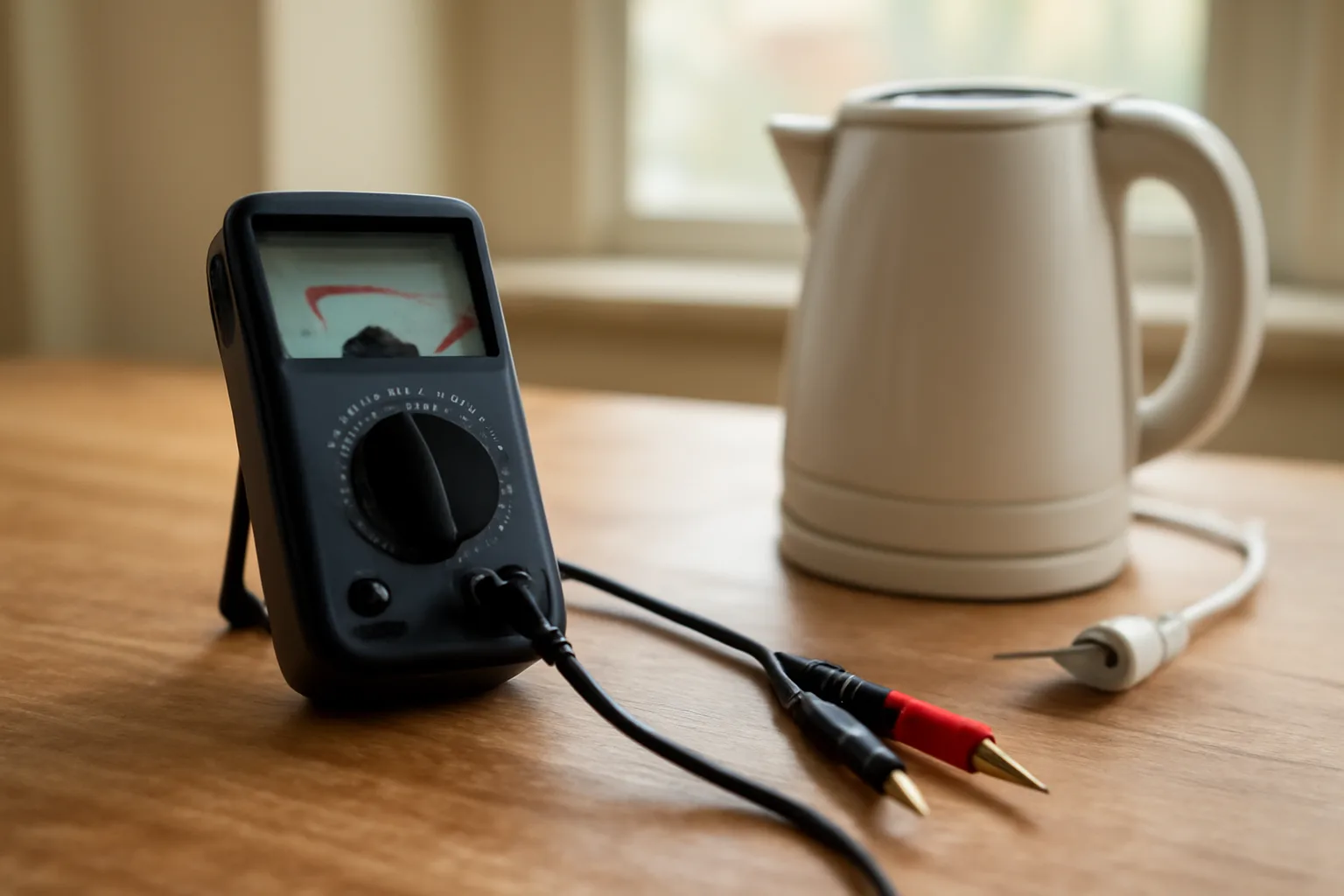
PAT testing checks portable electrical appliances (things with a plug, not wired into the wall) for basic safety faults: damaged cords, exposed wiring, earth continuity problems, insulation breakdown. A tester runs a visual check plus, for Class I appliances, an earth continuity and insulation resistance test with a handheld PAT meter. It becomes a practical necessity in specific situations, even without a direct legal mandate. If you let a furnished property in England and supply appliances (kettle, washing machine, toaster, space heater), the Electrical Equipment (Safety) Regulations 1994 require those appliances to be safe when supplied. HMOs (Houses in Multiple Occupation) get closer to a hard requirement: many local authorities write PAT testing into HMO licence conditions as a condition of granting or renewing the licence, even though the national regulations don't name it directly. Check your specific HMO licence conditions, since councils vary a lot here. For unfurnished single-family lets in the UK with no supplied appliances, PAT testing is close to irrelevant, since there's nothing to test. The fixed wiring inspection (EICR) is the one that actually matters and is legally mandatory under the 2020 regulations [1]. In the US, nothing resembling PAT testing shows up in state law. What you'll find instead: local housing codes requiring outlets, switches, and fixtures to be in good working order, GFCI outlets in kitchens and bathrooms in many jurisdictions, and smoke/CO detector rules layered on top.
what happens if a UK landlord skips required electrical safety checks?
Skipping the mandatory 5-year electrical installation check (not PAT testing, the EICR) carries real financial risk in England. Local authorities can issue a remedial notice, and if a landlord doesn't fix things, the council can arrange the work itself and recover costs, or impose a civil penalty of up to £30,000 [1]. That figure comes directly from the Electrical Safety Standards in the Private Rented Sector (England) Regulations 2020 guidance published by the Ministry of Housing, Communities and Local Government. Skipping PAT testing on supplied appliances doesn't carry a specific fine, because there's no specific law to violate. But if a tenant is injured by a faulty appliance you supplied, you're exposed to a personal injury claim and a General Product Safety Regulations issue, and "we didn't test it" is a bad position to defend from. Practically, most letting agents and many insurers now expect an annual PAT test on supplied appliances as standard practice, even though it's not law. Some buy-to-let insurance policies list it as a condition for coverage on furnished properties. Check your policy wording rather than assume.
do us landlords have any electrical safety testing requirement at all?
Not PAT testing specifically. The US regulatory structure runs through habitability law and building codes instead of appliance-level electrical testing. Every state has some form of the implied warranty of habitability, requiring rental units to have safe, functioning electrical systems. States and cities layer building codes and, in mandatory-licensing municipalities, rental inspection programs on top. An inspector checking your unit for a license renewal is looking at outlet condition, GFCI presence near water sources, exposed wiring, panel access, and smoke/CO detector function, not running a PAT meter on your microwave. If you supply appliances in a furnished US rental, no federal or state law requires PAT-style testing of them. Basic due diligence (checking cords aren't frayed, appliances aren't recalled) is a landlord basics move, not a legal box to check. The Consumer Product Safety Commission maintains a recall database that's worth a five-minute check before you furnish a unit [2].
who is responsible for rental property walk through inspection in california?
In California, the landlord is generally responsible for conducting or arranging move-in and move-out walk-through inspections, and state law gives tenants specific rights around that process. Civil Code Section 1950.5 requires landlords who intend to withhold any part of a security deposit for repairs to give tenants the option of an initial inspection before move-out, so the tenant can fix issues themselves and avoid deposit deductions [3]. The landlord must give at least 48 hours written notice before that initial inspection, and the tenant can waive that notice. After the inspection, the landlord must give the tenant an itemized statement of anything that still needs fixing to avoid a deduction. This is separate from routine safety inspections a city might require under a rental licensing program; California doesn't have a statewide rental license, but individual cities do run their own inspection ordinances. For the actual walk-through, either the landlord or a property manager acting for the landlord typically conducts it. Tenants have the right to be present. Nothing in California law assigns this job to the tenant or a third party by default; it's the landlord's obligation to initiate and document it.
what is landlording, and what is a landlord, exactly?
Landlording is the ongoing work of owning and managing rental property: screening tenants, collecting rent, handling maintenance requests, complying with local licensing and inspection rules, and managing the legal relationship created by a lease. It's not a passive investment strategy, even though it gets marketed that way. It's a part-time job with legal exposure attached. A landlord, in plain terms, is the party who owns real property and leases it to another party (the tenant) in exchange for rent, taking on responsibilities defined by state landlord-tenant law and local housing codes. That includes habitability duties, security deposit handling rules, notice requirements before entry or termination, and in many cities, mandatory rental registration or licensing before you can legally collect rent at all. If you're new to this, the core duties break into four buckets: legal compliance (leases, licensing, notices), maintenance (habitability, repairs, code compliance), financial management (rent collection, deposit handling, taxes), and tenant relations (communication, fair housing compliance, conflict handling). Skipping any one of these is how landlords end up with fines, lawsuits, or both.
how to become a landlord, step by step
There's no license exam required to become a landlord in most of the US, but there's a real sequence worth following if you want to avoid an expensive first year. 1. Buy or convert a property with financing that allows rental use (owner-occupant loans often restrict this). 2. Check whether your city requires rental registration or a rental license before you can legally rent the unit out. Many cities require this before the first tenant moves in, not after. 3. Get the property inspection-ready: working smoke and CO detectors, functioning electrical and plumbing, no obvious code violations. If your city has a pre-rental inspection requirement, this step and step 2 happen together. 4. Set your lease terms and screening criteria in writing, applied consistently to every applicant to stay compliant with the Fair Housing Act [4]. 5. Get landlord insurance (different from a standard homeowner's policy) and confirm what it requires from you, including any appliance safety conditions. 6. Collect the security deposit under your state's limits and handling rules, and set up separate accounting. 7. Renew your rental license or registration on whatever cycle your city sets, often annually, and keep records of every inspection and repair. That licensing step trips up more first-time landlords than anything else. Cities like Rockford, Minneapolis, and dozens of others fine landlords who rent before registering, sometimes before the landlord even knows the requirement exists.
what rights do tenants have without a lease?
Tenants without a written lease still have real legal rights; a verbal or implied tenancy (often called tenancy at will or month-to-month) is still a legally recognized tenancy in every US state. The absence of paperwork doesn't strip protections. At minimum, a tenant without a lease is entitled to: the implied warranty of habitability (safe, livable conditions), proper notice before eviction or rent increases (governed by state statute, commonly 30 days for month-to-month tenancies), protection from illegal lockouts or utility shutoffs, and fair housing protections under federal law regardless of lease status [4]. Security deposit rules generally still apply too, since those are tied to the tenancy, not the document. What a tenant without a lease usually lacks is certainty: rent can typically be changed with proper notice more easily than under a fixed-term lease, and the tenancy can often be ended by either side with notice, rather than being locked in for a set term. Exact notice periods and rules vary heavily by state, so check your state's landlord-tenant statute rather than assume a national standard.
how much notice does a landlord have to give before entering or terminating a tenancy?
Notice requirements split into two separate questions: notice to enter the unit, and notice to end the tenancy. Both are set by state law, and there's no single national number. For entry, many states require 24 hours notice for non-emergency entry (repairs, showings, inspections), though the specific number and what counts as an emergency exception varies by state statute. Some states don't set a specific hour count at all and just require "reasonable notice." Check your state's landlord-tenant code section directly rather than relying on a generic figure, since this is one of the most-varied rules state to state. For ending a month-to-month tenancy, 30 days notice is common across many states, but some require 60 days once a tenant has lived there past a certain length (California requires 60 days notice to end a tenancy where the tenant has lived there a year or more, under Civil Code Section 1946.1) [5]. For a fixed-term lease, notice requirements typically kick in only at renewal or non-renewal, not mid-term.
what can a landlord look at during an inspection?
A landlord conducting a routine or move-in/move-out inspection can generally look at the physical condition of the unit: walls, floors, appliances, plumbing fixtures, electrical outlets and switches, smoke and CO detectors, windows, doors, and evidence of pest activity or damage beyond normal wear and tear. What a landlord generally cannot do is search personal belongings, closets full of a tenant's possessions beyond a visual check, or use an inspection as pretext for something else, like intimidation or retaliation. Most states require the inspection purpose to be legitimate (repairs, safety checks, showing the unit to prospective tenants or buyers) and require advance notice, again usually around 24 hours, though this varies by state. For code-mandated rental licensing inspections, the inspector (a city employee, not the landlord) checks against the local housing code: working smoke detectors, no exposed wiring, functioning heat, no active leaks, proper egress from bedrooms, and pest or mold issues. These inspections are usually broader in scope than a landlord's own routine check, since the city inspector is verifying code compliance for licensing purposes, more than property condition. If you're prepping for one of these, our $79 City Rental License & Inspection Prep Packet walks through the common check-list items by category so you're not guessing what the inspector will flag.
why do landlords require renters insurance?
Landlords require renters insurance mainly to shift liability and personal property risk away from themselves. A landlord's own policy covers the building structure, not a tenant's belongings, and it typically doesn't cover a tenant's liability if the tenant causes damage (a kitchen fire, an overflowing tub that damages the unit below). Renters insurance usually covers three things: the tenant's personal property against fire, theft, and certain other perils; liability if the tenant accidentally injures someone or damages the unit; and additional living expenses if the tenant has to relocate temporarily after a covered loss. Requiring it protects the landlord indirectly: if a tenant's negligence causes a fire, the tenant's liability coverage can pay for the landlord's losses instead of the landlord's own insurer eating the claim (and raising the landlord's premiums). There's no federal law requiring landlords to mandate renters insurance, but it's legal in every state to require it as a lease condition, and it's become standard practice for exactly this reason: it's cheap for the tenant (often in the range of $15 to $30 a month depending on coverage and location) and meaningfully reduces the landlord's exposure.
what a landlord cannot do in ohio
Ohio's landlord-tenant law, found in Ohio Revised Code Chapter 5321, sets specific limits on landlord behavior. A landlord in Ohio cannot shut off utilities, change the locks, or remove a tenant's belongings to force them out without going through the formal eviction process in court; this is sometimes called a "self-help eviction" and it's illegal in Ohio as in most states . Ohio landlords also cannot retaliate against a tenant for exercising a legal right, like reporting a code violation to a health or building department or joining a tenant organization, under ORC 5321.02. A landlord cannot enter the rental unit without reasonable notice, and Ohio courts have generally treated 24 hours as reasonable, though the statute itself uses the "reasonable notice" standard rather than a fixed number. Ohio landlords also can't discriminate based on the federally protected classes under the Fair Housing Act [4], can't refuse to make repairs that affect habitability once properly notified, and can't apply security deposit deductions without an itemized, written list when required. Failing to return a deposit or itemization within 30 days of lease termination can expose an Ohio landlord to damages under ORC 5321.16, including the possibility of the tenant recovering double the amount wrongfully withheld plus attorney's fees.
Frequently asked questions
is pat testing a legal requirement for landlords in the uk?
No, not directly. There's no UK law that names PAT testing as mandatory. What is mandatory is the 5-yearly electrical installation inspection (EICR) under the Electrical Safety Standards in the Private Rented Sector (England) Regulations 2020. PAT testing on supplied appliances is government-recommended, not legally required, per official guidance from the Ministry of Housing, Communities and Local Government.
do landlords need pat testing in the us?
No. PAT testing isn't a recognized concept in US landlord-tenant law. US landlords are bound by state habitability statutes and local building/electrical codes, which require safe electrical systems generally but don't specify appliance-level testing or a PAT-style method.
how often should a landlord pat test appliances?
There's no legal interval since PAT testing itself isn't legally required in the UK or US. Where landlords do it voluntarily (common for furnished UK lets and HMOs), annual testing is the widely used industry norm, and some insurers and HMO licence conditions specify annual testing as a policy or licence requirement.
who is responsible for rental property walk through inspection in california?
The landlord is responsible for initiating move-in and move-out inspections. Under California Civil Code Section 1950.5, landlords must offer tenants an initial move-out inspection with at least 48 hours notice if they intend to withhold deposit money for repairs, giving the tenant a chance to fix issues first.
how to become a landlord with no experience?
Start by checking your city's rental registration or licensing requirements before renting anything out, since many cities require this before your first tenant moves in. Then get the unit inspection-ready, set consistent screening criteria under Fair Housing Act rules, get proper landlord insurance, and learn your state's deposit and notice laws before signing a lease.
what rights do tenants have without a written lease?
Tenants without a written lease still have a legally recognized month-to-month or at-will tenancy in every state. They keep the right to a habitable unit, proper notice before eviction or rent changes (commonly 30 days, varies by state), protection from illegal lockouts, and full fair housing protections under federal law.
how much notice does a landlord have to give before entering the unit?
Most states require some form of advance notice for non-emergency entry, commonly 24 hours, though exact requirements vary by state statute and some states just require "reasonable notice" without a fixed number. Check your specific state's landlord-tenant code, since this is one of the more state-variable rules in the whole license/inspection landscape.
what can a landlord look at during a routine inspection?
A landlord can inspect the general condition of the unit: appliances, plumbing, electrical outlets, smoke and CO detectors, windows, doors, and signs of damage or pest activity. A landlord generally cannot search personal belongings or use an inspection as pretext for harassment or retaliation.
why do some landlords require renters insurance as a lease condition?
Landlords require it to shift liability risk to the tenant. A landlord's building policy doesn't cover a tenant's belongings or the tenant's liability if they cause damage, like a stove fire. Renters insurance, often $15 to $30 a month, covers the tenant's property and liability, protecting the landlord's own claims history.
what can't a landlord do in ohio?
Under Ohio Revised Code Chapter 5321, an Ohio landlord cannot perform a self-help eviction (changing locks, shutting off utilities, removing belongings) without a court order, cannot retaliate against a tenant for reporting code violations, and cannot withhold a security deposit without an itemized statement within 30 days of lease termination.
is pat testing required for hmo landlords in the uk?
Not under national law directly, but many local authorities write PAT testing into HMO licence conditions as part of the licence approval, since the national regulations don't name it but councils have discretion to add safety conditions. Check your specific HMO licence conditions with your local council, since requirements vary by authority.
what happens if a uk landlord skips the mandatory electrical safety inspection?
Local authorities can issue a remedial notice, arrange the repair work themselves and bill the landlord, and impose a civil penalty of up to £30,000 under the Electrical Safety Standards in the Private Rented Sector (England) Regulations 2020 guidance from the Ministry of Housing, Communities and Local Government.
Sources
- UK Ministry of Housing, Communities and Local Government, Electrical Safety Standards in the Private Rented Sector (England) Regulations 2020 guidance: 5-year electrical installation inspection requirement and civil penalty up to £30,000
- California Legislative Information, Civil Code Section 1950.5: 48-hour notice requirement for initial move-out inspection and itemized deduction statement
- U.S. Department of Housing and Urban Development, Fair Housing Act overview: Federal fair housing protections apply regardless of lease status
- California Legislative Information, Civil Code Section 1946.1: 60-day notice requirement to end a tenancy of one year or more in California
- Ohio Legislative Service Commission, Ohio Revised Code Chapter 5321: Prohibition on self-help eviction, retaliation, and security deposit itemization rules for Ohio landlords