Last updated 2026-07-26
TL;DR
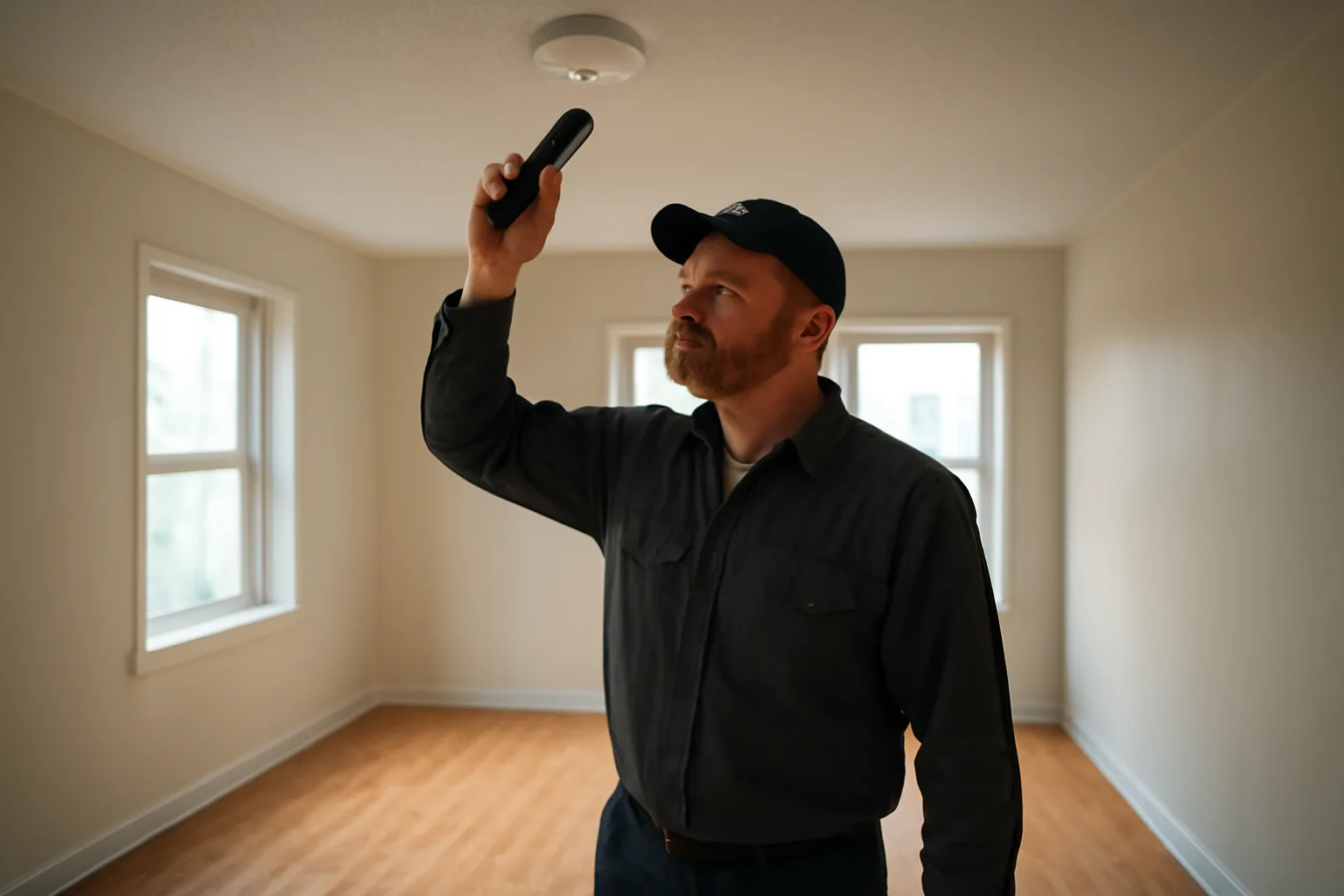
A landlord inspection can cover safety systems, general condition, and lease compliance, but not a tenant's personal belongings without consent. Most states require 24 to 48 hours notice for non-emergency entry. Rules vary by state and city, so always confirm specifics with your local rental licensing office or state landlord-tenant statute before you schedule one.
What is landlording, and what does a landlord actually do?
Landlording is the business of owning and managing rental property in exchange for rent. It covers everything from screening tenants and collecting rent to handling repairs, filing taxes on rental income, and keeping the property compliant with local housing codes. Some landlords self-manage one duplex. Others own ten units and still do it all themselves nights and weekends. A landlord, legally, is the party who holds title (or a master lease) and grants a tenant the right to occupy a unit under a lease or rental agreement. That relationship creates duties on both sides: the landlord has to maintain habitable conditions, and the tenant has to pay rent and follow the lease terms. State landlord-tenant statutes spell out the specifics, and they differ a lot. Ohio's landlord-tenant law, for example, is codified in Ohio Revised Code Chapter 5321, which lays out obligations for both parties [1]. If you're brand new to this, the job breaks into rough categories: compliance (licenses, registrations, inspections), operations (rent collection, maintenance, tenant communication), and legal exposure (leases, notices, evictions done correctly). Skipping the compliance piece is the most common rookie mistake, especially in cities that require a rental license or registration before you can legally rent a unit at all.
How do you become a landlord, step by step?
Becoming a landlord starts before you ever sign a lease with a tenant. You need to know what your city and state require, get the property compliant, and understand your legal duties. Here's the rough order most people follow: 1. Confirm zoning allows rental use for your property type (single-family, duplex, accessory unit). 2. Check whether your city requires a rental license, registration, or inspection. Many cities do, and requirements vary widely by jurisdiction, so confirm with your city rental licensing office before you list the unit. 3. Get the unit inspection-ready: working smoke and carbon monoxide detectors, functioning locks, no code violations on record. 4. Secure landlord insurance (a standard homeowners policy usually doesn't cover a rental you no longer occupy). 5. Set your rent based on local comps and, in rent-controlled cities, any legal caps. 6. Write a lease that complies with your state's landlord-tenant statute. 7. Screen tenants consistently and in compliance with the Fair Housing Act, which bars discrimination based on race, color, national origin, religion, sex, familial status, or disability [2]. 8. Collect security deposit within your state's legal limit and hold it per your state's rules on deposit accounts. Most of this is paperwork and follow-through, not mystery. The part that trips people up is city-specific licensing, because it's the one step that's genuinely different everywhere. If you're managing that process for the first time, a structured rental packet builder that walks through your city's checklist can save you a few wasted trips to city hall.
Who is responsible for a rental property walk-through inspection in California?
In California, the landlord is generally responsible for conducting move-in and move-out walk-through inspections, and state law gives tenants specific rights around that process. California Civil Code Section 1950.5 requires landlords to offer tenants a pre-move-out inspection (an 'initial inspection') if the tenant is vacating, giving the tenant a chance to fix issues before final deposit deductions are calculated [3]. The law states landlords must give 'reasonable notice of not less than 48 hours' before that initial inspection unless the tenant waives the notice, and the tenant has the right to be present [3]. After the walk-through, the landlord must give the tenant an itemized statement of any suggested repairs or cleaning needed to avoid deductions from the security deposit. This is separate from routine entry for repairs or showing the unit to prospective tenants, which falls under California Civil Code Section 1954 and generally also requires 24 hours written notice for non-emergency entry [4]. So in California specifically: the landlord initiates and conducts the inspection, but the tenant has a legal right to notice, presence, and a chance to cure problems before deposit money gets withheld.
What can a landlord look at during a rental inspection?
| Smoke/CO detectors | Personal mail | |
|---|---|---|
| Visible water damage, mold | Closed drawers/closets without cause | |
| HVAC filters, water heater | Digital devices, computers | |
| Signs of pests | Locked personal storage | |
| Unauthorized pets/tenants | Photographing personal items unnecessarily | |
| Working locks, windows | Anything unrelated to habitability or lease terms | City-mandated rental inspections (for licensing purposes) are usually narrower still: an inspector checks code-required safety items like smoke detectors, egress windows, electrical panels, and sometimes structural issues, not general cleanliness or the tenant's belongings. If your city requires periodic rental inspections as a condition of your license, get the specific checklist from your city's rental licensing office rather than guessing, because what counts as a passing item in one city can differ from the next. |
A landlord can generally check the condition of the unit, safety equipment, and compliance with the lease. That means walls, floors, appliances, plumbing, HVAC, smoke and carbon monoxide detectors, evidence of pest infestation, unauthorized alterations, and signs of lease violations like unapproved pets or occupants. What a landlord typically cannot do is search through a tenant's personal belongings, closets, drawers, or containers without a specific and reasonable purpose tied to the inspection (like checking for a hidden pet or a smoke detector that's been disabled). An inspection is not a general search. Courts and state statutes generally treat the tenant's right to quiet enjoyment as limiting the scope of entry to what's reasonably necessary. Here's a rough breakdown of what's typically in-bounds versus out-of-bounds during a routine inspection: | Generally OK to inspect | Generally off-limits |
How much notice does a landlord have to give before entering or inspecting?
Most states require 24 to 48 hours advance notice before a landlord can enter for a non-emergency reason, including a routine inspection. The exact number and the acceptable form of notice (written, posted, verbal) vary by state. California requires 24 hours notice for standard entry under Civil Code 1954, but 'not less than 48 hours' specifically for the pre-move-out initial inspection under Civil Code 1950.5 [3][4]. Ohio Revised Code 5321.04 requires landlords to give 'reasonable notice' of at least 24 hours before entering, and entry must happen at reasonable times [1]. Other states set their own standards, some as short as 24 hours, a few requiring longer. Emergencies are the exception everywhere. If there's a fire, a burst pipe, or another situation threatening health or safety, landlords generally can enter without advance notice. Outside of emergencies, showing up unannounced, even to fix something, is one of the more common ways landlords end up on the losing side of a tenant complaint or, in bad cases, a claim of harassment or illegal lockout. Because the exact notice period differs by state and sometimes by city ordinance, don't rely on a national rule of thumb for something you're about to do this week. Check your specific state's landlord-tenant statute or your city's rental code before scheduling entry.
What rights do tenants have without a signed lease?
A tenant without a signed lease still has legal protections. In most states, an oral or implied agreement to pay rent for a place to live creates a month-to-month tenancy, and the tenant gets the same basic protections as someone with a written lease: the right to habitable conditions, the right to notice before entry, and the right to proper legal process before eviction. What changes without a written lease is mostly the terms landlords can prove. Without a signed document, disputes over rent amount, who's responsible for which repairs, or move-out notice periods can come down to conflicting verbal accounts. Courts generally still enforce the tenancy itself, they just have less to go on for the specifics. Most states default an undocumented, ongoing tenancy to month-to-month status, which means either side typically must give 30 days notice to end it (some states use a different number, or tie it to the rent payment interval). Landlords still cannot evict without going through the formal court eviction process. In Ohio, for instance, even a tenant without a lease is entitled to the eviction procedures under Ohio Revised Code Chapter 5321, including proper notice and a court judgment before removal [1]. Self-help eviction (changing locks, shutting off utilities, removing belongings without a court order) is illegal in every state, lease or no lease.
Why do landlords require renters insurance?
Landlords require renters insurance mainly to shift liability risk away from their own policy and to make sure tenants can cover damage to their own belongings and any harm they cause to others. A landlord's own property insurance covers the building structure, not the tenant's personal property, and typically doesn't cover a tenant's liability if, say, a fire starts in the tenant's unit and spreads. Renters insurance policies commonly include personal property coverage, liability coverage, and additional living expense coverage if the unit becomes uninhabitable. The Insurance Information Institute notes that a standard renters policy generally covers the policyholder's personal belongings, liability protection, and loss-of-use costs [5]. Requiring it is a way for landlords to reduce the odds that they get stuck absorbing costs that should fall on the tenant or the tenant's insurer, like a kitchen fire caused by unattended cooking or a bathtub overflow that damages the unit below. Mandating renters insurance is legal in most states as a lease condition, though a few jurisdictions have specific rules about how it can be structured (for instance, whether the landlord can require the landlord be named as an 'interested party' on the policy). It's not a substitute for the landlord's own dwelling policy, and it doesn't cover the landlord's own negligence claims, but it's a cheap way to close a real gap. Typical renters insurance costs run roughly $15 to $30 a month depending on coverage limits and location, according to industry data cited by the Insurance Information Institute [5].
What can a landlord not do in Ohio?
Ohio landlords cannot use self-help eviction tactics, cannot enter without reasonable notice except in emergencies, and cannot retaliate against tenants for exercising legal rights. Ohio Revised Code 5321.04 lays out the landlord's core duties, including keeping the premises in a fit and habitable condition and complying with building and housing codes that affect health and safety [1]. Specifically, under Ohio law, a landlord cannot: - Shut off utilities (water, electricity, gas) to force a tenant out
- Change the locks or physically remove a tenant's belongings without a court order
- Enter the rental unit without giving reasonable notice, generally at least 24 hours, except in a genuine emergency (ORC 5321.04) [1]
- Retaliate against a tenant (raising rent, issuing an eviction notice, or reducing services) because the tenant reported a code violation or joined a tenant organization, under Ohio's retaliation protections in ORC 5321.02 [1]
- Discriminate based on any protected class under the federal Fair Housing Act, which applies in Ohio same as everywhere else [2] Ohio also caps and regulates how landlords must handle security deposits. Under ORC 5321.16, if a landlord wrongfully withholds a tenant's deposit, the tenant may recover damages plus reasonable attorney's fees [1]. If you're a landlord in Ohio, or expanding into Ohio from another state, read Chapter 5321 directly rather than relying on general landlord advice aimed at a different state's rules. Landlord-tenant law is state-specific, and Ohio's specifics (notice periods, deposit handling, retaliation protections) don't always match what's standard in, say, Texas or Florida.
What's the difference between a routine inspection and a rental licensing inspection?
A routine inspection is something you as the landlord schedule to check on the unit's condition or lease compliance. A rental licensing inspection is a city-mandated check, usually tied to a rental registration or license requirement, done by a city inspector rather than the landlord. City licensing inspections typically focus on code compliance: smoke detectors, carbon monoxide detectors where required, egress windows, electrical panel condition, handrails, and sometimes exterior conditions like peeling paint or unsafe steps. They're pass/fail against a specific municipal code, not a general condition assessment. A unit can be perfectly livable and still fail a licensing inspection over something narrow, like a missing CO detector in a required location. The two processes also differ on who shows up and what the consequences are. Fail a routine inspection you did yourself, and the fix is between you and the tenant, maybe a lease enforcement letter. Fail a city rental inspection, and you typically get a re-inspection deadline and, if you miss it, a fine or a hold on your license renewal. Fine amounts and re-inspection windows vary widely by city, so confirm the specific numbers with your city's rental licensing office rather than assuming your neighboring city's rules apply to you. If you've gotten an ordinance notice or a violation letter and aren't sure what triggered it, a rental packet builder built around your city's specific checklist is a faster way to get the unit inspection-ready than guessing item by item. It's a one-time $79 tool, not a subscription, and it's meant for landlords prepping for one specific inspection cycle, not an ongoing compliance service.
What happens if you get a violation notice or fail an inspection?
Most cities give you a re-inspection window, typically somewhere between 10 and 60 days depending on the jurisdiction and the severity of the violation, before fines or license action kick in. The letter you get should state the specific code section violated, the required fix, and the deadline. Read it carefully. Vague notices ('unsafe condition') should still cite a code section; if yours doesn't, you can usually call the inspector's office and ask for the specific citation. Fines for missed deadlines vary enormously by city, from small daily accruals to flat penalties in the hundreds of dollars, and repeat violations often escalate faster than first-time ones. Some cities also hold license renewal or occupancy permits until violations clear, which can stop you from legally re-renting a vacant unit. None of these specifics are standard nationally, so treat any number you read online (including rough figures) as a starting point, not your city's actual fee schedule. Confirm the actual fine structure with your city rental licensing office. The most expensive mistake landlords make here isn't the first violation, it's letting the deadline pass without responding. A short extension request, made before the deadline, is usually easy to get. Silence after the deadline is what turns a $50 item into a stop-work order or a license suspension.
Frequently asked questions
How do you become a landlord if you've never rented out property before?
Start by confirming zoning allows rental use, then check whether your city requires a rental license or registration (many do). Get the unit up to code, secure landlord insurance, write a compliant lease based on your state's landlord-tenant statute, and screen tenants consistently under the Fair Housing Act. Confirm city-specific steps with your local rental licensing office before listing the unit.
Who is responsible for the rental property walk-through inspection in California?
The landlord conducts it, but California Civil Code 1950.5 requires at least 48 hours notice before the pre-move-out initial inspection, and the tenant has the right to be present and to fix issues before deposit deductions are finalized. Routine entry for other purposes falls under a separate 24-hour notice rule in Civil Code 1954.
What is landlording?
Landlording is the ongoing work of owning and managing rental property: screening and managing tenants, collecting rent, maintaining habitability, staying compliant with local codes and licensing rules, and handling the legal side of leases and evictions. It's a business, not a passive investment, even with just one unit.
What is a landlord, legally?
A landlord is the property owner (or master lessee) who grants a tenant the right to occupy a unit under a lease or rental agreement, in exchange for rent. State landlord-tenant law, like Ohio Revised Code Chapter 5321, defines the specific duties that come with that role.
What rights do tenants have without a signed lease?
A tenant paying rent without a written lease usually still has a legal tenancy, most often month-to-month, with the same core protections: habitable conditions, notice before entry, and a formal court eviction process before removal. Terms not documented (like exact rent amount) can be harder to prove in a dispute, but the tenancy itself is still protected.
How do you be a good landlord day to day?
Respond to repair requests promptly, give proper notice before entering, keep the unit compliant with local codes, document everything in writing, and follow your state's landlord-tenant statute on deposits and notices. Most landlord-tenant disputes come from skipped notice or slow repairs, not from disagreements over money.
Why do landlords require renters insurance?
Renters insurance covers the tenant's personal belongings and liability, gaps the landlord's own property insurance doesn't fill. It reduces the odds a landlord absorbs costs from a tenant-caused incident, like a kitchen fire, that should be covered by the tenant's own policy. Typical cost runs roughly $15 to $30 a month per the Insurance Information Institute.
How much notice does a landlord have to give before entering a unit?
Most states require 24 to 48 hours notice for non-emergency entry. Ohio requires reasonable notice, generally interpreted as at least 24 hours, under Ohio Revised Code 5321.04. California requires 24 hours for standard entry and 48 hours specifically for the pre-move-out inspection. Emergencies are the exception everywhere.
What can a landlord look at during an inspection?
A landlord can check safety equipment (smoke and CO detectors), general condition, signs of damage or pests, and lease compliance like unauthorized pets. A landlord generally cannot search personal belongings, closets, or devices without a specific reason tied to the inspection's purpose.
What can a landlord not do in Ohio?
Ohio landlords cannot shut off utilities to force out a tenant, change locks without a court order, enter without reasonable notice except in emergencies, or retaliate against a tenant for reporting code violations, under Ohio Revised Code 5321.02 and 5321.04. Wrongfully withholding a security deposit can also expose the landlord to damages and attorney's fees under ORC 5321.16.
What's the difference between a city rental inspection and a routine landlord inspection?
A city rental inspection is done by a municipal inspector to check code compliance as a condition of a rental license or registration, and failing it can trigger fines or hold up your license. A routine inspection is one the landlord schedules to check condition or lease compliance, with no city enforcement attached.
Can a landlord require renters insurance as a lease condition?
Yes, in most states requiring renters insurance as a lease term is legal. A few jurisdictions have specific rules about how the requirement can be structured, so check your state's landlord-tenant statute if you plan to make it mandatory rather than just recommended.
What happens if a rental unit fails a city inspection?
You typically get a written notice citing the specific code violation and a re-inspection deadline, often somewhere between 10 and 60 days depending on the city and severity. Missing the deadline can trigger fines or hold up your license renewal. Confirm the actual timeline and fee structure with your city's rental licensing office.
Sources
- Ohio Legislature, Ohio Revised Code Chapter 5321: Ohio landlord-tenant duties, notice requirements, retaliation protections, and deposit rules
- U.S. Department of Housing and Urban Development, Fair Housing Act overview: Federal Fair Housing Act protected classes for tenant screening
- California Legislative Information, Civil Code Section 1950.5: California pre-move-out inspection notice requirement and tenant right to be present
- California Legislative Information, Civil Code Section 1954: California 24-hour notice requirement for routine landlord entry
- Insurance Information Institute, Renters Insurance: What renters insurance typically covers and average monthly cost range
- Ohio Revised Code Section 5321.04, Obligations of landlord: Ohio landlord duty to give reasonable notice of at least 24 hours before entry and to maintain fit and habitable premises