Last updated 2026-07-26
TL;DR
A 'legacy format' rental license usually means your city switched software or program rules and your old license record doesn't match current requirements. It's not a tech problem, it's an administrative one. You'll typically need to re-register under the new system, pay a renewal fee, and possibly schedule a fresh inspection before your license is considered current.
what does a "legacy format" rental license notice actually mean
If you got a notice saying your rental license is in a legacy format, or your city's portal flagged your file as legacy data, it almost always means one thing: the city migrated to a new records or permitting system and your old license record didn't map cleanly into it. This is an administrative and IT problem on the city's end, not a sign that you did anything wrong. Cities running mandatory rental registration or licensing programs often manage thousands of properties in databases that get replaced every 5 to 15 years. When a city switches from an old permitting system to something newer (common examples include moves to platforms like Accela, CityView, or custom-built portals), old license numbers, inspection histories, and renewal dates sometimes don't transfer over in a format the new system recognizes. Your license might show as expired, inactive, or unreadable even though you paid and complied under the old rules. The fix is procedural, not technical, on your end. You call or email the rental licensing office, explain that your file predates their system migration, and ask what they need to re-establish your record: usually your old license number, proof of your last paid renewal, and your property address. Some cities will simply re-key your data once you provide documentation. Others will require you to complete a fresh application as if you were a new landlord, especially if the legacy data was incomplete or the license lapsed during the transition. Don't ignore the notice. A license flagged as legacy or invalid in the city's active system can trigger fines for operating without a current rental license even if you've paid every year on time. Cities that run point-in-time compliance sweeps (checking active licenses against active tenancies) don't distinguish between someone who never registered and someone whose valid registration got lost in a system migration.
how do i fix an outdated or legacy rental license record
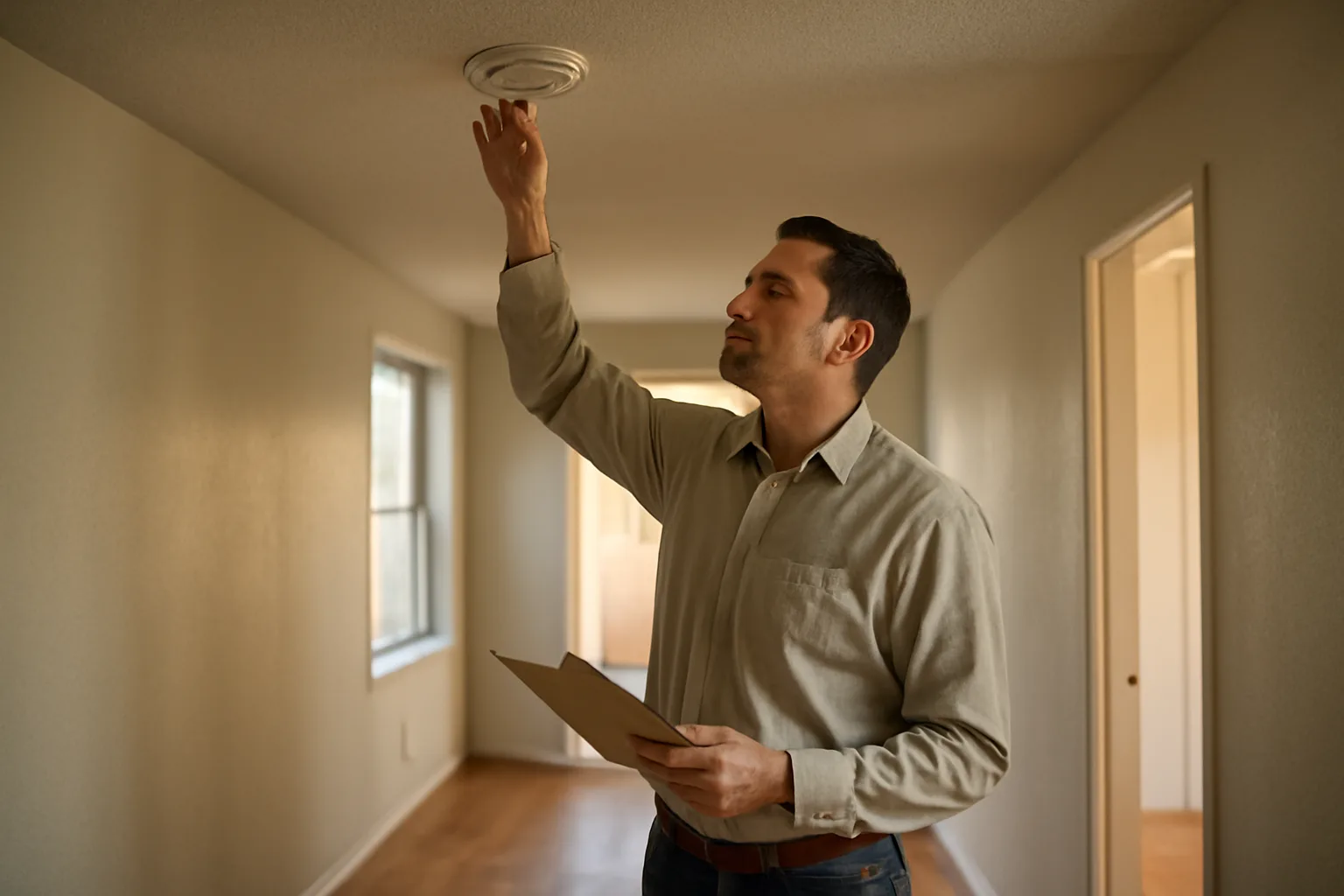
Start by contacting your city's rental licensing or code enforcement office directly, by phone if possible, since email tickets on system migration issues often sit unanswered for weeks. Ask specifically: 'Is my property's license active in your current system, and if not, what do you need from me to reinstate it?' Bring your paper trail. Keep copies of past license certificates, canceled checks or payment confirmations for renewal fees, and any prior inspection reports. If the city can't find your record, this documentation is what gets you reinstated without starting the whole application over, including any inspection you already passed. Expect one of three outcomes. First, a simple re-registration where the clerk manually enters your information into the new system and you're back to active status the same day. Second, a partial renewal where you owe a prorated fee to bring your license current through the new system's renewal cycle. Third, a full reapplication, which is more likely if your license had already lapsed before the migration, or if the city changed its licensing categories (for example, moving from a flat per-unit fee to a tiered fee based on unit count or building age). If a fresh inspection gets triggered as part of reinstatement, treat it like any other rental inspection: confirm working smoke and carbon monoxide detectors, check egress windows in bedrooms, verify no obvious electrical or plumbing hazards, and have your paperwork organized. A rental packet builder style prep list helps here, but the substance is the same regardless of what triggered the inspection: smoke detectors, egress, and basic habitability items are what most municipal codes check first.
how to become a landlord
Becoming a landlord legally starts well before you list a unit. Most mandatory-licensing cities require you to register the rental property, sometimes obtain a business license, and pass an initial inspection before you can legally collect rent from a tenant. The general sequence looks like this: confirm your city or county requires rental licensing (not all do; this is set by local ordinance, not state law, in most states), register the property with the city's rental licensing office, pay the registration or licensing fee (commonly in the range of $50 to $300 per unit depending on the city, though some large cities charge more for multi-unit buildings), schedule and pass any required initial inspection, and get your license certificate before advertising the unit. You'll also want landlord-specific insurance (a standard homeowners policy typically excludes rental use), a state-compliant lease or rental agreement, and a system for handling security deposits according to your state's deposit law (many states cap deposits and set strict timelines, often 14 to 45 days, for returning them after move-out). The U.S. Department of Housing and Urban Development's Fair Housing Act overview is a good starting point for understanding your obligations not to discriminate based on race, color, religion, sex, national origin, familial status, or disability [1]. Beyond paperwork, becoming a landlord means taking on ongoing duties: maintaining the property in habitable condition, responding to repair requests, following your state's notice requirements before entry or termination, and keeping up with license renewals so you don't end up back in exactly the legacy-record mess this article opened with.
what is landlording and what is a landlord
A landlord is the owner (or an entity acting on the owner's behalf) who rents real property to a tenant in exchange for payment, usually under a lease or rental agreement. Landlording is the ongoing work of managing that relationship and the property: collecting rent, handling maintenance, following habitability law, managing turnover, and staying compliant with local licensing and inspection rules. Legally, a landlord's core duties in nearly every U.S. state include maintaining the property in a habitable condition, making necessary repairs within a reasonable time, following state and local law on security deposits, and respecting the tenant's right to quiet enjoyment of the unit. The exact list varies by state landlord-tenant statute, so check your specific state code rather than assume a rule from one state applies in another. In cities with mandatory rental licensing, being a landlord also means you're operating a semi-regulated small business. You're subject to periodic inspections, renewal deadlines, and fines for operating without a current license. Some cities layer additional requirements on top: registering a local contact or property manager if you live out of state, carrying specific insurance minimums, or capping the number of unrelated occupants per unit under local zoning.
how to be a landlord day to day
Day to day, being a landlord means managing three things on repeat: money, maintenance, and compliance. On the money side, that's collecting rent on schedule, tracking late fees according to what your lease and state law allow, and handling the security deposit correctly at move-in and move-out. On maintenance, it's responding to repair requests promptly (many states set specific timelines for urgent issues like no heat or no water, sometimes as short as 24 to 72 hours), and doing preventive work so small problems don't become inspection failures later. On compliance, it's keeping your rental license current, tracking your renewal date, and knowing what your local ordinance requires for notice before you enter the unit. A practical habit that saves landlords real money: calendar your license renewal date and any required inspection cycle the day you get your first license, not the week before it expires. Cities that mandate periodic reinspection (commonly every 1 to 3 years, though some do annual and some do 5-year cycles) send renewal notices, but mail gets lost, addresses change, and system migrations (like the legacy-format issue covered above) can wipe out your record from their side entirely. Owning the calendar yourself is the only reliable defense. See also landlord basics for a broader walkthrough of ongoing landlord responsibilities.
who is responsible for rental property walk-through inspection in california
In California, responsibility for pre-move-out walk-through inspections is split by statute. California Civil Code Section 1950.5 gives the tenant the right to request an initial inspection before move-out, and requires the landlord to conduct that inspection if requested and to give the tenant an itemized statement of any deficiencies that could lead to deductions from the security deposit [2]. Specifically, the landlord must notify the tenant in writing of the right to request this initial inspection, and if the tenant requests it, the landlord (or the landlord's agent) must perform the walk-through, typically within two weeks of the anticipated move-out, and give the tenant a reasonable opportunity to fix identified issues before the final move-out inspection [2]. The landlord is also responsible for the final inspection that determines actual deposit deductions, which under the same statute must be itemized and sent to the tenant within 21 calendar days of move-out. This is a landlord obligation, not something delegated to the city, even in cities like Los Angeles or San Francisco that layer their own rental registration or rent-control rules on top of state deposit law. Municipal rental inspections (checking habitability, smoke detectors, and code compliance for licensing purposes) are a separate, distinct process handled by the city's building or housing department, not the landlord, and shouldn't be confused with the move-out walk-through covered by Civil Code 1950.5.
what can a landlord look at during an inspection
A rental inspection, whether it's a municipal license inspection or a routine landlord check-in, generally covers habitability and safety items, not the tenant's personal belongings or private life. What's fair game typically includes: smoke and carbon monoxide detector function, egress windows in bedrooms, visible signs of pest infestation, structural hazards, plumbing leaks, electrical hazards (exposed wiring, overloaded outlets), heating system function, and general cleanliness that affects habitability or fire safety. Municipal license inspectors are checking against a specific code checklist, usually your city's housing or property maintenance code (many are based on the International Property Maintenance Code, adopted with local amendments) [3]. They're not there to inspect the tenant's furniture arrangement or judge how they live, only whether the unit itself meets baseline safety and maintenance standards. For a landlord's own routine inspections (separate from city licensing inspections), the scope is narrower and governed by your lease and state entry-notice law. You generally can look at conditions relevant to maintenance and lease compliance, like verifying no unauthorized occupants or pets beyond the lease terms, checking for property damage, and confirming smoke detectors work. You generally cannot go through a tenant's private belongings, closets, or drawers without cause, and you cannot use a routine inspection as cover to search for something unrelated to habitability or lease terms.
how much notice does a landlord have to give before entering
Notice requirements before landlord entry are set state by state, and there's real variation, so always confirm your specific state's statute. California requires "reasonable notice," which the same Civil Code Section 1954 defines as presumptively 24 hours in writing for non-emergency entry, delivered personally, left at the unit, or mailed (with mailing requiring extra lead time) [4]. Many other states use a similar 24-hour standard by statute (for example, several states specify 24 hours in their landlord-tenant codes), while a smaller number default to a vaguer "reasonable notice" standard without a specific hour count. Emergencies are the universal exception. If there's a fire, flood, gas leak, or another situation posing immediate danger to life or property, landlords in essentially every state can enter without advance notice. The safest practice regardless of your state's minimum: put your notice policy in writing in the lease, give at least 24 hours notice for anything non-emergency, and keep a paper trail (text message or email) showing when notice was given and for what purpose (repair, inspection, showing). This matters twice: for compliance with your state's landlord-tenant law, and as protection if a tenant later disputes that you entered improperly.
why do landlords require renters insurance
Landlords require renters insurance mainly to shift liability and property-damage risk away from the landlord's own policy and bank account. A landlord's dwelling insurance covers the building structure, but it typically does not cover a tenant's personal belongings, and it may not fully cover liability if a tenant's guest is injured or if the tenant's negligence (a kitchen fire, an overflowing bathtub) damages the unit or a neighboring unit. Requiring renters insurance, commonly with a modest liability minimum (many landlords require $100,000 in liability coverage, though this isn't set by any single national standard and varies by lease), pushes that risk onto a policy the tenant pays for, typically around $15 to $30 a month depending on coverage and location according to industry rate surveys, though actual pricing varies by insurer, state, and coverage level. It's also a fairly cheap risk-management tool for the landlord. Without it, a tenant-caused fire or water damage claim can turn into a dispute over who pays what, sometimes ending in a lawsuit between the landlord's insurer and the tenant. Requiring proof of renters insurance as a lease condition, and requiring the tenant to name the landlord as an "interested party" on the policy so the landlord is notified if it lapses, is standard practice recommended by many property management associations and insurers, though the specific legal enforceability of the requirement depends on your state and local law.
what rights do tenants have without a lease
A tenant without a written lease, sometimes called a tenant-at-will or a month-to-month tenant by default, still has real legal rights. Occupying a rental unit and paying rent, even with no signed paperwork, generally creates a legally recognized tenancy under state law, most commonly a month-to-month tenancy. Without a written lease, tenants typically still get the following protections under most state landlord-tenant statutes: the right to a habitable unit (heat, working plumbing, no major safety hazards), the right to advance notice before the landlord can terminate the tenancy (commonly 30 days for month-to-month tenancies, though some states or cities require more, especially in rent-stabilized jurisdictions), the right to the return of any security deposit collected according to state deposit law, protection from retaliatory or discriminatory eviction under both state law and the federal Fair Housing Act [1], and the right to proper notice before landlord entry as described above. What a verbal or no-lease tenant does not automatically get is a fixed rent amount or fixed term. Without a written lease specifying otherwise, the landlord can typically raise rent or end a month-to-month tenancy with proper notice (again, commonly 30 days, sometimes 60 for longer tenancies in certain states), subject to any local rent control or just-cause eviction ordinance that applies in that city. This is exactly the kind of detail that a written lease is designed to lock down, which is why operating without one long-term is risky for both sides. For a broader look at what tenants can and can't do without paperwork in place, see tenants rights and renters rights.
what a landlord cannot do in ohio
Ohio's landlord-tenant law, codified mainly in Ohio Revised Code Chapter 5321, sets clear limits on landlord conduct. Ohio landlords cannot shut off a tenant's utilities, change the locks, or remove the tenant's belongings as a way to force them out; this is commonly called "self-help eviction" and it's illegal everywhere in Ohio regardless of how far behind on rent the tenant is. Eviction has to go through the court process (a forcible entry and detainer action). Ohio Revised Code 5321.04 requires landlords to keep the premises in a fit and habitable condition, comply with building and housing codes, and keep common areas safe [5]. A landlord who fails to do this can be sued by the tenant for damages, and in some cases the tenant can pursue repair-and-deduct remedies or place rent in escrow with the court under Ohio Revised Code 5321.07 if the landlord doesn't fix a serious problem after written notice [6]. Ohio landlords also cannot retaliate against a tenant for complaining to a building inspector or a health department, or for joining a tenants' organization, under Ohio Revised Code 5321.02, which prohibits retaliatory conduct including raising rent, decreasing services, or threatening eviction in response to a tenant asserting their rights [7]. And Ohio law (5321.04) requires the landlord to give reasonable notice, generally interpreted as 24 hours, before entering the unit except in an emergency, consistent with the norm across most states discussed above.
how a legacy license notice differs from a violation notice
It's worth separating a legacy-format license notice from an actual violation notice, because they call for different responses and mixing them up wastes time. A legacy-format or data-migration notice is administrative. The city is telling you their records need updating, not that you broke a rule. The fix is documentation and a phone call, and there's usually no fine attached unless you ignore it long enough that the city treats your license as lapsed. A violation notice is substantive. It means an inspector found something (an expired license, a failed inspection item, an unregistered unit) and the city is assessing or threatening a fine. Fines for operating without a valid rental license vary widely by city, from double-digit daily fines in some smaller municipalities to fixed penalties of several hundred dollars per violation in larger cities, and repeat or willful violations can escalate quickly, so check your specific city's fee schedule. The overlap: a legacy-format problem that goes unaddressed can turn into a violation. If the city's system shows your license as inactive because your old record didn't migrate, and a code enforcement sweep flags your address as unlicensed, you can get a real violation notice for what started as a data problem. That's why responding fast to any notice mentioning legacy format, migration, or system update matters even though it sounds harmless. If you're rebuilding your paperwork file from scratch after a notice like this, a structured document (proof of past license, inspection history, renewal receipts) is worth assembling once and keeping current; that's the exact gap our $79 rental packet builder is built to close for landlords managing 1 to 10 units without a property management company backing them up.
Frequently asked questions
What does it mean if my rental license shows as "legacy format" in my city's system?
It means your license record predates a system upgrade or software migration on the city's end and didn't transfer over correctly. It's not a violation by itself, but it can trigger one if the city's active-license list shows you as inactive. Contact your rental licensing office directly with your old license number and past payment proof to get it reinstated.
How to become a landlord if my city requires a rental license?
Confirm your city requires rental licensing (this is set locally, not by state law), register the property with the city's rental licensing office, pay the applicable fee, pass any required initial inspection, and get your license certificate before advertising the unit. Also line up landlord insurance and a compliant lease before you take a tenant's application.
Who is responsible for rental property walk-through inspection in California?
The landlord is. California Civil Code Section 1950.5 requires the landlord to conduct an initial move-out walk-through if the tenant requests one, give an itemized list of deficiencies, and complete a final inspection determining deposit deductions within 21 days of move-out.
What is landlording?
Landlording is the ongoing work of owning and managing rental property: collecting rent, maintaining habitability, handling turnover, following state landlord-tenant law, and staying current on any municipal rental licensing or inspection requirements that apply to your property.
What is a landlord, legally speaking?
A landlord is the property owner, or an entity acting for the owner, who rents real property to a tenant under a lease or rental agreement in exchange for payment. Legally, this creates duties: habitability, repairs, deposit handling, and following state and local entry-notice rules.
What rights do tenants have without a signed lease?
A tenant paying rent without a written lease generally has a month-to-month tenancy under state law, with rights to habitability, advance notice before termination (commonly 30 days), return of any deposit collected, protection from retaliatory or discriminatory eviction, and notice before landlord entry.
How to be a landlord without getting overwhelmed?
Build three simple systems from day one: a rent-tracking method, a maintenance-request log, and a compliance calendar for license renewals and inspection deadlines. Most landlord problems come from letting one of these three slide, not from a single bad decision.
Why do landlords require renters insurance?
It shifts liability for tenant belongings and tenant-caused damage or injury off the landlord's own policy and onto a policy the tenant pays for, typically $15 to $30 a month. It's a low-cost way to reduce disputes over who pays after a fire, leak, or injury.
How much notice does a landlord have to give before entering a unit?
Most states require at least 24 hours written notice for non-emergency entry; California's Civil Code Section 1954 treats 24 hours as presumptively reasonable. Emergencies (fire, flood, gas leak) are the universal exception allowing entry without advance notice.
What can a landlord look at during an inspection?
Inspectors and landlords can check habitability and safety items: smoke and carbon monoxide detectors, egress windows, pest signs, structural and electrical hazards, plumbing, and heating function. They generally cannot search a tenant's personal belongings without cause during a routine check.
What can't a landlord do in Ohio?
Ohio landlords can't shut off utilities, change locks, or remove belongings to force a tenant out (illegal self-help eviction). They must keep the unit habitable under Ohio Revised Code 5321.04, can't retaliate against tenants who complain to inspectors, and generally must give notice before entering.
Can a system migration cause my rental license to look expired even if I paid?
Yes. When cities switch permitting software, old license and payment records sometimes don't transfer cleanly, making a paid-up license appear expired or inactive in the new system. Bring past payment proof and your old license number to the rental licensing office to get it corrected.
Do I need a lawyer to fix a legacy-format rental license issue?
Usually not. This is typically an administrative record-correction issue you can resolve by contacting the city's rental licensing office with your documentation. If the city insists on treating it as a lapsed license with fines attached and you disagree, that's when it's worth consulting a local attorney.
Sources
- HUD, Fair Housing Act overview: Federal fair housing protections against discrimination based on race, color, religion, sex, national origin, familial status, and disability
- California Legislative Information, Civil Code Section 1950.5: Landlord's duty to conduct pre-move-out walk-through inspection if requested and itemize deposit deductions within 21 days
- International Code Council, International Property Maintenance Code: Basis for many municipal housing and property maintenance inspection checklists
- California Legislative Information, Civil Code Section 1954: 24-hour written notice presumed reasonable for landlord entry in California
- Ohio Legislature, Ohio Revised Code 5321.04: Ohio landlord's duty to maintain habitable premises and comply with housing codes
- Ohio Legislature, Ohio Revised Code 5321.07: Tenant remedies including repair-and-deduct or rent escrow after landlord fails to fix a habitability issue
- Ohio Legislature, Ohio Revised Code 5321.02: Prohibition on landlord retaliation against tenants who assert their rights or complain to authorities