Last updated 2026-07-26
TL;DR
Inspecting a rental means checking smoke detectors, plumbing, electrical, pests, and structural safety before move-in, during the lease (usually once or twice a year), and at move-out. Most states require 24 to 48 hours notice for non-emergency entry. Cities with rental licensing (Minneapolis, Los Angeles, Baltimore, and others) often require a separate government inspection tied to your license renewal, on top of whatever inspections you do yourself.
What does it actually mean to inspect a rental property?
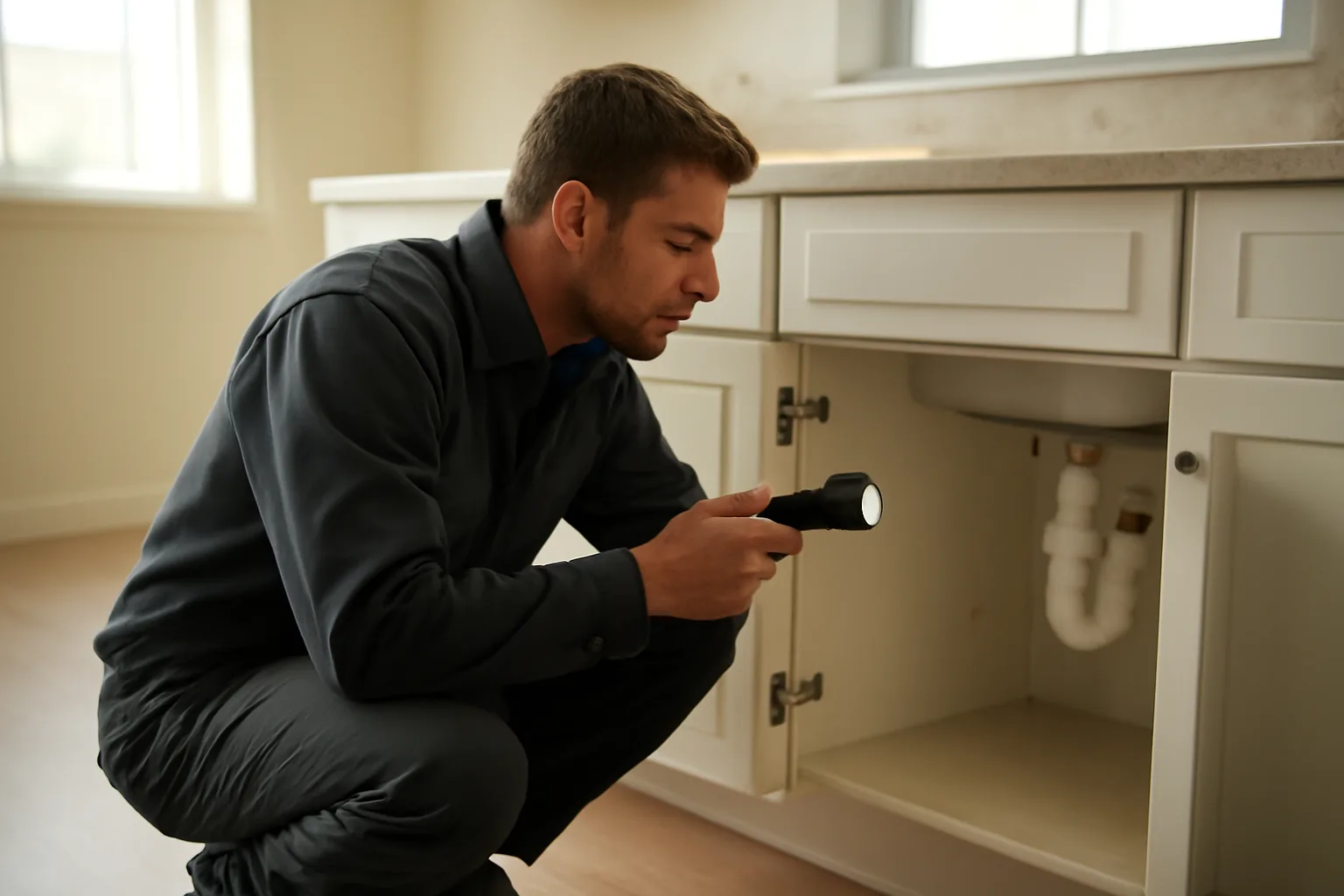
Inspecting a rental property means physically checking the unit and the building systems that serve it for safety hazards, code compliance, and maintenance problems, then documenting what you find. That's it. There's no single official checklist that applies everywhere, but the core job is always the same: walk through with fresh eyes, test what can be tested, and write down or photograph the condition of everything. There are three different kinds of inspections landlords deal with, and people mix them up constantly. First is your own routine inspection, which you do as the owner to catch problems early and protect the property. Second is a move-in or move-out inspection, which documents condition for security deposit purposes. Third is a government inspection, required in cities that run mandatory rental licensing programs, where a city inspector (not you) checks the unit against a local housing code before issuing or renewing your rental license. These three things use overlapping checklists but serve different masters. Your own inspection protects your investment. The move-in/move-out inspection protects you in a deposit dispute. The government inspection protects your legal right to rent the unit out at all. Confusing them is how landlords end up surprised by a fine for something they thought they'd already checked.
What can a landlord look at during an inspection?
A landlord doing a routine inspection can look at anything related to the condition of the property and its systems, but not at a tenant's personal belongings beyond what's needed to check for damage or hazards. In practice that means smoke and carbon monoxide detectors, plumbing under sinks and around toilets, electrical outlets and panels, HVAC filters and vents, window and door locks, signs of pests or mold, and general wear on floors, walls, and appliances. What you're allowed to look at legally is a separate question from what's useful to look at. Legally, most states limit landlord entry to specific purposes: making repairs, showing the unit to prospective tenants or buyers, or verifying lease compliance. Rummaging through drawers or closets under the guise of an inspection is not covered by those purposes and can expose you to a claim of unlawful entry or even a privacy violation in some states. A practical inspection checklist looks something like this: - Smoke detectors and CO detectors: test each one, check battery date or hardwired status
- Plumbing: check under every sink, behind the toilet, around the water heater, and look for slow drips
- Electrical: test GFCI outlets in kitchens and bathrooms, check for exposed wiring
- HVAC: replace or check filters, listen for unusual noise
- Windows and doors: confirm locks work, check for broken glass or screens
- Pest signs: droppings, nests, chew marks
- Water damage: ceiling stains, warped flooring, musty smell
- Exterior: gutters, exterior stairs, railings, exterior lighting Document everything with timestamped photos, more than notes. If you ever end up disputing a security deposit deduction or defending against a code violation, photos with dates are worth more than your memory of "it looked fine."
Who is responsible for a rental property walkthrough inspection in California?
In California, the landlord is responsible for conducting move-in and move-out inspections, and state law specifically requires landlords to offer tenants an initial move-out inspection before the final one if the landlord intends to withhold any part of the security deposit. Under California Civil Code Section 1950.5, the landlord must notify the tenant of their right to be present at that initial inspection and, if requested, must give at least 48 hours written notice of the date and time [1]. The point of that initial inspection is to give the tenant a chance to fix problems themselves before move-out, so they don't lose deposit money for things they could have cleaned or repaired. After that inspection, the landlord has to give the tenant an itemized statement of anything that still needs fixing or cleaning. The tenant isn't required to fix anything, but they get the option. For day-to-day entry into an occupied unit (not a move-out inspection), California Civil Code Section 1954 requires "reasonable notice," which the statute presumes to be 24 hours in writing, unless the tenant agrees to a shorter window [2]. Emergency entry doesn't require advance notice at all. Separately, many California cities layer on their own government inspection requirements through local rental inspection or proactive rental inspection programs (Los Angeles has one called SCEP, the Systematic Code Enforcement Program, tied to the city's rent registration system). Those are inspections done by city staff, not the landlord's own walkthrough, and they follow whatever schedule and notice rules that specific city sets. If you own in a city with one of these programs, check with your local rental licensing or housing department directly, because SCEP-style inspection cycles and fees vary by city and change over time.
How much notice does a landlord have to give before entering?
| California | 24 hours (presumed reasonable) | Civil Code 1954 [2] | |
|---|---|---|---|
| Florida | 12 hours | Fla. Stat. 83.53 [3] | |
| Texas | No statewide minimum; lease governs | Property Code Ch. 92 | If you're not sure what your state requires, don't guess. Look up your state's landlord-tenant act by name, or call your city's rental licensing office if you're in a licensed jurisdiction, since they sometimes publish plain-language notice guidance alongside the inspection rules. |
Most states require landlords to give tenants advance written notice before entering an occupied unit for a non-emergency inspection, and the most common minimum is 24 hours, though it varies by state. California sets a presumption of 24 hours "reasonable notice" under Civil Code Section 1954 [2]. Florida's landlord-tenant statute (Chapter 83.53) requires the landlord to give at least 12 hours notice before entering to make repairs [3]. Texas doesn't set a statewide statutory notice period for routine entry in its Property Code, so the notice requirement there usually comes from the lease itself. This state-by-state variation is exactly why you can't rely on general advice. You need to check your specific state's landlord-tenant statute or your local rental licensing office before you assume a 24-hour rule applies everywhere. A few things are consistent almost everywhere in the US: notice requirements don't apply to true emergencies (a burst pipe, a gas leak, fire), and notice has to be given in a form the tenant can actually reasonably receive, meaning a text to a number the tenant never gave you probably doesn't count. Cities with mandatory rental licensing sometimes add their own additional notice rules on top of the state minimum for the government inspection specifically. Here's a rough comparison of notice periods landlords commonly cite, though always confirm with your specific state statute since these change: | State | Statutory notice for routine entry | Statute |
How does a government rental inspection differ from my own inspection?
A government rental inspection is done by a city or county code enforcement inspector, tied to your rental license or registration, and checks the unit against the local housing or property maintenance code, not your personal standard of "good enough." Your own inspection is informal and can be as thorough or as light as you want; the government inspection has a checklist you don't control, and failing it can mean a re-inspection fee, a compliance deadline, or in serious cases a fine or license denial. Cities that run mandatory rental licensing programs, such as Minneapolis, Baltimore, Los Angeles, and dozens of others, typically inspect on a cycle: every one, two, or three years depending on the property's history and the city's ordinance. Some cities inspect every unit before the first license is issued and then move to a sample or complaint-driven basis after that. Confirm the actual cycle and fee schedule with your specific city rental licensing office, because these details differ by city and change with local ordinance updates. What inspectors typically check lines up closely with the routine landlord checklist above (smoke detectors, egress windows, electrical, plumbing, structural issues) but is scored against a specific code section, often the International Property Maintenance Code (IPMC) as adopted locally, or a city's own housing code chapter. A violation isn't just "needs fixing," it's often a citation with a required correction date and sometimes a reinspection fee if you don't fix it in time. The practical move here is to do your own inspection first, using the same categories the city checks, so you walk into the government inspection with no surprises. That's the whole logic behind doing a self-inspection before the city ever shows up: you want to be the one who finds the loose handrail or the dead smoke detector, not the inspector.
What is landlording, and what is a landlord?
A landlord is a person or entity who owns real property and rents it to someone else (the tenant) in exchange for payment, usually under a lease or rental agreement. Landlording is the ongoing work of managing that arrangement: collecting rent, maintaining the property, handling repairs, screening tenants, following state and local landlord-tenant law, and keeping the unit safe and legal to occupy. Landlording isn't just owning property. Plenty of people own rental property and pay a management company to do the actual landlording. The landlord (owner) still holds the legal responsibilities under state law, like the implied warranty of habitability recognized in most states, but the day-to-day tasks (inspections, repairs, rent collection, tenant communication) can be delegated. The legal core of landlording, no matter who does the daily work, comes down to a few duties that show up in nearly every state's landlord-tenant statute: keep the unit habitable, make repairs within a reasonable time after notice, respect the tenant's right to quiet enjoyment, follow the state's rules on security deposits, and give proper notice before entering. Cities with rental licensing programs add a layer on top: registering the property, paying a license fee, and passing a periodic inspection.
How do you become a landlord, step by step?
Becoming a landlord means buying or already owning a property, meeting your state's and city's requirements to legally rent it out, and setting up the systems to manage tenants and maintenance. There's no license required to be a landlord in most of the country in the general sense, but if your city runs a rental licensing or registration program, you legally have to register or license the specific property before you can rent it. A reasonable step-by-step path: 1. Confirm the property is legally rentable. Check zoning, HOA rules if applicable, and whether your city requires a rental license or registration for the property type (single-family, duplex, etc). 2. Register or license the property if your city requires it. Search "[your city] rental license" or check your city's housing or code enforcement department page directly. 3. Get the property inspection-ready. Fix the safety basics before you advertise: working smoke and CO detectors, no exposed wiring, functioning locks, no active leaks. 4. Set your lease terms and screening criteria in writing, and know your state's fair housing rules (the federal Fair Housing Act, 42 U.S.C. 3601 et seq., bars discrimination based on race, color, religion, sex, national origin, familial status, and disability [4], and many states and cities add protected classes on top of that). 5. Screen tenants consistently, using the same criteria for every applicant. 6. Collect a security deposit within your state's legal limit and hold it according to your state's deposit law (some states require a separate account and/or interest payment). 7. Do a documented move-in inspection with the tenant. 8. Set a routine inspection schedule (commonly once or twice a year) and calendar your city's license renewal and inspection cycle if one applies. If you're in a city with mandatory rental licensing, step 2 isn't optional and skipping it is one of the most common ways new landlords end up with a fine before they've even collected their first month's rent. Landlord basics and what a landlord is are good starting points if you're still working out the difference between owning property and actually operating as a landlord.
What rights do tenants have without a lease?
A tenant without a written lease still has legal rights, because most landlord-tenant protections come from state statute, not from the lease document itself. A tenant paying rent without a signed lease is usually classified as a month-to-month tenant or a "tenant at will," and state law still requires the landlord to maintain habitable conditions, give proper notice before entry, follow legal eviction procedures, and return the security deposit according to state rules. Without a written lease, the terms default to whatever the state's statute says for an unwritten or oral tenancy, which commonly includes: rent is due at whatever interval it's been paid (usually monthly), either party can end the tenancy with notice (commonly 30 days, though this varies by state and by how long the tenant has lived there), and the landlord still can't just change the locks or shut off utilities to force someone out. That kind of "self-help eviction" is illegal in essentially every state regardless of whether there's a written lease. What a tenant without a lease does not automatically get is certainty about rent increases or lease-specific terms like a no-pets clause, since without a written agreement there's nothing spelling those out beyond what the state's default month-to-month rules provide. This is exactly why relying on a handshake agreement is risky for both sides. If you're renting without paperwork, both the tenant rights and tenants rights basics are worth reading before a disagreement turns into a legal problem.
Why do landlords require renters insurance?
Landlords require renters insurance mainly to shift liability for the tenant's personal property and personal liability away from the landlord's own policy. A landlord's property insurance covers the building and the landlord's own belongings, but it generally does not cover a tenant's furniture, electronics, or clothing if there's a fire, burst pipe, or theft. Requiring the tenant to carry renters insurance means that loss gets handled by the tenant's own policy, not by a claim (or lawsuit) against the landlord. The liability angle matters just as much as the property angle. If a tenant's guest is injured in the unit, or the tenant accidentally causes damage that spreads to a neighboring unit (a grease fire, an overflowing tub), a renters insurance policy typically includes personal liability coverage that can pay out for that, rather than the claim landing entirely on the landlord's liability policy or out of the landlord's pocket. Requiring renters insurance is legal in nearly every state as a lease condition, as long as it's applied consistently to all tenants (singling out specific tenants could raise a fair housing issue). Typical renters insurance policies run in the range of roughly $15 to $30 a month depending on coverage limits and location, though actual pricing depends entirely on the insurer and the market, so don't quote a specific number to tenants as if it's fixed everywhere.
What a landlord cannot do in Ohio
In Ohio, landlords cannot enter a unit without reasonable advance notice, cannot shut off utilities or change locks to force a tenant out, cannot retaliate against a tenant for exercising a legal right, and cannot discriminate based on a federally or state-protected class. Ohio Revised Code Section 5321.04 lays out landlord obligations, including keeping the premises in a safe and habitable condition and making repairs [5]. Ohio Revised Code Section 5321.05 covers tenant obligations, and the entry notice requirement, tied to Section 5321.04, calls for reasonable notice, presumed to be at least 24 hours, before entering except in an emergency [6]. Ohio law specifically prohibits what's often called a "self-help eviction." A landlord cannot lock a tenant out, remove the tenant's belongings, or shut off electricity, water, or gas as a way to force a tenant to leave, even if the tenant is behind on rent. The only legal way to remove a tenant in Ohio is through the court eviction process (called "forcible entry and detainer" in Ohio), which requires a written notice to leave, then a filed court case if the tenant doesn't leave voluntarily. Ohio also prohibits retaliatory conduct: a landlord cannot raise rent, decrease services, or start an eviction specifically because a tenant complained to a code enforcement agency, joined a tenant union, or asserted a legal right under Chapter 5321. If a landlord takes one of those actions shortly after a tenant complaint, Ohio courts have treated the timing itself as evidence of retaliation in some cases, so the timing of any negative action against a tenant matters a lot in Ohio.
How often should a landlord inspect an occupied rental?
Most experienced landlords inspect an occupied rental once or twice a year, outside of the move-in and move-out inspections, though the right frequency depends on the property's age, the tenant relationship, and whether your city requires inspections on its own separate schedule. Twice a year (commonly spring and fall) lets you catch seasonal issues like a failing furnace before winter or a broken AC before summer, without feeling intrusive to the tenant. Some landlords do a lighter "drive-by" or exterior check more often, maybe every few months, just to look for obvious exterior issues (overflowing gutters, a broken window, an unauthorized pet or occupant) without needing to enter the unit at all. If your city runs a mandatory rental licensing or inspection program, that inspection cycle runs independently of your own schedule and you don't get to skip your own inspections just because the city inspector will eventually show up. City cycles commonly run every one to three years depending on the ordinance and the property's compliance history. Confirm your specific city's cycle and fee with your local rental licensing office, since this is exactly the kind of detail that varies block by block and changes when ordinances get updated. Getting organized ahead of a city inspection is the single biggest lever you have to avoid a failed inspection and the reinspection fee that comes with it. A $79 one-time City Rental License & Inspection Prep Packet built around your specific city's checklist (see /rental-packet-builder) is a cheap way to walk in with the same list the inspector is using, instead of guessing.
What should a move-in and move-out inspection cover?
A move-in inspection should document the exact condition of every room, fixture, and appliance before the tenant takes possession, and a move-out inspection should compare the unit against that same baseline to determine what's normal wear and what's tenant-caused damage. The difference between the two determines what you can legally deduct from the security deposit. A solid move-in inspection checklist covers: walls and ceilings (holes, stains, paint condition), flooring (stains, tears, scratches), windows and screens, all light fixtures and switches, all plumbing fixtures (turn on every faucet, flush every toilet), all appliances (test them, don't just look at them), cabinet and drawer function, smoke and CO detector presence and test date, and any existing damage, however minor, noted with a photo and a date. Both landlord and tenant should ideally walk through together and sign off on the same document, whether that's a paper checklist or photos with timestamps. If the tenant refuses to participate, document that refusal in writing and do the inspection anyway; you still need your own record. At move-out, redo the same checklist against the same categories. "Normal wear and tear," which landlords generally cannot deduct from a deposit under most state laws, includes things like minor carpet wear from years of walking, small nail holes from hanging pictures, or faded paint from sunlight. Damage beyond normal wear, like a hole punched in a wall or a burn mark on carpet, is what deposit deductions are actually meant to cover. States vary on the exact legal language and deadline for returning the deposit and providing an itemized list of deductions (many fall in the 14 to 30 day range after move-out), so check your specific state's security deposit statute before finalizing any deduction.
Frequently asked questions
How do I become a landlord if I've never rented out a property before?
Confirm the property meets zoning and any HOA rules, check whether your city requires rental registration or licensing, get the unit inspection-ready (smoke detectors, no active leaks, working locks), set a lease and screening criteria that follow fair housing law, and collect a deposit within your state's legal limits. If your city has mandatory rental licensing, register the property before advertising it.
Who is responsible for a rental property walkthrough inspection in California?
The landlord is responsible for conducting it. California Civil Code Section 1950.5 requires landlords to offer an initial move-out inspection before the final one and give at least 48 hours notice if the tenant requests to be present, so they can fix issues before losing deposit money.
What is landlording?
Landlording is the ongoing work of owning and managing a rental property: collecting rent, maintaining the unit, handling repairs, screening tenants, and following state and local landlord-tenant law. It's the activity, more than the ownership; someone can own rental property without doing the actual landlording themselves if they hire a management company.
What is a landlord, legally speaking?
A landlord is the owner of real property who rents it to a tenant under a lease or rental agreement in exchange for payment. Legally, the landlord holds duties like maintaining habitability and following notice and deposit rules under state law, even if a property manager handles the daily tasks.
What rights do tenants have without a lease?
A tenant without a written lease still gets the protections in their state's landlord-tenant statute, since those rights come from law, not the lease document. That typically includes habitability, proper notice before entry and before ending the tenancy, and protection from illegal lockouts, even though specific lease terms like rent increase limits aren't spelled out anywhere.
How much notice does a landlord have to give before entering a rental unit?
It depends on the state. California presumes 24 hours reasonable under Civil Code 1954. Florida requires at least 12 hours under Chapter 83.53 for repair entry. Some states, like Texas, don't set a statewide minimum and leave it to the lease. Always check your specific state's statute.
What can a landlord look at during an inspection?
A landlord can check anything related to the property's condition and safety: smoke and CO detectors, plumbing, electrical outlets, HVAC filters, window and door locks, signs of pests, and general wear. A landlord generally cannot search personal belongings like drawers or closets beyond what's needed to check for damage.
Why do landlords require renters insurance?
Mainly to shift the risk of tenant property loss and personal liability claims away from the landlord's own policy. A landlord's building insurance doesn't cover a tenant's furniture or electronics, and renters insurance liability coverage can pay out if a tenant accidentally causes damage or a guest gets injured.
What can't a landlord do in Ohio?
Under Ohio Revised Code Chapter 5321, a landlord can't enter without reasonable notice (presumed 24 hours), can't shut off utilities or change locks to force a tenant out, can't retaliate against a tenant for a code complaint, and can't remove a tenant without going through the court eviction process.
How often should I inspect my rental property myself?
Most landlords do a full interior inspection once or twice a year, plus move-in and move-out inspections. If your city runs a mandatory rental licensing or inspection program, that government inspection cycle runs separately, often every one to three years, so check with your local rental licensing office for the exact schedule.
What's the difference between a landlord's own inspection and a city rental inspection?
Your own inspection is informal and protects your investment; you set the standard. A city rental inspection, tied to a mandatory licensing program, is done by a code enforcement inspector against a specific local housing code, and failing it can mean a citation, a reinspection fee, or license problems, more than a to-do list.
Can a landlord charge a fee for a re-inspection after a failed rental license inspection?
Many cities with rental licensing programs do charge a re-inspection fee when a property fails its initial inspection and needs a follow-up visit. The fee amount and process vary widely by city, so confirm the specific figure and timeline with your local rental licensing or code enforcement office.
Sources
- California Legislature, Civil Code Section 1950.5: California requires landlords to offer an initial move-out inspection and give at least 48 hours notice if requested
- California Legislature, Civil Code Section 1954: California presumes 24 hours written notice is reasonable for landlord entry
- Florida Legislature, Florida Statutes Section 83.53: Florida requires at least 12 hours notice before landlord entry to make repairs
- U.S. Department of Justice, Fair Housing Act overview: Federal Fair Housing Act bars discrimination based on race, color, religion, sex, national origin, familial status, and disability
- Ohio Legislature, Ohio Revised Code Section 5321.04: Ohio landlords must keep rental premises in a safe and habitable condition and make repairs
- Ohio Legislature, Ohio Revised Code Section 5321.05: Ohio law sets tenant obligations and ties into the landlord's reasonable notice requirement for entry