Last updated 2026-07-26
TL;DR
A rental property inspection is a walkthrough by a city inspector (or sometimes a landlord) to confirm a rental unit meets health, safety, and building code standards. Most licensing cities require one before issuing or renewing a rental license, typically every 1 to 3 years, and can fine landlords for uncorrected violations.
What is a rental property inspection?
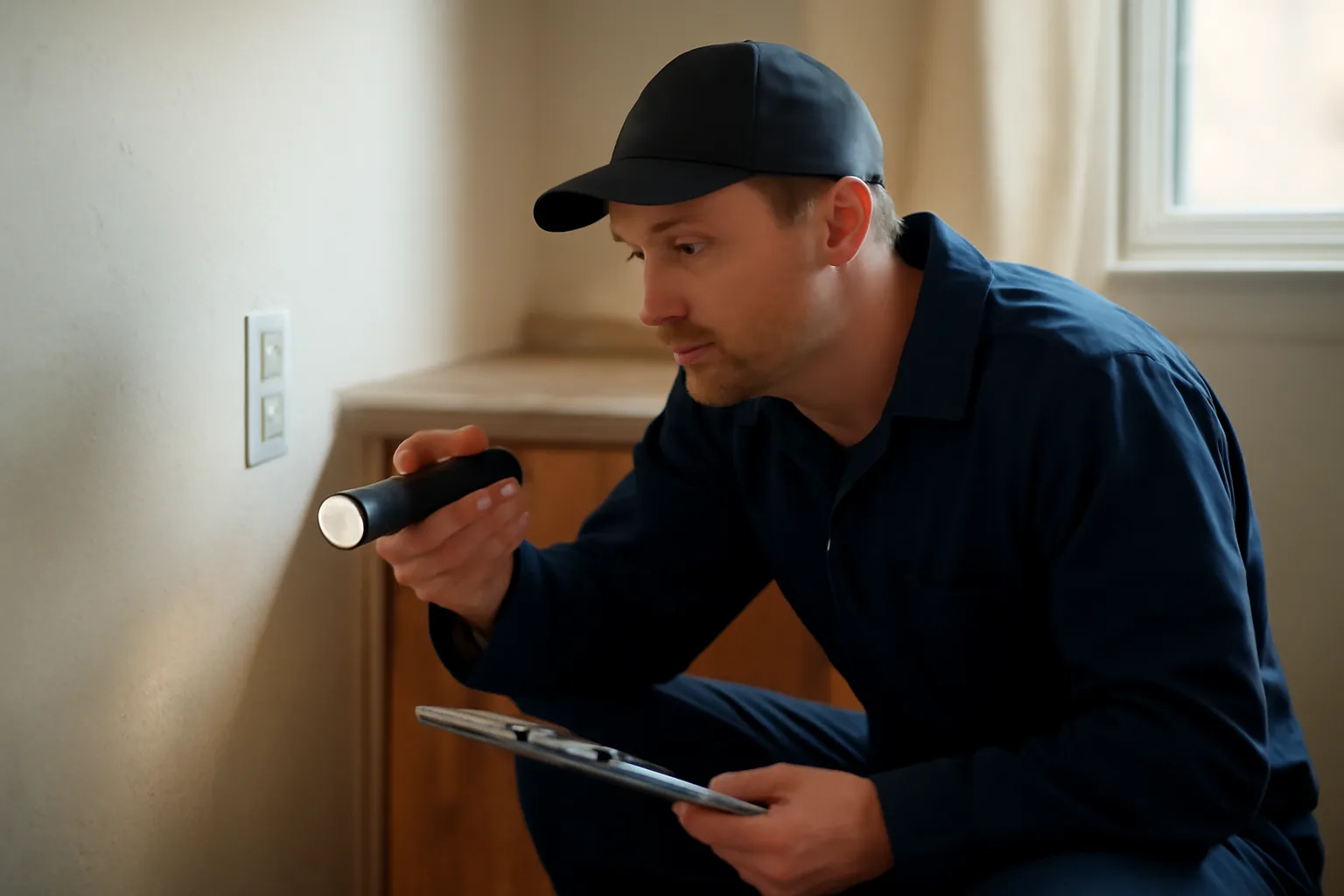
A rental property inspection is a physical check of a rental unit, usually done by a city code enforcement officer or building inspector, to confirm the property meets minimum housing, safety, and building standards. Cities with mandatory rental licensing programs require these inspections before they'll issue or renew a landlord's rental license. Some cities inspect every unit every cycle. Others inspect a percentage of units on a rolling schedule or respond only to tenant complaints. The inspection isn't the same as a home appraisal or a real estate inspection before a sale. It's a compliance check against a specific local code, usually the city's housing code or a version of the International Property Maintenance Code (IPMC), which many cities adopt with local amendments [1]. The inspector is looking for things that could hurt a tenant or violate the code, not cosmetic issues. If you're new to a city's rental licensing requirement, the notice can feel like a surprise bill. It isn't optional in these jurisdictions, and ignoring it usually escalates from a warning letter to a fine to, in some cities, an order that stops you from renting the unit until you pass. Confirm your city's specific inspection cycle and fee with your city rental licensing office, since these vary block by block, let alone city by city.
Who does a rental property inspection, and who is responsible for it in California?
In most licensing cities, a government inspector does the official rental inspection, not the landlord and not the tenant. In California specifically, there's no statewide mandatory rental inspection law. Instead, individual cities run their own programs under local ordinance authority. Some California cities, like Los Angeles through its Systematic Code Enforcement Program (SCEP), inspect rental units on a cycle set by local ordinance and charge an annual per-unit fee to fund it [2]. Separately from city inspections, California landlords have their own inspection duty under state law. California Civil Code Section 1950.5 requires landlords to offer tenants an initial move-out inspection before the final deadline for returning a security deposit, so the tenant has a chance to fix any damage themselves before move-out charges apply [3]. That's a landlord-tenant walkthrough, distinct from a city code inspection, and it's the landlord's responsibility to offer it, not the tenant's to request it. So the answer depends on which inspection you mean. City rental licensing inspections: a government inspector, if your city has that program. Move-out condition walkthroughs: the landlord, under state law, in California. If you own in a California city with a rental inspection ordinance, check with that specific city's housing or code enforcement department, because program rules (inspection frequency, fee amount, appeal process) are set locally, not by the state.
What can a landlord look at during an inspection?
During a routine rental inspection, whether it's a city code inspector or the landlord doing a periodic check between tenancies, the focus is generally on habitability and safety, not on a tenant's personal belongings. Typical inspection points include: - Smoke and carbon monoxide detectors: presence, working batteries, correct placement
- Electrical: exposed wiring, overloaded outlets, missing cover plates
- Plumbing: leaks, working hot water, functioning toilets and drains
- Heating: a working heat source, especially checked before winter in cold-climate cities
- Structural: stairs, railings, windows that open and lock, no significant water damage
- Egress: a working, unobstructed second exit from bedrooms, especially basement units
- Pest issues: signs of infestation
- Exterior: peeling paint (a lead paint concern in pre-1978 housing), trip hazards, broken steps A city inspector generally has authority to check the same categories in every unit in the building, common areas, and sometimes the exterior and yard. They're not there to inspect a tenant's furniture or count personal items, and most cities require inspectors to give the tenant reasonable notice before entering an occupied unit, similar to landlord entry rules. A landlord doing their own periodic inspection can look at the same safety and maintenance items, but cannot use the visit as a pretext to search through a tenant's belongings or harass them. The purpose has to be legitimate: maintenance, safety, or a code-required check.
How much notice does a landlord have to give before an inspection?
Notice requirements vary by state, but a common default is 24 hours' written or verbal notice before entering an occupied rental for a non-emergency inspection or repair. California Civil Code Section 1954, for example, requires landlords to give tenants "reasonable notice in writing," and specifies that 24 hours is presumed reasonable absent evidence otherwise [4]. Many other states use similar 24-hour or 48-hour standards, though the exact number and whether it must be written differs by state landlord-tenant statute. For city-mandated rental license inspections, the notice rule is usually set by the city ordinance, not the state landlord-tenant code, and the city or the landlord (depending on who schedules it) typically has to give the tenant notice before the inspector shows up. Some cities require the landlord to notify tenants at least a set number of days in advance; others let the inspector coordinate directly with the tenant or landlord. Emergencies are the standard exception. If there's a burst pipe, a gas leak, or another hazard, most landlord-tenant laws let the landlord (or emergency responders) enter without advance notice. Outside of emergencies, skipping notice is one of the more common tenant complaints that triggers a fair housing or landlord-tenant dispute, so it's worth building notice into your standard process rather than treating it as optional paperwork.
How do landlords stay ahead of inspection deadlines?
Rental licensing cities run on cycles: apply, get inspected, fix violations, get re-inspected, renew. Missing a step usually means a fine, and depending on the city, an unlicensed unit can mean the landlord can't legally collect rent or evict for nonpayment until the license is current, which some cities enforce directly through their municipal code. The practical fix for a lot of landlords, especially those self-managing 1 to 10 units, is treating the inspection cycle like a checklist you run before the inspector ever shows up: test every smoke and CO detector, check every outlet cover, run every faucet, check the water heater's temperature and pressure relief valve, and walk the exterior looking for the same things an inspector would flag. Doing that walk two to three weeks before the scheduled inspection date gives you time to fix anything before it becomes a violation on the record. If you want a structured version of this, our $79 one-time City Rental License & Inspection Prep Packet walks through the licensing and inspection prep steps for a single property, organized by what most city rental inspection checklists actually look for. It's not a substitute for your city's official checklist (always pull that from your city's rental licensing office first), but it's built to help you get ready faster than starting from a blank page.
How to become a landlord: what actually has to happen first?
Becoming a landlord isn't a licensed profession in most states the way becoming a real estate agent is, but it does come with legal obligations from day one. The basic sequence: 1. Confirm the property is zoned and permitted for rental use. Some cities restrict rentals in certain zones or cap the number of rental units on a block. 2. Check whether your city requires a rental license or registration. Mandatory rental licensing cities exist across the country, and the requirement usually applies whether you're renting one room or ten units. 3. Get the unit inspection-ready if your city requires a pre-rental or licensing inspection. 4. Set up landlord-side infrastructure: a separate bank account for rent and deposits, a system for tracking maintenance requests, and insurance (a landlord or "dwelling" policy, not a homeowner's policy, since most homeowner policies exclude rental use). 5. Screen tenants consistently and legally, applying the same criteria to every applicant to avoid Fair Housing Act violations under 42 U.S.C. § 3604 [5]. 6. Use a written lease. Verbal leases are legal in many states for month-to-month tenancies, but they create real ambiguity about rent amount, notice periods, and responsibilities. There's no national landlord license. What exists is a patchwork of city and county rental registration and licensing ordinances, plus state landlord-tenant law that governs deposits, notice, and eviction procedure regardless of whether your city licenses rentals at all.
What is landlording, and what is a landlord, exactly?
"Landlording" is the informal term for the ongoing work of owning and managing rental property: collecting rent, maintaining the unit, handling tenant communication, staying compliant with local code and state landlord-tenant law, and managing turnover between tenants. It's not a licensed occupation, but cities with rental registration ordinances effectively license the activity of renting out property, even if they don't call the person a "licensed landlord." A landlord, in the legal sense, is the party who owns the property (or holds a leasehold interest with authority to sublease) and enters into a rental agreement with a tenant in exchange for rent. State landlord-tenant statutes define the term more precisely for legal purposes; for example, many states' codes define "landlord" to include an owner's agent, so a property manager acting on the owner's behalf typically carries the same legal obligations and exposure as the owner does. The day-to-day of landlording for a small owner, someone with 1 to 10 units, usually looks less like a business and more like a second job: fielding maintenance calls, tracking lease renewal dates, budgeting for repairs, and increasingly, tracking a growing list of local compliance requirements like rental registration, lead paint disclosure, and smoke detector certification. That compliance layer is exactly what trips people up when they've been landlording informally for years and then get a notice that their city just started requiring a rental license.
What rights do tenants have without a lease?
A tenant without a written lease still has legal rights. Most states treat an unwritten rental arrangement, once rent has been paid and accepted, as a month-to-month tenancy governed by the state's landlord-tenant statute, not as a rights-free arrangement. Tenants without a written lease generally still have the right to: - A habitable unit (working plumbing, heat, structural safety), a legal standard often called the "implied warranty of habitability" that courts have read into rental agreements even absent a written lease
- Advance notice before the landlord ends the tenancy, typically 30 days for month-to-month tenancies in many states, though some require more for tenants who've stayed longer
- Advance notice before the landlord enters the unit, per the same entry-notice rules that apply to written leases
- Return of any security deposit collected, following the state's deposit return timeline and itemization rules
- Protection from retaliatory or discriminatory eviction, covered by the Fair Housing Act's protected classes at the federal level [5] and often broader protected categories at the state or city level What a tenant without a lease usually does not have is a fixed term. Either party can typically end a month-to-month tenancy with proper notice, whereas a signed fixed-term lease locks both sides in until the end date (absent a lease violation or an early termination clause). Landlords who skip a written lease often assume it gives them more flexibility to end the tenancy quickly; state notice-period rules apply either way, so the flexibility is smaller than it looks.
Why do landlords require renters insurance?
Landlords require renters insurance mainly to shift liability and reduce their own financial exposure, not because state law generally mandates it. A landlord's own insurance covers the building and the landlord's property; it typically doesn't cover a tenant's belongings or a tenant's personal liability if, say, the tenant's dog bites a visitor or the tenant accidentally causes a kitchen fire. Renters insurance usually covers the tenant's personal property, liability for accidental damage the tenant causes to the unit, and sometimes additional living expenses if the unit becomes unlivable after a covered loss. For the landlord, requiring it means a tenant-caused fire, water damage, or injury claim has a funding source other than the landlord's own policy or the landlord's cash reserves. Requiring renters insurance is legal in most states as a lease condition, though it has to be applied consistently to avoid fair housing issues, and a landlord generally can't refuse a reasonable accommodation request tied to a disability just because the tenant can't obtain a specific insurance product. Some landlords require proof of a policy with a minimum liability limit (commonly $100,000, sometimes with the landlord named as an "interested party" on the policy) and require the tenant to maintain it for the full lease term, checking in at renewal.
What can't a landlord do in Ohio?
Ohio's landlord-tenant law is set out in Ohio Revised Code Chapter 5321. It restricts several things landlords might otherwise assume they can do. Under R.C. 5321.15, a landlord cannot use "self-help" eviction methods: locking a tenant out, shutting off utilities, or removing a tenant's belongings without a court order, even if the tenant is behind on rent [6]. The statute directs that a landlord seeking to remove a tenant must do so "only by bringing an action pursuant to Chapter 1923," Ohio's forcible entry and detainer (eviction) statute [6]. Ohio law under R.C. 5321.04 also requires landlords to keep the premises in a fit and habitable condition, maintain common areas, keep electrical, plumbing, and heating systems in good working order, and comply with local building and housing codes [7]. A landlord who fails on these points can face a tenant claim for rent escrow or repair-and-deduct remedies under R.C. 5321.07, which lets a tenant place rent in escrow with the court if the landlord doesn't fix a serious condition within a reasonable time after written notice . Ohio also caps what a landlord can do with a security deposit: under R.C. 5321.16, if a landlord wrongfully withholds a deposit, the tenant can recover damages equal to the amount wrongfully withheld plus reasonable attorney fees . And like most states, Ohio requires reasonable notice, generally 24 hours under common practice tied to the reasonable-notice standard in R.C. 5321.04, before non-emergency entry, though Ohio's statute doesn't specify an exact hour count the way California's does.
How does a rental license inspection differ from a home inspection or a code violation notice?
| Rental license inspection | City ordinance / license renewal cycle | Set cycle, often 1-3 years | License denial, renewal delay, fines | |
|---|---|---|---|---|
| Private home inspection | Buyer's choice before purchase | One-time | None (informational only) | |
| Code violation notice | Complaint or licensing inspection finding | As triggered | Fines, escalating penalties, possible court action | Knowing which category a notice falls into changes what you do next. A licensing inspection notice means schedule and prep. A code violation notice means fix the specific item by the stated deadline and document the fix. |
A rental license inspection, a private home inspection, and a code violation notice are three different things that use similar language, and mixing them up causes confusion. A rental license inspection is a proactive, scheduled check tied to a city's rental licensing ordinance. It happens on a set cycle (commonly annually, every two years, or every three years, depending on the city) whether or not anyone has complained, and passing it is a condition of keeping the license active. A private home inspection is something a buyer typically hires before purchasing a property. It's not connected to rental licensing at all, though a savvy landlord buying a rental property might use one to spot issues before they become licensing headaches. A code violation notice is reactive. It usually follows a complaint (from a tenant, a neighbor, or a passerby) or comes out of the licensing inspection itself. It identifies a specific code section violated and gives a deadline to fix it, after which fines can start accruing, sometimes per day, per violation. | Type | Trigger | Frequency | Consequence for non-compliance |
Frequently asked questions
How to become a landlord in a city that requires rental licensing?
Check zoning first, then confirm whether your city requires rental registration or licensing before you advertise the unit. Get the property inspection-ready if your city requires it, carry landlord insurance, screen tenants consistently, and use a written lease. Confirm the specific license application steps and fee with your city's rental licensing office, since these differ by city.
Who is responsible for a rental property walkthrough inspection in California?
For city rental licensing programs, a government inspector handles it, if your California city runs one; not all do. For move-out condition walkthroughs, California Civil Code Section 1950.5 makes it the landlord's responsibility to offer the tenant an initial inspection before charging deposit deductions.
What is landlording?
Landlording is the ongoing work of owning and managing a rental property: collecting rent, maintaining the unit, handling tenant communication, and staying compliant with local rental licensing rules and state landlord-tenant law. It's not a licensed occupation, but it carries real legal obligations from the first day you rent to someone.
What is a landlord?
A landlord is the property owner (or an agent acting for the owner) who rents a unit to a tenant in exchange for rent, taking on legal duties like habitability, notice before entry, and deposit handling under state landlord-tenant law. Many states' statutes explicitly include property managers acting on the owner's behalf in this definition.
What rights do tenants have without a lease?
A tenant without a written lease usually still gets a month-to-month tenancy under state law, with the right to a habitable unit, advance notice before entry, advance notice before the tenancy ends (often 30 days), return of any deposit, and protection from discriminatory or retaliatory eviction under the Fair Housing Act.
How to be a landlord without violating fair housing law?
Apply the same screening criteria, notice practices, and lease terms to every applicant and tenant, and never factor in a protected class under the Fair Housing Act (race, color, national origin, religion, sex, familial status, disability) per 42 U.S.C. § 3604. Document your criteria in writing before you start screening, not after a complaint.
Why do landlords require renters insurance?
Landlords require renters insurance mainly to cover the tenant's own belongings and liability for damage or injury the tenant causes, since a landlord's building policy usually doesn't cover either. It shifts financial risk off the landlord's policy and reserves onto the tenant's coverage.
How much notice does a landlord have to give before entering a rental unit?
It depends on the state. A common standard is 24 hours' written notice for non-emergency entry; California's Civil Code Section 1954 presumes 24 hours is reasonable. Other states set different numbers or leave it to a general "reasonable notice" standard, so check your specific state's landlord-tenant statute.
What can a landlord look at during an inspection?
A landlord or city inspector generally checks safety and maintenance items: smoke and CO detectors, electrical outlets and wiring, plumbing and hot water, heating systems, structural issues like stairs and railings, window locks, pest signs, and exterior hazards. It's not a review of the tenant's personal belongings.
What can't a landlord do in Ohio?
Under Ohio Revised Code 5321.15, a landlord can't lock out a tenant, shut off utilities, or remove belongings without a court eviction order, even for nonpayment. Ohio law also requires landlords to maintain habitability under R.C. 5321.04 and limits what they can keep from a security deposit under R.C. 5321.16.
How often do cities inspect rental properties?
It varies widely by city. Some inspect every licensed unit every year, others every two or three years, and some only inspect in response to a tenant complaint. There's no single national standard; confirm the specific inspection cycle with your city's rental licensing or code enforcement office.
What happens if a rental property fails its licensing inspection?
Typically the inspector issues a written list of violations with a deadline to fix each one, then schedules a re-inspection. Uncorrected violations can lead to fines, a delayed or denied license renewal, and in some cities, an order barring the unit from being rented until it passes.
Sources
- International Code Council, International Property Maintenance Code adoption overview: Many cities adopt a version of the International Property Maintenance Code, with local amendments, as the basis for rental housing inspection standards.
- California Legislative Information, Civil Code Section 1950.5: California landlords must offer tenants an initial move-out inspection before the security deposit deadline so tenants can fix damage themselves.
- California Legislative Information, Civil Code Section 1954: California law requires reasonable written notice, presumed to be 24 hours, before a landlord enters an occupied rental unit for non-emergency purposes.
- Ohio Revised Code Section 5321.15: Ohio law bars landlords from using lockouts, utility shutoffs, or removal of belongings to remove a tenant; eviction must go through Chapter 1923 court action.
- Ohio Revised Code Section 5321.04: Ohio landlords must keep rental premises in a fit and habitable condition and maintain electrical, plumbing, and heating systems, complying with local housing codes.
- Ohio Revised Code Section 5321.07: Ohio tenants can deposit rent in escrow with the court if a landlord fails to fix a serious habitability issue after written notice.
- Ohio Revised Code Section 5321.16: Ohio tenants can recover the wrongfully withheld deposit amount plus reasonable attorney fees if a landlord improperly withholds a security deposit.