Last updated 2026-07-26
TL;DR
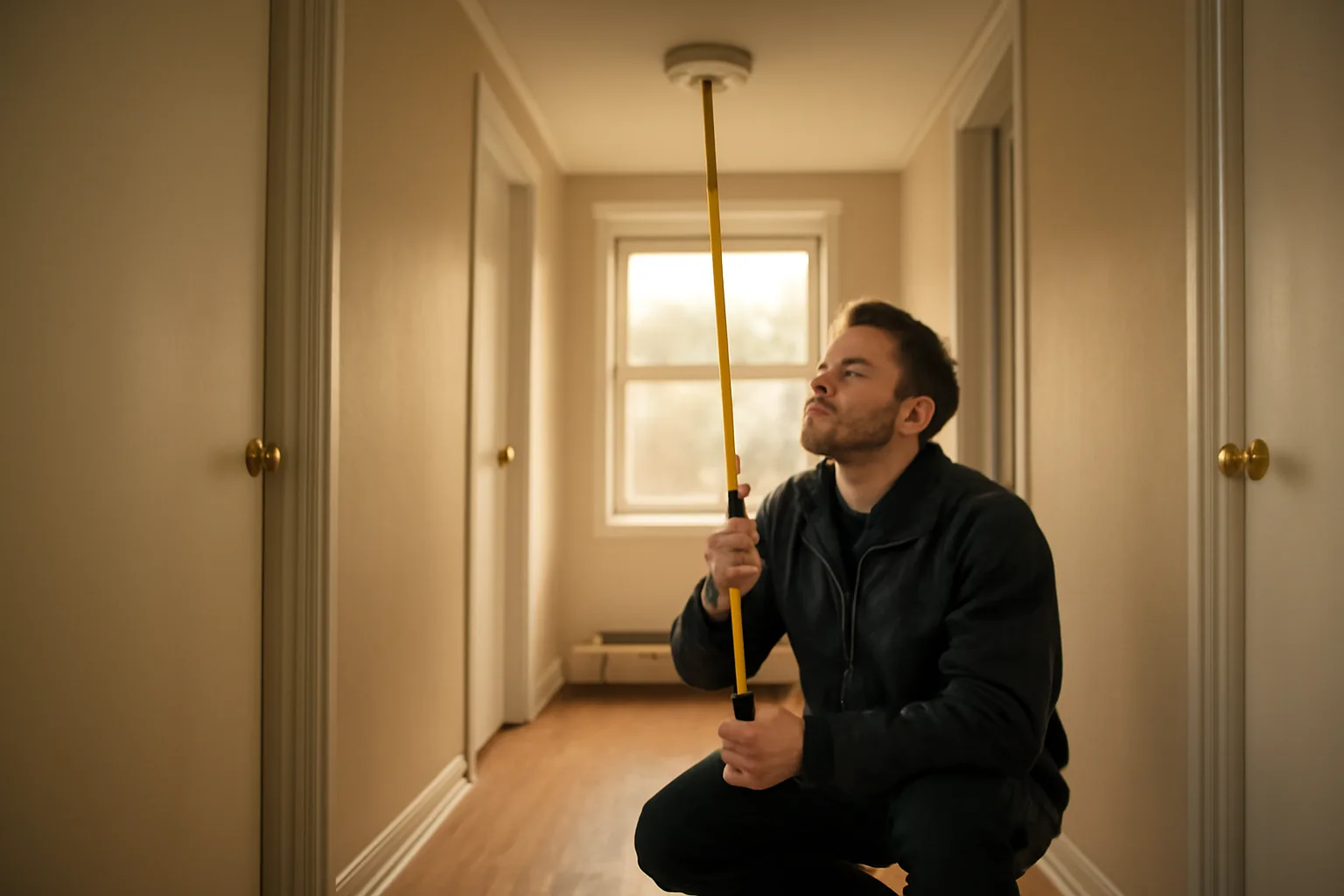
Rental inspectors mainly check life-safety items: working smoke and carbon monoxide alarms, two ways out of every bedroom, no exposed wiring, safe heating, no active leaks, and no pest infestation. Most cities use a checklist based on their local housing code or a version of the International Property Maintenance Code. Minor cosmetic issues rarely fail an inspection; missing alarms and blocked exits almost always do.
What do rental inspectors actually look for?
Rental inspectors are checking that a unit is safe to live in, not that it's pretty. Almost every city inspection form breaks down into the same five buckets: life safety (smoke and CO alarms, egress), electrical, plumbing, structural/mechanical, and pest or sanitation issues. Cosmetic stuff like paint color or dated cabinets almost never shows up on a violation notice. Most municipal inspection checklists are built on the International Property Maintenance Code (IPMC), which cities adopt and then modify locally. Section 704 of the 2021 IPMC requires smoke alarms in every sleeping room, outside each sleeping area, and on every level of the dwelling, plus carbon monoxide alarms outside sleeping areas in units with fuel-burning appliances or an attached garage [1]. If your city has adopted this code (many have, often with amendments), that's the baseline the inspector is working from. A typical inspector walks through with a form that has maybe 40 to 80 line items. They're not there to admire your renovation. They're there to confirm the unit won't burn down, flood, shock someone, or make someone sick. Here's the rough breakdown of what gets checked and how often each category actually causes a failed inspection, based on the kinds of violations most commonly cited in municipal housing code enforcement reports.
What can a landlord look at during an inspection?
During a routine inspection, a landlord (or the inspector standing in for the city) can look at anything related to habitability and code compliance: smoke detectors, electrical panels, plumbing under sinks, the water heater, HVAC filters, window locks, and signs of pests or mold. What they generally cannot do is search through a tenant's personal belongings, closets full of clothes, drawers, or private papers unless there's a specific safety reason tied to the inspection (like checking for an exit that's blocked by stored items). The inspection is about the condition of the structure and its systems, not an audit of how the tenant lives. Landlords doing a walkthrough between tenants can look at everything, since the unit is vacant. During a tenancy, most state landlord-tenant statutes require the landlord to give notice and limit inspections to reasonable purposes: safety checks, showing the unit to prospective renters or buyers, or repairs. California's Civil Code Section 1954, for example, lists the specific reasons a landlord may enter, including to make necessary repairs and to show the unit to prospective tenants, and requires 24 hours' notice in most cases [2]. If you're prepping for a city-mandated rental inspection rather than your own routine check, expect the inspector to focus on the same core categories every time: smoke/CO alarms, egress windows and doors, electrical panel condition, visible plumbing leaks, working heat, handrails on stairs with four or more risers, and any obvious pest activity. A city inspector generally does not open drawers or go through personal items either. Their job is code compliance, not a home inspection for a sale.
Who is responsible for the rental property walk-through inspection in California?
In California, the landlord is responsible for arranging move-in and move-out walk-through inspections, and state law actually requires the move-out version. California Civil Code Section 1950.5(f) gives tenants the right to request an initial inspection before they move out, so they can fix any deficiencies themselves before the landlord assesses damage against the security deposit [3]. The landlord must give at least 48 hours' written notice of the date and time of that initial inspection unless the tenant waives that notice [3]. For city-mandated rental housing inspections (as opposed to the deposit-related walk-through), responsibility shifts to the local building or housing department, which is why programs vary so much between, say, Los Angeles's Rent Escrow Account Program (REAP) properties and Oakland's Rent Adjustment Program inspections. Always confirm which office in your specific city runs its rental inspection program and what its refill schedule looks like, because California doesn't have one statewide rental inspection law, cities create their own systems. For the deposit walk-through specifically, the landlord (or their agent) conducts it, the tenant has the right to be present, and the landlord must give an itemized statement of any proposed deductions at that time under Civil Code 1950.5(f)(2) [3]. This is separate from a city's periodic rental inspection program, and landlords sometimes confuse the two. One is about your deposit. The other is about code compliance and can trigger fines if you skip it.
What is landlording, and what is a landlord?
A landlord is the owner of real property who rents it to another person (the tenant) in exchange for payment, usually under a lease or rental agreement. "Landlording" is the informal industry term for the whole job: finding tenants, screening them, collecting rent, maintaining the property, handling repairs, and staying compliant with local housing codes and state landlord-tenant law. It sounds simple until you're doing it. Landlording covers habitability obligations (keeping the unit livable under your state's implied warranty of habitability), fair housing compliance under the federal Fair Housing Act, security deposit handling rules that vary by state, and, in a growing number of cities, mandatory rental registration or licensing. HUD's Fair Housing Act overview explains that landlords cannot discriminate based on race, color, national origin, religion, sex, familial status, or disability in any aspect of renting, including which units they show and how they screen [4]. Most first-time landlords underestimate the compliance side. It's more than "buy a property and collect rent." If your city requires a rental license or registration, that's landlording too, and skipping it is one of the most common (and expensive) mistakes new landlords make.
How to become a landlord (and how to actually be one)
Becoming a landlord legally usually means four things: getting the property (purchase or inheritance), checking local zoning and rental licensing requirements, understanding your state's landlord-tenant statute, and setting up systems for screening tenants, collecting rent, and handling maintenance requests. Step one is confirming the property can legally be rented. Some cities require a certificate of occupancy or a rental registration before you can even advertise the unit. Step two is screening tenants consistently and legally, following the Fair Credit Reporting Act if you pull credit reports, and applying the same screening criteria to every applicant to avoid fair housing complaints [4]. Step three is drafting (or having a local attorney review) a lease that matches your state's requirements, since security deposit limits, notice periods, and required disclosures vary widely by state. Step four, and the one people skip most, is figuring out what your city or county requires for ongoing compliance: annual rental registration, a rental license renewal, a periodic inspection, or fire safety certification. Being a landlord isn't a one-time setup. It's an ongoing job with a paperwork deadline you need to track every year. If you own in a city with mandatory licensing, that deadline is usually annual or every two to three years, and missing it is what triggers most of the fines landlords actually complain about.
What rights do tenants have without a lease?
A tenant without a written lease still has legal rights. In most states, an oral or month-to-month tenancy still creates a legal tenancy with the same basic protections: the right to habitable housing, the right to proper notice before eviction, and the right to their security deposit back under state timelines. What they usually give up by not having a written lease is certainty about specific terms like rent increase notice, pet policies, or subletting rules. Most states treat a tenant paying rent regularly, with the landlord accepting it, as creating an implied month-to-month tenancy even with nothing in writing. Termination of that tenancy typically requires the same notice period as a written month-to-month lease would, commonly 30 days, though this varies by state and by how long the tenant has lived there. Tenants without a lease are still covered by the state's implied warranty of habitability and by fair housing law regardless of what's on paper. Where it gets murky is anything not addressed by default state law: how much notice for entry, whether a security deposit was even collected, what happens to a pet added mid-tenancy. Landlords renting without a written lease are taking on real risk here, since disputes default to state statute and often to whichever party has better records of what was actually agreed to.
How much notice does a landlord have to give before an inspection or entry?
This varies significantly by state, but 24 hours is the most common standard for routine, non-emergency entry, including for inspections. California requires 24 hours' notice as "reasonable" under Civil Code Section 1954, though it allows for exceptions in emergencies [2]. Other states set different defaults: some don't specify a number of hours at all and just require "reasonable notice," leaving the specific timeframe to case law or local custom. Emergency situations (a burst pipe, a gas leak, fire) are the standard exception almost everywhere. No notice is required when there's an immediate threat to health or safety. Outside of emergencies, most states expect written notice specifying the date, approximate time, and purpose of entry. For city-mandated rental inspections specifically, the notice requirement usually comes from the municipal code running the program, not the general landlord-tenant entry statute, and it's often longer than 24 hours, sometimes 7 to 30 days for a scheduled inspection appointment. Always confirm the specific notice period with your city rental licensing office, since this is exactly the kind of detail that differs between neighboring cities in the same state.
Why do landlords require renters insurance?
Landlords require renters insurance mainly to shift liability risk off their own policy and to make sure the tenant can cover their own belongings and any damage they cause. A landlord's own property insurance covers the building and the landlord's liability, but it typically doesn't cover a tenant's furniture, electronics, or clothing if there's a fire or burst pipe. It also may not fully cover a situation where the tenant's negligence (leaving a candle burning, an overflowing tub) causes damage to the unit or to a neighboring unit. Requiring renters insurance, usually with a minimum liability coverage amount (commonly $100,000 to $300,000, though this is a landlord's own lease requirement rather than a legal mandate in most states) reduces the odds that a preventable loss ends up as a claim against the landlord's policy or an uncollectible debt from the tenant. It also often names the landlord as an "interested party" so they're notified if the policy lapses. This isn't universally required by law, it's a lease clause landlords add voluntarily (or that some cities and many mortgage lenders on investment properties push landlords toward). If you require it, put the minimum coverage amount and proof-of-insurance deadline in the lease itself, and check it at renewal, more than move-in.
What can a landlord not do in Ohio?
Ohio landlords cannot enter a rental unit without reasonable notice (Ohio's landlord-tenant law under Ohio Revised Code Section 5321.04 requires the landlord to give tenants reasonable notice of entry and to enter only at reasonable times, except in emergencies) [5]. They also cannot shut off utilities, change the locks, or remove a tenant's belongings to force them out, a practice known as "self-help eviction," which is illegal in Ohio and in nearly every state. Evictions have to go through the courts. Ohio landlords cannot retaliate against a tenant for reporting a code violation or exercising a legal right, and Ohio Revised Code Section 5321.02 specifically prohibits retaliatory conduct like raising rent, decreasing services, or threatening eviction because a tenant complained to a government agency about a building, housing, or health code violation [6]. They also can't discriminate based on the federally protected classes under the Fair Housing Act, plus any additional classes protected under their specific city's ordinance. On the maintenance side, Ohio Revised Code Section 5321.04 requires landlords to comply with building and housing codes affecting health and safety, keep common areas safe, maintain plumbing and heating in working order, and supply running water and reasonable amounts of hot water [5]. A landlord who ignores these duties for long enough can end up facing a tenant's right to repair-and-deduct or, in some cases, a rent escrow action through the local court.
What are the most common things that fail a rental inspection?
| Life safety | Smoke alarms, CO alarms, fire extinguishers | Missing/dead battery | |
|---|---|---|---|
| Egress | Bedroom windows, hallway clearance, locked exits | Painted-shut or barred windows | |
| Electrical | Panel condition, GFCI outlets near water, exposed wiring | No GFCI in kitchen/bath | |
| Plumbing | Water heater, under-sink pipes, toilet function | Active leaks | |
| Structural | Stairs, handrails, foundation cracks, roof | Loose or missing handrails | |
| Pest/sanitation | Signs of infestation, trash storage, mold | Visible pest droppings | A unit with peeling paint but working smoke alarms and no active leaks will often pass with a minor note. A unit with fresh paint but a dead smoke alarm battery frequently fails outright. Inspectors are trained to prioritize the items on the left side of that table, not the ones that just look bad. |
Missing or non-functional smoke alarms are the single most common failure item across most municipal inspection programs, followed by blocked or inoperable egress windows, exposed or amateur electrical wiring, and active plumbing leaks. These aren't cosmetic nitpicks, they're the exact items building departments prioritize because they cause fires, trap people during fires, cause shocks, or lead to mold and structural damage. Here's a rough map of the checklist categories most city rental inspection programs use, based on the structure of the International Property Maintenance Code, which is the model code most municipal rental inspection ordinances are built from [1]: | Category | Common check items | Typical failure |
How do you get ready for a city rental inspection?
Walk the unit yourself first, ideally a few weeks before the scheduled inspection, and go category by category: test every smoke and CO alarm, check that every bedroom window opens and closes on its own without a prop, look under every sink for leaks, and check that every GFCI outlet near water actually trips when tested. This alone catches the majority of common violations before an inspector ever shows up. Pull your city's specific inspection checklist if one is published; many rental licensing programs post the exact form the inspector uses. If your city doesn't publish one, use the IPMC categories above as your baseline, since most local codes track it closely [1]. Fix anything obvious yourself: replace dead batteries, unstick painted windows, clear stored items blocking an exit. Document what you fixed with photos and dated notes. If a re-inspection fee applies for a failed first attempt (many cities charge one, commonly in the $50 to $150 range depending on the jurisdiction, though you should confirm this with your city rental licensing office), having your own before/after documentation helps if there's any dispute about whether an item was addressed. This is the kind of prep work our $79 City Rental License & Inspection Prep Packet is built around: a structured checklist and document set so you're not guessing what your specific city's inspector will check.
What happens if a rental unit fails inspection?
Most cities give the landlord a written notice listing every violation, along with a correction deadline, commonly somewhere between 10 and 30 days depending on the severity of the issue and the specific municipal code. Life-threatening violations (no functioning smoke alarms, exposed live wiring, no heat in winter) usually get shorter deadlines, sometimes just days, because they're treated as immediate hazards. After the correction period, the city typically schedules a re-inspection. Pass that, and you're done until the next renewal cycle. Fail it again, and most jurisdictions escalate: additional fines, a formal notice of violation on the property record, and in repeated or severe cases, referral to a housing court or hearing officer. Confirm the specific re-inspection process, fee, and escalation timeline with your city's rental licensing or code enforcement office, since this varies more than almost any other part of the process between cities. One thing that trips up first-time landlords: a failed inspection notice is a public record in a lot of jurisdictions, and it can follow the property (more than you) if you sell. Clearing violations promptly isn't just about avoiding the fine, it protects the property's compliance history.
Frequently asked questions
How to become a landlord?
Buy or inherit a rental property, confirm local zoning and rental licensing rules allow it, learn your state's landlord-tenant statute (deposit limits, notice periods, habitability duties), and set up tenant screening that complies with the Fair Housing Act and Fair Credit Reporting Act. Ongoing compliance, like annual rental registration in licensing cities, is part of the job, not a one-time step.
Who is responsible for the rental property walk-through inspection in California?
The landlord arranges and conducts the move-out walk-through inspection, which California Civil Code Section 1950.5(f) gives tenants the right to request before they vacate. The landlord must give at least 48 hours' written notice of the date and time. Separate city-mandated rental housing inspections are run by the local building or housing department, not the landlord.
What is landlording?
Landlording is the day-to-day work of owning and renting out property: screening tenants, collecting rent, handling repairs, complying with habitability laws and fair housing rules, and keeping up with any local rental registration or licensing requirements. It's an ongoing operational job, more than property ownership.
What is a landlord?
A landlord is the owner of a property who rents it to a tenant under a lease or rental agreement, in exchange for regular payment. Landlords have legal duties (habitability, non-discrimination, proper notice for entry) set by state statute and, in many cities, by local rental licensing ordinances.
What rights do tenants have without a lease?
Tenants without a written lease still have habitability rights, protection from illegal (self-help) eviction, fair housing protections, and, in most states, an implied month-to-month tenancy if they're paying rent regularly. They typically need the same notice period to be evicted as a written month-to-month tenant would get, though exact rules default to state law.
How to be a landlord (day to day)?
Respond to maintenance requests promptly, keep the unit meeting your state's habitability standard, follow your state's notice rules before entering, screen every applicant with the same written criteria, and track any city rental license renewal or inspection deadline on a calendar so you're never caught off guard.
Why do landlords require renters insurance?
Renters insurance covers the tenant's own belongings and gives the tenant liability coverage for damage they cause, which reduces the odds a preventable incident becomes an uncollectible claim against the landlord. It's a lease requirement landlords add voluntarily; it's not a legal mandate in most states.
How much notice does a landlord have to give before entering or inspecting?
Most states set 24 hours as the standard for routine, non-emergency entry (California's Civil Code Section 1954 treats 24 hours as reasonable notice). Emergencies need no notice. City-run rental inspection programs often require longer notice, sometimes 7 to 30 days for a scheduled appointment; confirm the exact period with your city's rental licensing office.
What can a landlord look at during an inspection?
Inspectors and landlords doing a habitability check can look at smoke/CO alarms, electrical panels, plumbing, water heaters, window and door locks, heating systems, and signs of pests or mold. They generally cannot search personal belongings like drawers or closets unless there's a direct safety reason.
What can a landlord not do in Ohio?
Ohio landlords cannot enter without reasonable notice, cannot shut off utilities or change locks to force a tenant out (illegal self-help eviction), and cannot retaliate against a tenant for reporting a code violation, which Ohio Revised Code Section 5321.02 specifically prohibits. They must also comply with housing codes affecting health and safety under ORC 5321.04.
What's the most common reason a rental fails inspection?
Missing or dead-battery smoke alarms are the most common single failure item across most municipal rental inspection programs, followed by blocked egress windows, exposed wiring, and active plumbing leaks. These are prioritized because they're the items most linked to fire, injury, and mold, not because of appearance.
Do inspectors check inside closets or drawers?
No, not typically. A code compliance inspection focuses on building systems (electrical, plumbing, safety devices, egress) rather than personal storage. An inspector may note if stored items are physically blocking an exit or a smoke alarm, but they generally don't open drawers or search personal belongings.
How long does a landlord have to fix violations after a failed inspection?
It depends on the city and the severity of the violation. Minor issues commonly get 10 to 30 days to correct; immediate hazards like no smoke alarms or exposed live wiring often get a much shorter deadline, sometimes just days. Confirm the exact timeline with your city's code enforcement or rental licensing office.
Sources
- International Code Council, 2021 International Property Maintenance Code, Section 704: Smoke and CO alarm requirements landlords must meet, and the model code basis for most city rental inspection checklists
- California Legislative Information, California Civil Code Section 1954: 24-hour notice requirement and permitted reasons for landlord entry in California
- California Legislative Information, California Civil Code Section 1950.5: Tenant's right to an initial move-out inspection and the landlord's 48-hour notice requirement
- U.S. Department of Housing and Urban Development, Fair Housing Act overview: Protected classes landlords cannot discriminate against in renting and screening
- Ohio Legislature, Ohio Revised Code Section 5321.04: Ohio landlord obligations for entry notice, habitability, and utility maintenance
- Ohio Legislature, Ohio Revised Code Section 5321.02: Ohio's prohibition on landlord retaliation against tenants who report code violations